


 Large Bag
 Travel Pack

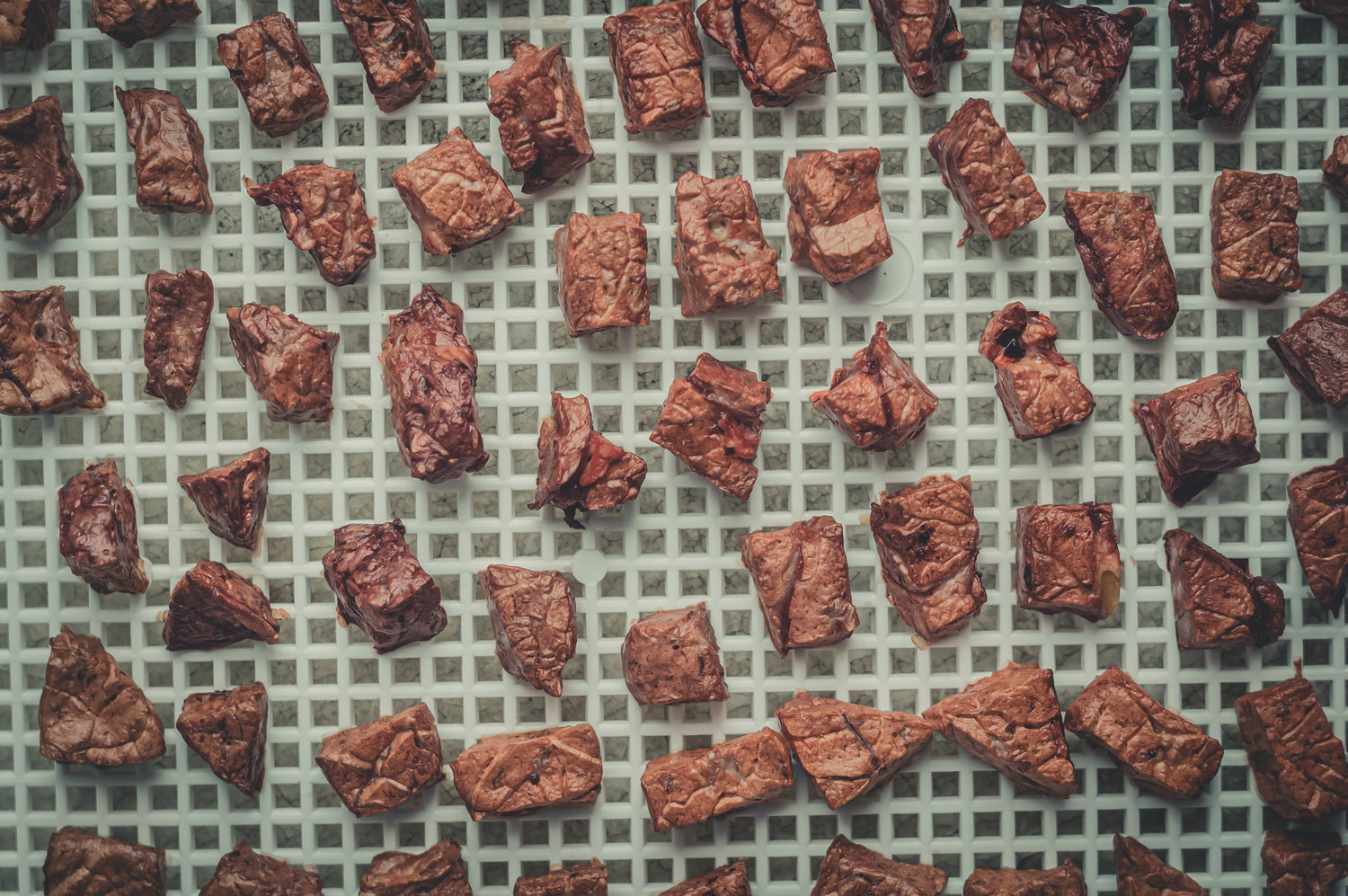
Wet vs Freeze-Dried Organ Meats: Why Concentration Matters for Nutrition
Across cultures and throughout history, organ meats have been valued for their exceptional nutrient density and their ability to deeply nourish the body at a cellular level [1]. In hunter-gatherer groups and early farming communities, these foods were often considered the most prized part of an animal, typically eaten first after a successful hunt. They delivered vital vitamins, minerals, and bioactive compounds that helped support strength, resilience, and long-term health.
In recent years, more people have begun to revisit these traditional foods as part of a movement toward nutrient-dense eating. Preparation methods, however, vary widely, and the way organ meats are preserved plays a major role in their nutritional value. The contrast between fresh and freeze-dried organ meats goes beyond differences in texture or storage life, involving nutrient concentration, preservation quality, and ease of use.
Research continues to show that organ meats rank among the most nutrient-dense foods available, providing abundant amounts of vitamin A, vitamin B12, folate, iron, selenium, and choline in forms the body can easily absorb [2]. A 2022 analysis even placed organ meats at the top for micronutrient delivery per calorie for women of reproductive age, outperforming nutrient-rich vegetables like dark leafy greens and protein sources such as small fish [3].
Beef offal (organs like liver, heart, and kidney) has also been recognized in 2024 research as a “good” or “excellent” source of numerous essential nutrients by FDA criteria [4]. Organ meats are increasingly relevant to modern nutritional strategies aimed at addressing widespread micronutrient gaps, from energy metabolism to cognitive support.
The Water Weight in Fresh Organs
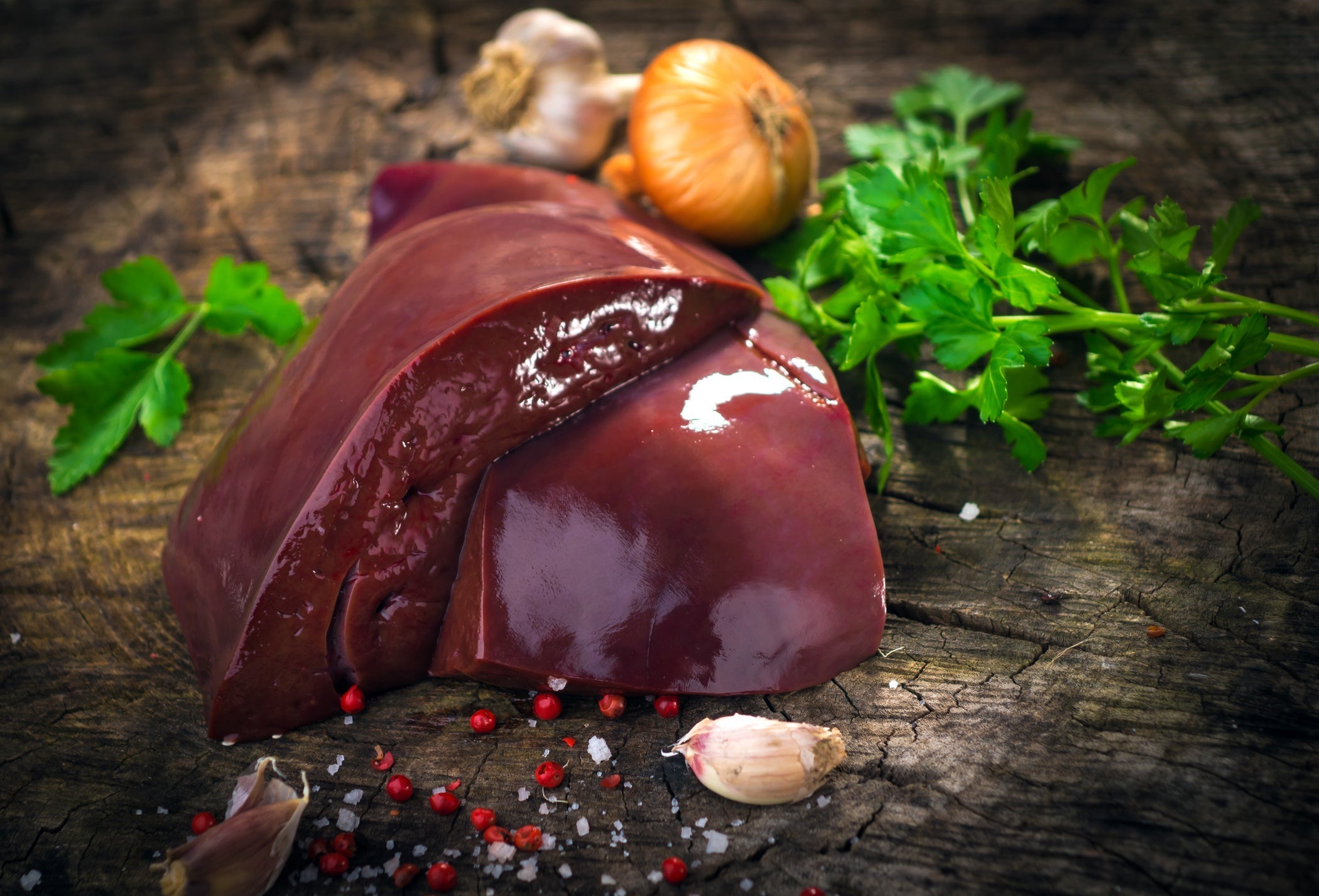
Fresh organ meats such as liver, kidney, spleen, and heart contain roughly 70–75 percent water by weight [5]. While that moisture helps with texture and flavor, it significantly dilutes nutrient density per gram. If you purchase four ounces of fresh liver, only about one ounce of that is composed of proteins, fats, vitamins, and minerals. In contrast, most of the remaining weight is water. This difference means that freeze-dried versions deliver much more nutrition in a small amount [6].
Additionally, this high water content leads to faster spoilage and nutrient degradation. Fresh organ meats are vulnerable to loss of sensitive vitamins like C and certain B vitamins if not used promptly or stored correctly. A study published in 2022 demonstrated notable declines in nutrient levels within days when fresh organs are left unrefrigerated or improperly handled [7]. Freeze-drying addresses this by removing moisture while preserving nutrient integrity, making these organs more accessible and stable for regular use [8].
How Freeze-Drying Concentrates Nutrition
Freeze-drying is a preservation method that eliminates approximately 98–99 percent of water by sublimation under low heat and vacuum, preserving the structural and nutritional integrity of delicate compounds [9]. Unlike heat-based drying, freeze-drying avoids damaging heat-sensitive vitamins, enzymes, proteins, and fats, allowing nearly full dietary preservation. The result is a lightweight, shelf-stable powder that retains the nutrients of fresh organ meats.
A 2024 review on drying technologies found that freeze-drying outperformed hot-air drying and canning in retaining folate, vitamin C, and omega-3 fatty acids, as well as protein quality and fat-soluble vitamins like A and D [10]. Freeze-drying plays an important role in functional food and supplement production because it preserves nutrients exceptionally well [11]. Moisture is gently removed at low temperatures in a vacuum, protecting delicate compounds that are often lost with heat-based methods. As a result, the finished product retains a nutrient profile that is very close to fresh, with more potency in each gram. People seeking concentrated sources of essential nutrients without compromising quality can rely on freeze-dried organ meats as one of the most effective preservation methods available.
The Wet to Freeze-Dried Conversion Ratio
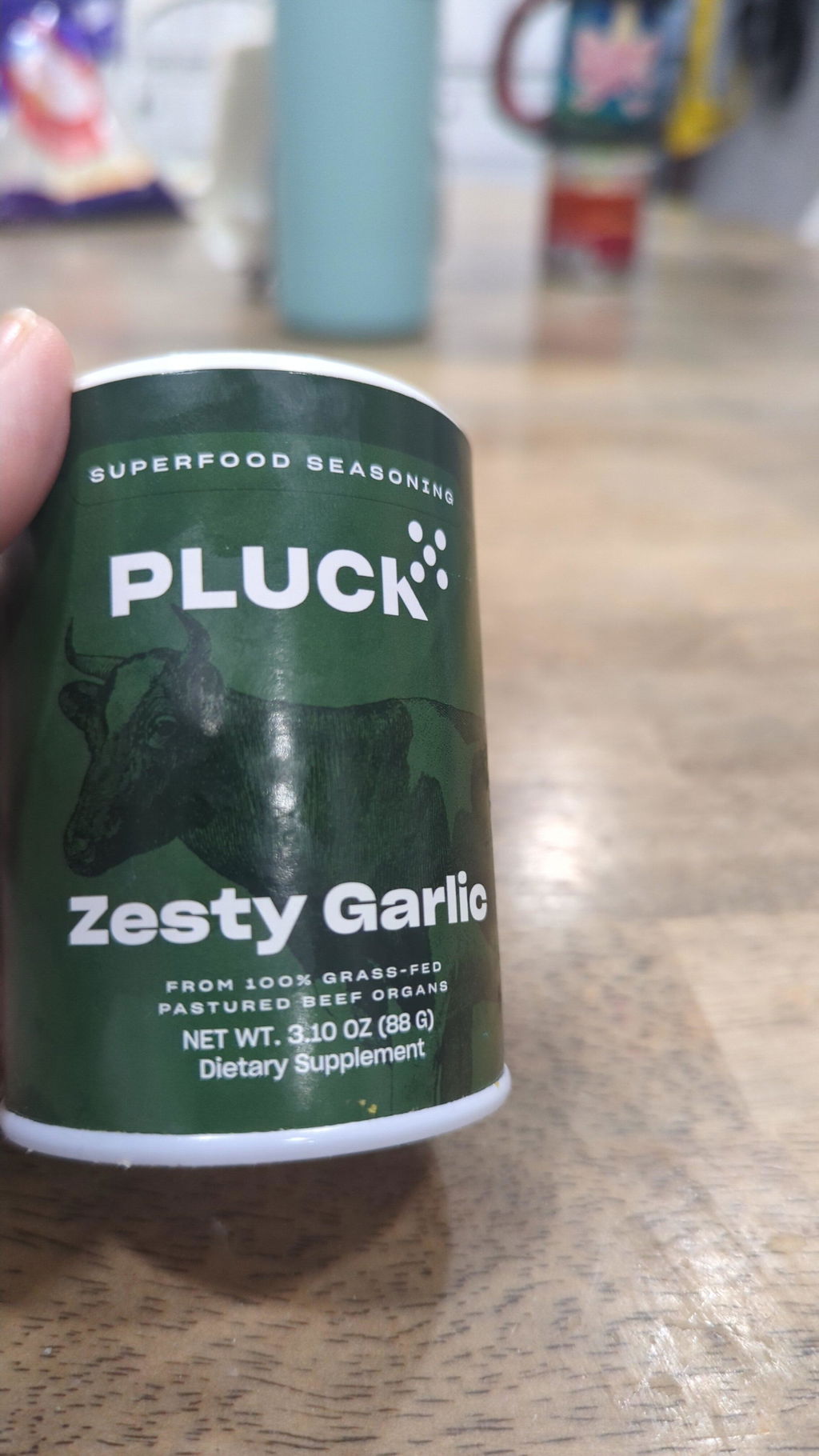
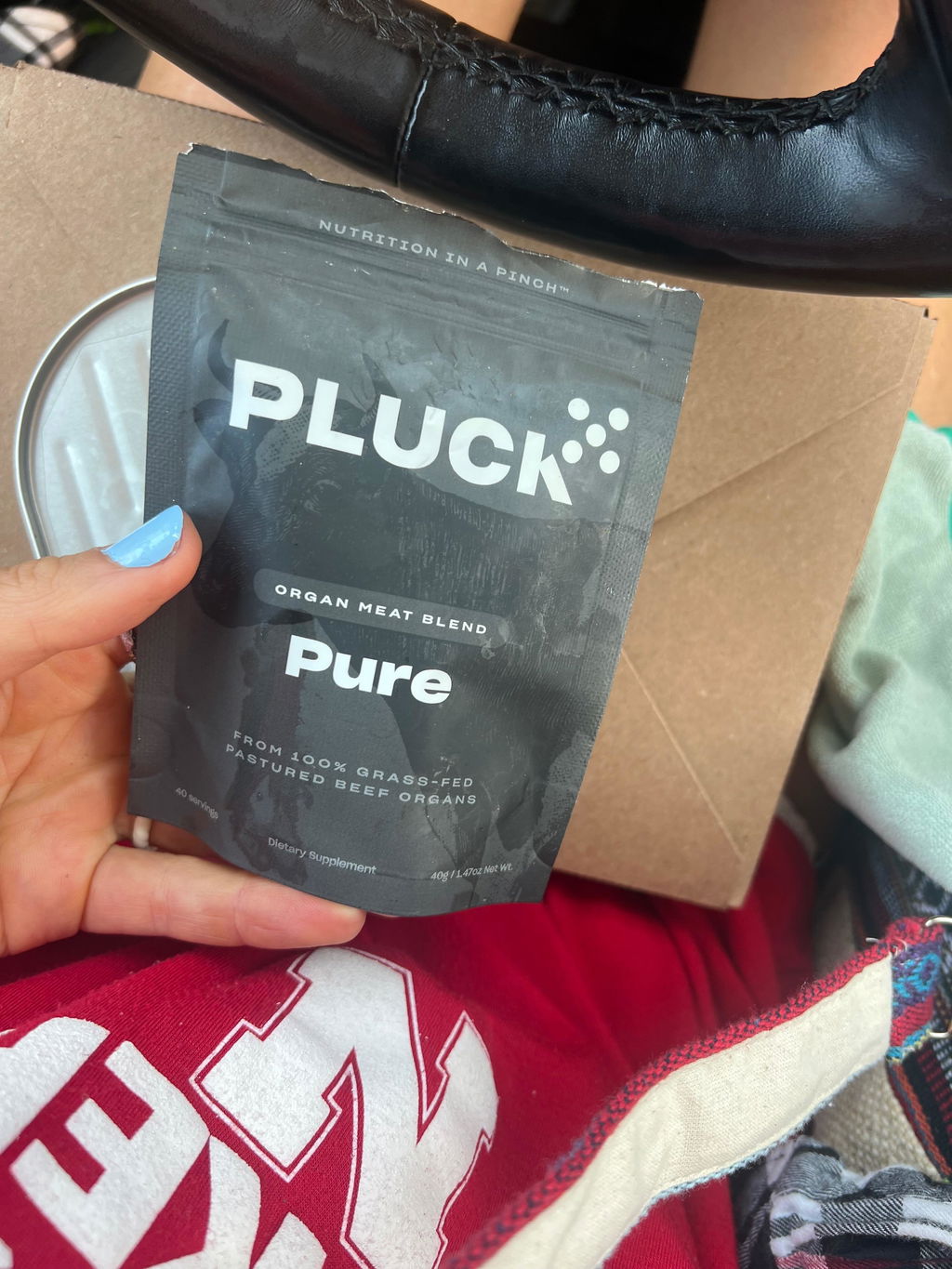
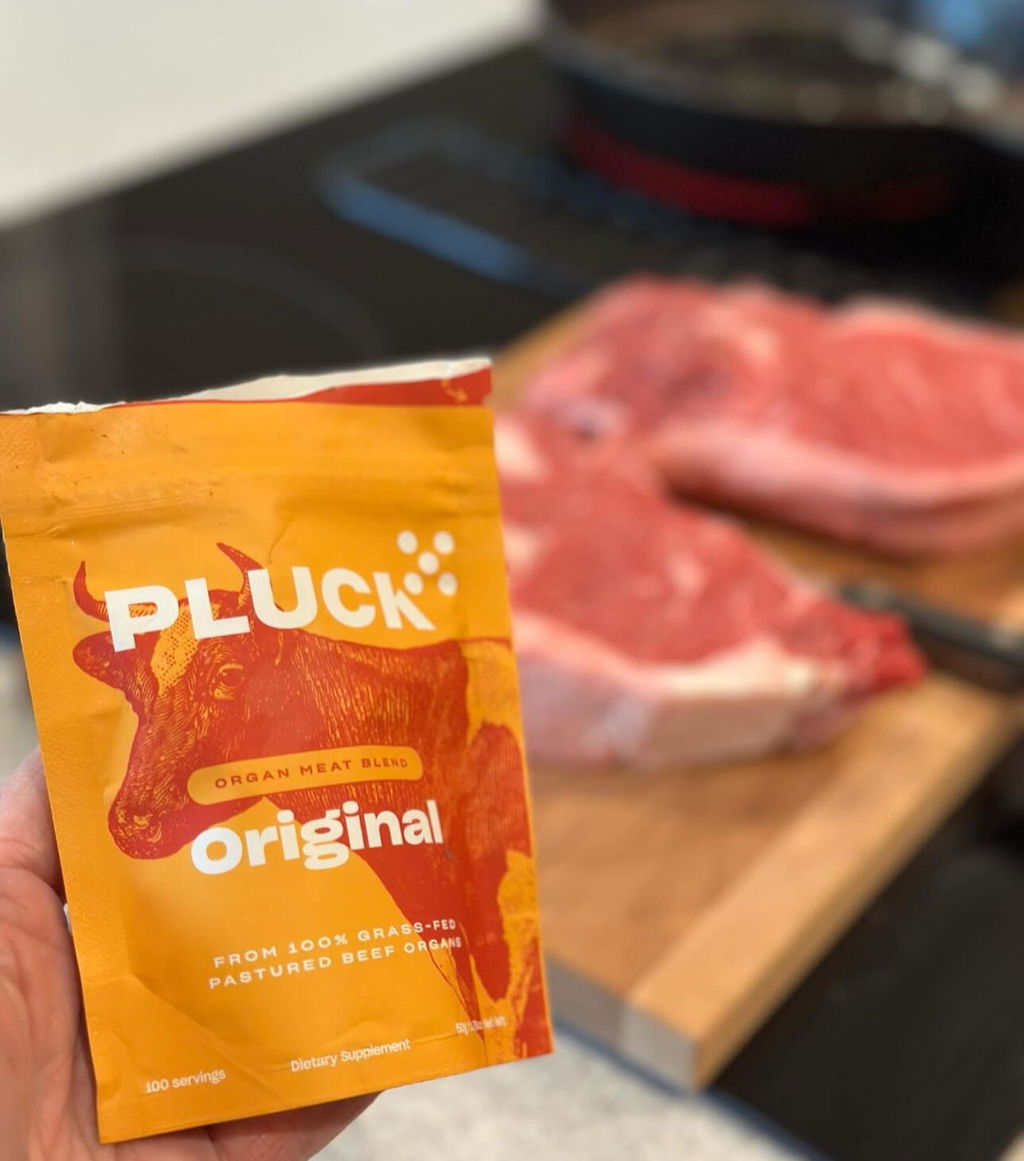
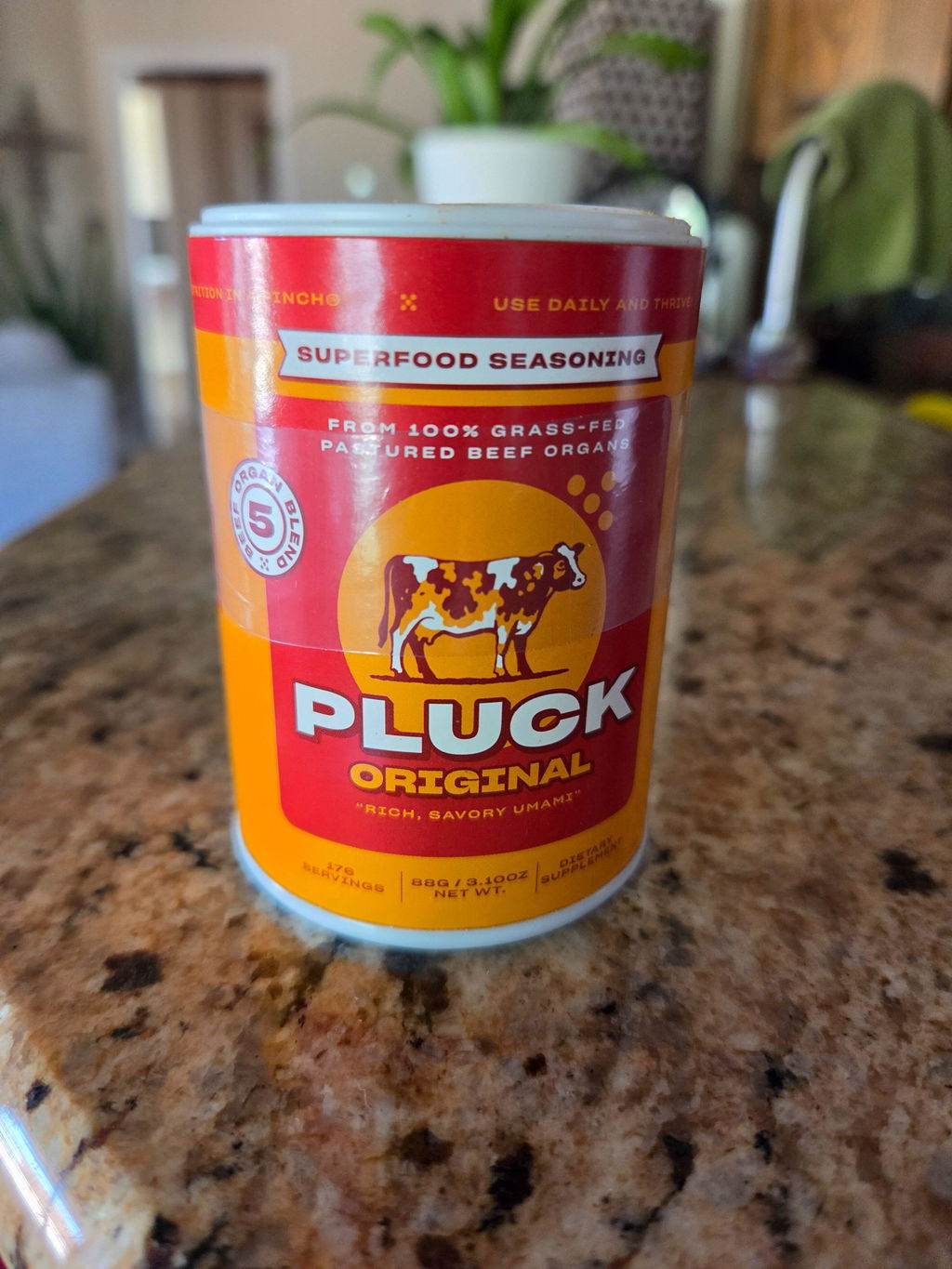
The change from fresh organ to freeze-dried powder is striking: four to five ounces of fresh organ meat becomes just one ounce of freeze-dried product [12]. Thus, a teaspoon (2–3 grams) of freeze-dried powder can equate to nearly two ounces of fresh organ meat in nutrient potency. This high nutrient concentration is why Pluck is best used with light seasoning, since just a small amount provides substantial nutritional benefit.
Because the water is removed, each gram of freeze-dried organ powder delivers a dense package of proteins, fats, and micronutrients that would require much larger portions of fresh organ meat to match. Freeze-drying offers an efficient way to add organ-based nutrition to a diet, especially for those who do not eat these foods often. People looking to boost their nutrient intake without eating a larger volume of food can turn to freeze-dried organ meats as a practical, highly concentrated option.
Because freeze-dried organs are so nutrient-dense, even very small amounts can provide more than 100 percent of the daily value for important micronutrients. For example, just a small serving of freeze-dried beef liver can supply a full day’s worth of vitamins A and B12, along with generous amounts of iron and copper. This makes it an especially valuable choice for individuals with higher nutrient demands, such as athletes or pregnant women [13].
The Real Nutritional Profile of Freeze-Dried Organs
Here is the nutrient content per ten grams of freeze-dried organ powder, equivalent in nutrition to over thirty grams of fresh organ meat:
|
Organ |
Calories |
Protein (g) |
Fat (g) |
Iron (mg) |
Vitamin B12 (mcg) |
Vitamin A (IU) |
|
Pancreas |
40 |
6.5 |
1 |
1.8 |
5 |
80 |
|
Kidney |
42 |
7 |
1 |
2 |
27 |
300 |
|
Beef Liver |
55 |
7.5 |
1.5 |
2.7 |
40 |
5000 |
|
Lung |
45 |
7 |
1 |
2.5 |
7 |
150 |
|
Heart |
45 |
6.5 |
1.5 |
2.2 |
10 |
20 |
|
Brain |
60 |
5 |
4.5 |
2.1 |
9 |
250 |
|
Spleen |
50 |
7 |
1.5 |
5 |
8 |
100 |
Beef liver shines for vitamin A and B12, both essential for energy, vision, and immunity [14]. Kidney excels in selenium and B12 content, spleen offers highly bioavailable iron, and brain supplies DHA and choline for cognitive support. A 2024 analysis of raw beef offal confirmed these foods are excellent sources of key nutrients in diets lacking protein or micronutrients [15].
Research also shows that combinations of different organs provide a more well-rounded nutrient profile than any single organ alone [16]. Each organ contains a unique ratio of vitamins, minerals, and bioactive compounds, meaning that when they are consumed together, they create a more synergistic nutrient package.
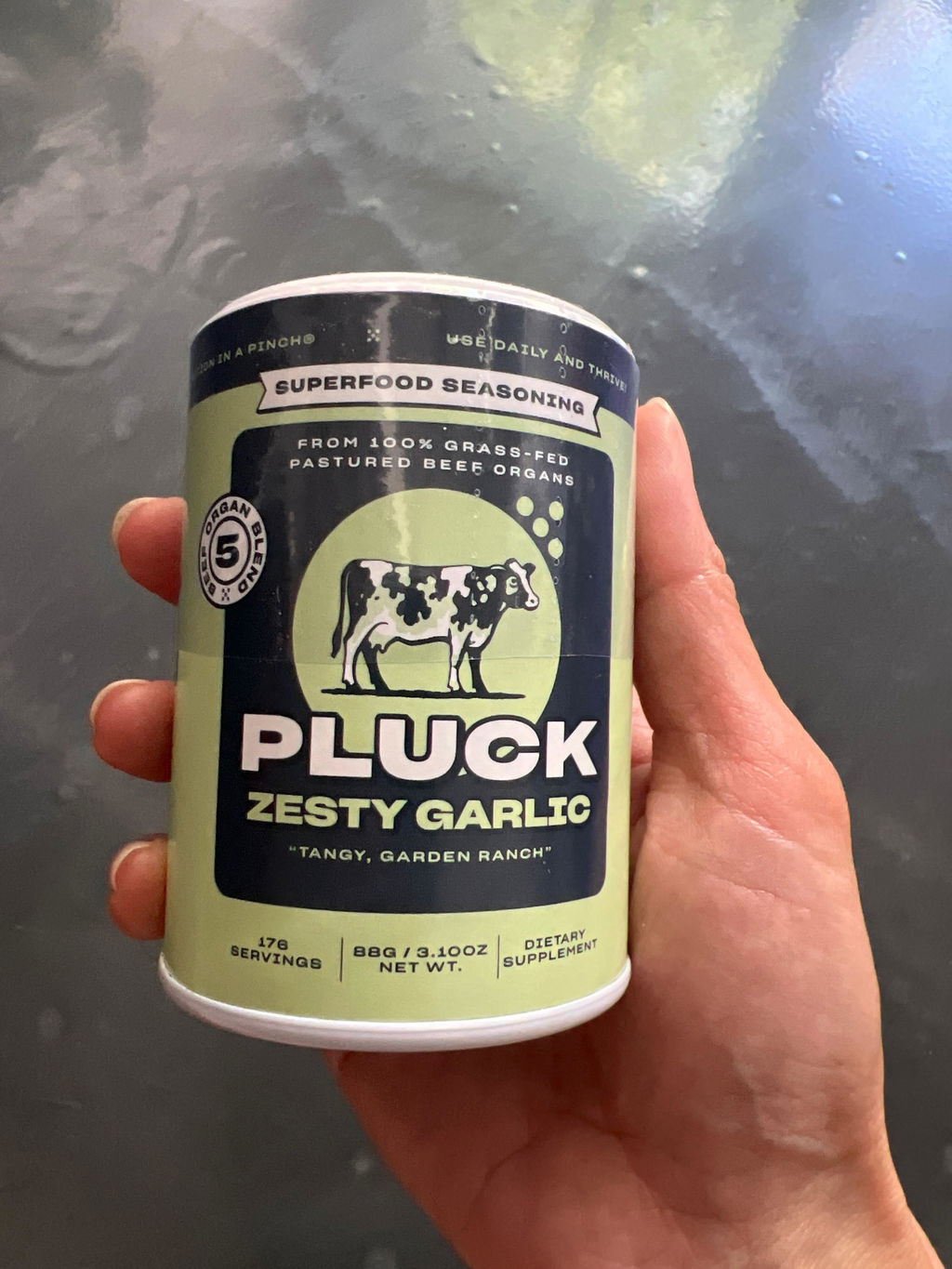
For example, while liver is high in vitamin A and B12, heart contributes more coenzyme Q10 and certain B vitamins, and spleen offers a superior source of highly bioavailable iron. This diversity of nutrients works together to support multiple body systems at once, from cardiovascular and immune health to energy metabolism and brain function. By blending various organs, Pluck ensures coverage of a wider range of essential nutrients in each serving, delivering benefits that go beyond what a single organ could offer alone.
Why This Matters for Pluck Users
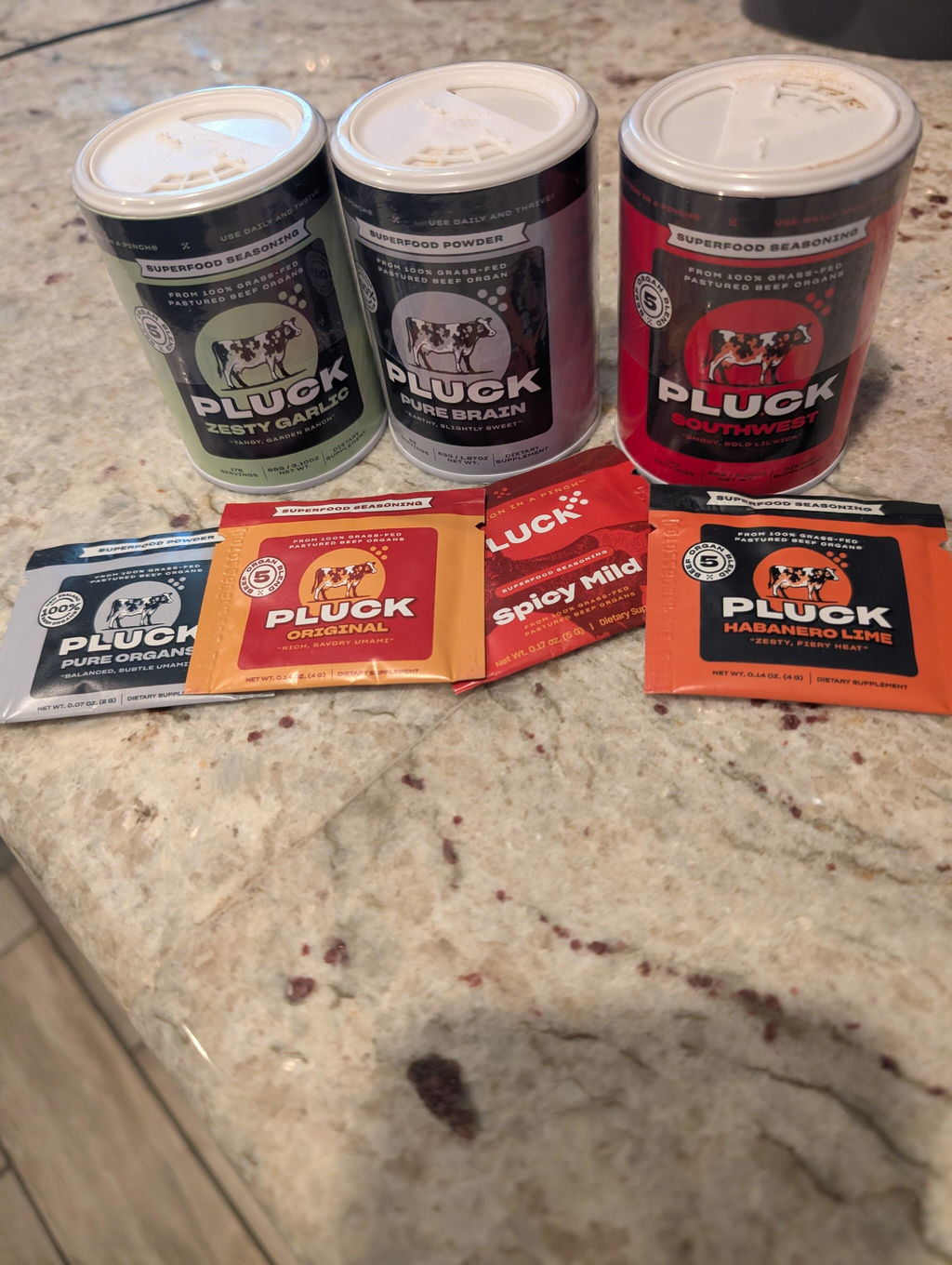
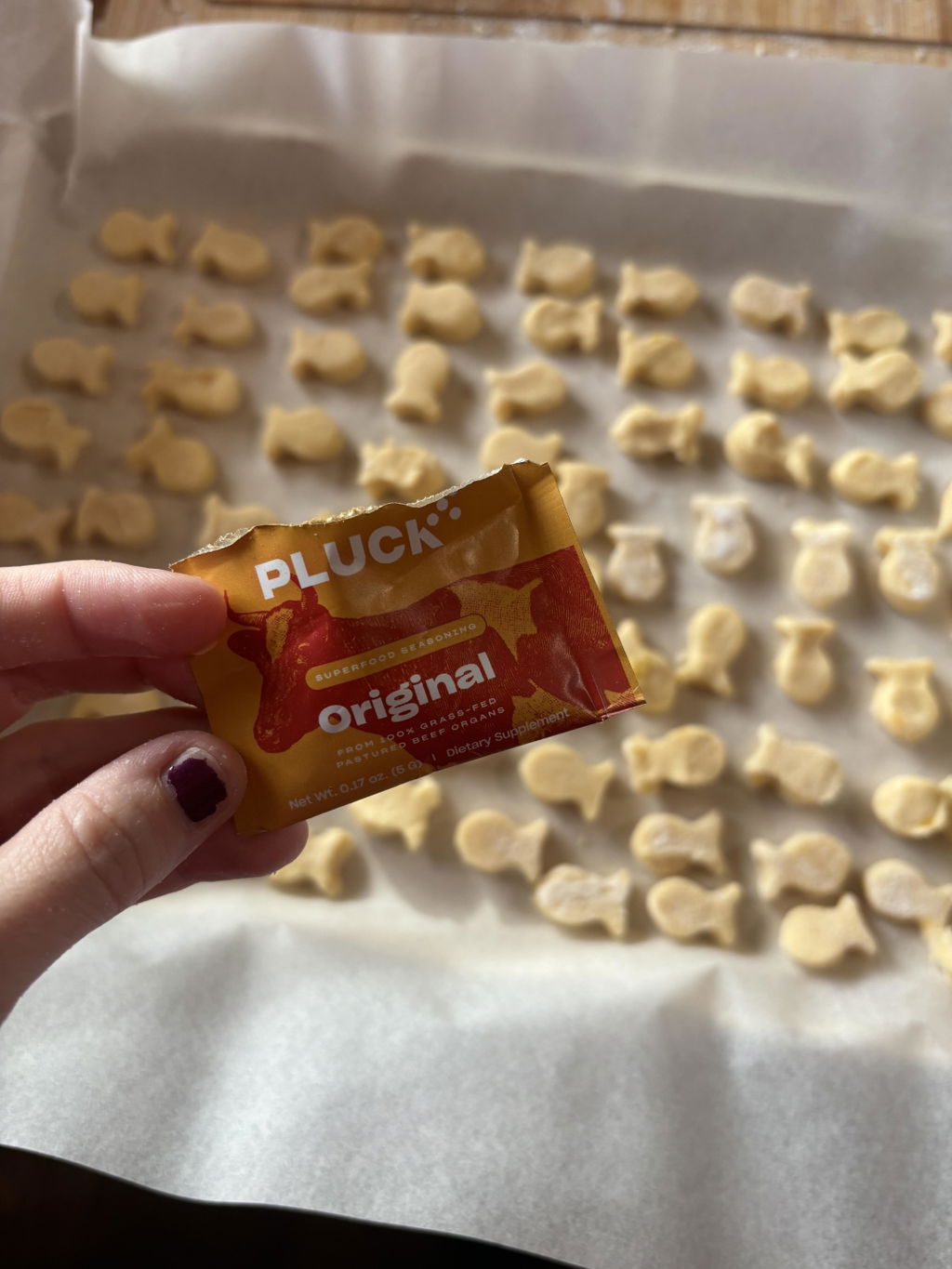
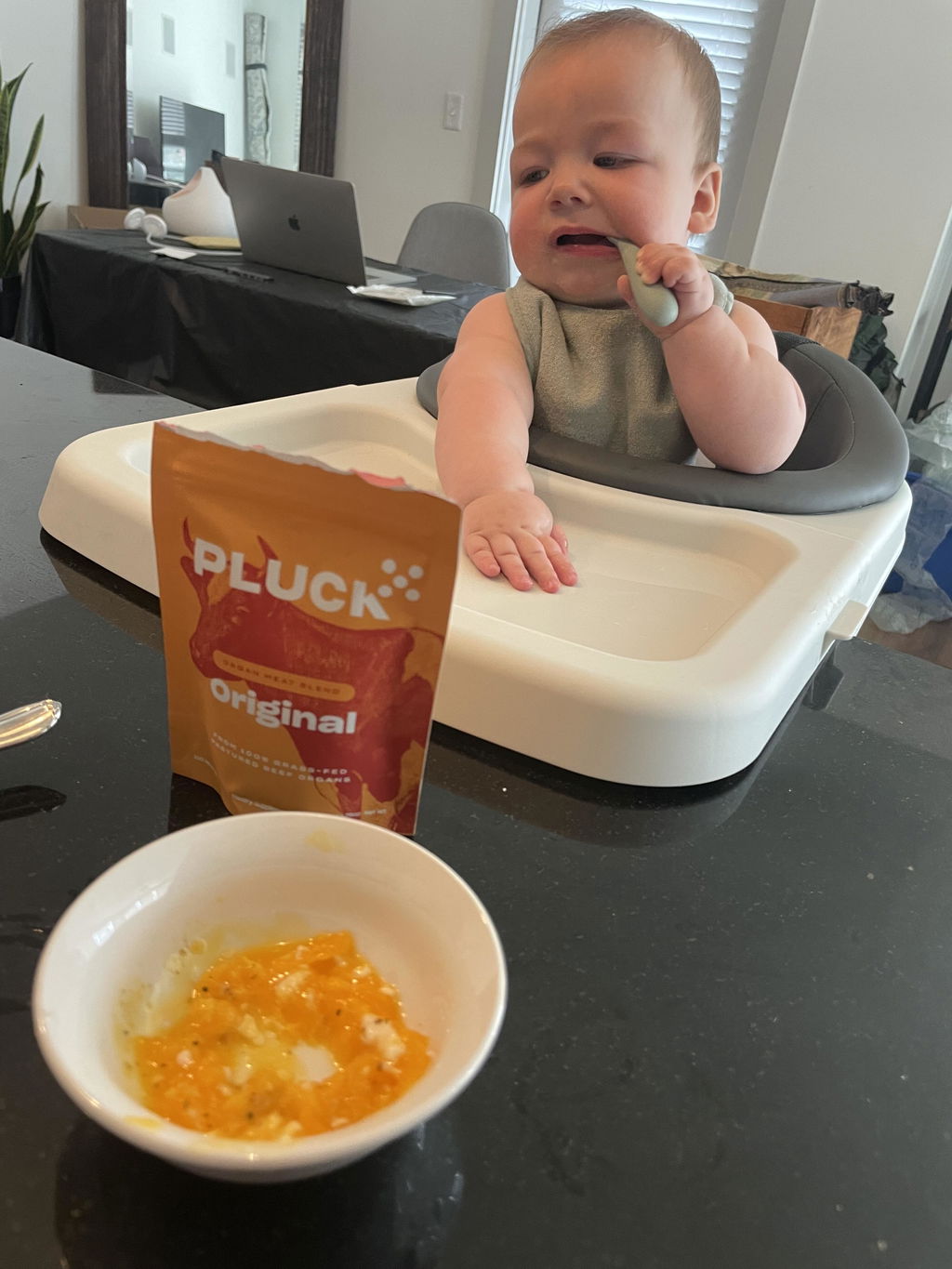
Fresh organ meats can be challenging for many people to find and prepare, with strong flavors and unfamiliar textures often getting in the way [17]. Pluck solves this problem by providing a freeze-dried organ blend that is convenient, shelf-stable, and simple to use in everyday cooking. Nutritional benefits of organ meats can be enjoyed without special preparation or complicated recipes.
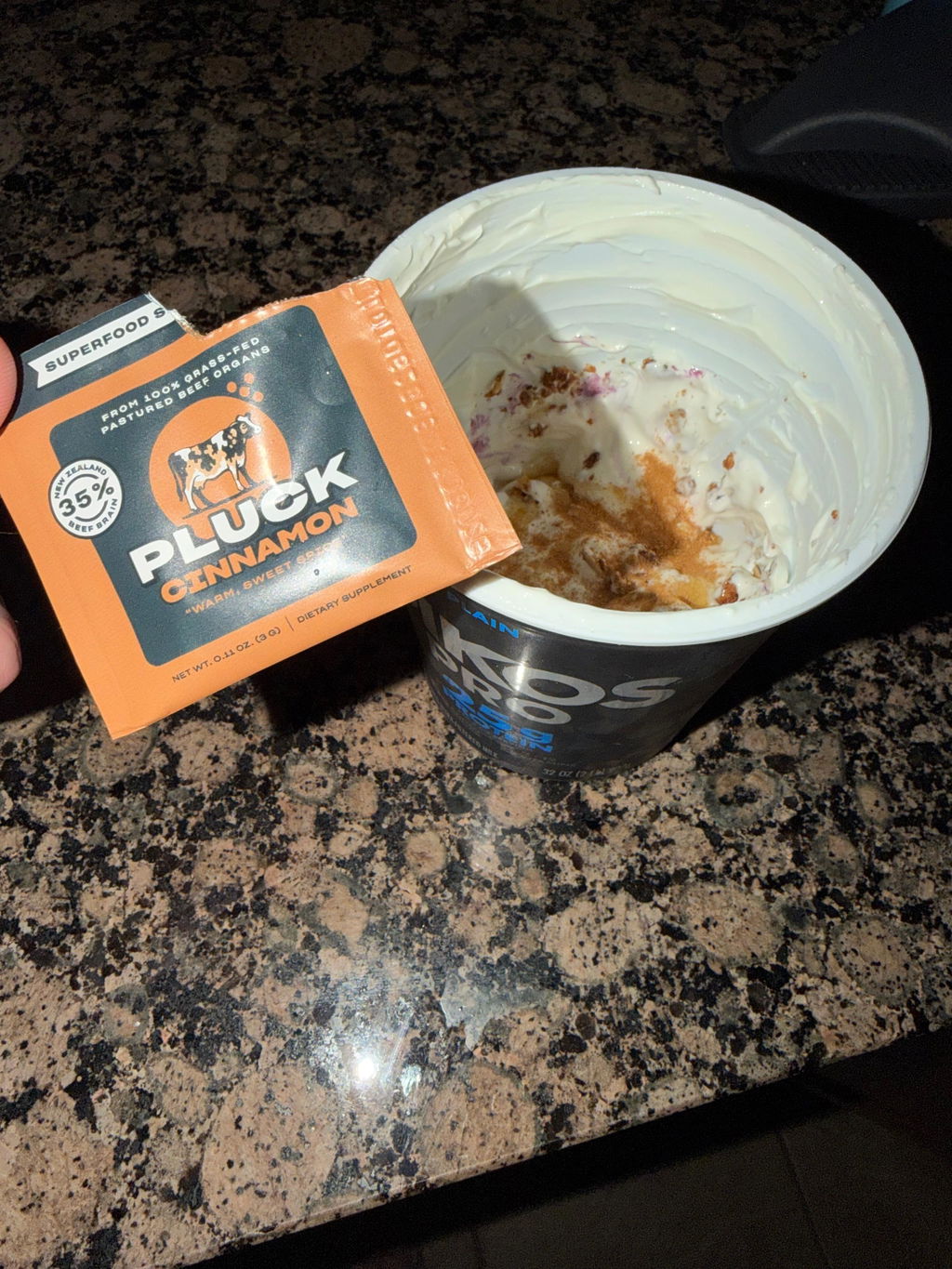
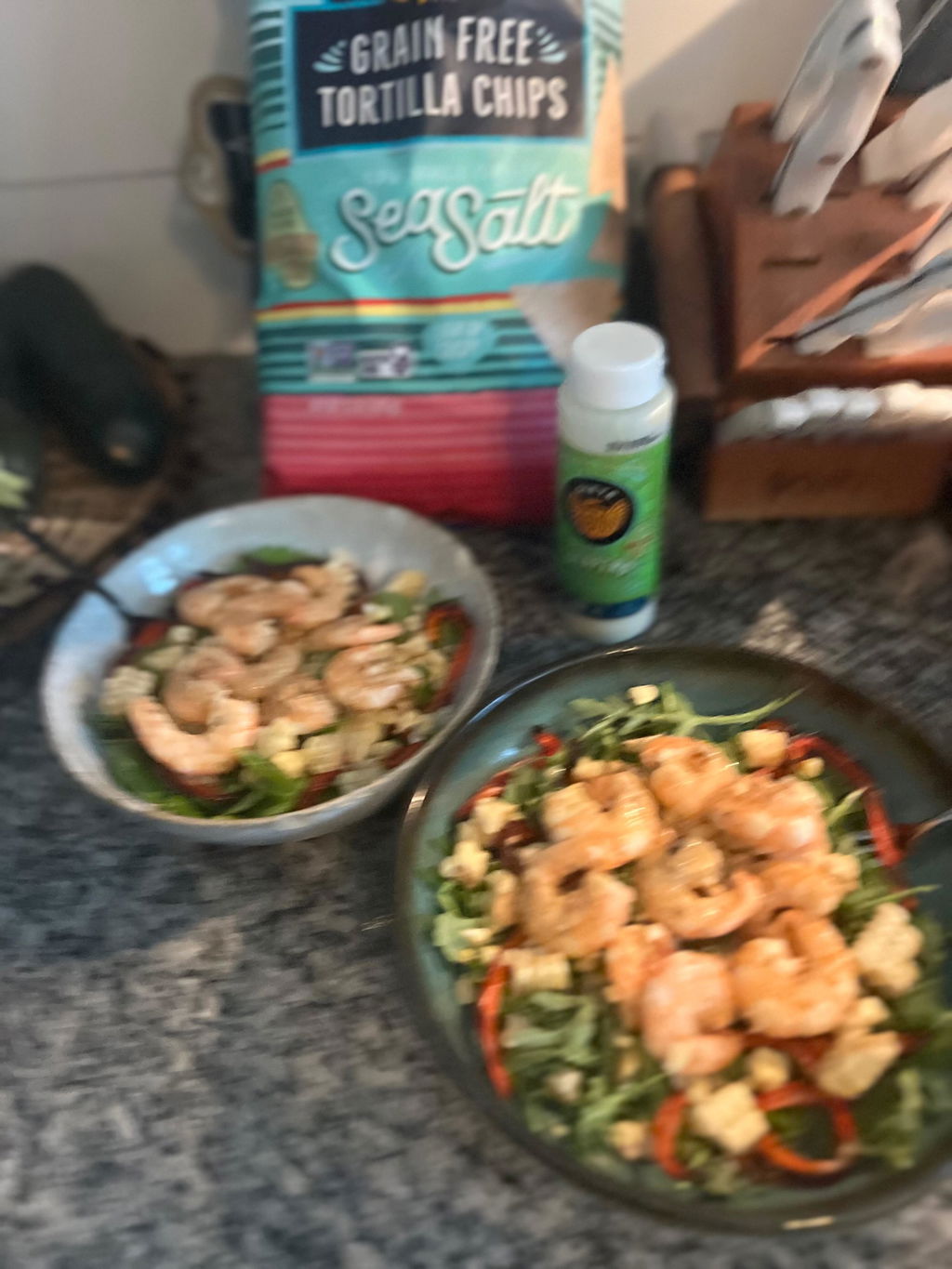
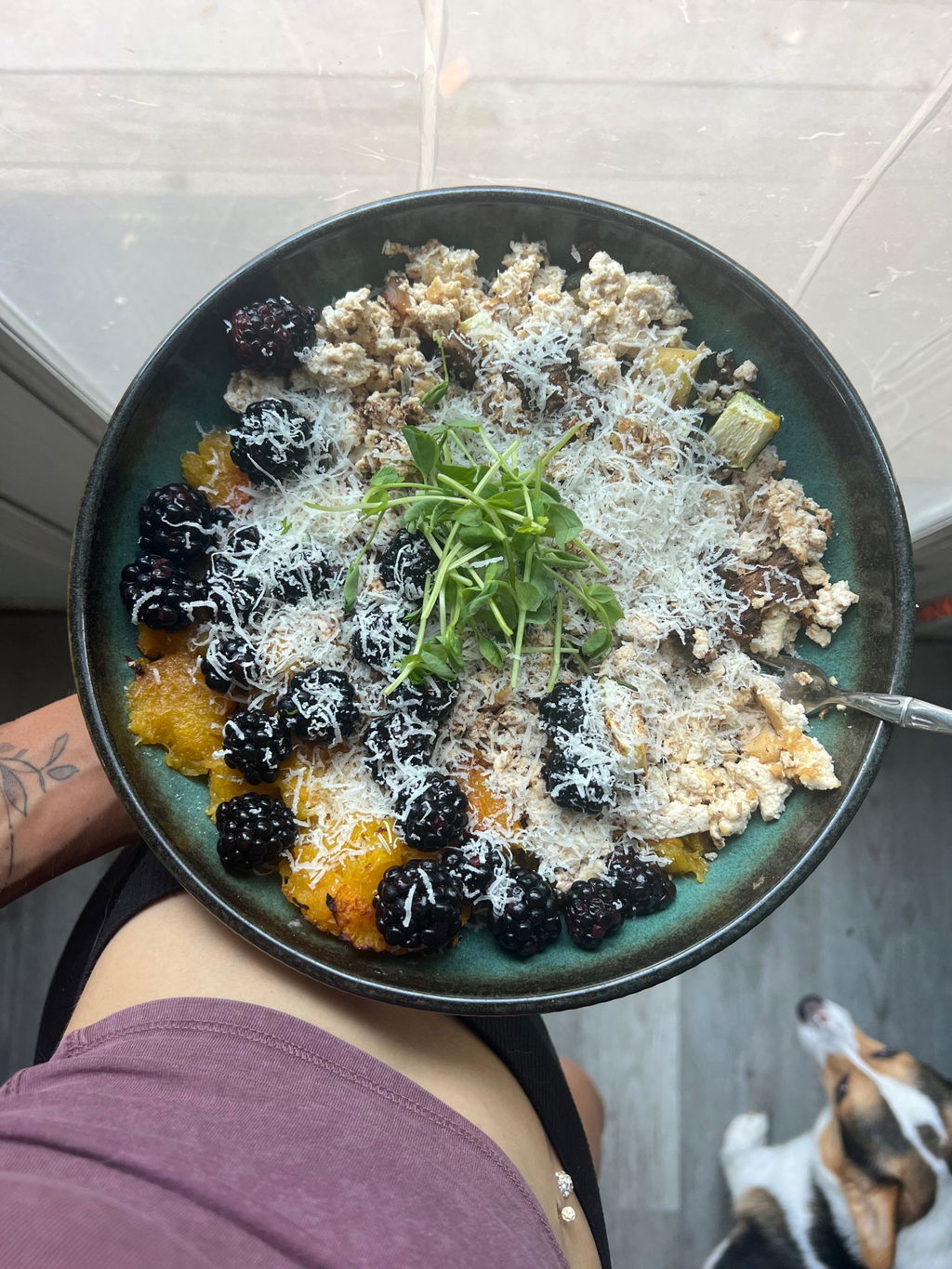
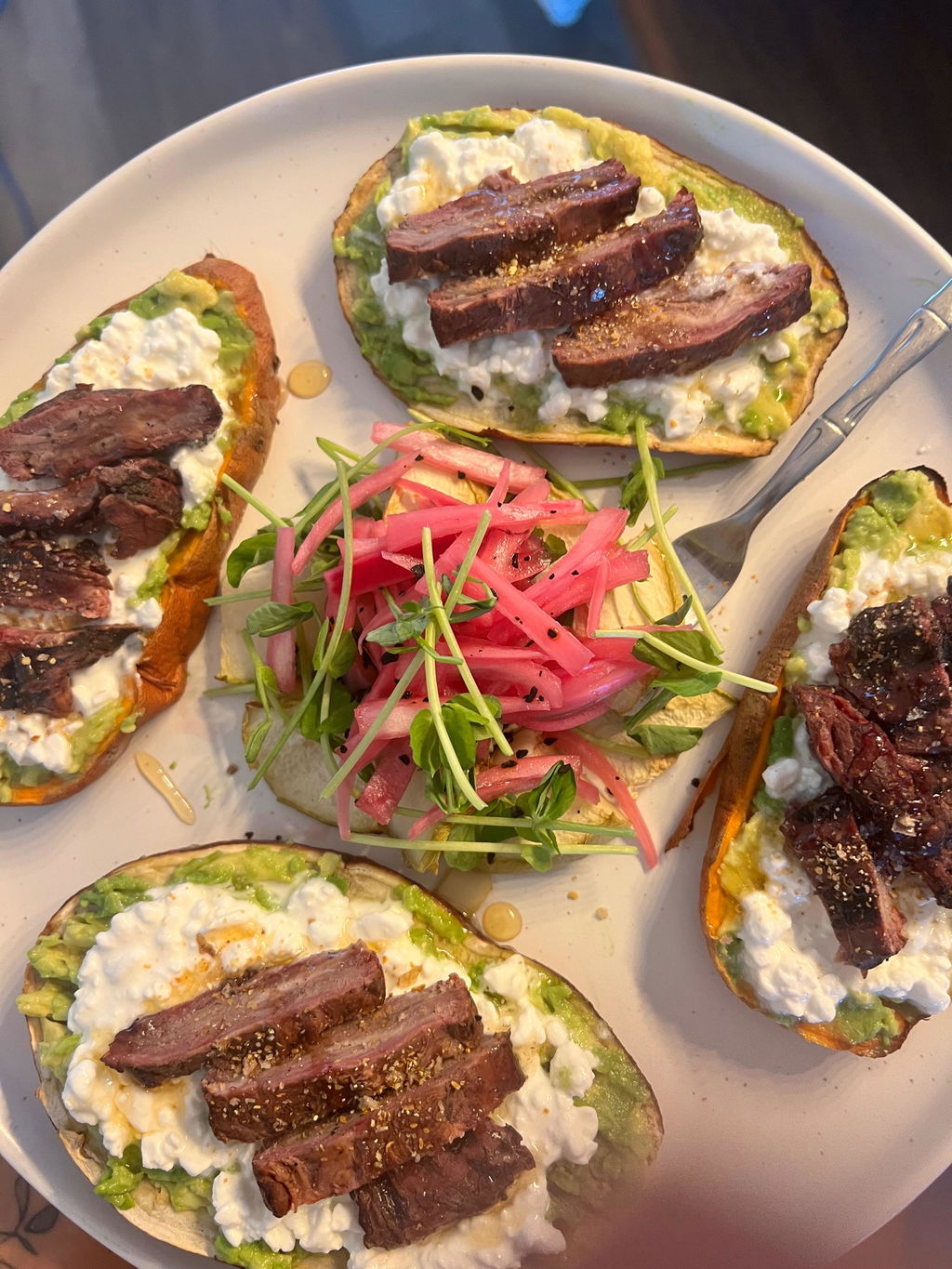
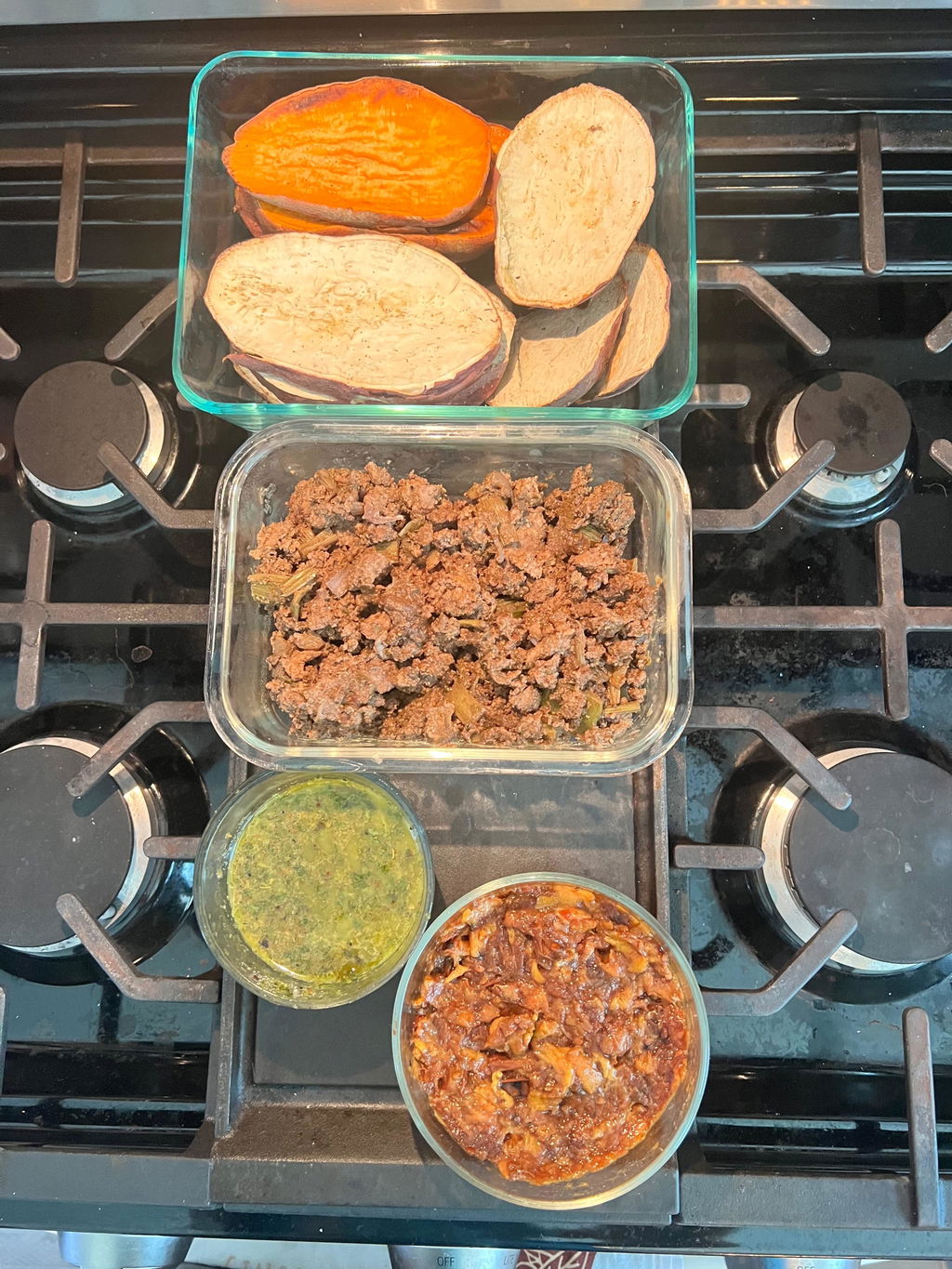
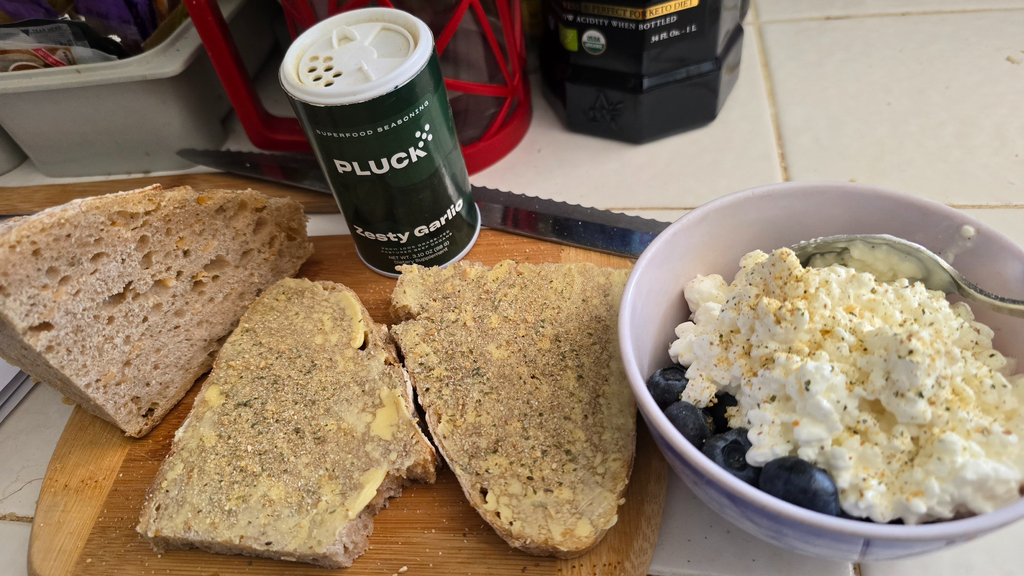
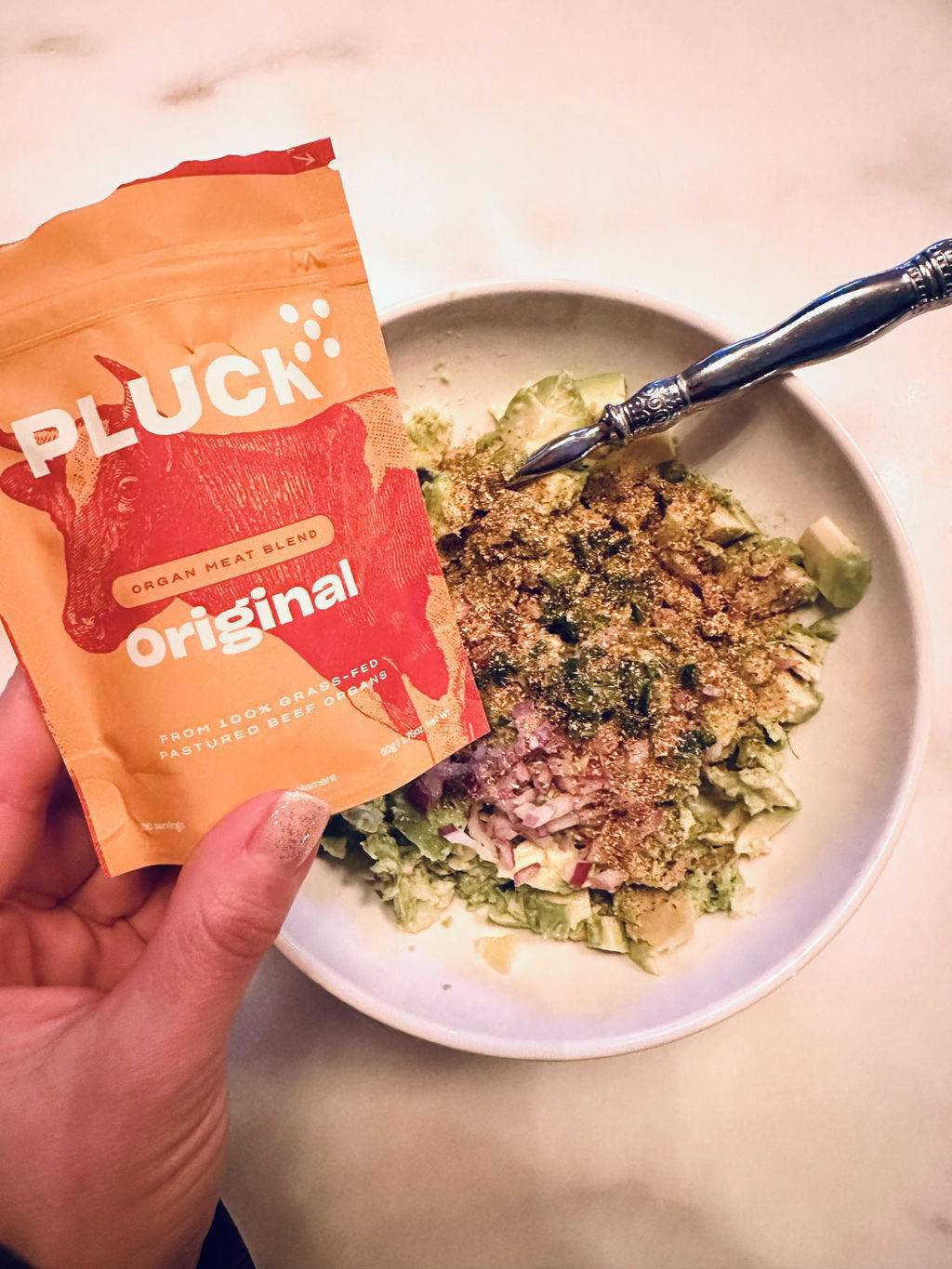
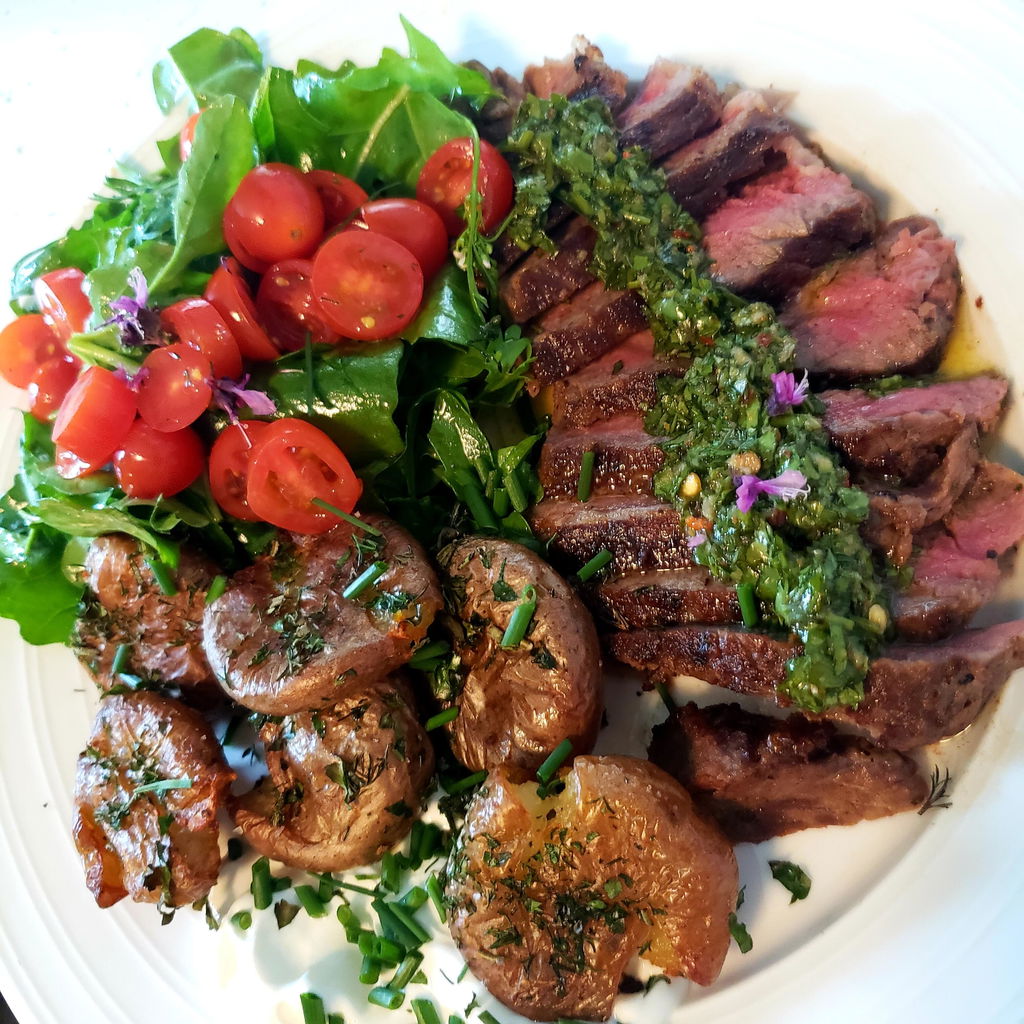
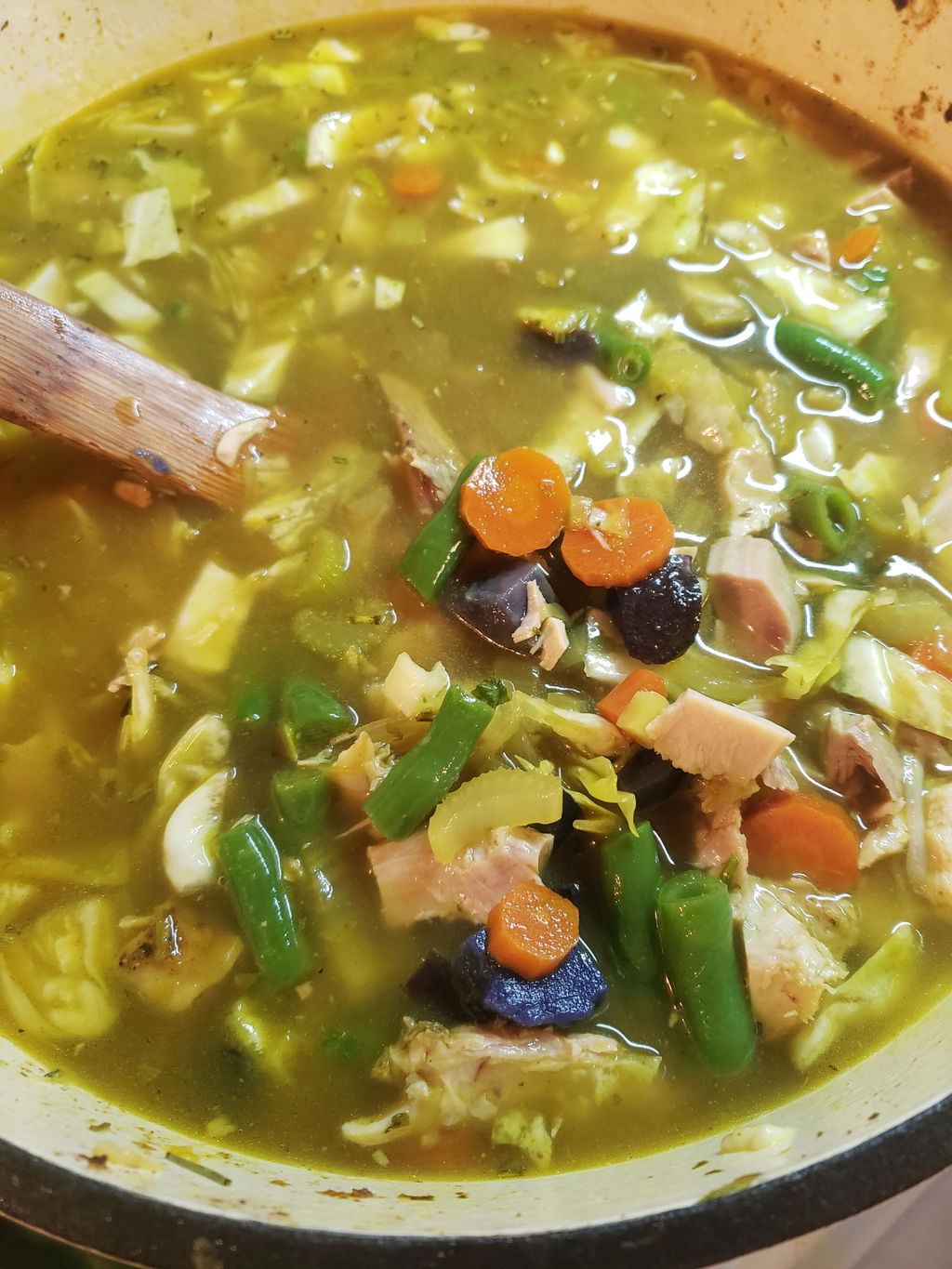
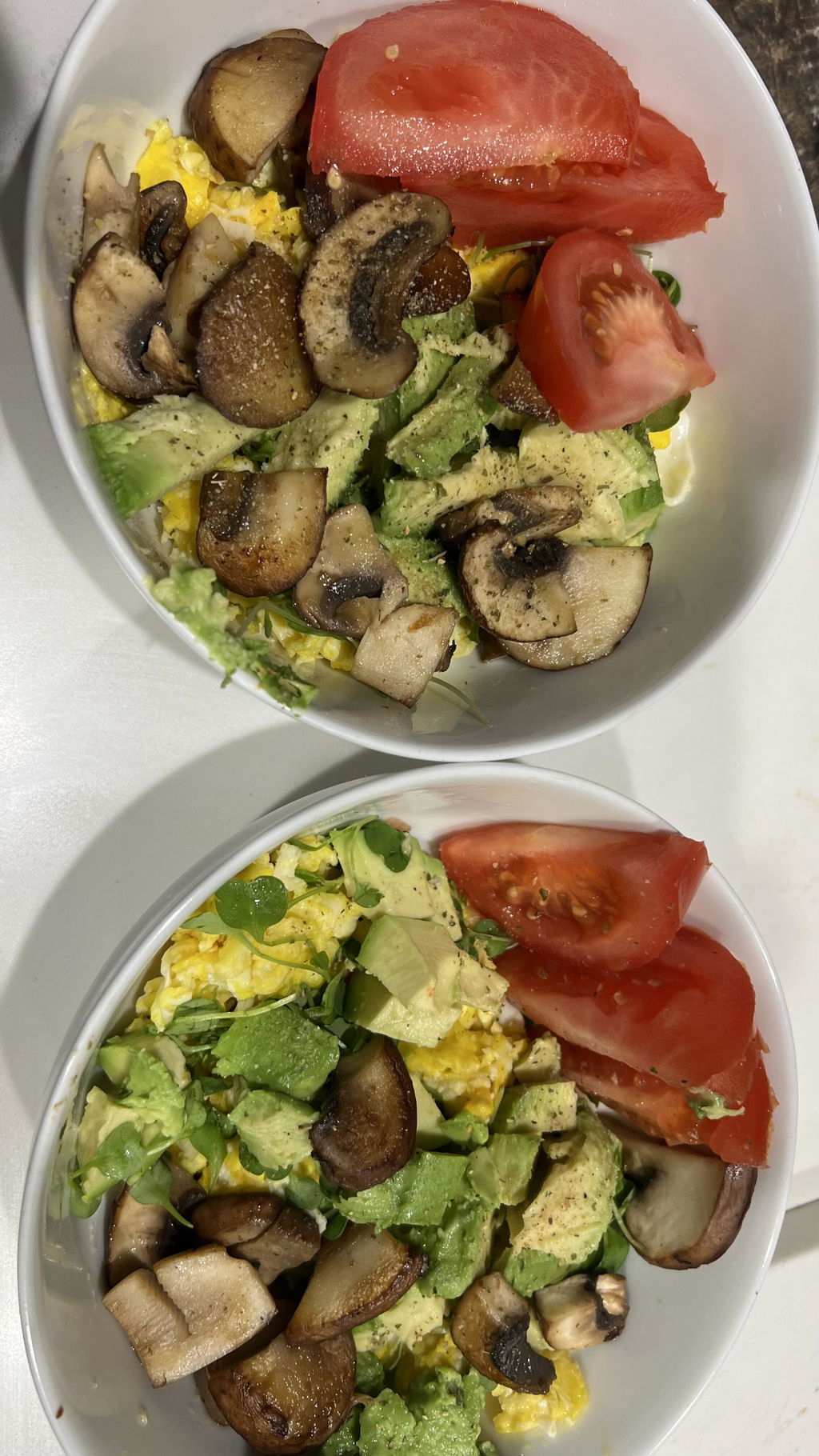
This kind of versatility works well for busy people, families, or anyone with higher nutrient needs. Thanks to its high concentration, even a light sprinkle can make a noticeable difference in the nutritional value of a meal. Whether mixed into eggs, stirred into soups, tossed with roasted vegetables, or blended into smoothies, Pluck makes it easy to add nutrient-dense support to a modern diet [18].
The Takeaway
The choice between fresh and freeze-dried organ meats is more than a matter of convenience. Removing water greatly enhances nutrient concentration, allowing you to access the full spectrum of organ-derived nutrients in minimal volume. Freeze-dried organs preserve key vitamins, minerals, and enzymes while bypassing the spoilage and prep challenges that often prevent regular consumption [19]. Pluck Organ Meat Seasoning brings this nutrient strategy into your kitchen. Each sprinkle delivers nature’s most nutrient-dense whole foods in a form that fits seamlessly into daily life. By choosing freeze-dried organ powders, you embrace a nutritional approach that honors ancestral wisdom and modern science alike [20].
Citations:
-
Beal, Temesgen, and Flaminia Ortenzi. “Priority Micronutrient Density in Foods.” Frontiers in Nutrition, vol. 9, 2022, https://doi.org/10.3389/fnut.2022.806566.
-
Coşkun, N., et al. “The Impact of Freeze-Drying on Bioactive Compounds.” Applied Sciences, vol. 14, no. 20, 2024, p. 9183, https://doi.org/10.3390/app14209183.
-
Korus, Anna, et al. “Effect of Pre-Treatment and Drying Methods on the Content of Minerals and Vitamins in Dried Kale Products.” Foods, 2021, https://www.ncbi.nlm.nih.gov/pmc/articles/PMC8758846/.
-
Nwankwo, C. S., et al. “Recent Advances in Freeze-Drying of Food Products.” Foods, vol. 12, no. 3, 2023, p. 567, https://doi.org/10.3390/foods12030567.
-
Fuerniss, H. F., et al. “Nutrient Analysis of Raw United States Beef Offal Items.” Nutrients, vol. 16, no. 18, 2024, p. 3104, https://doi.org/10.3390/nu16183104.
-
US Department of Agriculture. “FoodData Central: Organ Meats, Raw.” USDA, 2024, https://fdc.nal.usda.gov.
-
Rahmawati, W., et al. “Nutrient Density Score of Organ Meat.” Food Research, vol. 9, no. 2, 2025, pp. 441–450, https://doi.org/10.26656/fr.2017.9(2).1234.
-
Beal, Temesgen. “Nutrient-Dense Animal-Source Foods in Global Diets.” Proceedings of the National Academy of Sciences, vol. 121, no. 34, 2024, e2319007121, https://doi.org/10.1073/pnas.2319007121.
-
Zhang, R., et al. “Animal Organ Meat Is More Nutrient Dense Than Plant Foods and Muscle Meat.” Foods, 2022, https://www.ncbi.nlm.nih.gov/pmc/articles/PMC10598295/.
-
Latoch, A. “Edible Offal as a Valuable Source of Nutrients in the Diet.” Foods, 2024, https://www.ncbi.nlm.nih.gov/pmc/articles/PMC11174546/.
-
Health.com Editors. “Health Benefits of Organ Meats.” Health.com, Nov. 2023, https://www.health.com/organ-meats-8364928.
-
Women’s Health Magazine Editors. “The Benefits And Risks Of Eating Organ Meats, Per Experts.” Women's Health, 16 May 2025, https://www.womenshealthmag.com/food/a64793523/organ-meats/.
-
Cleveland Clinic Editors. “The Pros and Cons of Eating Organ Meat.” Cleveland Clinic Health, 4 Aug. 2022, https://health.clevelandclinic.org/organ-meat-benefits.
-
Wild Idea Buffalo. “Organ Meats: A Bounty of Nutrition.” Wild Idea Buffalo Journal, 19 Apr. 2024, https://wildideabuffalo.com/blogs/journal/organ-meats-a-bounty-of-nutrition.
-
ResearchGate Content Upload, “Review on Retention of Long-Chain Omega-3 PUFA in Fish as Affected by Cooking Methods.” International Food Research Journal, 2022, https://doi.org/10.47836/ifrj.29.5.02.
-
Premjit, Y. “Recent Trends in Folic Acid (Vitamin B9) Encapsulation.” Journal of Food Science and Technology, 2023, https://doi.org/10.1080/87559129.2022.2077361.
-
Gharibzahedi, S. M. T., et al. “Recent Advances in Dietary Sources, Health Benefits of Vitamin B12.” Molecules, vol. 28, no. 22, 2023, 7469, https://doi.org/10.3390/molecules28227469.
-
Suryati, M. A., et al. “Review on Retention of Long-Chain Omega-3 PUFA in Fish.” International Food Research Journal, 2022, https://doi.org/10.47836/ifrj.29.5.02.
-
Food and Drug Administration. Code of Federal Regulations, Title 21, § 101.9, 2025, https://www.ecfr.gov/current/title-21/chapter-I/subchapter-B/part-101.
-
Kresser, Chris. “Why Organ Meats Are Making a Comeback.” Chris Kresser, 15 Oct. 2022, https://chriskresser.com/why-organ-meats-are-making-a-comeback.









Leave a comment
All comments are moderated before being published.
This site is protected by hCaptcha and the hCaptcha Privacy Policy and Terms of Service apply.