


 Large Bag
 Travel Pack

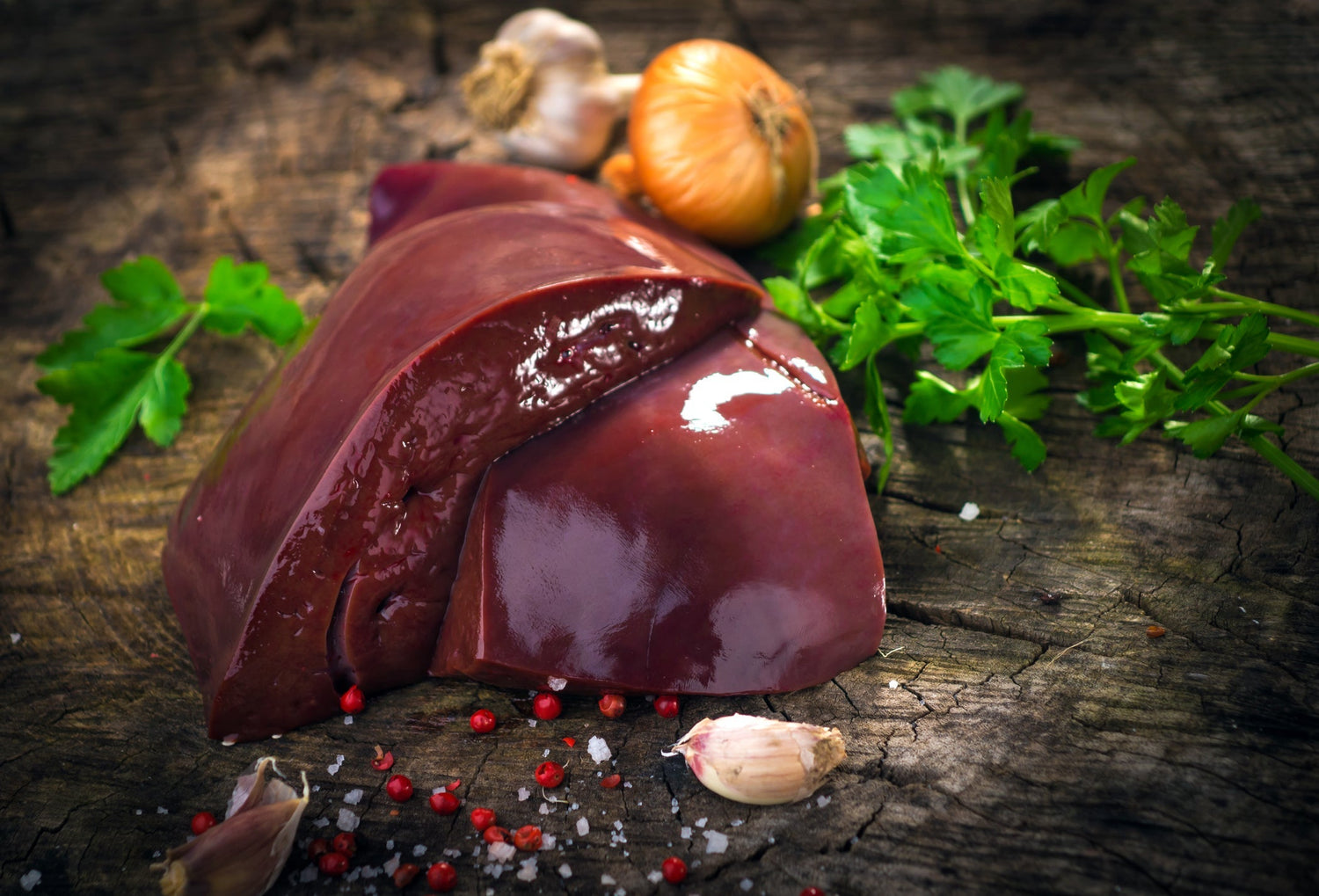
The Power of Ubiquinol in the Human Body
Ubiquinol is the most active and easily absorbed form of coenzyme Q10, and it is vital for keeping our bodies energized and our cells protected from damage. Within the mitochondria, it helps drive the process that produces ATP, the fuel that powers nearly everything we do. It also works as a fat-soluble antioxidant, stabilizing cell membranes and helping prevent the accumulation of oxidative damage that can lead to premature aging and chronic illness.
Although the body produces ubiquinol naturally, levels decline with age, and they can be further depleted by stress, illness, or certain medications. As a result, many people turn to supplements. Yet there is increasing recognition that the richest, most synergistic way to maintain ubiquinol is through food, where it is packaged with natural cofactors that optimize absorption.[1][2]
Organ Meats and Seafood as Ubiquinol Reservoirs
Among whole foods, organ meats stand out as the most concentrated sources of ubiquinol. Ubiquinol is the active form of coenzyme Q10 that the body can use most easily. It is essential for keeping our energy levels steady and for protecting cells from everyday wear and tear. Inside the mitochondria, ubiquinol helps generate ATP, the fuel that powers all of our body’s functions. Alongside organ meats, seafood, particularly oily fish, sardines, and mackerel, provides ubiquinol in tandem with omega-3 fatty acids. Shellfish, including mussels and oysters, also add meaningful amounts. Eating these foods regularly restores a nutrient network that modern processed diets have stripped away.
Organ meats and seafood do more than provide ubiquinol in isolation. They supply iron, zinc, selenium, and B vitamins, all of which support the enzymes that interact with ubiquinol in energy metabolism. This is why food sources remain superior to supplementation. A capsule may contain isolated ubiquinol, but it cannot replicate the synergy of nutrients working together in the same food matrix.[3][4]
Decline with Age and Increased Demand
Aging brings a natural reduction in the body’s ability to convert coenzyme Q10 into ubiquinol. This decline is one reason why fatigue, muscle weakness, and reduced cardiovascular resilience often emerge in middle and later life. Stress, environmental toxins, and common medications such as statins can accelerate depletion even further. Athletes use up ubiquinol at a faster rate because of the constant demand for energy in their bodies. This makes it especially important for them to get enough through food each day. Organ meats and seafood are excellent choices, since they supply not only ubiquinol but also other key nutrients like carnitine and taurine that work together to keep the mitochondria running efficiently. For anyone looking for an extra boost in energy and endurance, these foods can make a real difference.[5]
Cooking, Pairing, and Nutrient Retention
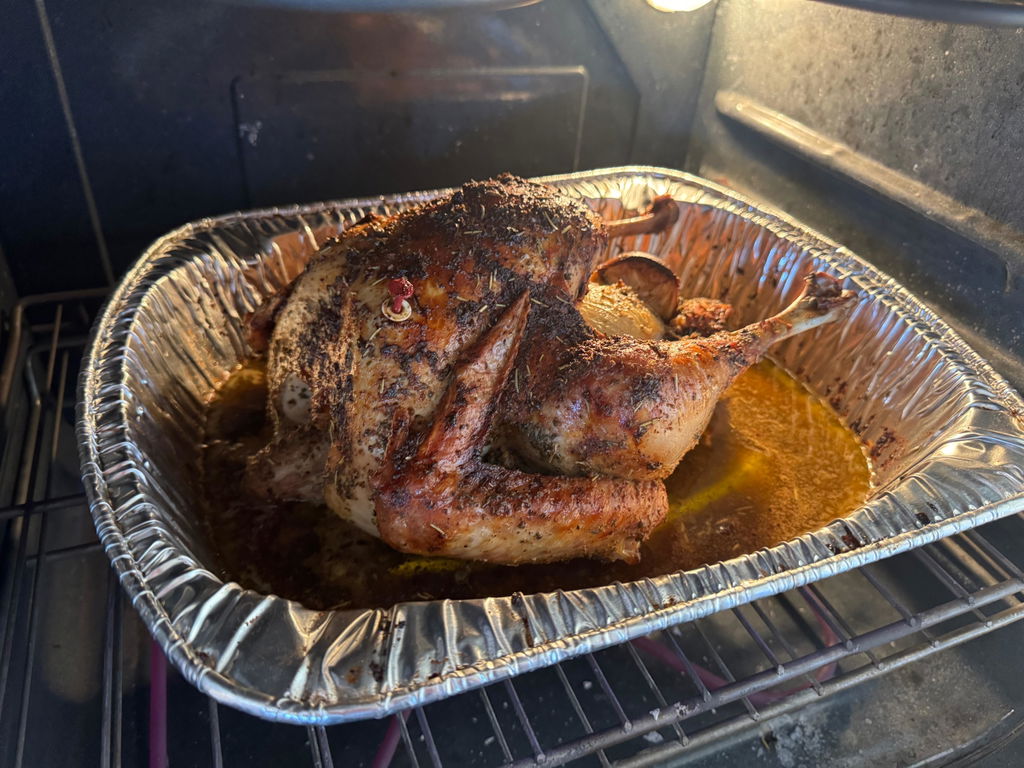
Cooking organ meats and seafood in ways that protect their nutrients while making them enjoyable to eat is key for consistency. Since ubiquinol is fat-soluble, the body absorbs it best when it is eaten with fat. Slow-cooking organ meats in their own fat, adding them to broths, or gently searing seafood in butter or animal fat helps keep their nutrient value intact. Softer cooking methods are generally better at preserving delicate compounds, while very high heat can cause them to break down. Combining these foods with natural fats also improves the uptake of fat-soluble vitamins A, D, E, and K, which work alongside ubiquinol in the body’s antioxidant defenses.
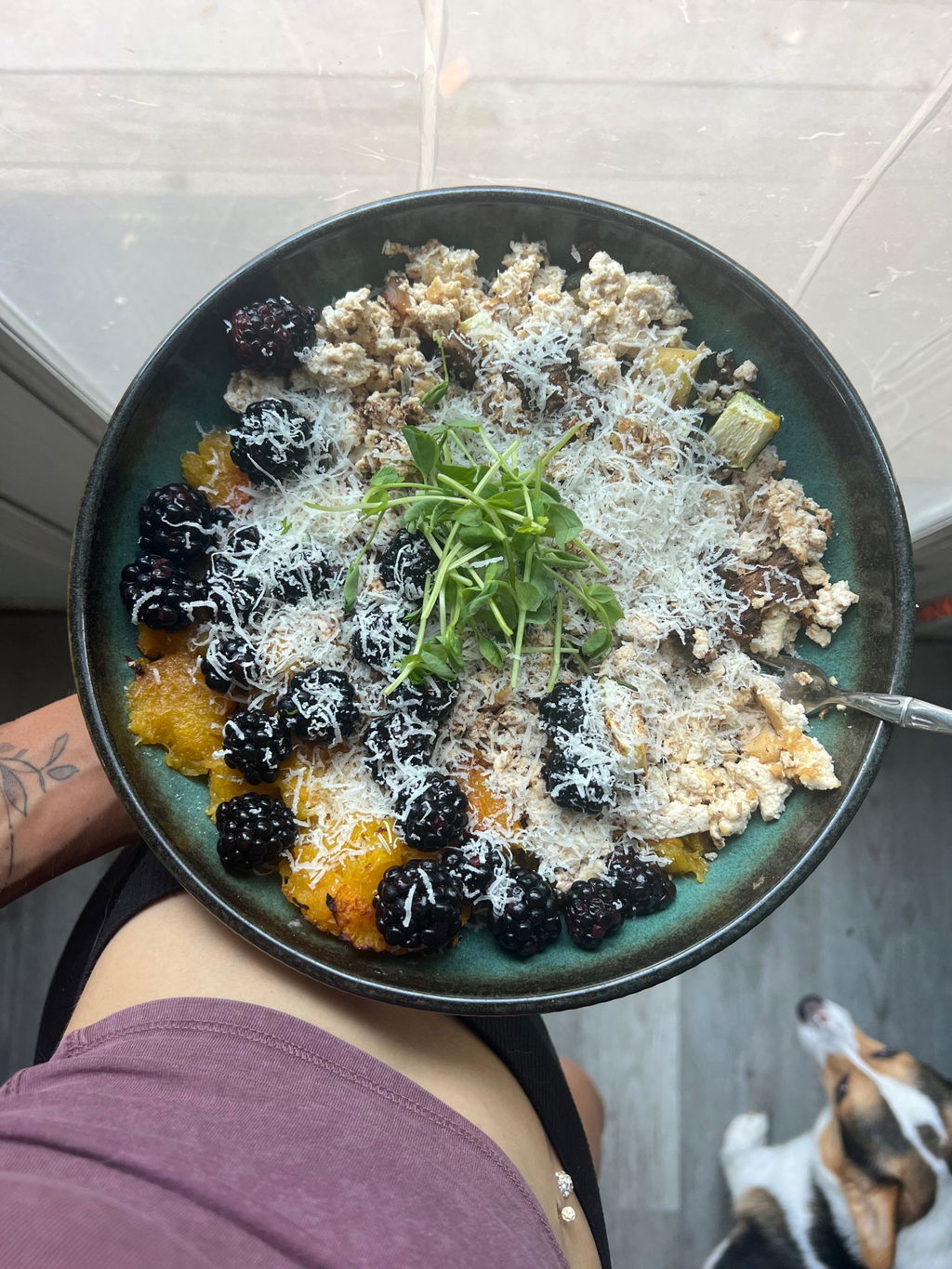
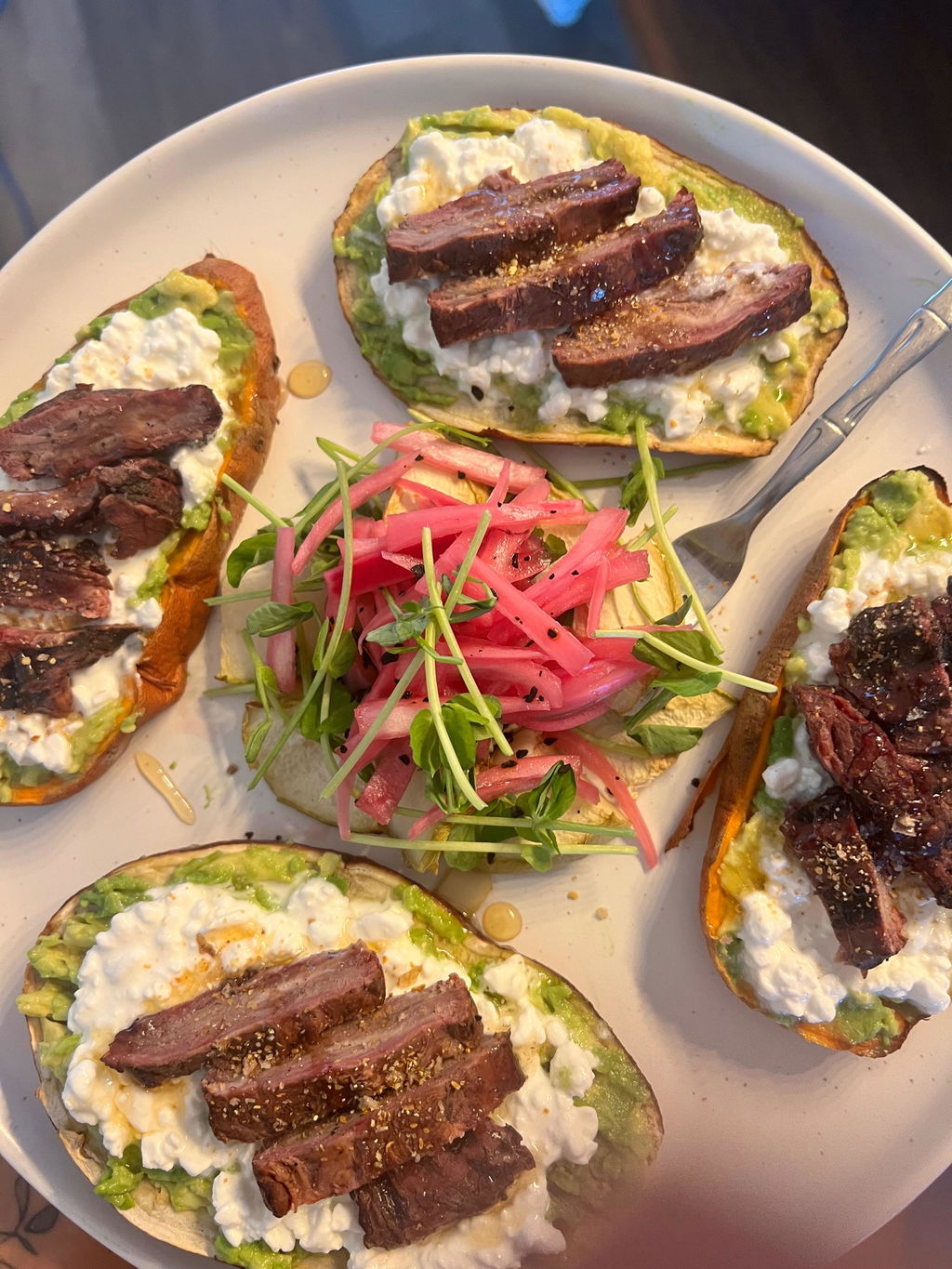
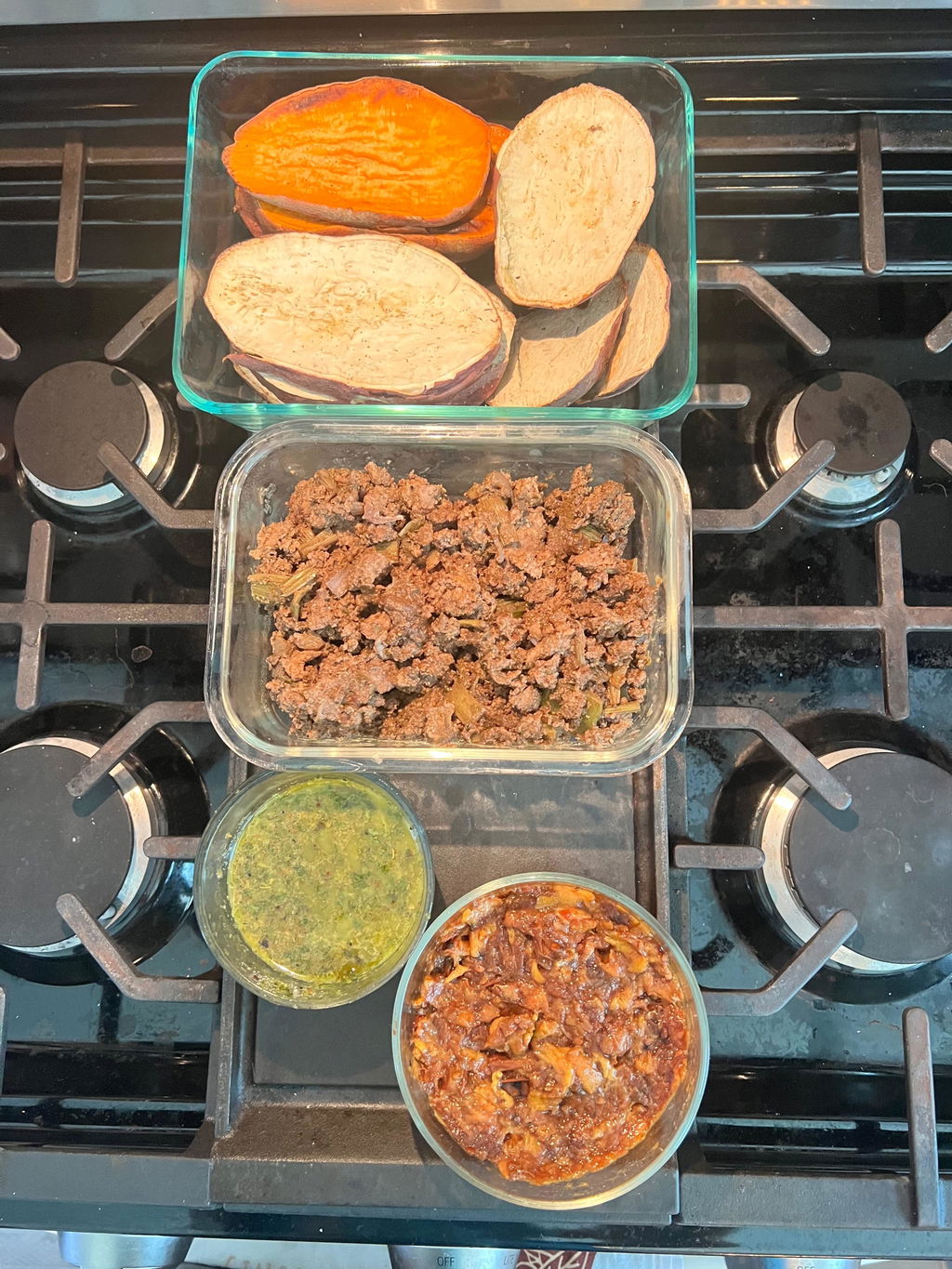
Practical ways to do this include mixing a small portion of heart or liver into ground beef for everyday meals, or topping a salad with sardines and olive oil for an easy, nutrient-rich lunch. Each of these techniques delivers not only ubiquinol but the cofactors that ensure it is used efficiently in the body.[6][7]
Synergy with Other Nutrients
Ubiquinol does not work alone. It recycles and is recycled by other antioxidants, such as vitamin E, to maintain redox balance in cells. In animal foods, this synergy is naturally present. Liver, for example, contains both ubiquinol and vitamin A, which together strengthen immune defense and cellular repair. Seafood combines ubiquinol with long-chain omega-3 fatty acids, which influence membrane fluidity and facilitate the easy movement of ubiquinol through the mitochondrial inner membrane. When consumed in their whole forms, these foods deliver a built-in partnership of nutrients that cannot be recreated in supplement form.
This synergy explains why a diet incorporating organ meats and seafood produces broader benefits than supplementation alone. Improved mitochondrial efficiency, greater cardiovascular resilience, and reduced inflammation are all outcomes of this integrated nutritional approach.[8]
A Practical Food-First Strategy
Modern eaters are often unsure about organ meats because of their strong taste or unusual texture. Even so, adding small amounts each week can have a meaningful impact. Blending ground heart into beef for burgers, or incorporating liver into meatballs, makes for meals that feel familiar while packing in extra nutrients. Seafood can be included just as easily, with options like canned sardines or smoked mackerel offering concentrated nutrition without much effort. For steady intake, a simple weekly plan could include one to two servings of heart or liver, along with two to three servings of oily fish or shellfish. This small but consistent habit provides a reliable source of ubiquinol as well as important vitamins and minerals.[9][10]
Restoring Ancestral Eating Patterns
Our ancestors valued nutrient-rich animal foods, especially organ meats, as central to health and resilience. These foods were often given to elders, pregnant women, or those in recovery because of their restorative qualities. Today, their decline in the modern diet parallels the rise of issues like fatigue, metabolic problems, and cardiovascular disease. Bringing them back is less about tradition and more about re-establishing a nutritional base that fits human biology.[11]
Ubiquinol highlights this truth well. Instead of relying on isolated or synthetic versions, eating foods that naturally contain it delivers both the compound itself and the supporting nutrients that make it work effectively in the body.[12]
Closing Thoughts: Making It Accessible
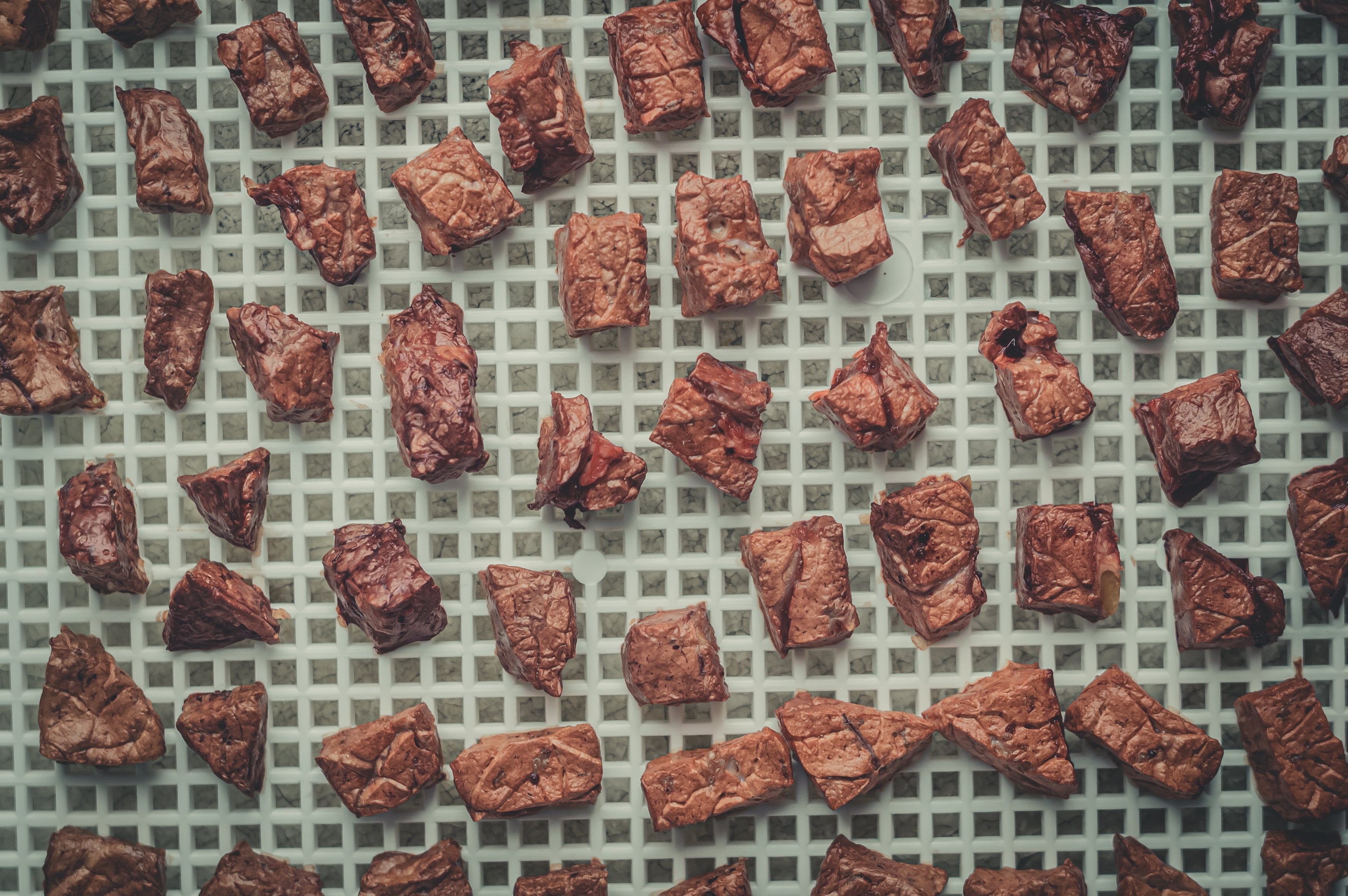
Embracing a food-first approach takes both understanding and practical solutions. Many people want the benefits of organ meats but hesitate to prepare dishes like liver or heart. Modern options help bridge that gap. Freeze-drying organ meats keeps their nutrients intact, makes them shelf-stable, and allows them to be easily added to everyday meals without complicated preparation.
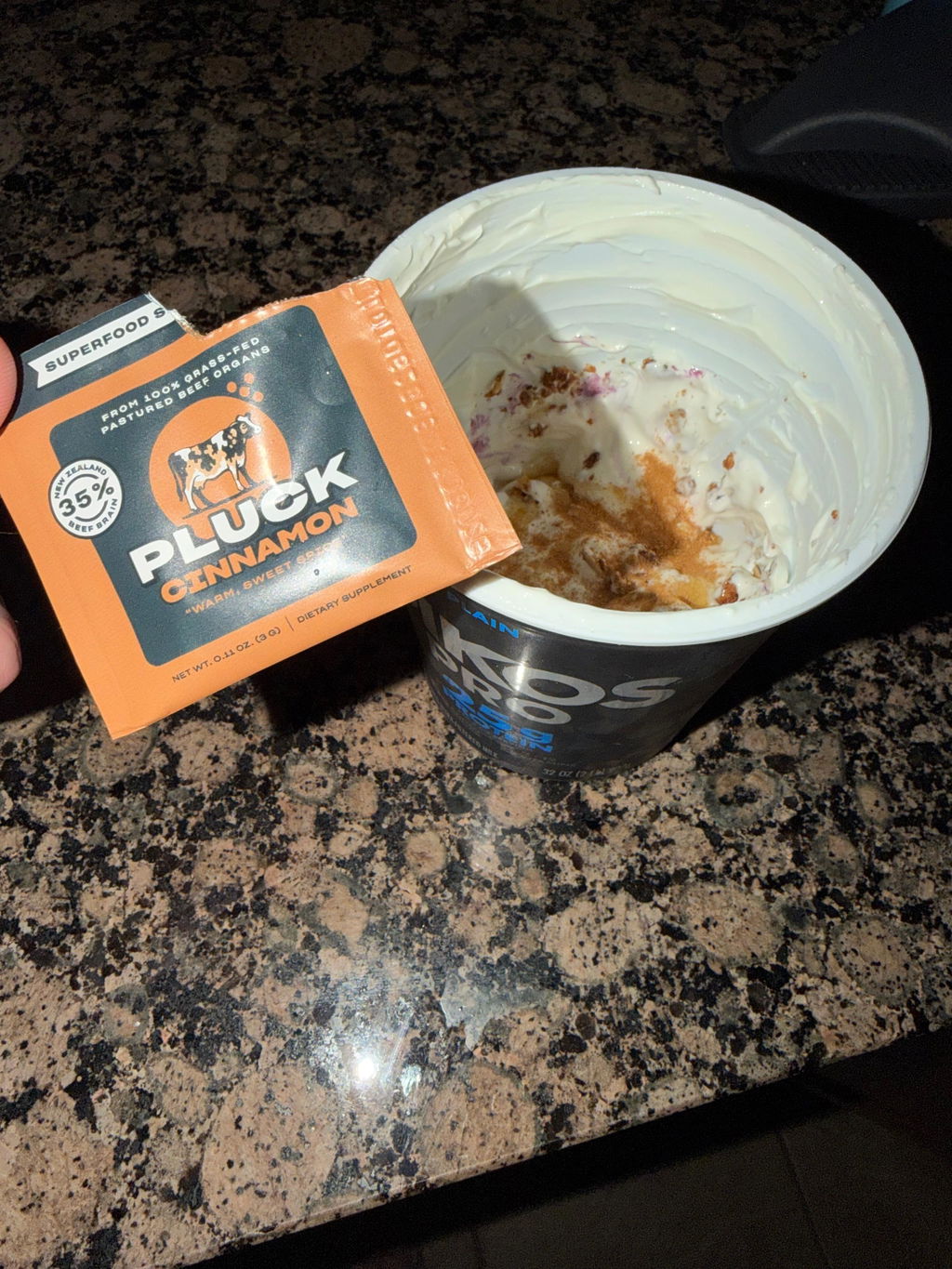
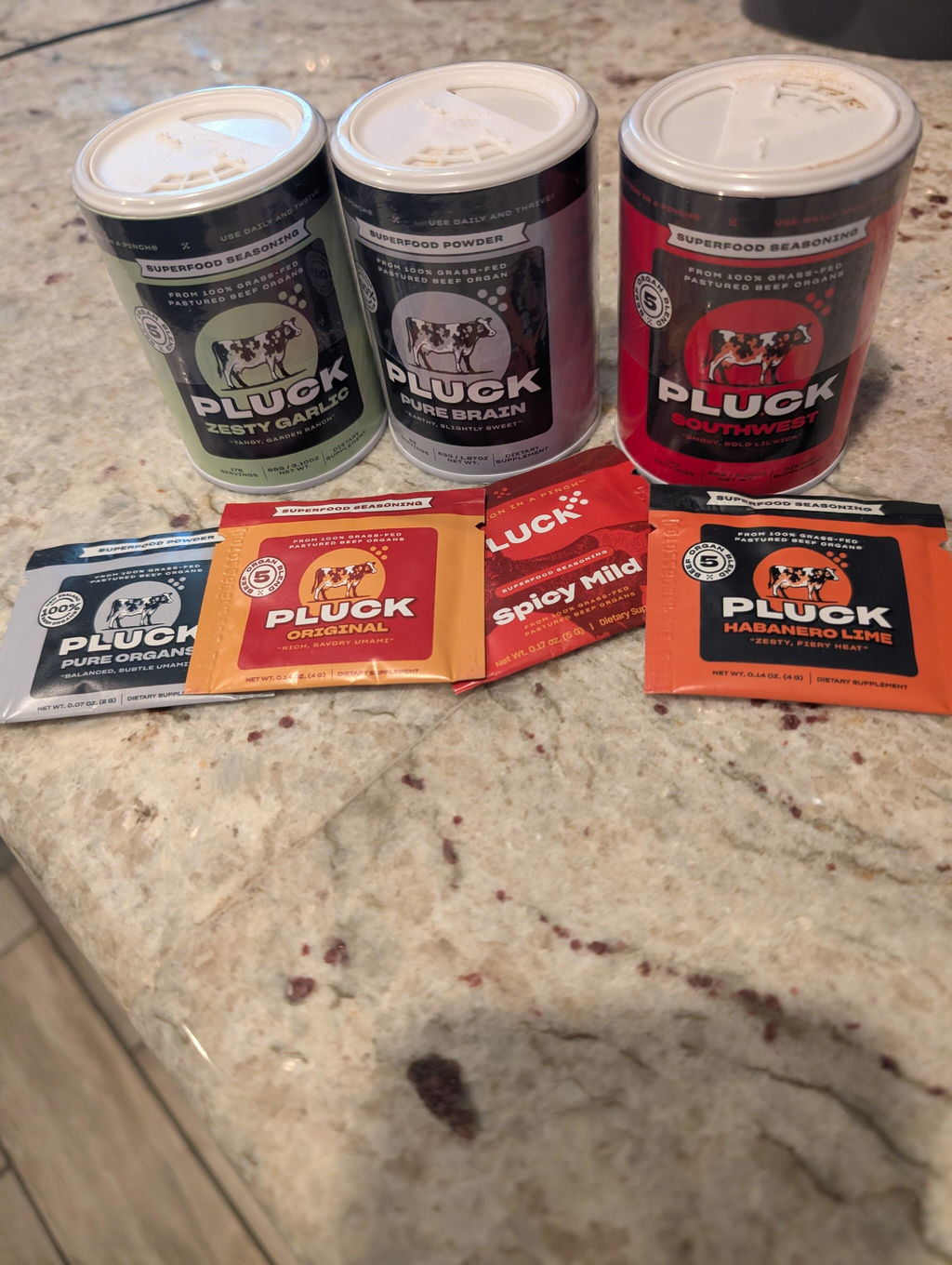
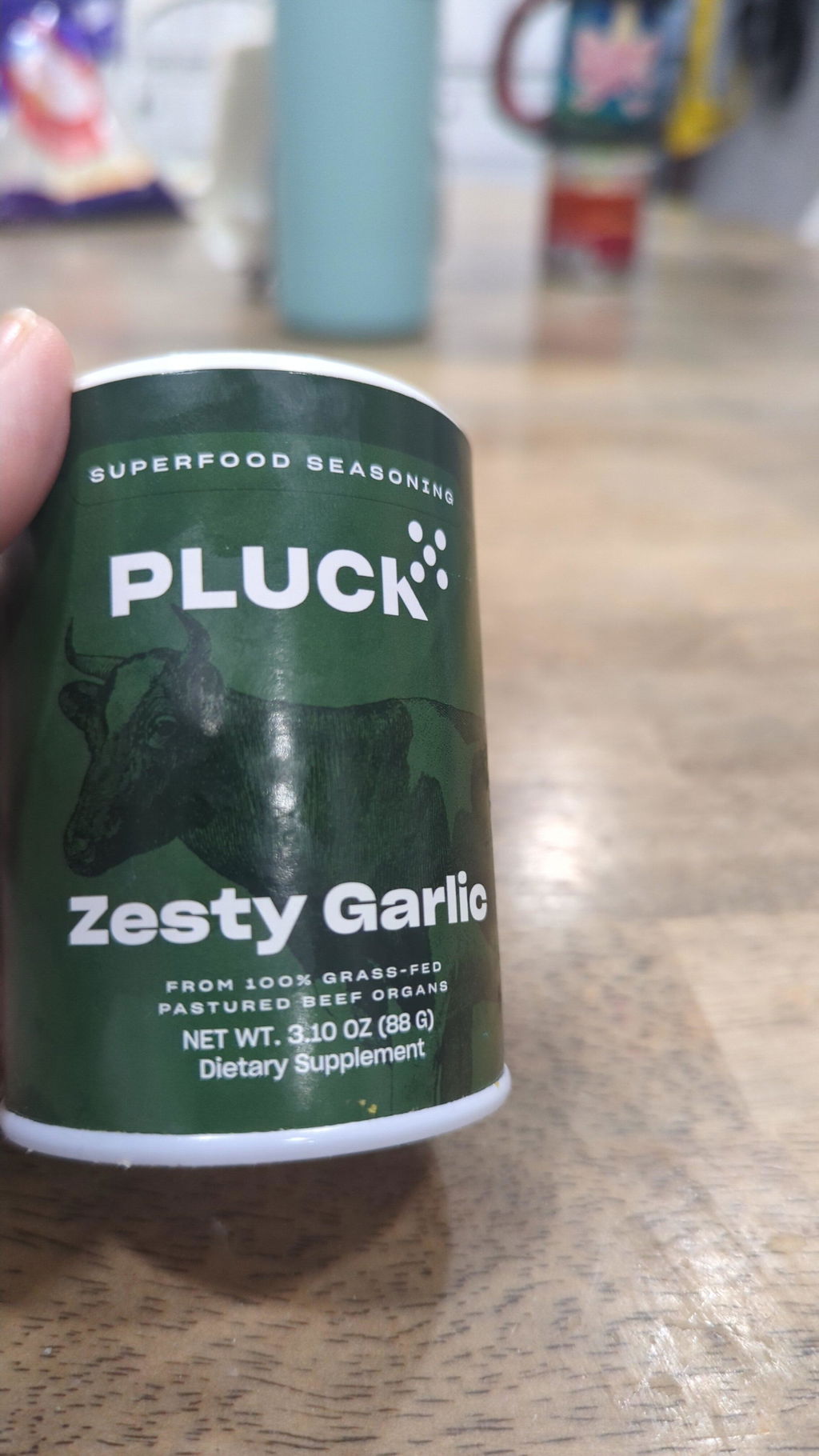
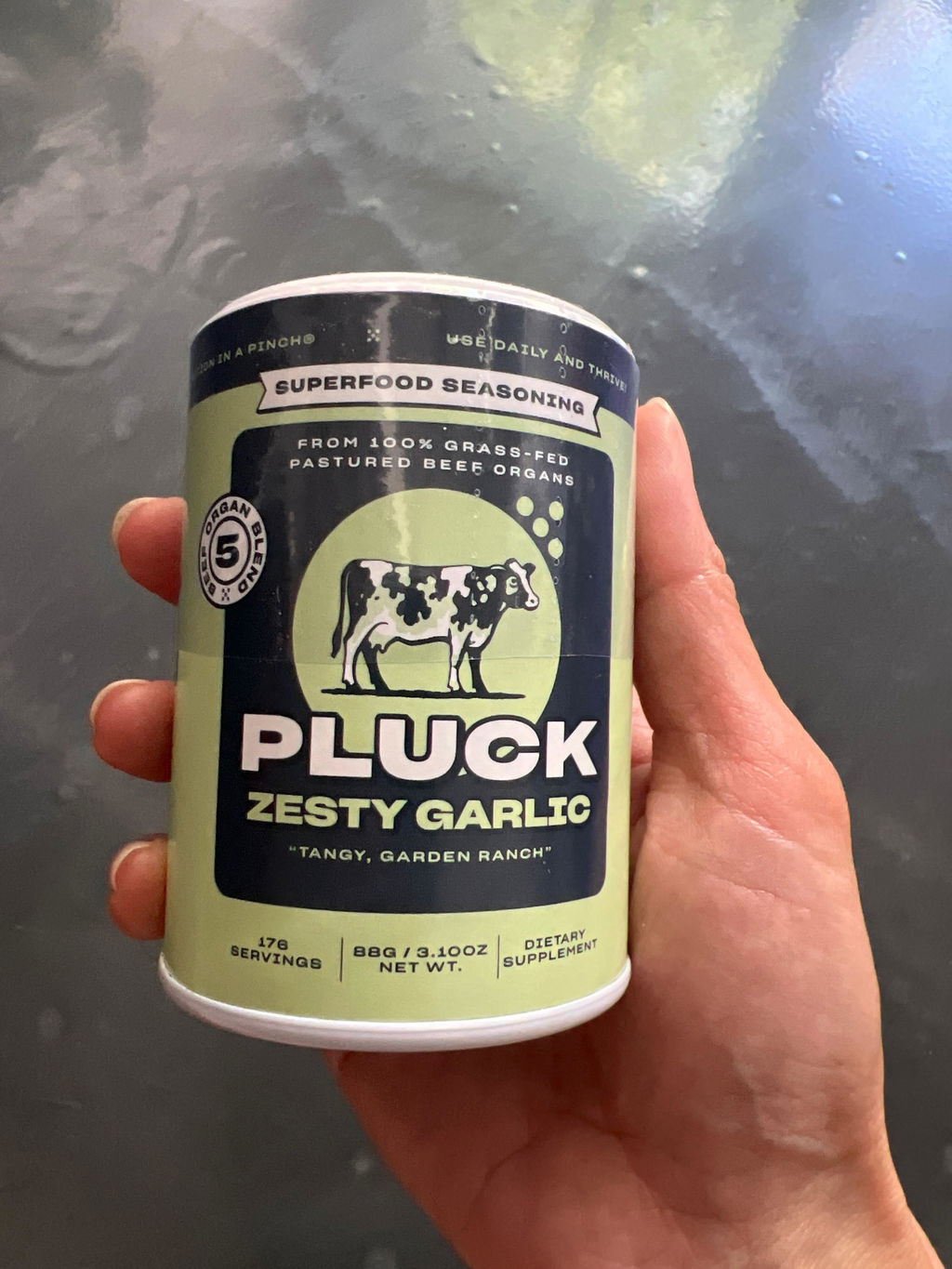
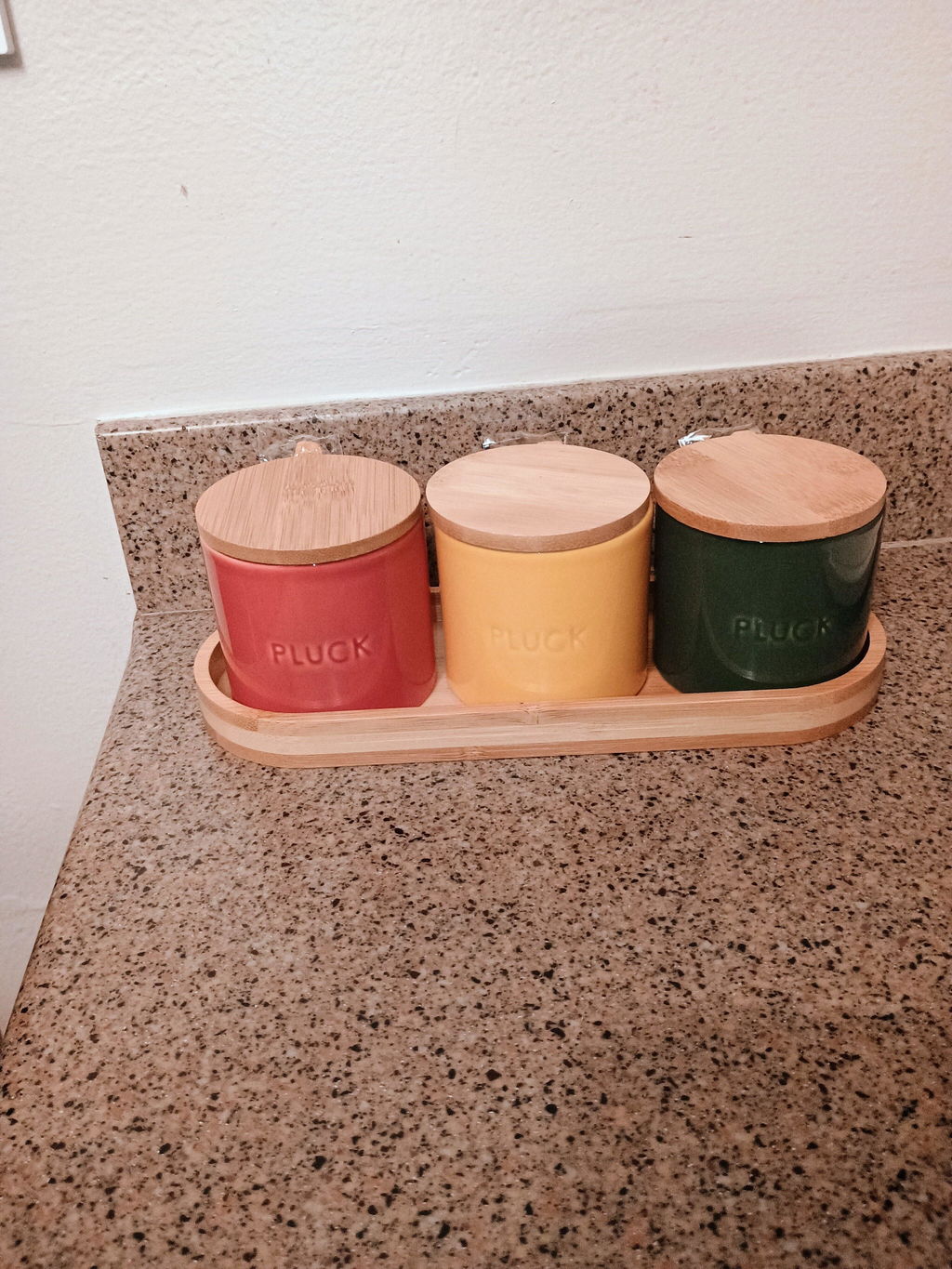
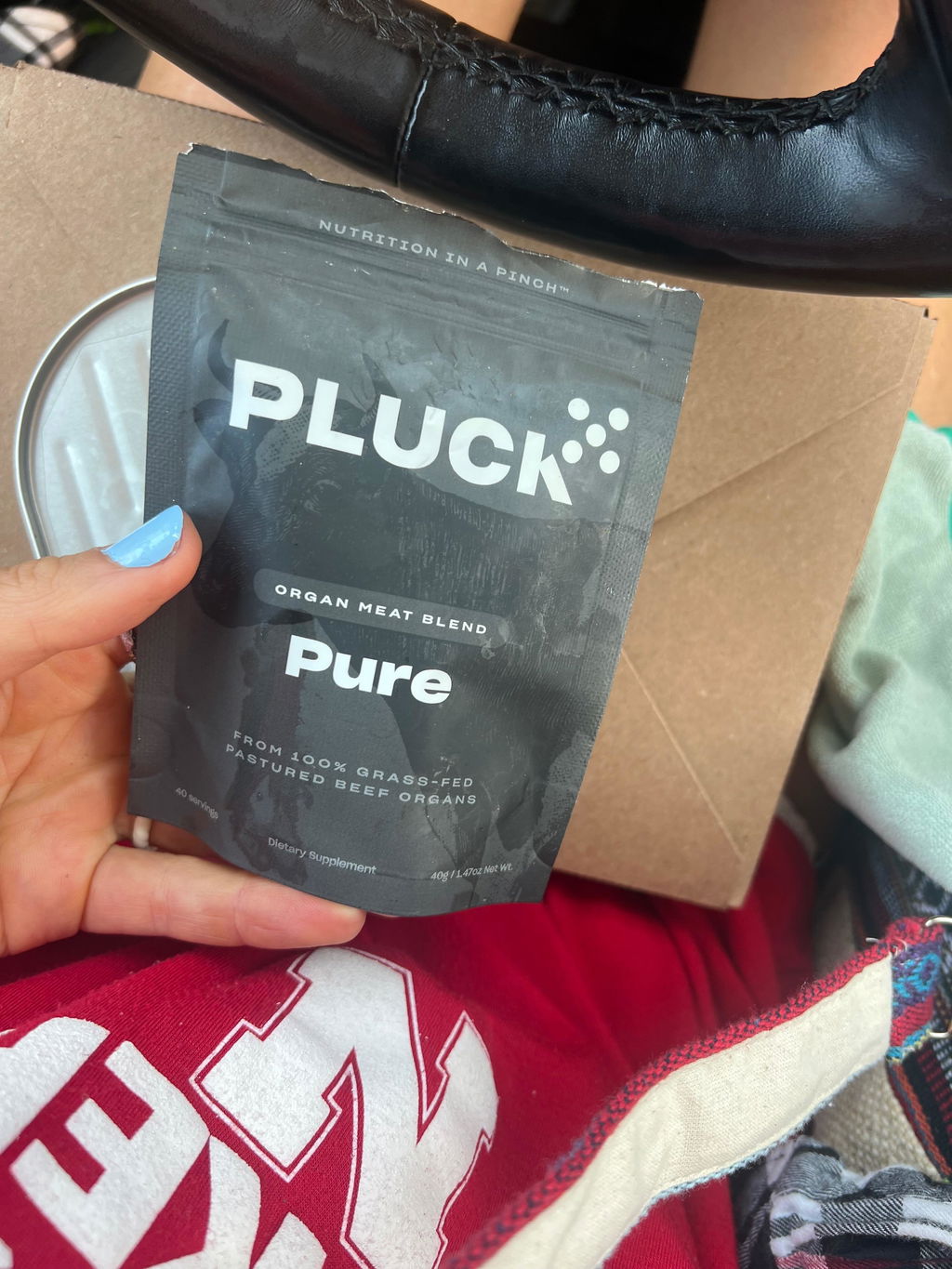
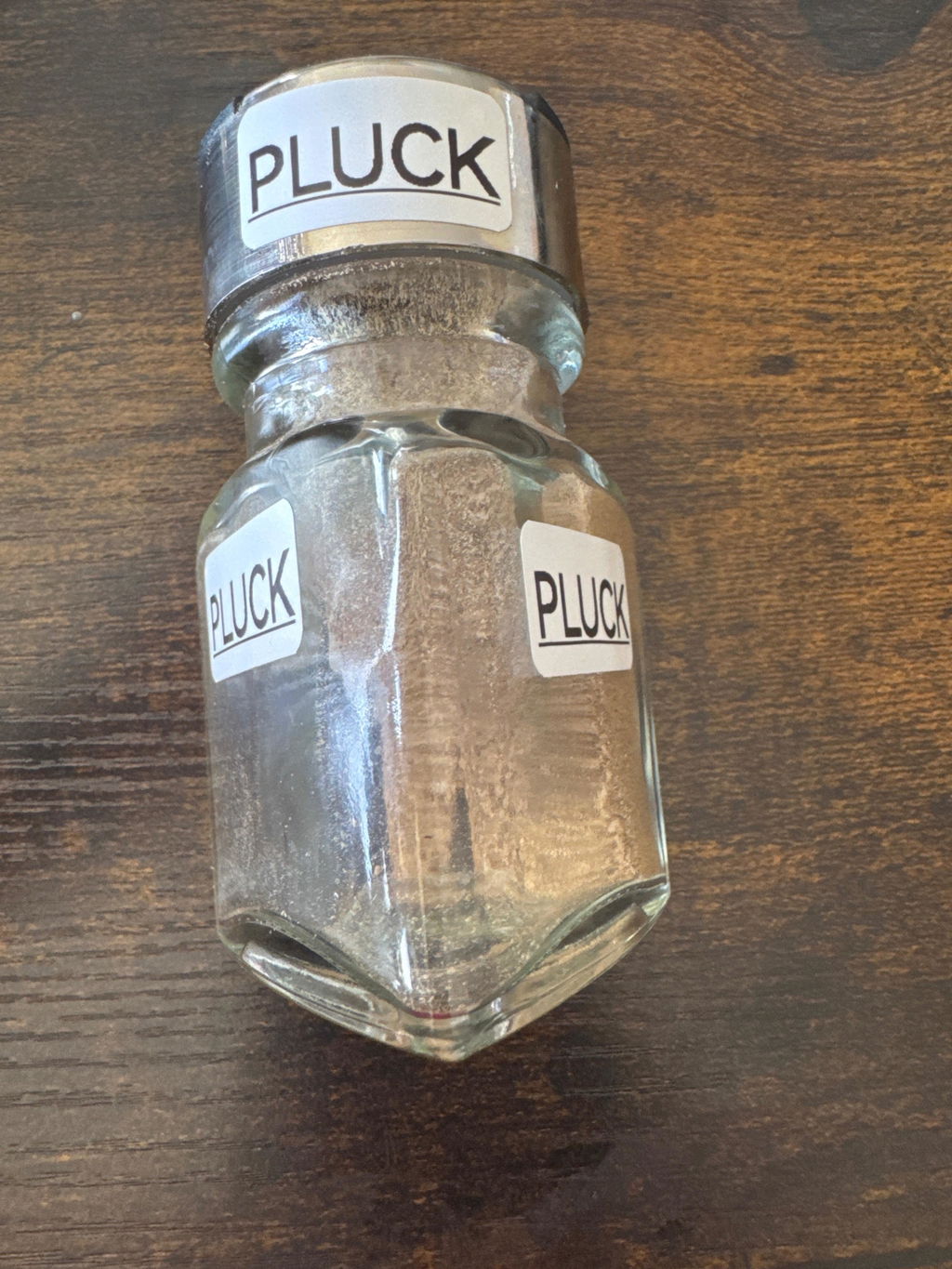
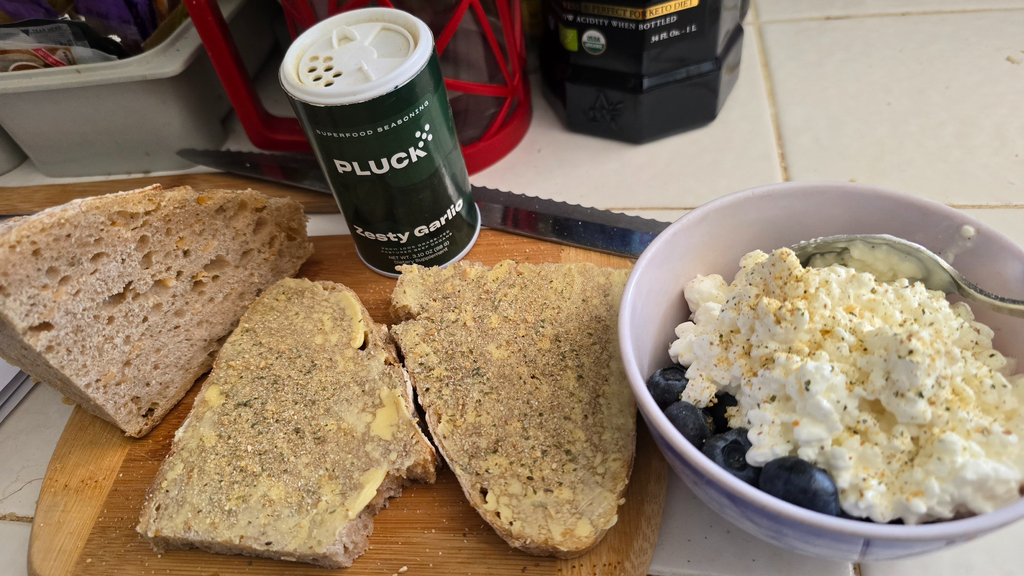
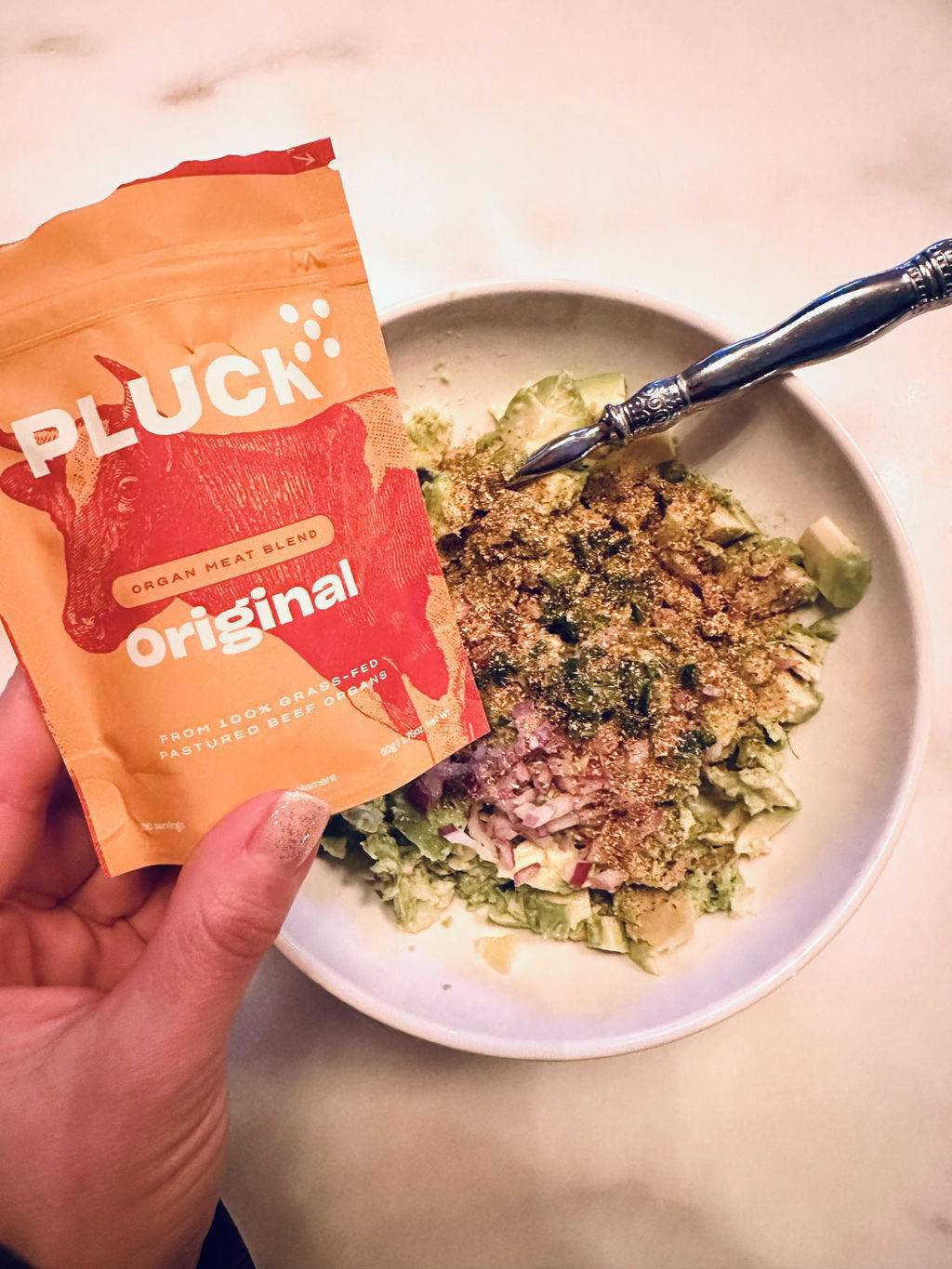
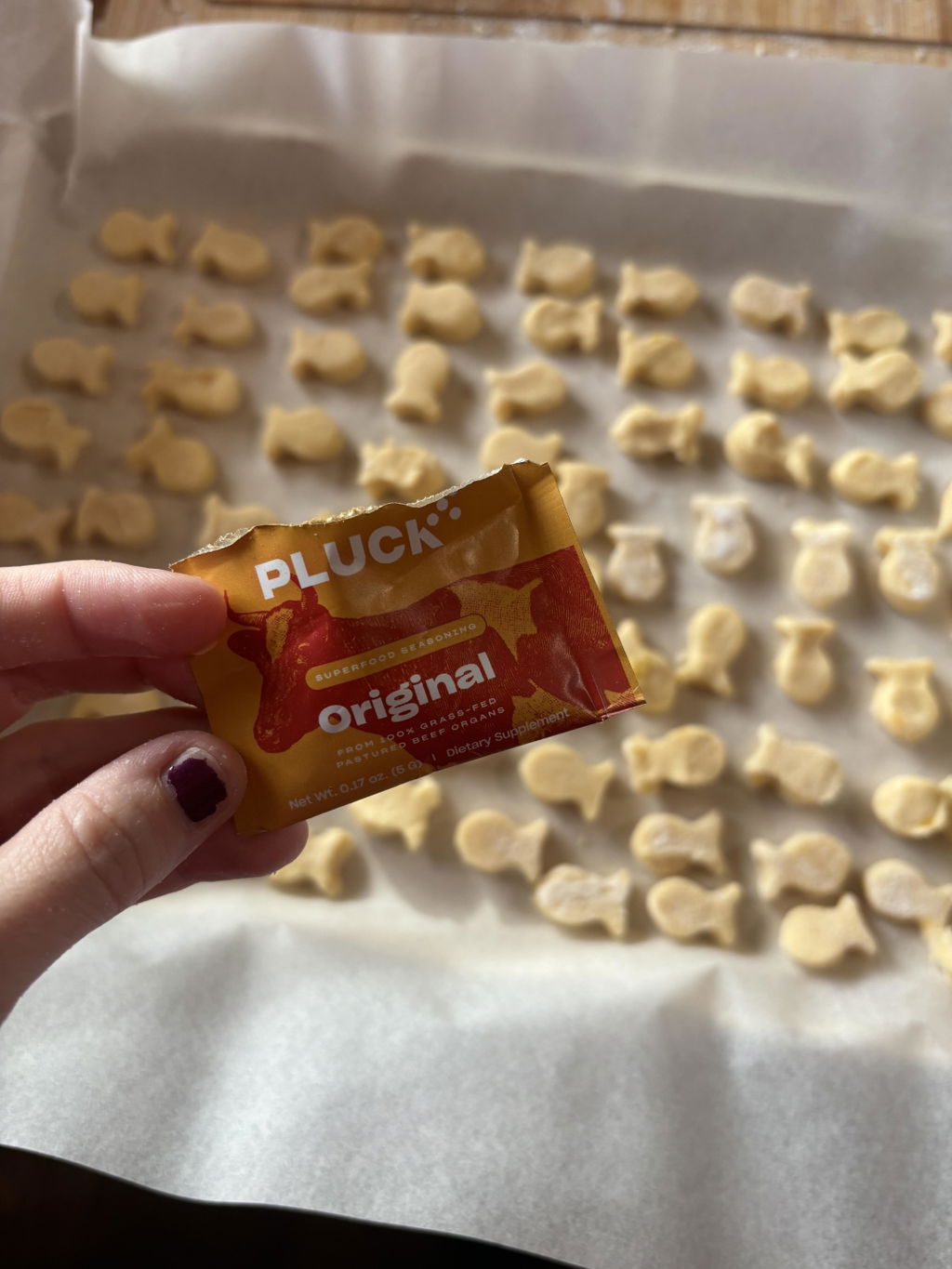
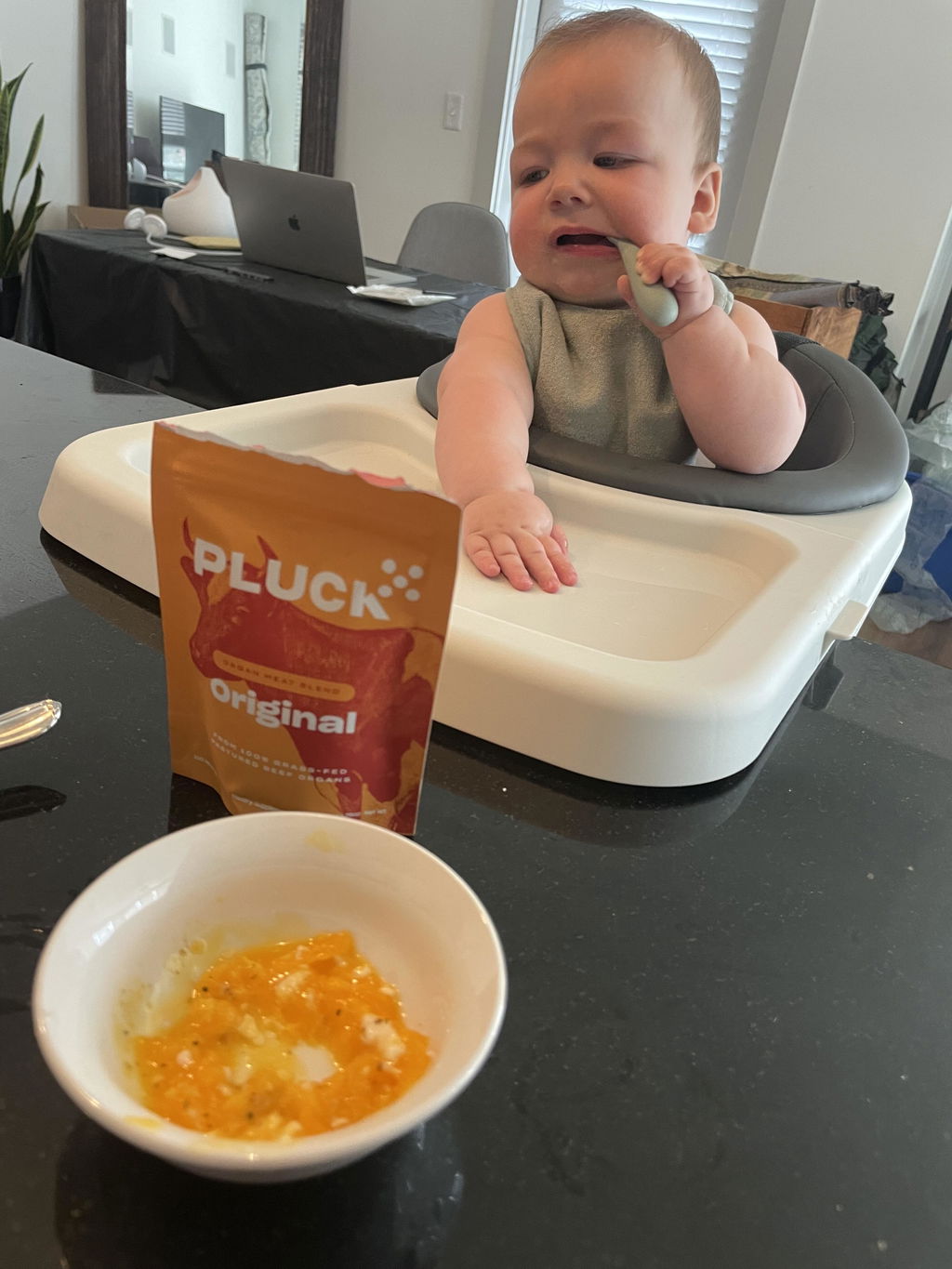
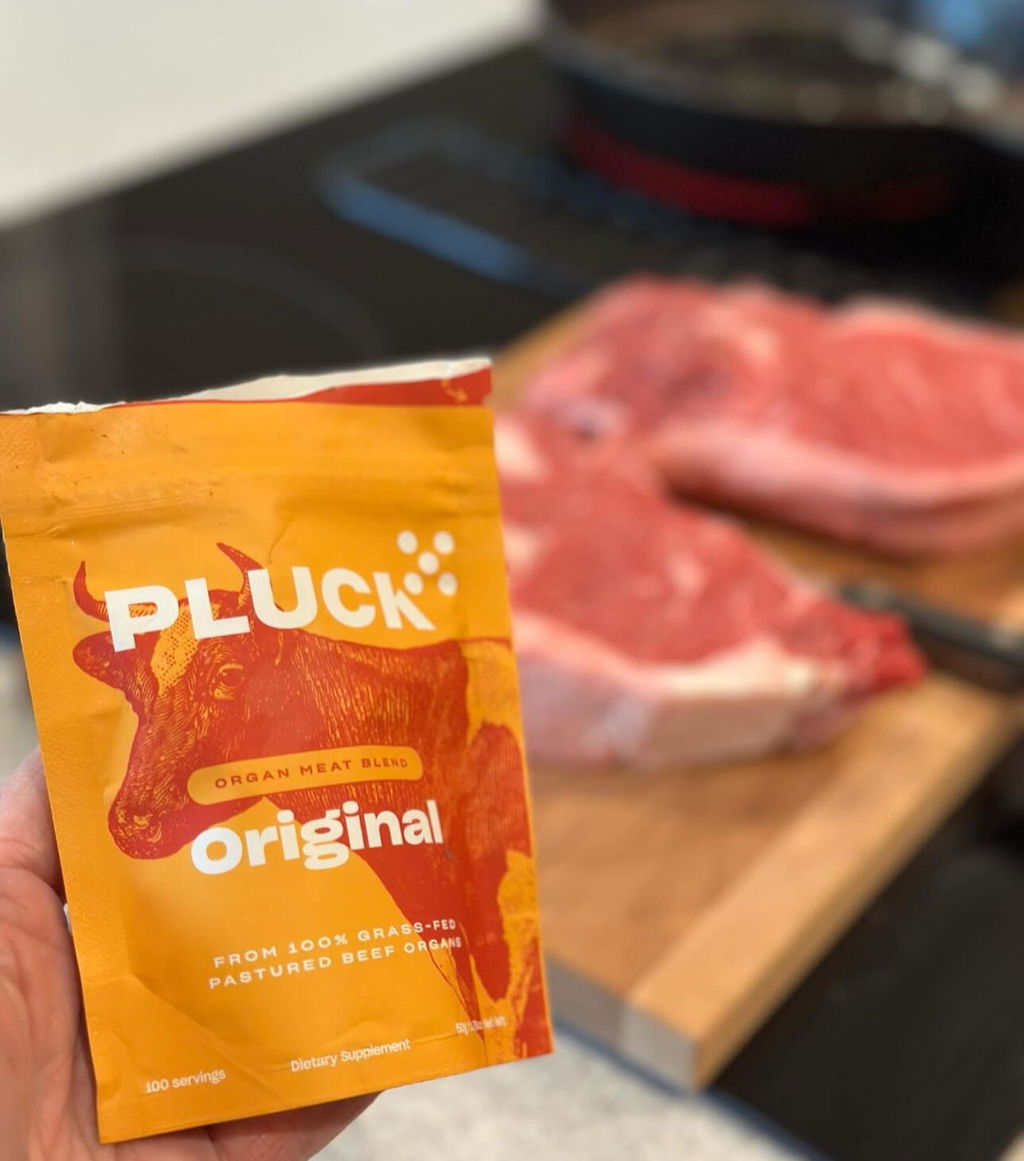
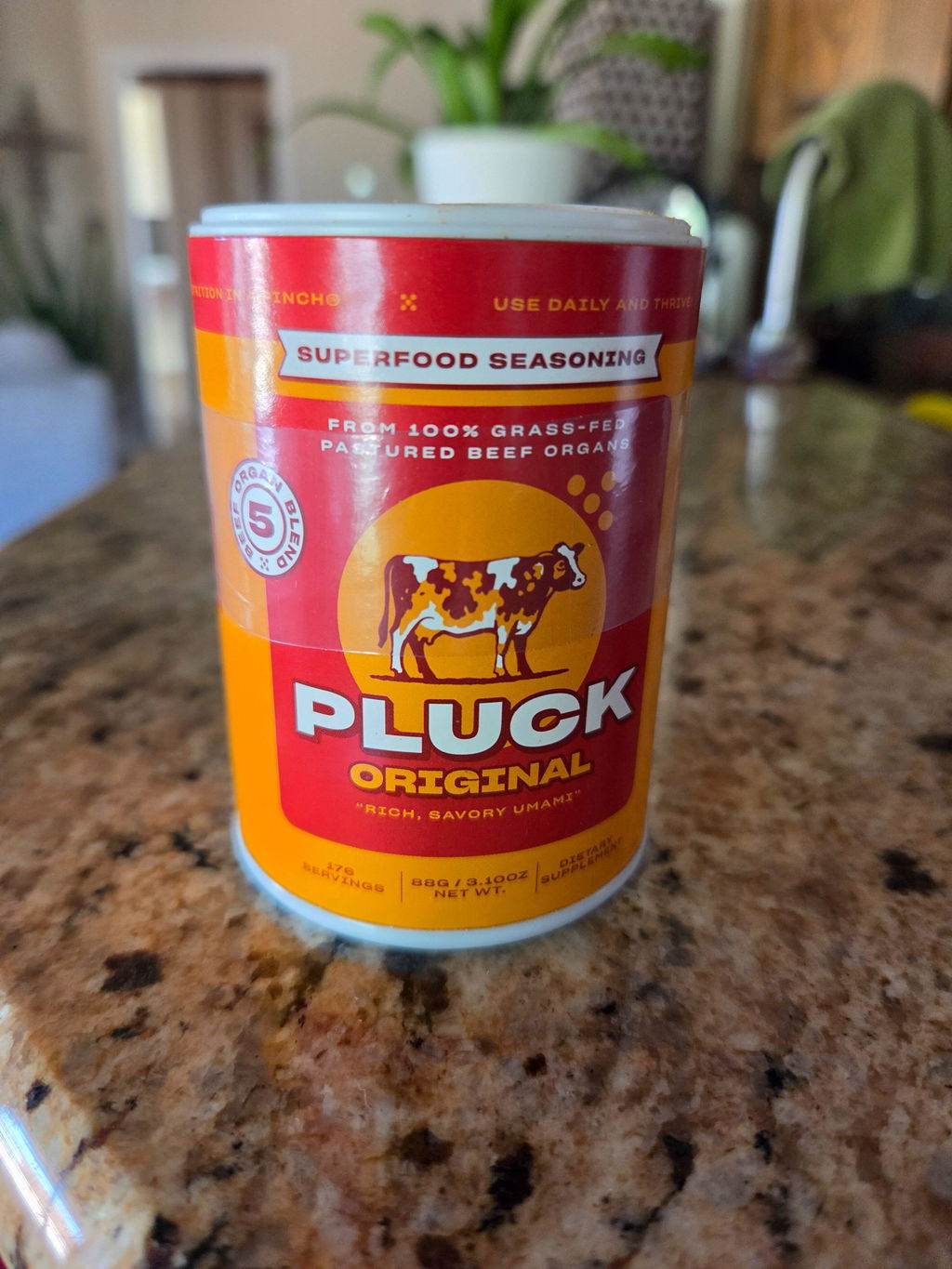
Seasonings crafted from freeze-dried organ meats, like Pluck, enable people to access the benefits of nutrients like ubiquinol in a simple and approachable way. Sprinkled onto meals, these seasonings deliver the complexity of organ meat nutrition without requiring specialized preparation.
Ultimately, sourcing ubiquinol through food is about much more than energy production. It is about reconnecting with the nutrient-dense foods that supported human health for generations. Organ meats and seafood remain unparalleled in their ability to provide this vital compound, and with tools like freeze-dried organ meat seasonings, incorporating them into modern life has never been easier.[13]
Citations:
-
Mantle, David, et al. “The Ubiquinone-Ubiquinol Redox Cycle and Its Clinical Implications for Coenzyme Q10 Supplementation.” Antioxidants, vol. 13, no. 3, 2024, doi:10.3390/antiox13030512. PMC
-
Aaseth, Jan, et al. “Coenzyme Q10 Supplementation – In Ageing and Disease.” Environmental Research, vol. 198, 2021, doi:10.1016/j.envres.2021.110408. sciencedirect.com
-
Suzuki, Toshikazu. “Effect of a Two-Week Diet without Meat and Poultry on Serum Coenzyme Q₁₀ Levels.” Dietetics, vol. 3, no. 3, 2024, pp. 227-234, doi:10.3390/dietetics3030018. MDPI
-
Latoch, A., et al. “Edible Offal as a Valuable Source of Nutrients in the Diet—Nutrient Content of Selected South African Lamb and Mutton Organ Meats (Offal).” Nutrients, vol. 16, no. 11, 2024, doi:10.3390/nu1611171609. MDPI
-
Hargreaves, I., et al. “Disorders of Human Coenzyme Q10 Metabolism.” International Journal of Molecular Sciences, vol. 21, no. 18, 2020, doi:10.3390/ijms21186695. mdpi.com
-
Ercan, Pınar, and Sedef Nehir El. “Changes in content of coenzyme Q10 in beef muscle, beef liver and beef heart with cooking and in vitro digestion.” Journal of Food Composition and Analysis, vol. 24, no. 8, 2011, pp. 1207-1213, doi:10.1016/j.jfca.2011.05.002. ResearchGate
-
Podar, A. S., et al. “An Overview of Analytical Methods for Quantitative Determination of Coenzyme Q10 in Foods.” Foods, vol. 12, no. 16, 2023, doi:10.3390/foods12163123. pmc.ncbi.nlm.nih.gov
-
Cucinotta, Francesca, et al. “Efficacy and Safety of Q10 Ubiquinol With Vitamins B and E in Neurodevelopmental Disorders: A Retrospective Chart Review.” Frontiers in Psychiatry, vol. 13, 2022, doi:10.3389/fpsyt.2022.829516. frontiers
-
Santos, H.O., C. Tapia-Blácido, R.G. Cobre, et al. “Eating more sardines instead of fish oil supplementation,” Nutrients, vol. 15, no. 8, 2023, doi:10.3390/nu15081687. PMC
-
Zhang, R., Yin, J., Hu, Y., et al. “Higher consumption of animal organ meat is associated with better nutrient intake profiles,” Frontiers in Nutrition, vol. 9, 2022, doi:10.3389/fnut.2022.10598295. PMC
-
Latoch, A., et al. “Edible Offal as a Valuable Source of Nutrients in the Diet—Nutrient Content of Selected South African Lamb and Mutton Organ Meats (Offal).” Nutrients, vol. 16, no. 11, 2024, doi:10.3390/nu1611171609. PMC
-
Zhang, R., et al. “Higher Consumption of Animal Organ Meat Is Associated with a Lower Prevalence of NASH in Chinese Individuals with Biopsy-Proven NAFLD.” Hepatobiliary Surgery and Nutrition, vol. 11, no. 6, 2022, pp. 799-807, doi:10.21037/hbsn-21-468. hbsn.amegroups.org
-
Juknienė, I., et al. “Effect of Lyophilization Process on Nutritional Value of Bovine and Porcine Meat By-Products.” Applied Sciences, vol. 12, no. 24, 2022, doi:10.3390/app122412984.



Leave a comment
All comments are moderated before being published.
This site is protected by hCaptcha and the hCaptcha Privacy Policy and Terms of Service apply.