


 Large Bag
 Travel Pack

Brain fog, depression, and anxiety often feel like separate problems, yet they frequently share one biological thread, persistent inflammation within the brain and the body. When immune signals run high, neurons fire less efficiently, synapses remodel poorly, and circuits involved in mood and attention drift out of balance. Over the past few years, researchers have elucidated the mechanisms by which inflammatory cytokines alter neurotransmission, impair neuroplasticity, and predict poorer outcomes in mood disorders. A growing body of human and animal data links inflammatory markers to symptoms, showing that reducing inflammation can improve cognition and emotional regulation.
This topic is more than an academic discussion; it explains why so many people describe a bundled set of symptoms. A heavy head, word searching, scattered focus, low motivation, and a shorter emotional fuse tend to travel together when the brain’s immune and metabolic systems are strained. Lifestyle choices, sleep quality, metabolic health, and diet can either promote brain repair or exacerbate irritation, which in turn affects the rate of symptom improvement. The encouraging news is that several levers exist to lower neuroinflammation, rebuild energy metabolism, and restore clear thinking. Nutrient-dense foods, especially organ meats, can supply the raw materials the brain needs for repair while you work on improving sleep, blood sugar control, and stress management.[1][2]
Neuroinflammation 101: Why Your Brain Feels Foggy When Your Immune System Is Loud
Neuroinflammation means the brain and spinal cord’s immune system is switched on. Microglia and astrocytes release cytokines, and when that response runs hot, it can change how neural networks talk to each other. In people living with depression or anxiety, studies often find higher inflammatory signals, signs of overactive microglia, and circuit changes in regions that steer mood and executive function.
Inflammation can interfere with monoamine signaling, reduce neurogenesis, and increase oxidative stress in regions crucial for mood and attention, such as the prefrontal cortex and hippocampus. The longer these signals stay high, the more likely circuits are to settle into states that feel like low mood, agitation, and poor concentration.
Researchers now describe a two-way loop between mood symptoms and inflammation. Chronic stress and fragmented sleep amplify inflammatory tone, which further erodes mood and cognition, creating a self-perpetuating cycle that can be difficult to break without nutrition and lifestyle changes. Clinical papers increasingly discuss inflammatory subtypes of depression and anxiety and propose targeted strategies that include anti-inflammatory nutrition patterns, sleep restoration, and metabolic support. This moves care beyond symptom suppression toward the upstream physiology that often drives the fog.[3][4][5]
The Brain’s Cleaning Crew: Sleep, The Glymphatic System, And Inflammation
Your brain relies on a fluid-exchange network called the glymphatic system to wash away metabolic waste, inflammatory mediators, and misfolded proteins. This system ramps up during sleep through pulsations of cerebrospinal fluid along perivascular spaces that help carry waste out of brain tissue. When glymphatic flow stalls, waste lingers in the brain and thinking gets muddy, recall slows. New research shows that noradrenergic rhythms and slow pulses in blood vessels during non-REM sleep help move this fluid along, which is why protecting your sleep window is one of the simplest ways to keep brain inflammation in check.[6]
Maintaining healthy sleep architecture is essential at any age. As people age, glymphatic function tends to decline, which can contribute to an increased inflammatory load if lifestyle remains unchanged. Consistent sleep timing, a cool, dark room, and morning light exposure support circadian alignment, which in turn facilitates glymphatic clearance at night. By treating high-quality sleep like a nightly brain rinse, you create conditions that make daytime nutrition and stress management more effective.[7]
Metabolic Health And Brain Energy: Why Mitochondria And Creatine Matter For Mood And Clarity
Brains are energy-hungry and metabolically sensitive. When inflammation teams up with insulin resistance, your mitochondria sputter, nerve signals slow down, and fatigue creeps in, the kind of haze many call brain fog. That is why more researchers are looking at food to steady brain energy, from lower carbohydrate eating to, in some cases, a carefully supervised ketogenic approach.. Reviews and early clinical studies report improvements in depressive symptoms, cognition, and inflammatory markers in some individuals with carbohydrate restriction. However, this approach should be individualized and medically supervised when necessary.[8]
Creatine deserves special attention because it acts as a buffer for cellular energy in neurons and glia. A 2024 systematic review and meta-analysis of randomized trials suggested benefits for several domains of cognition, and a 2024 narrative review summarized early clinical and mechanistic data, indicating that creatine can reduce depressive symptoms, particularly when used as an adjunct to standard therapy. New hypothesis-generating work in 2025 also reported that creatine added to psychotherapy improved outcomes in major depression. While larger trials are needed, these findings underscore a broader point: improving cellular energy metabolism often reduces the fog, low drive, and mental fatigue that people feel during chronic stress and inflammation.[9][10]
Nutrient Deficiencies And Mood: B-Vitamins, Iron, Zinc, Selenium, And Choline
Multiple observational and interventional studies have linked B-vitamin status to mood and cognition. Recent reviews from 2024 and 2025 trace how B12, folate, and B6 feed one carbon metabolism, shape homocysteine levels, and support neurotransmitter synthesis. They point to a clear takeaway, when these nutrients are low, outcomes are worse, and supplementation helps mainly in people who are truly deficient. Emerging trials in late-life depression report improved responses when B12 is part of a broader plan, though benefits in well-nourished populations are smaller. From a practical perspective, foods that concentrate these vitamins are strategic in a brain health plan.[11]
Iron status influences cognition, mood, and energy through roles in oxygen transport, mitochondrial enzymes, and dopamine synthesis. New analyses associate lower ferritin levels with poorer cognitive performance in adults, with signals evident even in older populations that often have multiple risk factors. Adolescent and young adult studies tell a similar story, linking low iron intake or stores to worse attention and academic measures that can masquerade as anxiety or low motivation. Clinically, assessing iron levels and addressing low ferritin with a balanced diet and, when indicated, targeted supplementation can help alleviate symptoms and stabilize mood in individuals with iron deficiency.[12]
Zinc regulates neuroimmune signaling and synaptic plasticity. A meta-analysis shows that zinc supplementation can lower depressive symptom scores, and newer data in adolescents demonstrate inverse correlations between zinc status and depression severity. Selenium participates in antioxidant defense via selenoproteins, and while serum associations with depression are inconsistent, dietary intake shows protective links in specific groups such as postpartum women, and a 2025 analysis connected higher selenium intake with lower depression odds in people with and without stroke. These minerals interact with inflammation, oxidative stress, and neurotransmission in ways that impact day-to-day cognition and emotional stability.[13]
Choline is a precursor for acetylcholine and a key component of phospholipids that make up neuronal membranes. A 2025 analysis in a large cohort associated moderate dietary choline intake, roughly the mid-300 milligrams per day range, with lower odds of dementia and better cognitive performance. In parallel, a 2025 study in The Journal of Nutrition linked weekly egg intake with a reduced risk of Alzheimer’s dementia and less accumulation of hallmark proteins on autopsy. This signal likely relates in part to egg-derived choline. Individuals who fall short on choline often report fatigue and struggles with concentration, and increasing intake through food sources can be a practical step toward improved brain performance.[14]
Vitamin A, Cholesterol, And The Brain’s Structure: Why Fat-Soluble Nutrients Still Matter
Vitamin A and its active metabolite, retinoic acid, influence neuronal differentiation, synaptic plasticity, and circadian biology. Recent work highlights how retinoic acid signaling modulates activity in the adult hippocampus and shapes homeostatic plasticity at synapses. Population- and disease-focused reviews suggest that dysregulated retinoid pathways are involved in neurological disorders, lending support to the notion that adequate vitamin A intake from food is essential for brain function. Because both deficiency and excess carry risks, whole-food sources and prudent portion sizes are important when incorporating vitamin A-rich foods.[15]
Cholesterol is not merely a cardiovascular issue; it is also a structural component of the brain. The central nervous system contains a large portion of the body’s cholesterol because myelin and neuronal membranes rely on it for integrity and signaling. Contemporary reviews emphasize how the brain synthesizes and recycles its own cholesterol behind the blood-brain barrier, how dysregulation impairs remyelination, and how the lipid composition of myelin changes in neurodegenerative states. A diet that supports metabolic health and provides essential nutrients gives the brain what it needs to maintain and repair myelin over time.[16]
Why Organ Meats Are A Strategic Brain-Health Food
Organ meats, often called offal, are among the most concentrated sources of B12, folate, choline, iron, zinc, selenium, and fat-soluble vitamins. A 2024 review described offal as rich in bioavailable nutrient complexes, including folate, choline, and B12, at levels that are difficult to match with other foods. A 2024 nutrient analysis of common U.S. beef offal quantified impressive B-vitamin content, including B12 levels that can provide most or all of the daily value in typical servings. For people dealing with fog, low mood, and anxiety, these nutrients participate directly in neurotransmitter production, methylation, antioxidant defense, and membrane structure.[17]
Quality and portion size matter for safety and for results. Some people need tailored guidance. For instance, individuals managing gout should monitor their purine intake, and everyone should be aware of vitamin A limits, as liver is rich in retinol. Choose organs from healthy, well-raised animals, rotate the types you eat to broaden your nutrient mix, and keep portions modest. For most people, a few ounces of liver once or twice a week, plus occasional heart, kidney, or spleen, works well, especially when paired with other proteins and eggs for extra choline.[18]
Connecting Diet To Symptoms: From Inflammation To Daily Clarity
A practical way to think about daily choices is through the lens of inflammatory load and brain energy. Meals that stabilize blood sugar, deliver complete proteins, and supply micronutrients lower the need for constant stress signaling and improve mitochondrial function. Evidence suggests that lower-carbohydrate patterns and therapeutic ketogenic strategies can reduce neuroinflammatory signaling and improve mood or energy for some people, particularly when metabolic dysfunction is present. What is required for everyone is enough protein and micronutrients to rebuild neurotransmitters, antioxidant systems, and membranes.[19]
For many clients, a simple template works well. Anchor each meal with animal protein, add a source of beneficial fats, include mineral-rich foods like eggs and small portions of organ meats, and emphasize sleep hygiene and daylight exposure to enhance circadian alignment and glymphatic clearance. People who have been relying on caffeine and sugar often experience a steadier mood and clearer focus within weeks when their protein, mineral, and choline intake increases and sleep improves. The goal is not a short cleanse, it is a daily environment where the brain gets what it needs to repair while inflammatory signals quiet down.[20]
Safety, Portions, And Practical Ways To Use Organ Meats
Start small and be consistent. Many people enjoy one to three ounces of cooked liver once or twice weekly, plus occasional heart, kidney, or spleen. Grind heart into ground beef for burgers or meatballs, stir finely minced liver into chili, or blend cooked liver with herbs to make a pâté. Individuals with unique medical histories, such as gout, hemochromatosis, or a history of vitamin A excess, should seek personalized guidance and utilize laboratory testing to establish sensible limits. A balanced variety prevents both deficiency and excess, making the habit easy to maintain.[21]
Sourcing makes a difference for confidence and taste. Choose pasture-raised or grass-finished meats whenever possible, handle organs fresh or frozen with careful preparation, and rotate types to diversify your nutrient intake. Pair organ dishes with eggs for choline and with gelatin-rich broths to support connective tissues. Keep refined sugars low to limit inflammatory swings that contribute to brain fog. If cooking organs sounds intimidating, start with milder options like heart, which tastes similar to steak, then fold small amounts of liver into familiar recipes.[22]
Do Not Forget The Non-Food Levers: Sleep, Movement, And Testing
Sleep is the nightly reset for the brain’s cleaning system. Protecting deep sleep supports glymphatic clearance, which reduces the inflammatory load and preserves memory. Recent work shows that slow vasomotion during sleep is one of the mechanisms that facilitates fluid and solute movement. Regular movement improves vascular pulsatility and metabolic flexibility, both of which serve glymphatic flow and brain energy. For people with stubborn fog, mood symptoms, or anxiety, a laboratory workup that includes iron studies, B12 and folate, homocysteine, thyroid function, and inflammatory markers helps target interventions more precisely.[23]
Diet is a cornerstone, yet it works best when aligned with these lifestyle inputs and with appropriate clinical care for moderate to severe symptoms. Some individuals may benefit from structured lower-carb or ketogenic phases, particularly when insulin resistance or metabolic syndrome are present. Others will do well by focusing on steady protein, adequate minerals, diverse micronutrients, daylight, and sleep, and small but consistent servings of organ meats. The common thread is to remove inflammatory drivers while giving the brain what it needs to repair.[24]
Where The Evidence Is Heading And How To Apply It Now
Neuroinflammation and mood are closely linked, and the science is advancing toward a better understanding of inflammatory subtypes and personalized nutrition strategies. Findings on the glymphatic system highlight sleep as a biological mechanism for cleansing the brain, while metabolic interventions that increase cellular energy show promise for improving depressive symptoms. At the same time, the fundamentals remain essential: delivering enough protein, restoring missing micronutrients, and protecting circadian rhythms. People often experience measurable improvements in focus, steadiness, and drive when they consume more nutrient-dense animal foods and prioritize adequate sleep.[25]
Organ meats earn their reputation because they efficiently supply the nutrients that modern diets often lack, which the brain uses to produce neurotransmitters, defend against oxidative stress, and maintain membrane structure. Rather than chasing multiple separate supplements, a food-first approach can rebuild several pathways simultaneously and lay a foundation where targeted supplements, if needed, can work more effectively. That foundation is the context in which brains heal best and clarity returns every day.[26]
Closing The Gap With Convenience: A Note On Pluck
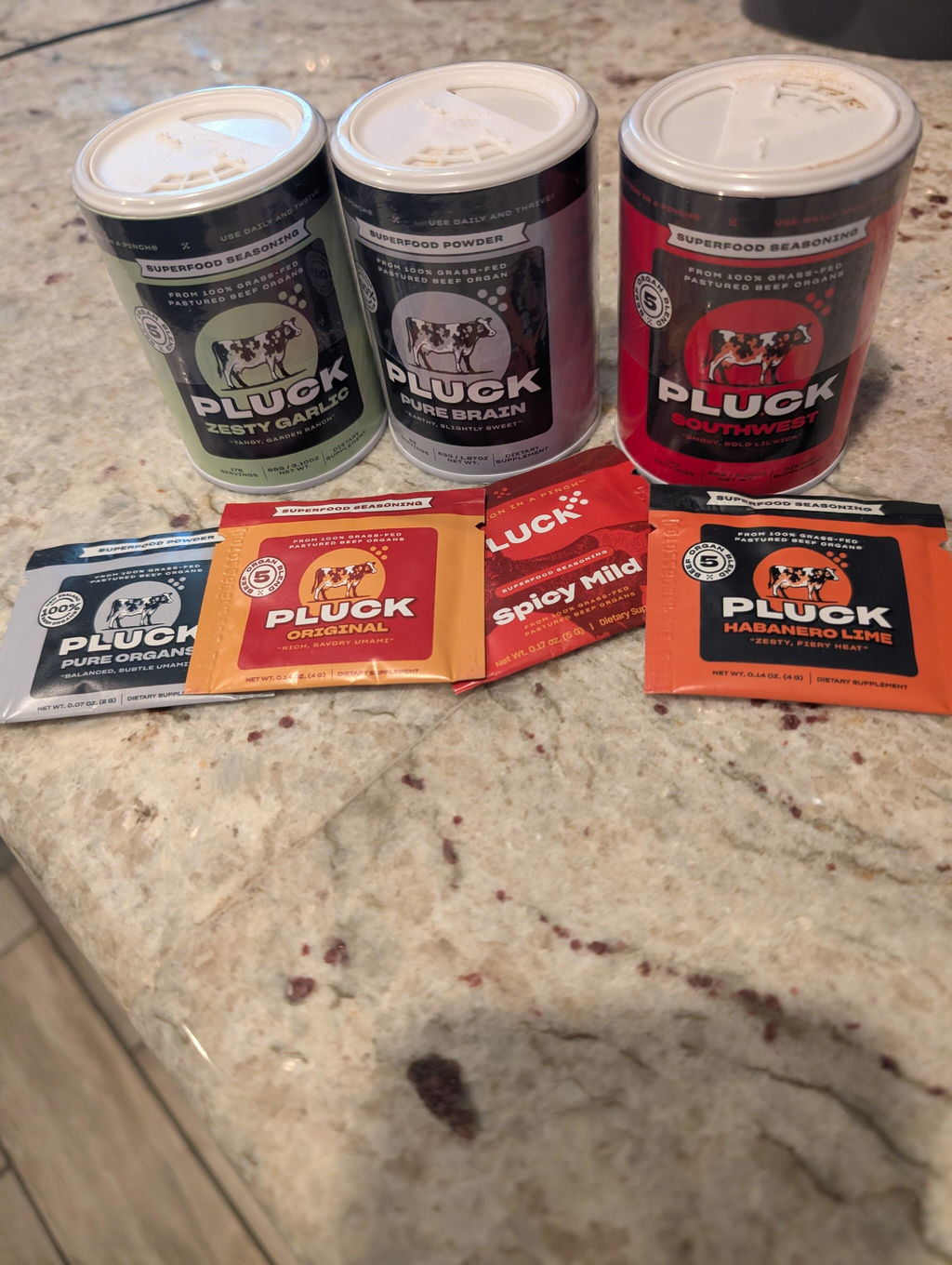
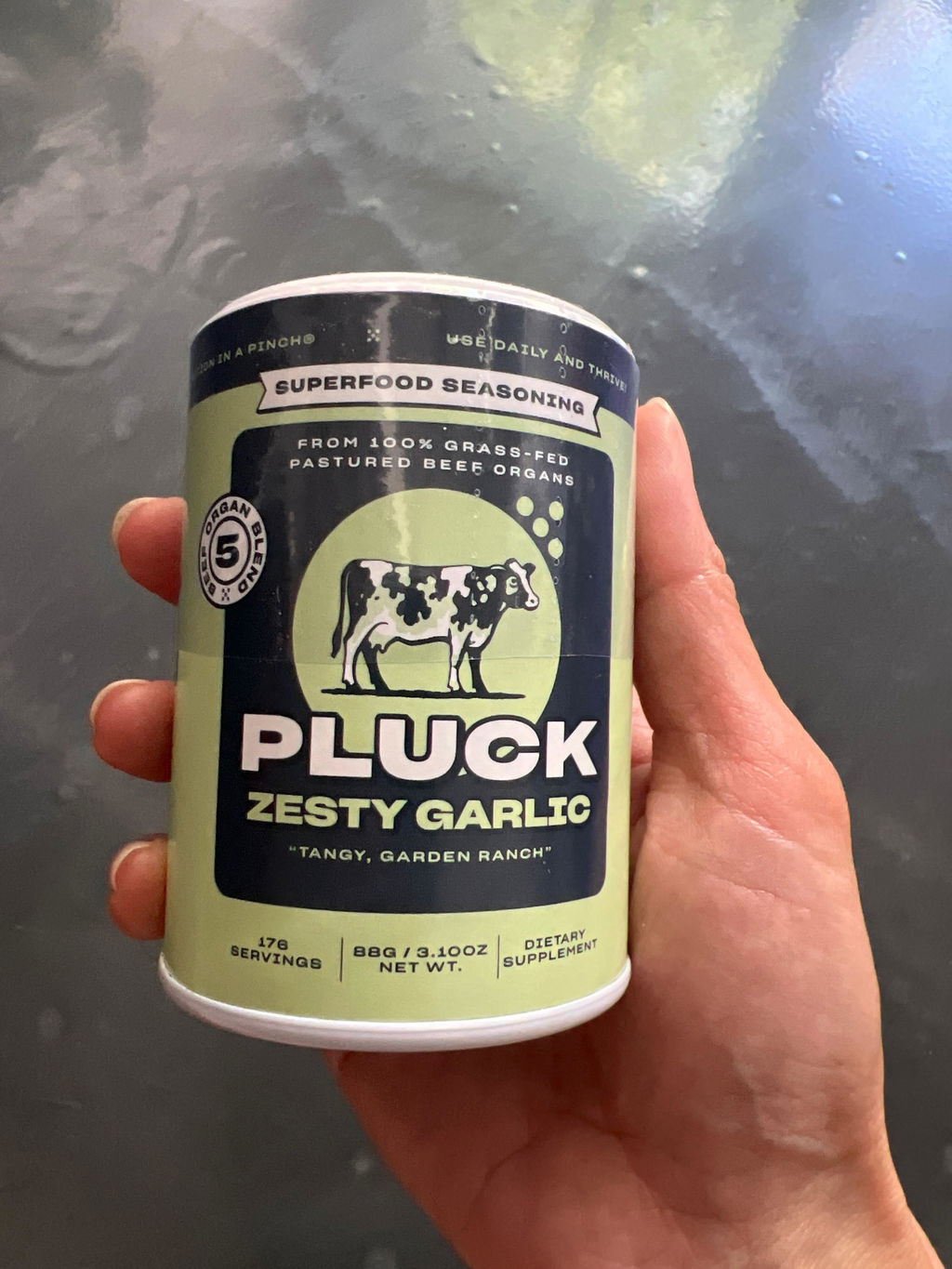
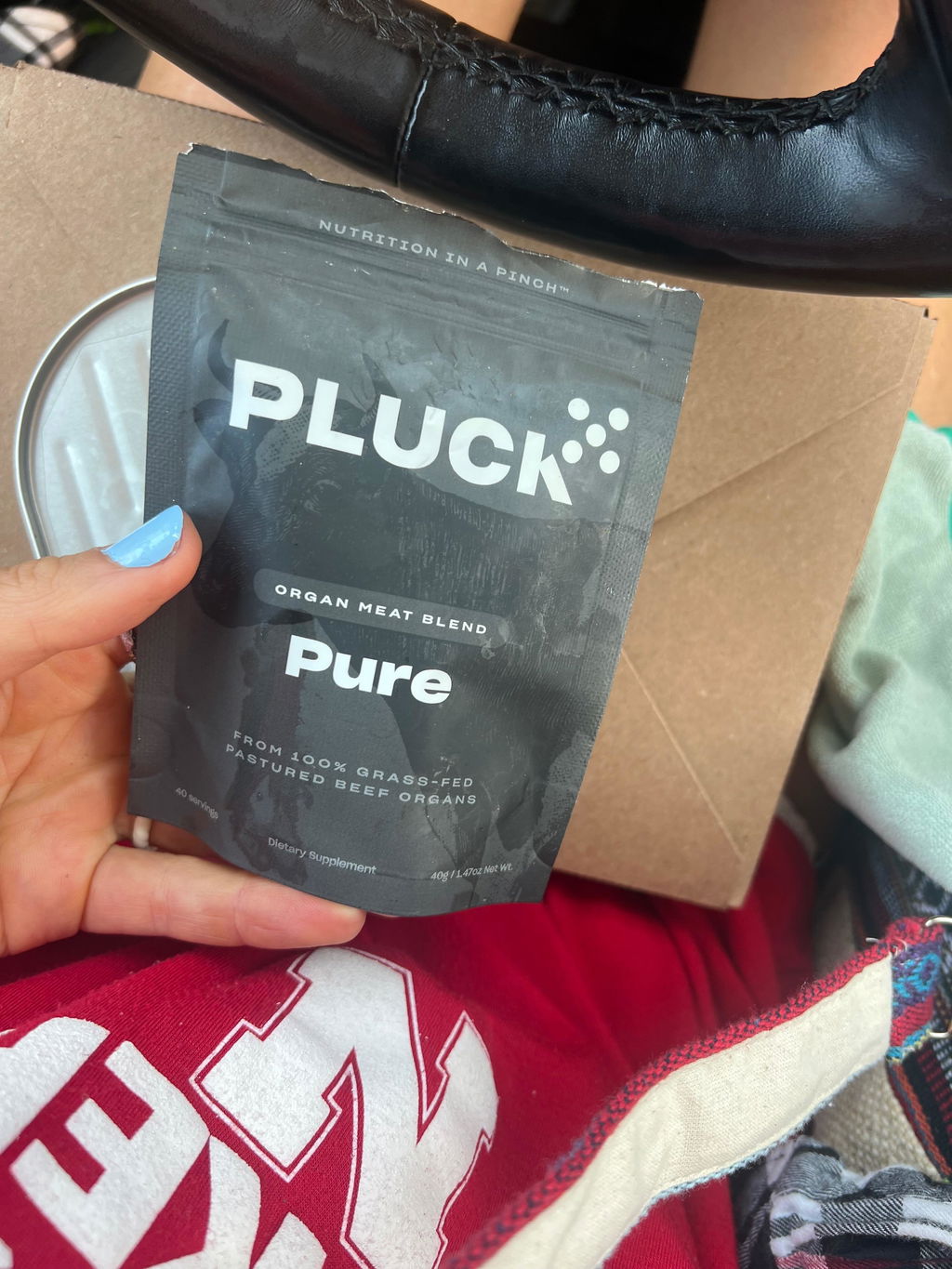
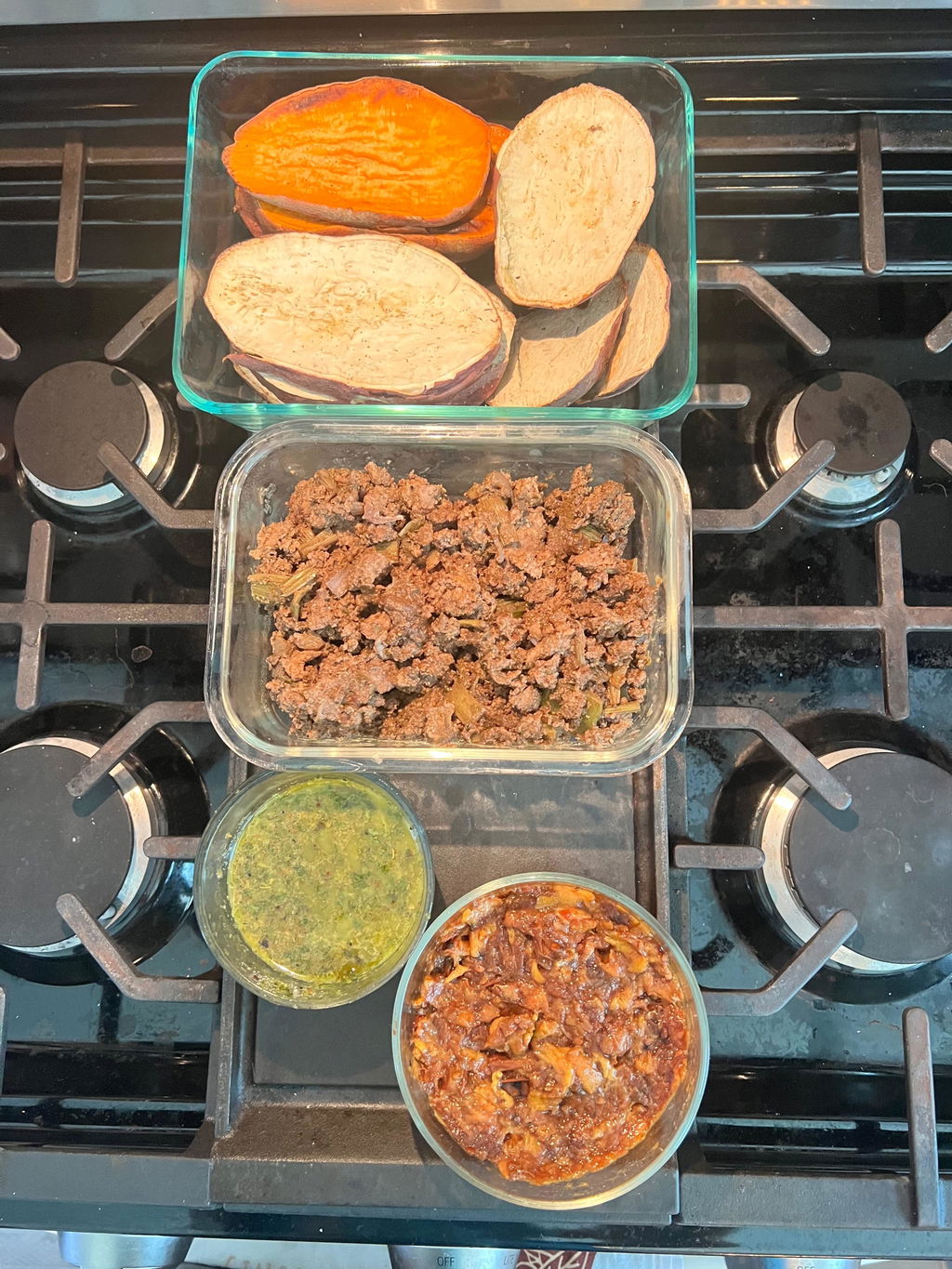
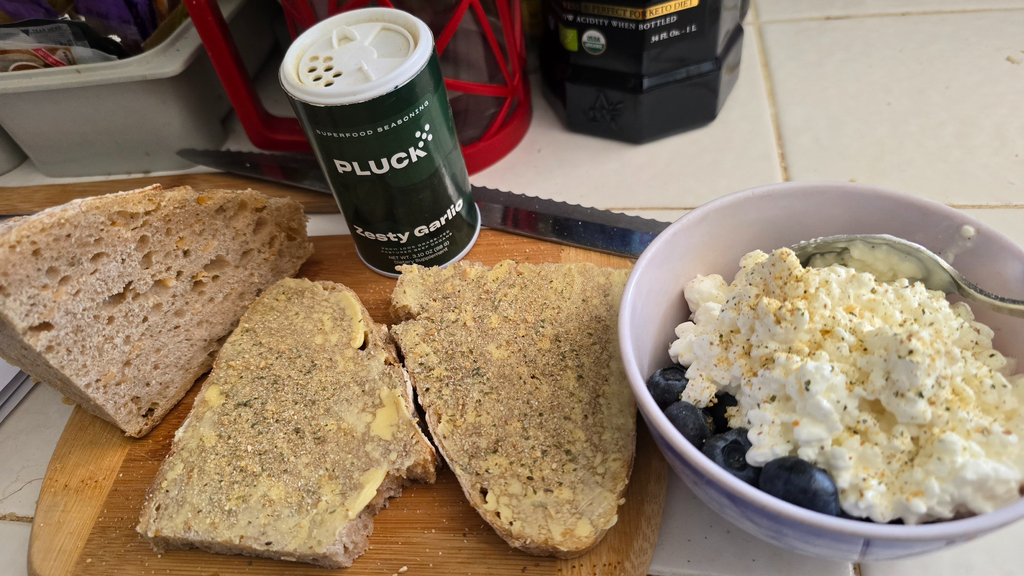
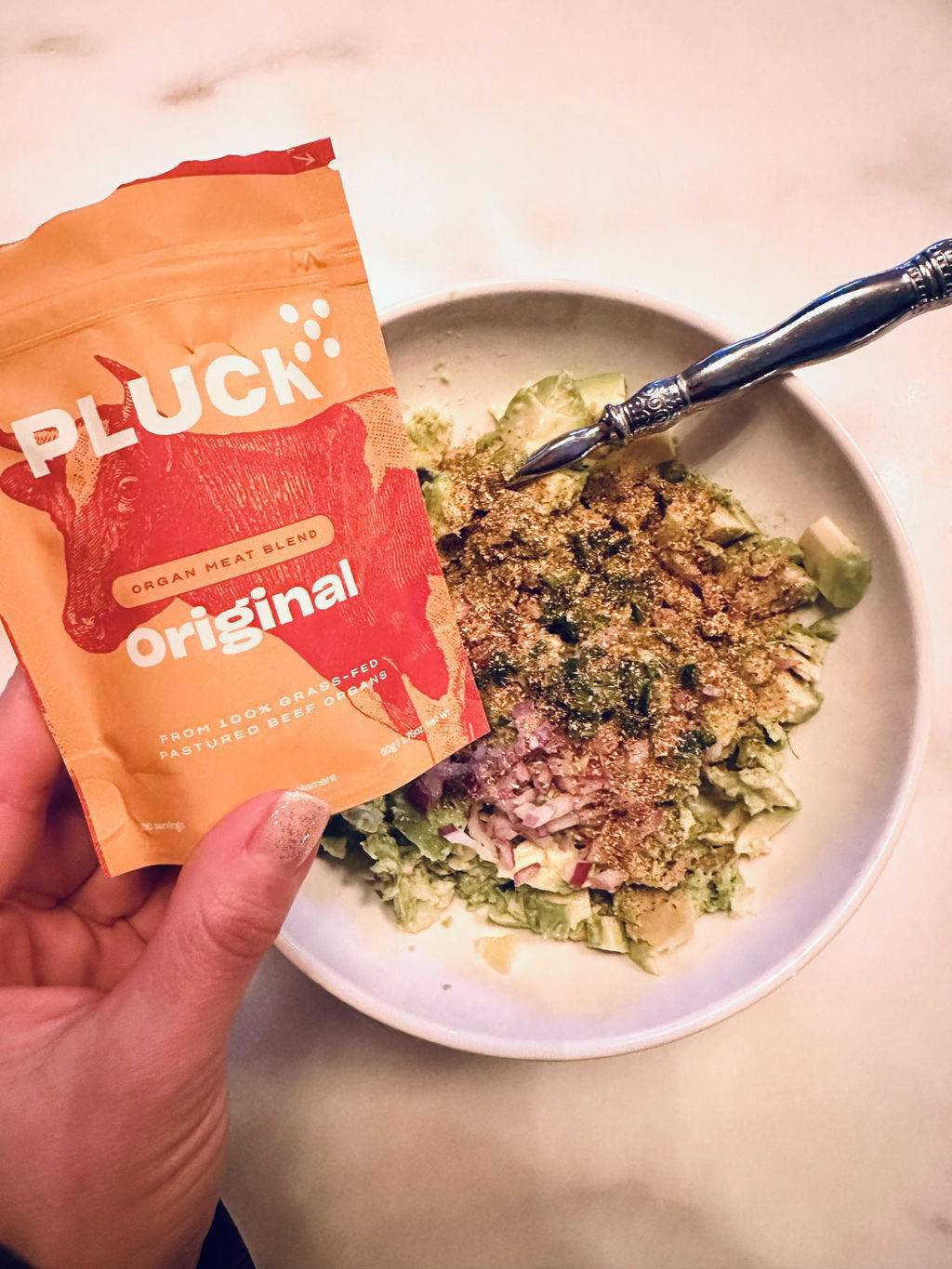
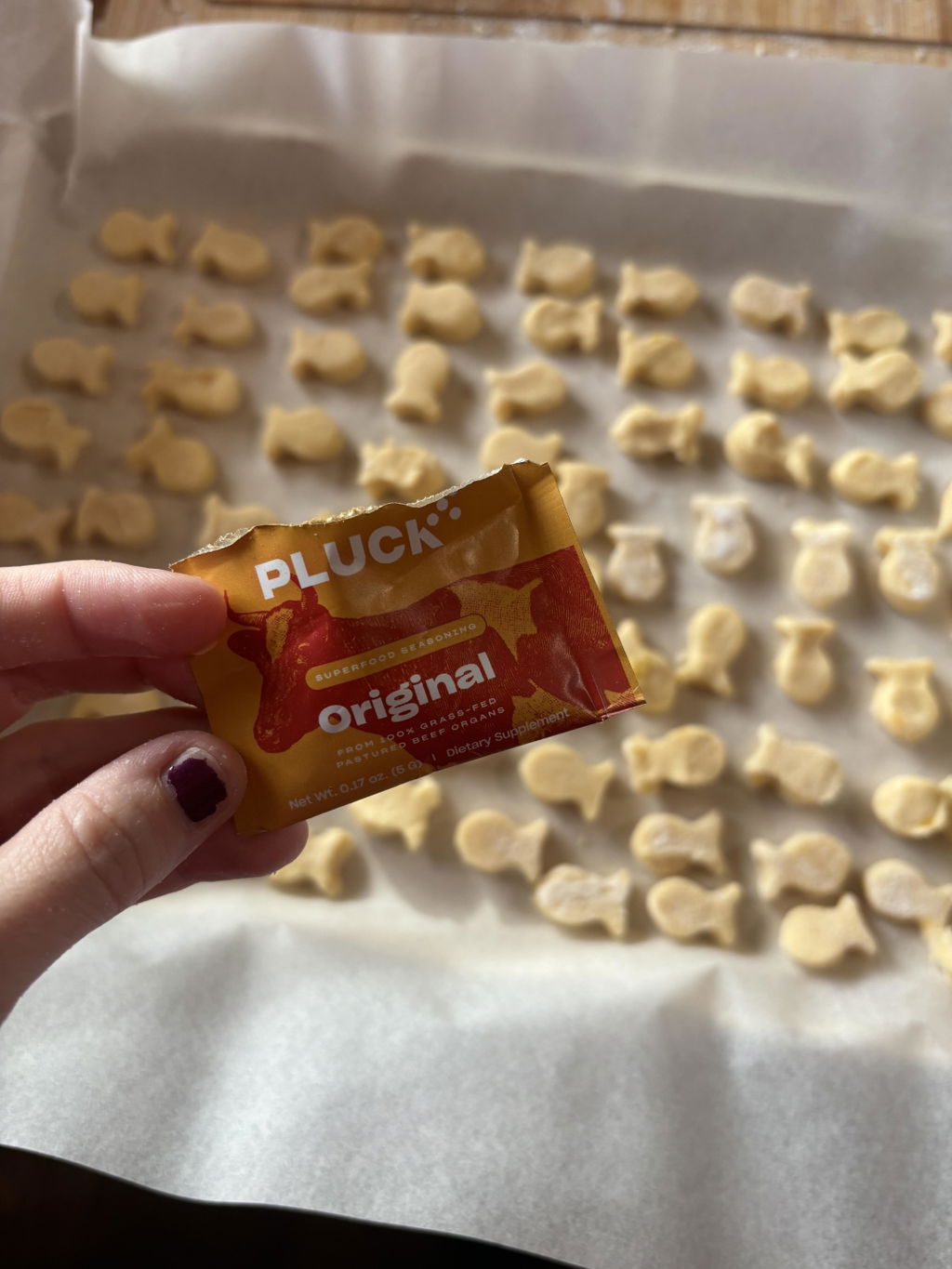
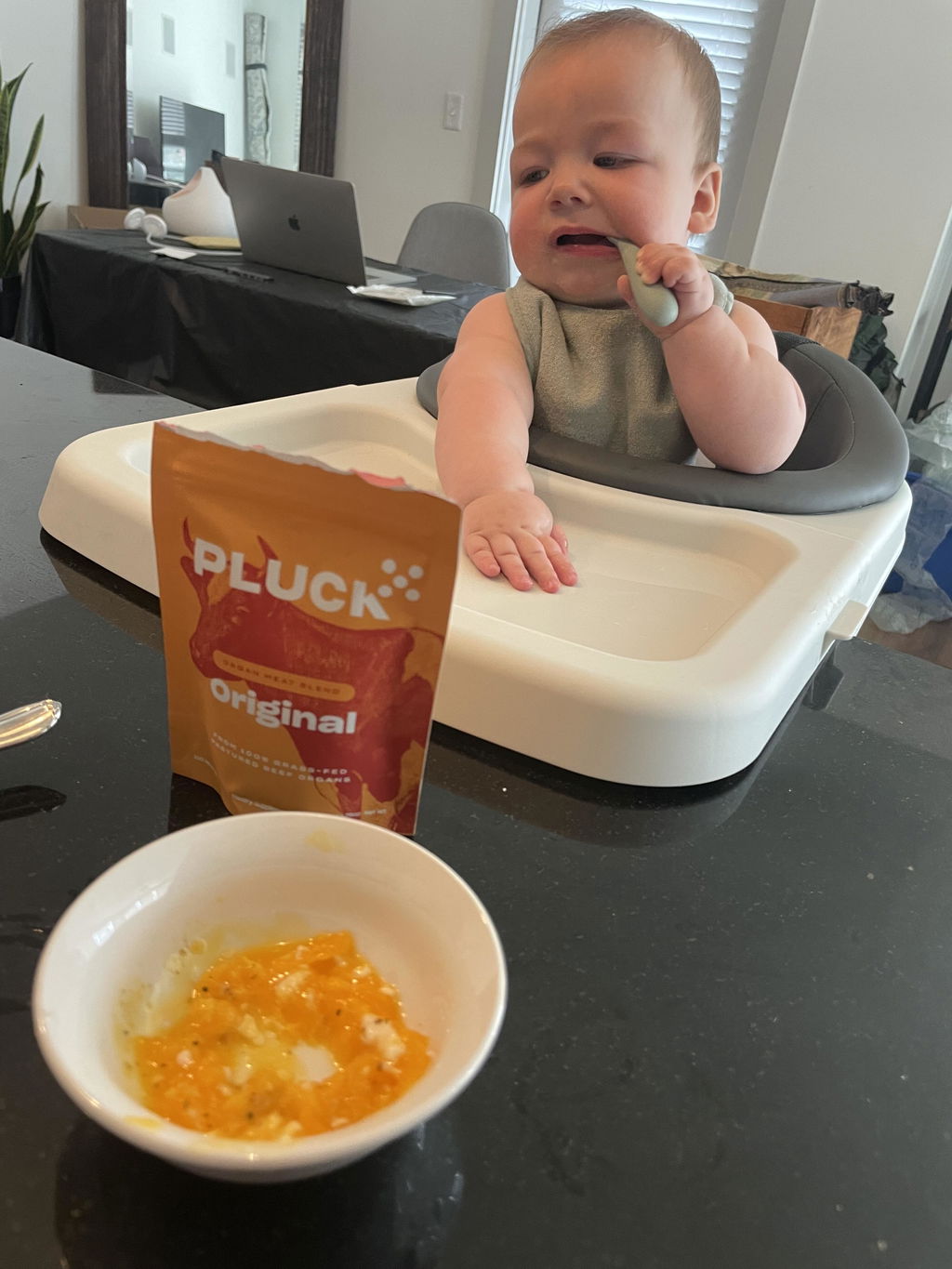
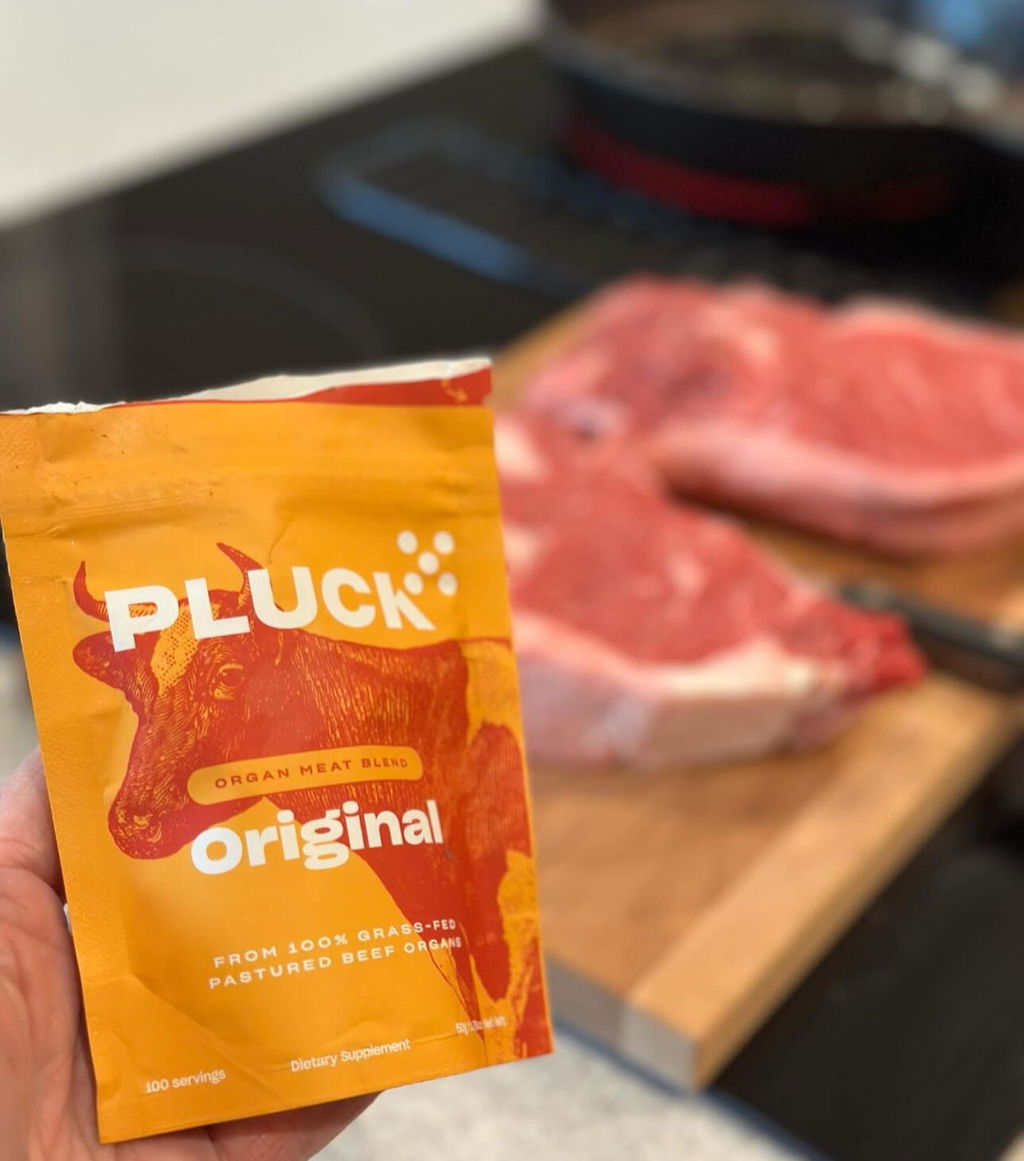
For those who want the benefits of organ nutrients but struggle to cook them regularly, there are simple ways to stay consistent. Pluck organ-meat seasoning blends offer a flavorful way to add small amounts of organ nutrients to eggs, burgers, or soups. Used alongside real food and modest weekly portions of whole organs, a seasoning like Pluck can make it easier to maintain nutrient density on busy days while you work the broader plan, better sleep, steadier blood sugar, and a plate that supplies the brain with the minerals and vitamins it needs to think clearly and feel calm.
References
-
Treadway, Michael T., et al. “A Randomized Proof-of-Mechanism Trial of TNF Antagonism for Motivational Deficits and Related Corticostriatal Circuitry in Depressed Patients with High Inflammation.” Molecular Psychiatry, vol. 30, no. 4, 2025, pp. 1407–1417. https://doi.org/10.1038/s41380-024-02751-x. PubMed
-
Gong, Hong, et al. “Anti-Inflammatory Interventions for the Treatment and Prevention of Depression among Older Adults: A Systematic Review and Meta-Analysis.” Translational Psychiatry, vol. 15, 2025, article 114. https://doi.org/10.1038/s41398-025-03317-3. nature.com
-
Treadway, Michael T., et al. “A Randomized Proof-of-Mechanism Trial of TNF Antagonism for Motivational Deficits and Related Corticostriatal Circuitry in Depressed Patients with High Inflammation.” Molecular Psychiatry, vol. 30, no. 4, 2025, pp. 1407–1417. https://doi.org/10.1038/s41380-024-02751-x. PubMed
-
Irwin, Michael R., et al. “Inflammatory Exposure and Depression in Older Adults with Insomnia: A Randomized Clinical Trial.” JAMA Psychiatry, vol. 82, no. 9, 2025, pp. 859–867. https://doi.org/10.1001/jamapsychiatry.2025.1327. JAMA Network
-
Xia, Xue, et al. “The Central Role of Microglia in Major Depressive Disorder and Its Potential as a Therapeutic Target.” Frontiers in Behavioral Neuroscience, vol. 19, 2025, article 1598178. https://doi.org/10.3389/fnbeh.2025.1598178. frontiersin.
-
Hauglund, Natalie L., et al. “Norepinephrine-Mediated Slow Vasomotion Drives Glymphatic Clearance.” Cell, vol. 186, no. 13, 2024, pp. 3202–16.e9. Cell+1
-
Wu, W.-C., et al. “The Aging Human Brain Exhibits Reduced Cerebrospinal Fluid Flow.” Journal Name, 2024, (published online) — showing a decline in sleep-dependent CSF flow with age linked to deficits in vascular and EEG delta oscillations. pmc.ncbi.nlm.nih.gov
-
Hölck, Pia, et al. “The Effects of Creatine Supplementation on Cognitive Function in Adults: A Systematic Review and Meta-Analysis.” Frontiers in Nutrition, vol. 11, 2024. Frontiers
-
Singh, Neha, et al. “Single-Dose Creatine Improves Cognitive Performance and Induces Changes in Cerebral High-Energy Phosphates during Sleep Deprivation.” Scientific Reports, vol. 14, 2024, article 54249. Nature
-
Efficacy and Safety Profile of Oral Creatine Monohydrate as an Add-On to Cognitive Behavioral Therapy for Depression. Journal Name, 2025 (hypothesis-generating trial). pubmed.ncbi.nlm.nih.gov
-
Ravaglia, G., et al. “A Comparative Study Evaluating the Effectiveness of Folate-Based B Vitamins Supplementation.” Nutrients, vol. 16, no. 14, 2024, p. 2199.
-
Li, X., et al. “Lower Serum Ferritin Levels Are Associated with Worse Cognitive Performance in Aging.” Frontiers in Aging Neuroscience, vol. 16, 2024, p. 38368845.
-
Chen, Y., et al. “Mineral Homeostasis and Depression: Implications for Psychiatry.” International Journal of Molecular Sciences, vol. 26, no. 14, 2025, p. 6637.
-
Zhao, W., et al. “Dietary Choline Intake and Risk of Alzheimer’s Dementia in Older Adults.” The Journal of Nutrition, 2025, p. 40447055.
Park, S., et al. “Association of Egg Intake With Alzheimer’s Dementia Risk.” Nutrients, vol. 16, no. 8, 2024, p. 38782209. -
Yeo, Y. G., et al. “Retinoic Acid Modulation of Granule Cell Activity and Spatial Discrimination in the Adult Hippocampus.” Frontiers in Cellular Neuroscience, vol. 18, 2024, article 1379438. PubMed
-
Huang, R., et al. “Cholesterol Metabolism: Physiological Versus Pathological in the Central Nervous System.” Neural Regeneration Research, vol. 20, no. 4, 2025. journals.lww.com
-
Latoch, Agnieszka, Dariusz M. Stasiak, and Patryk Siczek. “Edible Offal as a Valuable Source of Nutrients in the Diet—A Review.” Nutrients, vol. 16, no. 11, 2024, article 1609. PubMed
-
Fuerniss, Hannah F., et al. “Nutrient Analysis of Raw United States Beef Offal Items.” Nutrients, vol. 16, no. 18, 2024, article 3104. mdpi.com+1
-
“Exploring the Ketogenic Diet’s Potential in Reducing Neuroinflammation and Modulating Immune Responses.” Frontiers in Immunology, 2024.
-
Zheng, T., et al. “Effects of Protein Intake on Cognitive Function in Chinese Older Adults: A Cross-Sectional Study.” Nutrients, vol. 17, no. 2, 2025.
-
Latoch, Agnieszka, Dariusz M. Stasiak, and Patryk Siczek. “Edible Offal as a Valuable Source of Nutrients in the Diet—A Review.” Nutrients, vol. 16, no. 11, 2024, article 1609.
-
Fuerniss, Hannah F., et al. “Nutrient Analysis of Raw United States Beef Offal Items.” Nutrients, vol. 16, no. 18, 2024, article 3104.
-
Hauglund, Natalie L., et al. “Norepinephrine-Mediated Slow Vasomotion Drives Glymphatic Clearance During Sleep.” Cell, vol. 188, no. 3, 2025, pp. 606-622.e17.
-
“Exploring the Ketogenic Diet’s Potential in Reducing Neuroinflammation and Modulating Immune Responses.” Frontiers in Immunology, 2024.
-
Sălcudean, Alin, et al. “Neuroinflammation—A Crucial Factor in the Pathophysiology of Depression.” Frontiers in Neuroscience, 2025.
-
Beal, T., et al. “Nutrient-Dense Foods and Diverse Diets Are Important for Meeting Essential Nutrient Needs.” Nutrients, vol. 16, 2024.














Leave a comment
All comments are moderated before being published.
This site is protected by hCaptcha and the hCaptcha Privacy Policy and Terms of Service apply.