


 Large Bag
 Travel Pack


Synopsis: Modern faces are shrinking, but not from evolution—from nutrition. Discover how soft, processed diets have weakened our jaws and bones, and how returning to ancestral foods rich in organ meats and fat-soluble vitamins can rebuild strength, symmetry, and vitality.
How Food Shapes the Face
Modern faces tell a story of quiet decline. Jaws are smaller, cheekbones less defined, and teeth often crowded in ways that were once rare. These changes happened quickly in historical terms, appearing in just a few generations. They are not the result of evolution but of nutrition. Traditional diets that required chewing and offered dense nourishment have slowly been replaced by soft, processed meals that ask little of our muscles and give even less to our bones. Meals that once shaped strong jaws and sturdy facial structure have yielded to convenience foods, and human features now reveal the cost. Faces have become narrower, bone density weaker, and teeth more crowded as modern eating habits continue to drift from their ancestral roots.[1]
Dr. Weston A. Price, a dentist and researcher in the early twentieth century, witnessed this shift as it unfolded. He traveled to isolated regions where people still consumed traditional diets and found wide faces, straight teeth, and remarkable bone strength across entire communities. When those same groups adopted refined flour, sugar, and canned foods, a dramatic change appeared in the very next generation. Narrow faces, dental crowding, and weaker bone development replaced the balanced structure once seen in every child. His photographs captured the decline in vivid detail and remain one of the most striking records of how diet molds the human form. To Price, beauty, balance, and vitality were visible signs of proper nourishment.[1][2]
Price concluded that nutrition shapes structure. Width of the jaw, alignment of the teeth, and openness of the airway all depend on what a person eats during growth. Modern diets filled with empty calories have quietly reshaped human health and anatomy alike. Soft, processed foods stripped of nutrients no longer challenge the muscles or feed the bones, leaving the skeletal system without the mechanical or chemical signals needed to develop to its full potential.[1][4]
The Mechanics of Chewing and Facial Growth
Chewing is a natural form of resistance training for the face. Traditional diets required real effort to eat. People tore meat from the bone, chewed fibrous roots, and worked through hearty foods that built strength with every bite. Constant chewing engaged the muscles of the face and told the bones to grow broad and dense. Each meal served as a form of natural resistance training that shaped the jaw and supported healthy development. A jaw that stays active continues to remodel and strengthen itself, just like any other bone in the body. A child who uses the jaw muscles to chew dense, natural foods stimulates the maxilla and mandible to expand, creating room for all the teeth and shaping a well-proportioned face.[5]
Modern foods, by contrast, are soft, pre-cut, and processed. Infants and toddlers often begin life on soft foods like purees and puffs instead of meats or fibrous vegetables. Such easy-to-eat options do little to strengthen the jaw, so chewing muscles develop later and with less power. Lack of resistance means the bones get fewer signals to grow and widen. As the palate narrows, there is not enough space for teeth to come in naturally. Restricted growth can lead to crowded teeth, weaker chins, and even problems with breathing. Mouth breathing becomes common and slowly changes the shape of the face, making it longer and narrower over time.
When jaw muscles remain underused, the bones fail to expand as they should. Structural weakness that develops early cannot be fully corrected by braces or dental work. Orthodontics can temporarily straighten teeth, but without a strong foundation, alignment rarely lasts. Healthy bone development relies on both proper nutrition and active chewing during the early years of growth. Dr. Weston A. Price’s photographs reveal the contrast with striking clarity. Children raised on traditional, nutrient-rich diets had wide dental arches, straight teeth, and solid bone structure. Children raised on processed foods often develop narrow jaws and crowded teeth instead. Chewing played a role as important as diet itself, acting as a daily signal for bones to grow and strengthen.[6][7]
Sally Fallon, who continued Price’s work through the Weston A. Price Foundation, reminds us that chewing and nutrition work together as a single system. Children who regularly eat tougher, more fibrous foods develop better facial symmetry and more room for their teeth. Even adults can influence bone remodeling by eating whole, nutrient-dense foods that engage the jaw muscles. Chewing is not a mindless motion but a biological process that stimulates saliva, aids digestion, and sends feedback throughout the skeletal system. Each bite of real food provides the body with both the nutrients and the physical stimulus it needs to build lasting strength.[8]
The Role of Fat-Soluble Vitamins in Bone Formation
Bone strength relies on a careful balance of nutrients, with fat-soluble vitamins leading the way. Vitamin K2, once referred to by Dr. Weston A. Price as “Activator X,” helps guide calcium into the bones and teeth where it is needed most instead of letting it collect in soft tissues. Working alongside vitamins A and D, K2 acts like a traffic controller, directing minerals to the right places and ensuring proper bone growth and density.. Without K2, calcium may harden arteries or settle in joints instead of strengthening bone. Organ meats, grass-fed butter, and egg yolks are among the richest natural sources of these vital nutrients, yet they have largely disappeared from modern diets.[9][10]
Vitamin A supports the activity of osteoblasts, the cells that build new bone tissue, while vitamin D improves calcium absorption and regulates immune balance. Together, these three nutrients activate genes responsible for bone density, facial growth, and tooth integrity. When they are missing, even calcium-rich diets fail to produce a strong skeleton. Sally Fallon often points out that the removal of organ meats from modern meals caused an unseen epidemic of nutrient deficiency. These foods once provided the fat-soluble activators that guided healthy growth for centuries, yet today most people rarely eat them.[11][12]
Dr. Price found that every traditional culture he studied valued organs and animal fats. The Swiss villagers he met ate raw cheese and liver sausages. The Inuit prized fish liver and seal oil. The Maasai consumed milk, blood, and organ meats. Despite living in vastly different climates and consuming diverse foods, all these groups shared one thing: they obtained abundant fat-soluble nutrients. These compounds ensured proper skeletal development, fertility, and resistance to disease. When refined foods replaced them, the next generation immediately suffered from crowded teeth, weaker bone structure, and increased susceptibility to illness.[13][14]
Modern research supports these observations. Vitamin K2 activates osteocalcin, a protein that binds calcium to the bone matrix, directly improving bone density and strength. Studies show that populations with higher K2 intake have lower rates of fractures and arterial calcification. Vitamin A influences stem cell differentiation in bone tissue, while vitamin D regulates calcium absorption in the gut. Together, they form a feedback loop that determines how strong and wide our bones grow. When any part of this system is missing, the results are visible in both posture and facial structure.[15][16]
Why Jawlines Are Narrowing Today
The narrow jawlines and receding chins common today are visible evidence of nutritional imbalance. Children raised on processed foods, refined sugars, and industrial seed oils lack the nutrients necessary for proper bone remodeling. Even in adulthood, bones are dynamic tissues that continually rebuild themselves. Without the right inputs—fat-soluble vitamins, collagen, and minerals—this process falters. The face becomes narrower, bone density declines, and dental health weakens over time.[17]
The shift toward convenience foods has also changed the way we chew. Smoothies, protein bars, and soft breads ask almost nothing of the jaw. Lack of chewing effort removes one of the body’s simplest yet most important signals for bone growth. Seed oils and refined carbohydrates add another layer of harm by driving inflammation and disrupting the hormones that regulate bone metabolism. Fluctuations in insulin and cortisol levels interfere with vitamin K2 activity, blocking calcium from being used properly. Over time, the result is weaker bones and soft tissues that become overly calcified.[18]
Consequences reach far beyond appearance. A narrow jaw limits space for the tongue and tightens the airway during sleep, leading to mouth breathing, snoring, and fatigue. Habitual mouth breathing changes oxygen and carbon dioxide balance in the body, which can affect brain development and behavior. Some researchers have linked these structural and metabolic shifts to higher rates of sleep apnea, anxiety, and attention problems in children. Straight teeth are more than an aesthetic feature; they signal balanced bone growth and proper breathing function.
Orthodontic treatment can move teeth into alignment, but it cannot rebuild missing bone width or restore airway volume. True structural correction starts with nutrition. When the body receives the minerals and fat-soluble vitamins it was designed to use, bone remodeling becomes stronger and more efficient. Collagen from meat and connective tissue provides the foundation where minerals can bind, helping the skeleton rebuild itself from within. Vitamin C supports collagen synthesis, while K2 directs calcium to harden it. The combination of mechanical chewing stress and nutrient-rich foods signals the face to grow in both strength and symmetry.[19][20]
Reintroducing Organ Meats for Structural Health
Organ meats offer one of the richest sources of nutrients found in nature. Liver, heart, and kidney supply a full range of fat-soluble vitamins, trace minerals, and amino acids that support strong bones and healthy connective tissue. Far more than a supplement, organ meats provide the complete set of building blocks the human body needs to repair, grow, and thrive. Each bite delivers the dense nutrition that once formed the foundation of traditional diets and sustained generations in full health. Liver, for example, supplies retinol, the active form of vitamin A, along with iron, copper, and choline. Heart contains CoQ10 and B vitamins that enhance cellular energy, while kidney provides selenium and zinc for tissue repair and hormone balance.[21]
Every traditional culture Dr. Price studied revered organs. In many, the organs were eaten first after a hunt, often raw or lightly cooked. Indigenous tribes learned through careful observation that organ meats carried a kind of life-giving strength. When modern diets began favoring muscle meat and leaving organs behind, the balance of human nutrition changed completely. Calories became easy to find, but the vital cofactors needed to use those calories efficiently were lost. Over time, the absence of these nutrient-dense foods led to a gradual weakening of bone structure, energy, and overall vitality.[22]
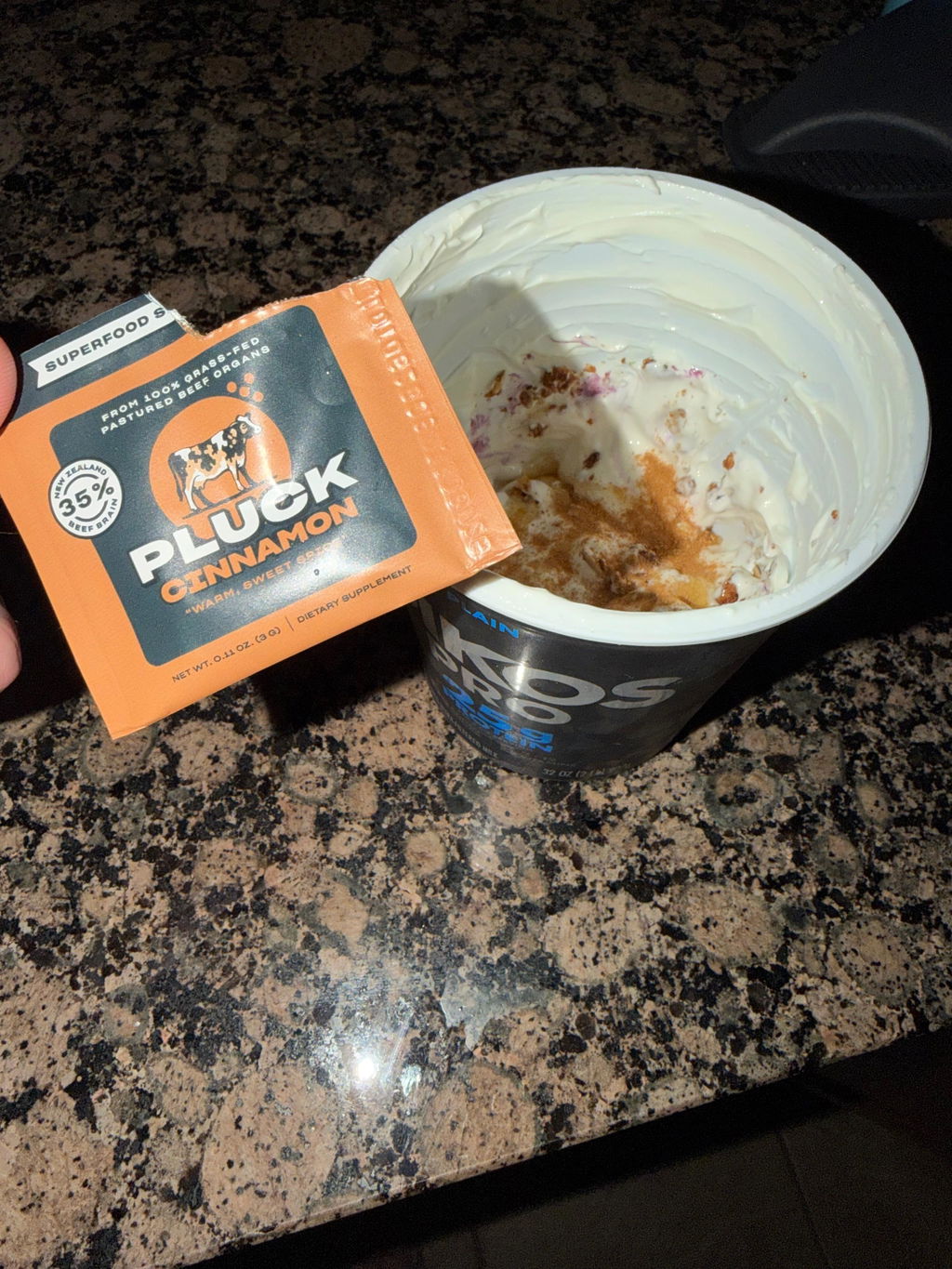
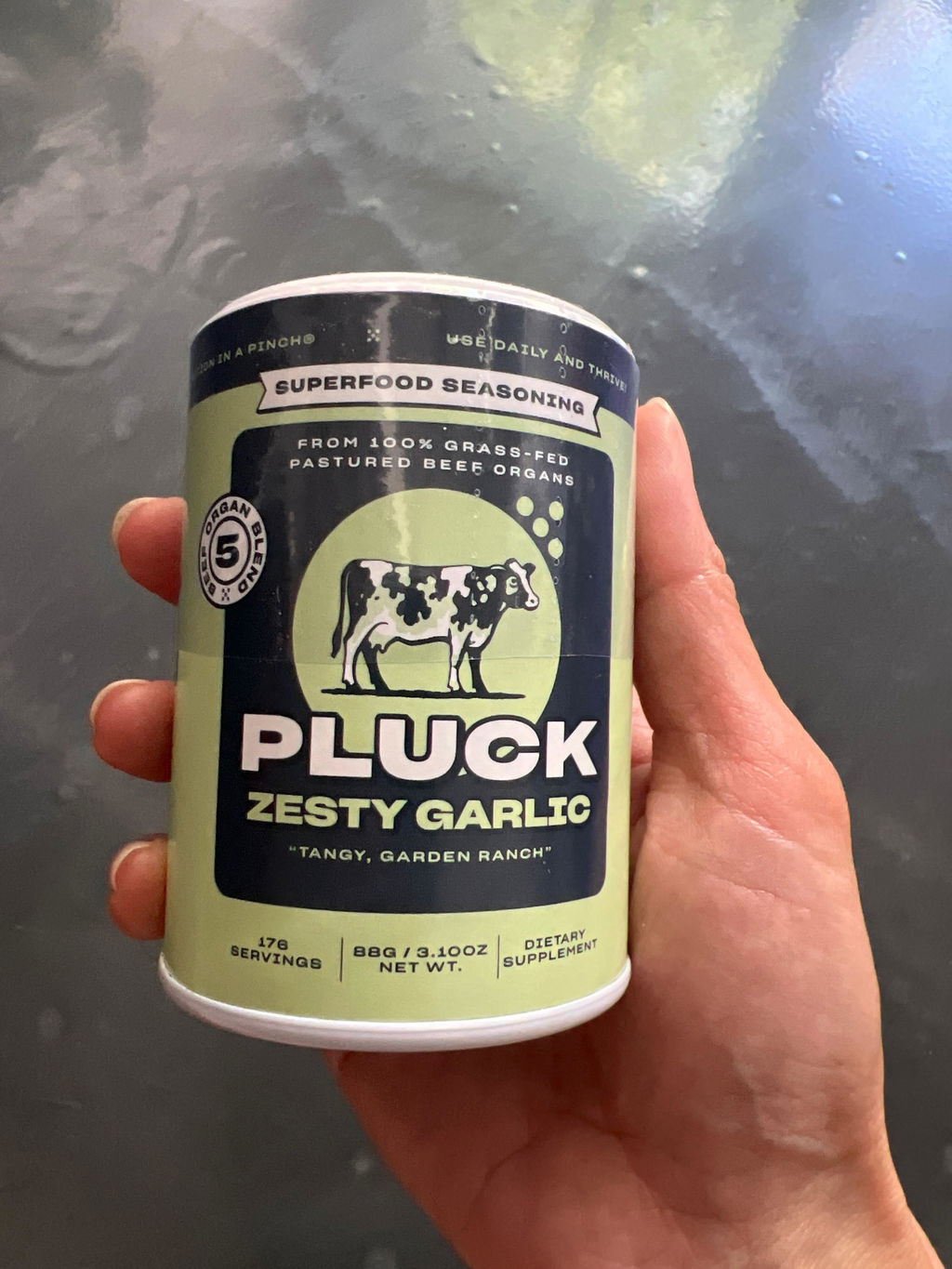
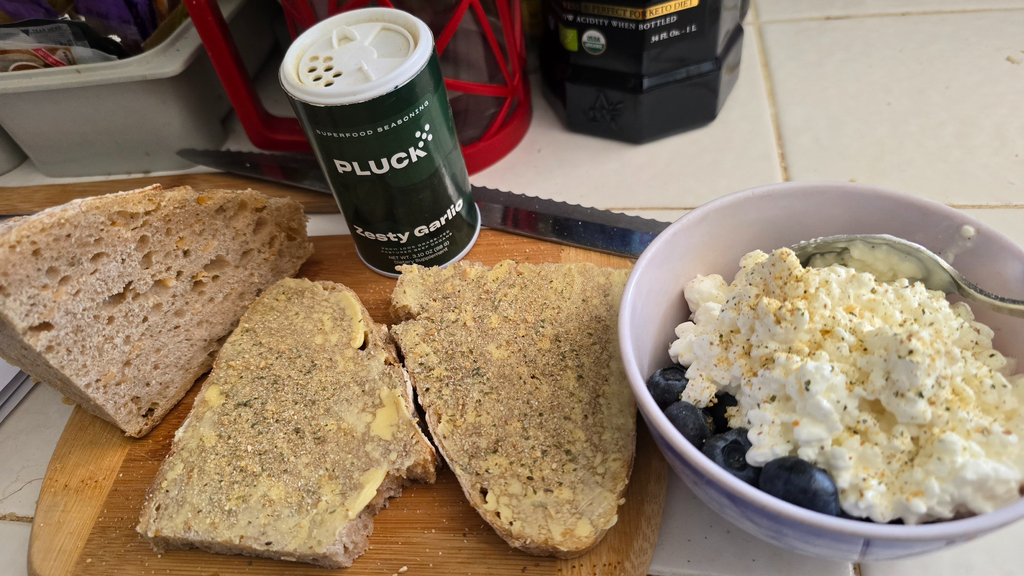
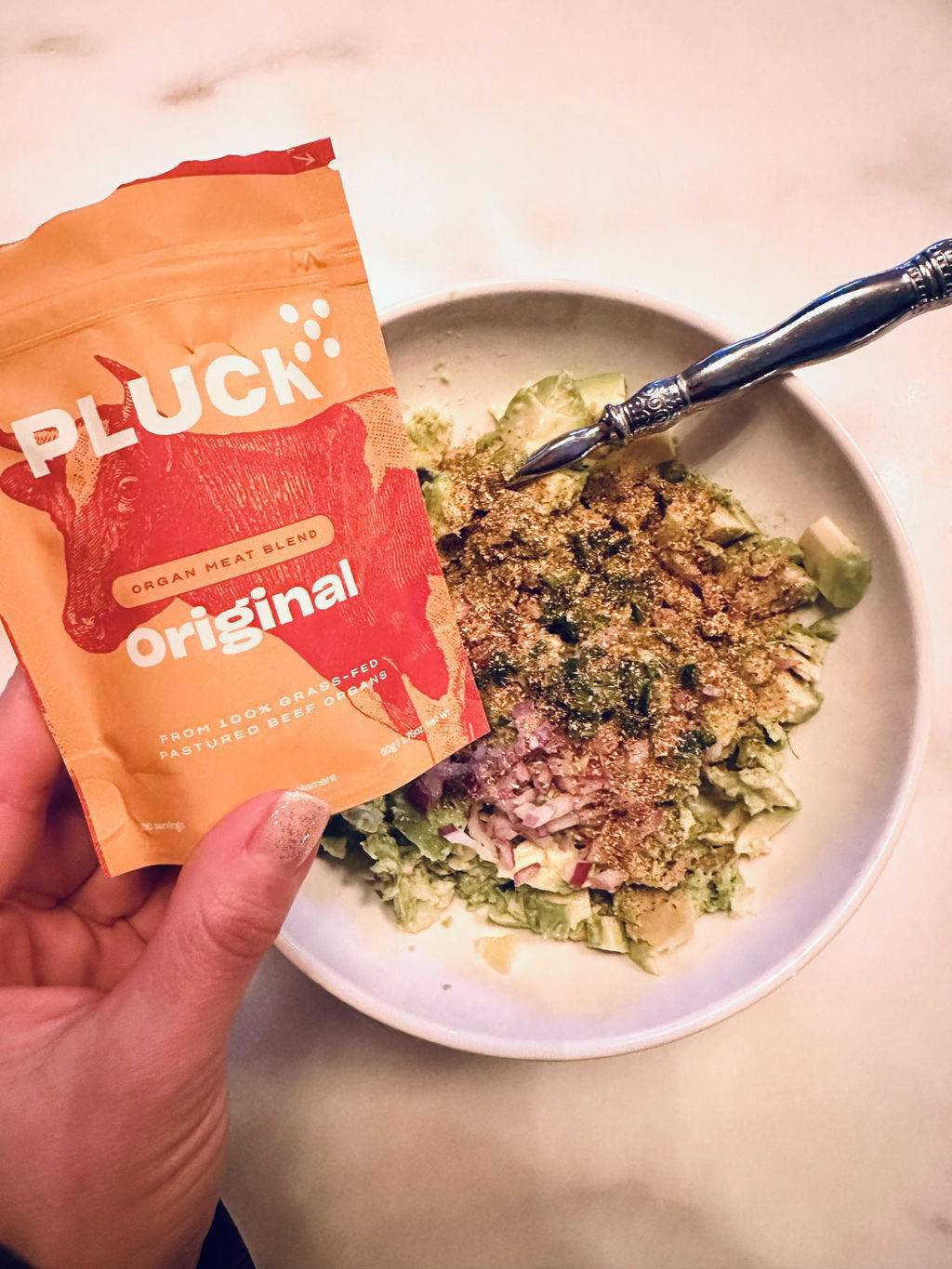
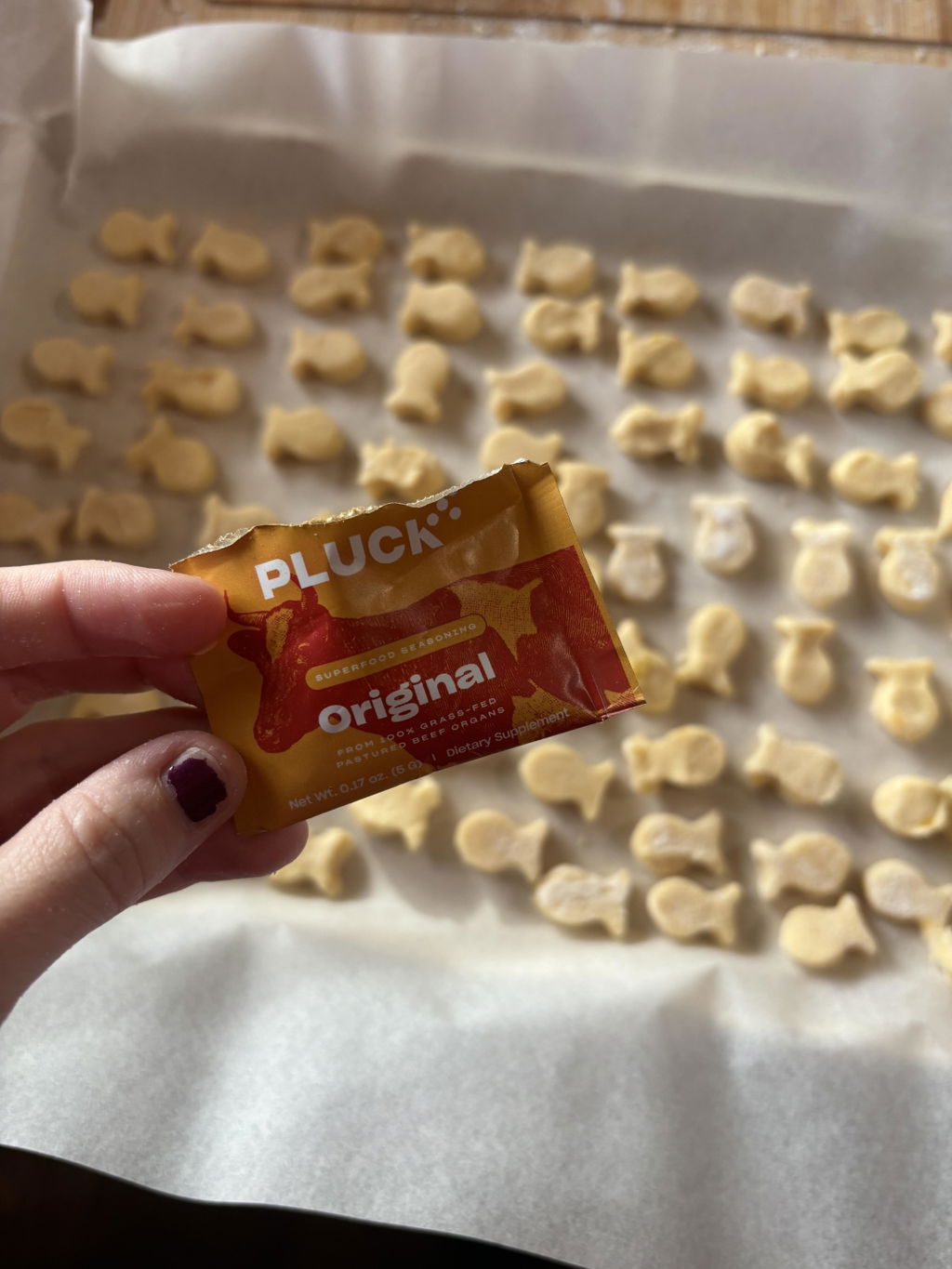
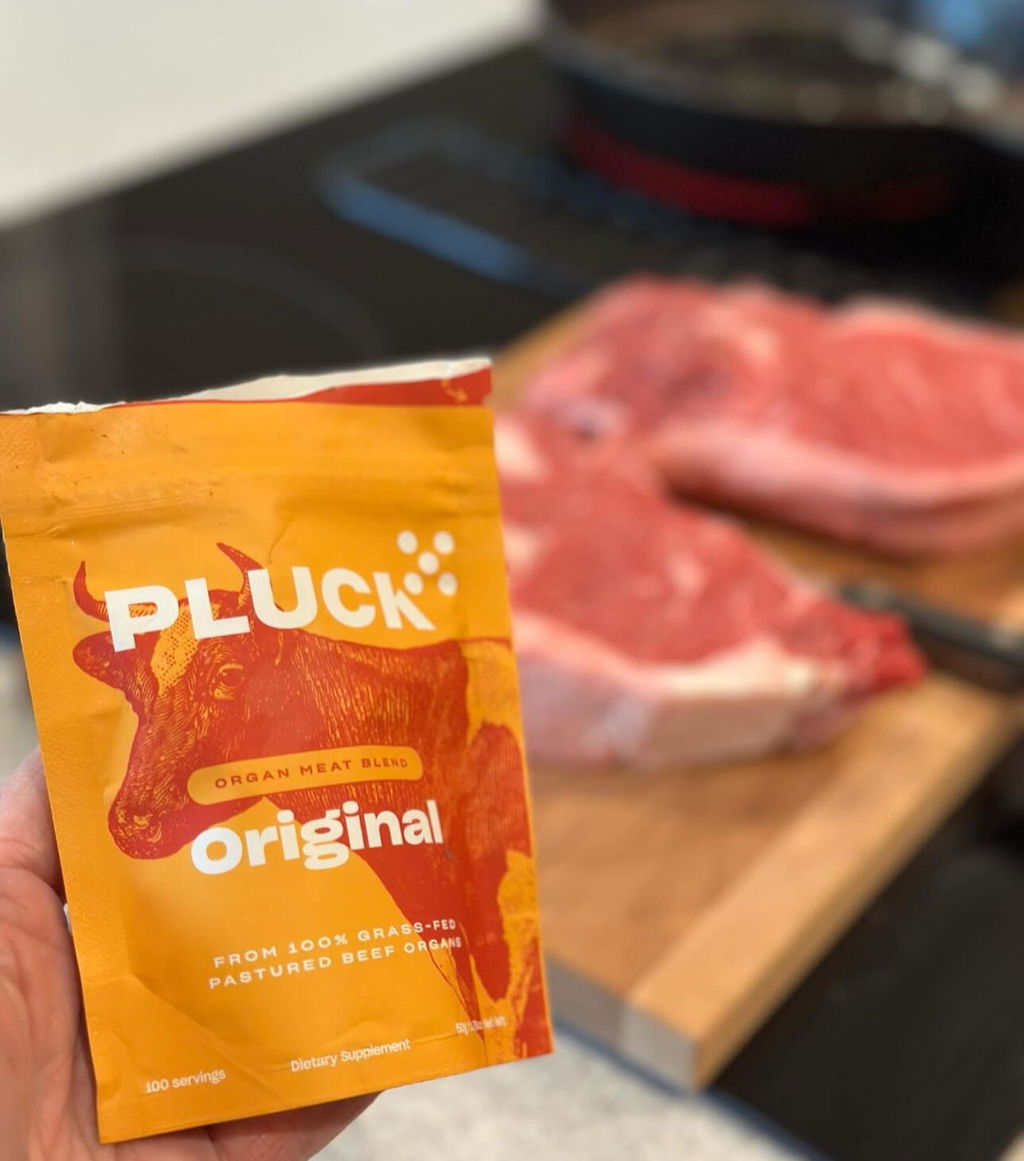
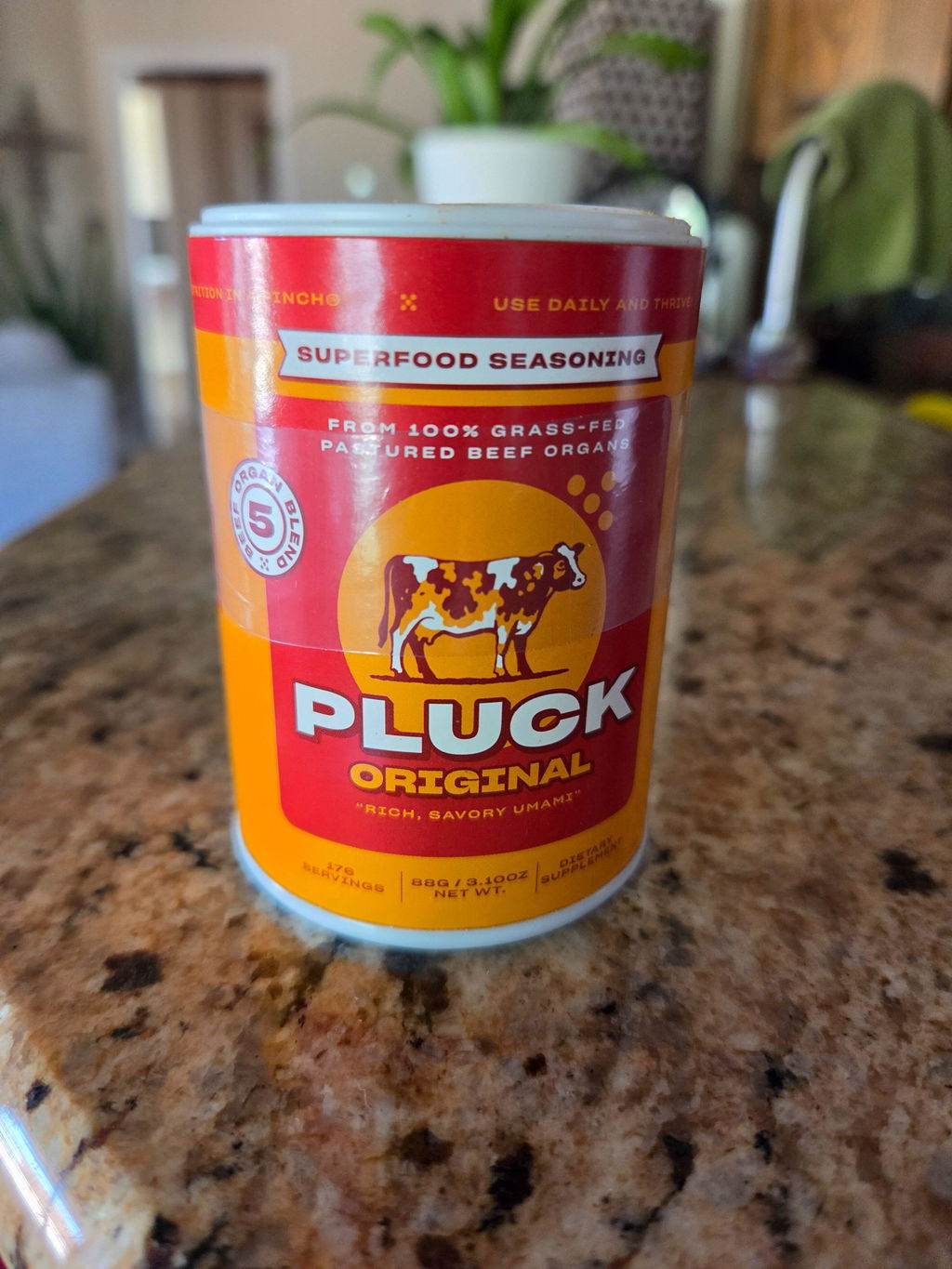
Sally Fallon and other advocates of ancestral nutrition have urged the return of organ meats to modern kitchens. Yet many people find the taste or texture difficult to handle, especially if they did not grow up eating them. This is where products like Pluck help bridge the gap. Pluck combines grass-fed, freeze-dried organ meats into an easy-to-use seasoning. It allows anyone to add the benefits of liver, heart, and kidney to everyday meals without the intensity of flavor that often turns people away. Just a sprinkle adds the trace minerals, amino acids, and fat-soluble activators needed to support bone and tissue renewal.[23]
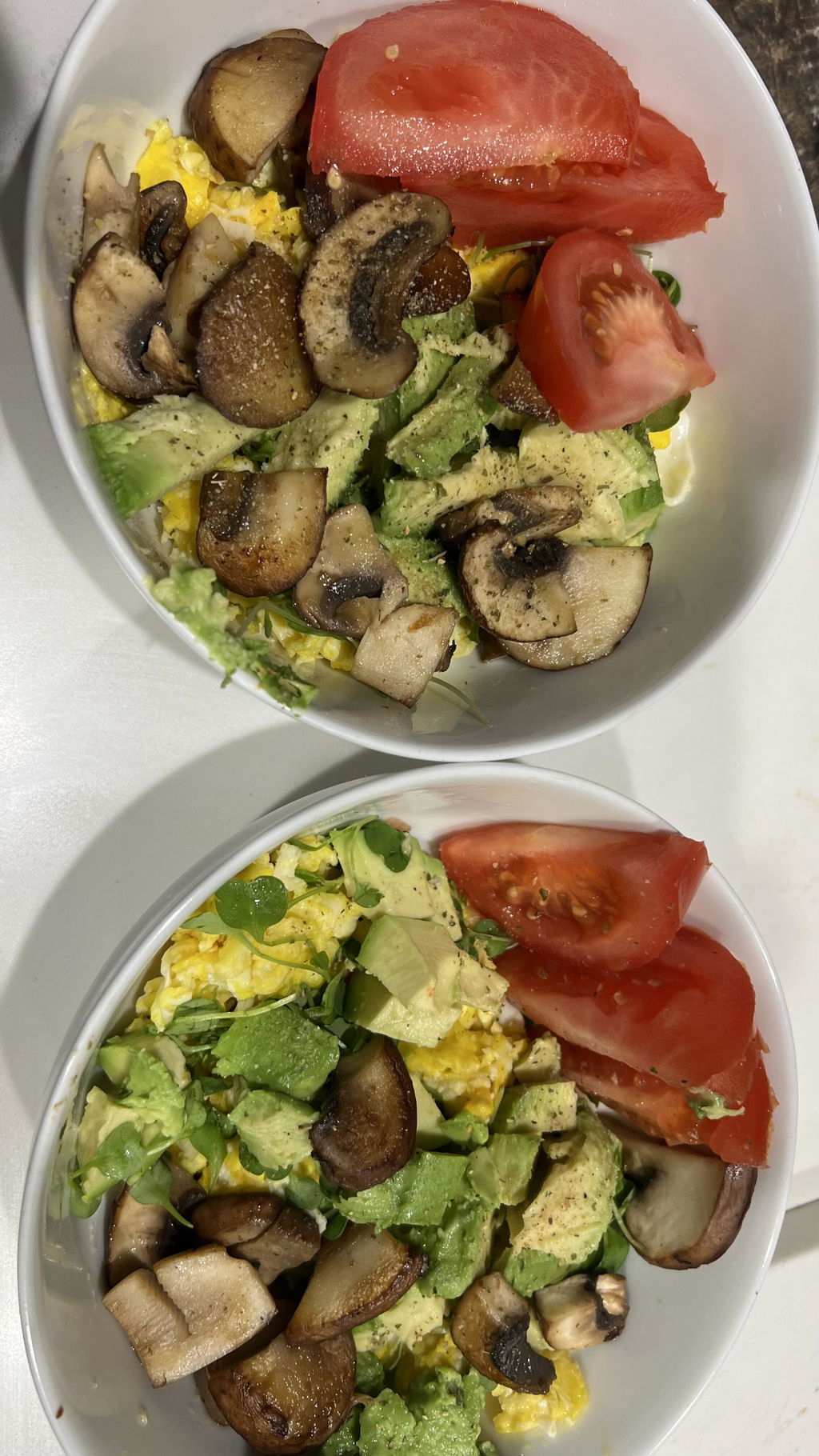
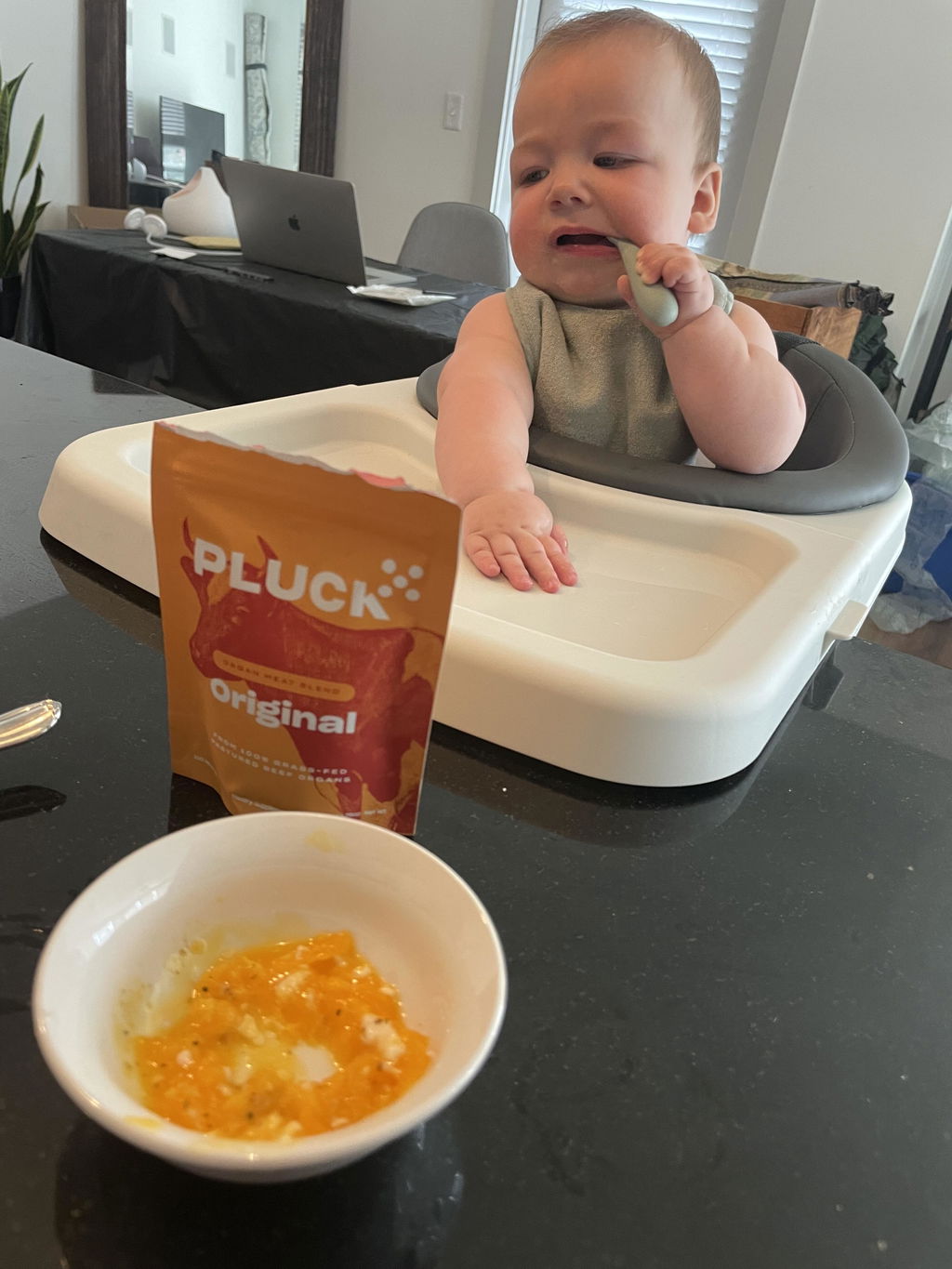
Children benefit the most from these nutrients during their developmental years. Sprinkling Pluck on eggs, ground meat, or vegetables is a simple way to fortify their meals with what their ancestors once consumed naturally. For adults, organ-based nutrition supports ongoing bone remodeling, skin elasticity, and energy production. Nutrients like zinc, phosphorus, and B12 work in concert with K2 and A to maintain the jawbone and teeth. By reintroducing organ meats, we are not experimenting with something new but returning to a time-tested foundation of human nutrition.[24]
Organ meats also complement modern diets in other ways. They provide the amino acids glycine and proline, which balance methionine from muscle meats and support collagen synthesis. This balance is critical for maintaining joint flexibility and strong connective tissues around the face and jaw. Even small, consistent amounts of organ-based nutrients can create measurable improvements in energy, immunity, and skeletal strength over time. The simplicity of reintroducing them through a seasoning makes it easy to bring ancestral wisdom into a modern kitchen.[24]
Reclaiming Strength and Structure Through Real Food
Stories of soft foods and weak faces do not end in decline but in renewal. Human bodies hold an extraordinary ability to heal and rebuild when nourished properly. Poor diets may weaken bone and muscle over time, yet nutrient-dense foods can restore that lost strength. Dr. Weston A. Price’s work revealed how rapidly transformation can happen once traditional, nourishing foods return to the table.
.Within a single generation, traditional diets produced broader jaws, stronger faces, and more resilient health. The same transformation can occur again when we return to eating the foods that built us, foods rich in fat-soluble vitamins, minerals, and natural texture that engages the body from the inside out.
Reintroducing organ meats, animal fats, and whole foods reawakens the body’s innate intelligence. The vitamins and minerals they contain guide calcium into bones, repair connective tissue, and strengthen the jaw and airway. Even adults can benefit by supporting bone remodeling and improved oxygen flow through better skeletal alignment. Modern diets have stripped away these vital activators, but they are easily restored through small, deliberate choices. Choosing a nutrient-dense meal over a processed one is a daily act of reconstruction.
Tools like Pluck make that restoration practical. They eliminate the barriers of taste and convenience that deter many from reintroducing organ meats.Families that embrace real, traditional food begin to rebuild the same kind of strength that once defined our ancestors. Meals rich in texture and true nourishment give the body what it needs to grow strong bones, steady energy, and lasting vitality. Each bite becomes a quiet act of repair, helping restore the natural balance between form and function that modern eating has eroded.
Price spoke often about nature’s generosity toward those who live in rhythm with her laws. Generations before us built wide faces, strong jaws, and sturdy bodies without modern interventions because their food came directly from the earth and the animal. Real food, full of minerals and life, still carries that same wisdom. Returning to it is not sentimentality—it is remembering what the body already knows. Strength, clarity, and beauty can return, one simple, nourishing meal at a time.
Citations:
-
Price, Weston A. Nutrition and Physical Degeneration: A Comparison of Primitive and Modern Diets and Their Effects. Price-Pottenger Nutrition Foundation, 1939.
-
Lieberman, Daniel E., et al. “Effects of Food Processing on Masticatory Strain and Craniofacial Growth.” Journal of Human Evolution, vol. 46, no. 4, 2004, pp. 655–677.
-
Tsolakis, Ioannis A., et al. “Effects of Diet Consistency on Rat Maxillary and Mandibular Growth.” Frontiers in Physiology, 2023, https://doi.org/10.3389/fphys.2023.1198765.
-
Xiao, Ming, et al. “Different Effects of Abnormal Mechanical Stress on Subchondral Bone in Young Mice with Lower Chewing Functional Loads.” Frontiers in Cell and Developmental Biology, 2025, https://doi.org/10.3389/fcell.2025.1427890.
-
Song, Y., et al. “Role of Masticatory Force in Modulating Jawbone Immunity.” Frontiers in Physiology, 2025. PubMed
-
Tsolakis, I. A., et al. “Effects of Diet Consistency on Rat Maxillary and Mandibular Growth.” Biology, vol. 12, no. 9, 2023. MDPI
-
Jung, H. J., et al. “Effects of Gum Chewing Training on Occlusal Force, Masseter Muscle, and Craniofacial Growth.” Journal of Oral Rehabilitation, 2024. Wiley Online Library
-
Agrawal, A., et al. “Contribution of Masticatory Muscle Pattern to Craniofacial Structures.” National Journal of Maxillofacial Surgery, 2023. journals.lww.com
-
Guo, J., et al. “Vitamin K Intake Levels Are Associated with Bone Health in Individuals over 50 Years.” Frontiers in Medicine, 2024. Frontiers
-
Xie, C., et al. “Effects of Vitamin K Supplementation on Bone Mineral Density: A Randomized Controlled Trial.” PMC, 2024. PMC
-
Maresz, K. “Growing Evidence of a Proven Mechanism Shows Vitamin K2 Is Vital for Bone and Cardiovascular Health.” PMC, 2021. PMC
-
Leroy, F., et al. “Meat and Its Role in Evolutionary Diets.” PMC, 2023. PMC
-
Aaseth, J. O., et al. “The Importance of Vitamin K and the Combination with Vitamin D3 in Bone Health.” MDPI Nutrients, 2024. MDPI
-
Lundberg, H. E., et al. “Effect on Bone Anabolic Markers of Daily Cheese Intake with Jarlsberg: A Randomized Clinical Trial.” Nutrition & BMJ, 2022. BMJ Nutrition
-
Wang, Z., et al. “Association between Serum Vitamin A and Bone Mineral Density in Adolescents.” Scientific Reports, 2025. Nature
-
Aaseth, J. O., et al. (same as #5) “The Importance of Vitamin K and the Combination with Vitamin D3 in Bone Health.” MDPI Nutrients, 2024. MDPI
-
Fujita, Y., et al. “Association of Feeding Behavior with Jaw Bone Metabolism: Histological Study of a Powdered Diet’s Effects on the Mandible and Maxilla.” Journal of Bone and Mineral Metabolism, vol. 36, 2018, pp. 333-342. PMC
-
Morais-Almeida, M., et al. “Growth and Mouth Breathing: A Review of Clinical Correlations and Treatment Implications.” Journal of Dentistry, vol. 84, 2019, pp. 1-6. ScienceDirect
-
“Relationship between Nutrition and Development of the Jaws and Occlusion.” PMC, 2024. PMC
-
“Do Ultra-Processed Foods Obstruct Jaw Development?” Dentistry.co.uk, 22 Jan. 2025. dentistry.co.u
-
Nutrient Analysis of Raw United States Beef Offal Items. PMC, 2023. (Supports the nutrient-dense profile of organ meats—liver, heart, kidney, etc.) PMC
-
Edible Offal as a Valuable Source of Nutrients in the Diet—A Review. PMC, 2023/2024. (Details high levels of vitamin A, B12, selenium, zinc, copper, and amino acids in organs) PMC+1
-
Guts and Grease: The Diet of Native Americans. Weston A. Price Foundation. (Describes how traditional cultures prized organ meats and animal fats for structural growth) Weston A. Price Foundation
-
Why Organ Meats Are Making a Comeback. Chris Kresser, 2022. (Modern movement and evidence for nutrient density of organ meats, supporting ancestral nutrition) chrisk













Leave a comment
All comments are moderated before being published.
This site is protected by hCaptcha and the hCaptcha Privacy Policy and Terms of Service apply.