


 Large Bag
 Travel Pack

The Illusion of Nutrient Density
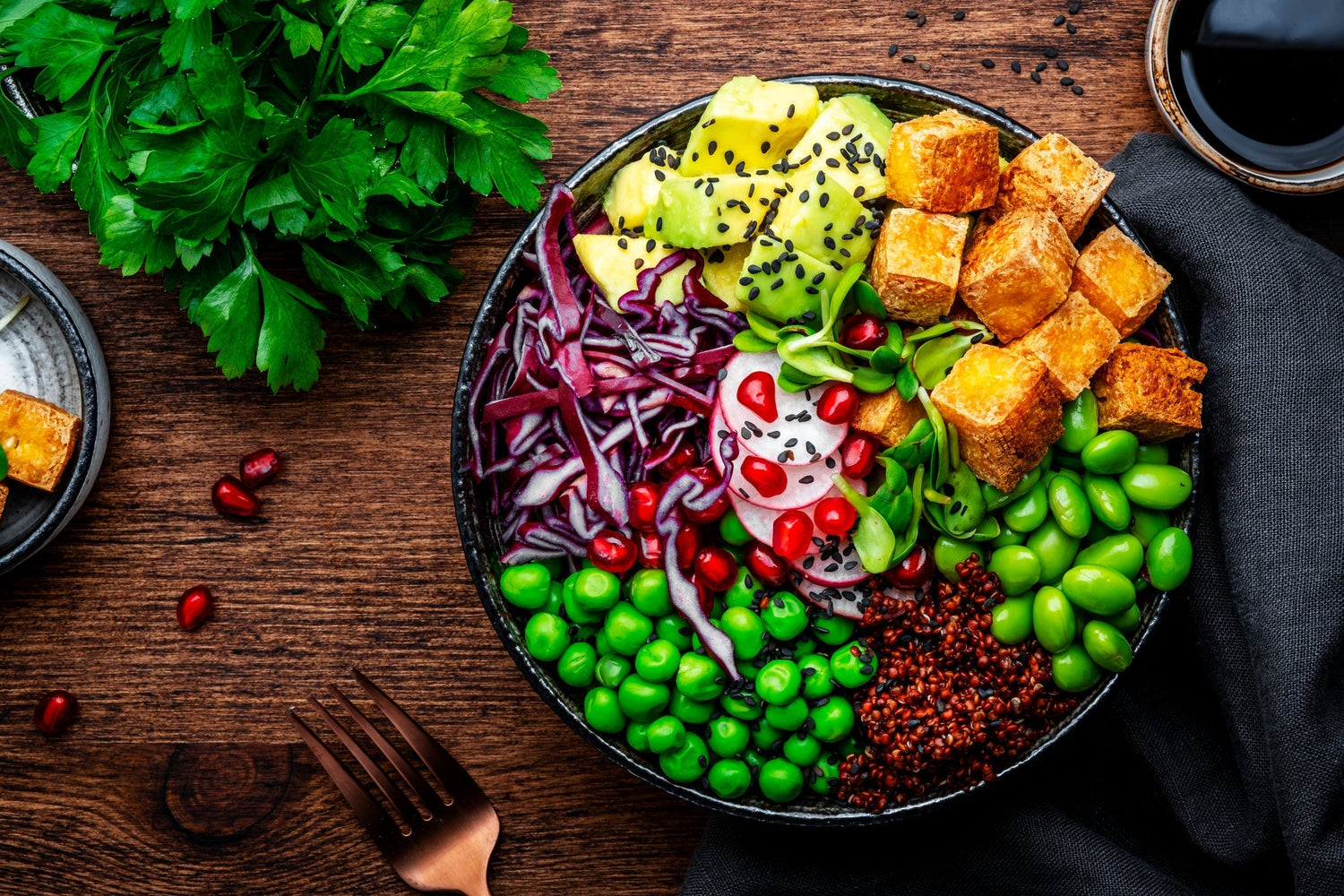
When people picture nutrient-dense foods, their minds often go straight to leafy greens, colorful fruits, or brightly packaged “superfoods” promising an instant health boost. Marketing and decades of dietary messaging have cemented the belief that vegetables and fruits alone are the ultimate sources of nourishment. Plants certainly offer vitamins, minerals, and fiber, yet the story goes deeper than the surface message suggests.
Nutrient density involves more than numbers printed on a chart, since absorption, consistency, and comparison to other foods all play major roles. What matters most is how well the body can use those nutrients, how reliable they are in today’s food supply, and how they stack up against sources like meat, eggs, and fish. Unfortunately, much of the produce found in stores today is far less nutrient-dense than it once was, leaving many people unknowingly falling short of the nutrition they believe they are getting.[1]
Soil Depletion and the Decline of Plant Nutrients
Soil health plays a crucial role in determining the nutrient content of plants. Decades ago, fields were teeming with microbes, rich in minerals, and replenished through practices such as grazing, composting, and crop rotation. Industrial farming methods disrupted this balance through monocropping, excessive use of fertilizers, pesticides, and continuous tilling. Over time, key minerals such as magnesium, zinc, and iron became scarce, leaving plants without access to the raw materials they once absorbed with ease.
Multiple studies comparing crops from the mid-20th century to today show striking declines in vitamins and minerals such as calcium, iron, phosphorus, and vitamin C, meaning that a carrot or apple your grandparents ate was significantly more nutritious than the one you find at the supermarket now.[2][3][4]
How Modern Breeding Dilutes Nutrition
Selective breeding has also played a major role in lowering nutrient density. Farmers and seed companies have focused on traits like rapid growth, high yields, uniform size, and longer shelf life rather than nutrient concentration. Bigger and more attractive produce now fills supermarket shelves, able to withstand long-distance shipping without damage, yet often containing fewer vitamins and minerals. Researchers refer to this as the “dilution effect,” as water-heavy, fast-growing crops accumulate bulk without a corresponding increase in nutritional value. In practice, this means that the enormous, glossy tomato on your counter may look beautiful, yet contain far fewer antioxidants and minerals than a smaller, heirloom variety grown in healthy soil. Consumers believe they are eating the same “nutrient powerhouse” produce advertised in nutrition charts, but the reality is that the numbers no longer add up the same way.[5][6]
Fruits and Vegetables Aren’t Always What They Seem
Leafy greens, such as spinach and kale, are often celebrated as iron-rich superfoods. Iron is present, but much of it binds to oxalates, which block efficient absorption in the body. Calcium exhibits a similar pattern, as the version in green is far less available than the calcium found in dairy products or bones in meats.[7]
Even vitamin C, one of the most celebrated nutrients in fruits and vegetables, can degrade rapidly in transit and storage, leaving a head of broccoli with far less than what the nutrition label suggests. This gap between perceived and actual nutrient delivery means that people relying heavily on plants for their micronutrients may unknowingly miss out, even when they feel they are making healthy choices.[8]
The Bioavailability Advantage of Meat
When animal foods are brought into the conversation, the comparison becomes clearer. Meat, eggs, and fish provide nutrients in forms that the human body absorbs more easily and uses more effectively. Heme iron from red meat is absorbed at a much higher rate than the non-heme iron in spinach or beans, which explains why vegetarians and vegans often struggle with iron deficiency despite eating plant foods high in iron on paper. Vitamin B12, critical for energy production and brain function, barely exists in plants yet appears in abundance in animal foods. Minerals such as zinc and selenium show up in higher concentrations in meat and seafood, and they also avoid the absorption blockers found in many plant sources. Vegetables may appear nutrient-dense when viewed on a chart, yet meat usually provides far more usable nutrition in a single portion.[9][10]
Meat vs. Modern Vegetables: A Nutrient Showdown
Looking at meat alongside vegetables is not about dismissing plants, but about recognizing where genuine nutritional gaps exist. A small portion of beef liver contains more vitamin A, iron, and B12 than pounds of spinach or carrots, and the body can use these nutrients immediately. Fatty fish such as salmon provide long-chain omega-3 fatty acids like DHA and EPA, compounds essential for brain health that are nearly impossible to obtain directly from plants.[11]
Even cuts of beef or chicken supply complete proteins and balanced amino acids that many plants do not provide in adequate amounts. Nutrient levels in vegetables, on the other hand, shift dramatically depending on soil health, storage conditions, and variety, which makes them far less consistent as sources of essential vitamins and minerals. The result is that while vegetables still play a role in health, they are not the stand-alone nutrient sources many assume them to be.[12][13]
The Marketing of “Superfoods”
Part of the confusion comes from how food is marketed. Labels like “superfood” highlight a single nutrient or antioxidant while ignoring the bigger nutritional picture. Blueberries often get praised for their antioxidants, yet they contribute very little in terms of minerals like zinc or iron. Kale supplies plenty of vitamin K, but it cannot provide the full spectrum of nutrients the body needs. Fruits and vegetables like these certainly have a place in a balanced diet, yet using them as a substitute for nutrient-dense animal foods can leave important gaps over time. Clever marketing has elevated certain plants to stars in the health world, creating an image that far exceeds their actual nutritional value. What people are left with is the illusion of density that does not always reflect what those foods can realistically deliver.[13][14]
Shelf Life and Nutrient Loss
Nutritional decline does not stop once food is harvested; it accelerates. Vitamins and minerals in fruits and vegetables begin breaking down immediately after picking, and the longer the time from field to plate, the more significant the losses. Transportation, storage in warehouses, supermarket display under bright lights, and finally sitting in a household refrigerator all contribute to this slow erosion of nutrient value. Even before cooking, which itself can degrade water-soluble vitamins like vitamin C and folate, produce may have already lost a substantial portion of what it once contained. A carrot eaten within hours of harvest is very different nutritionally from one that has traveled across the country and spent a week in cold storage.
Cooking compounds the problem further. Heat, water, and oxygen exposure degrade fragile compounds, leaving a plate of vegetables that looks colorful and appealing yet offers far less nutritional power than people assume. By the time broccoli, spinach, or kale makes it from store to steaming pot to dinner table, much of its vitamin C and other antioxidants may already be gone. What remains is often mostly fiber and water, valuable in their own way, but far from the nutrient-dense image attached to produce in marketing campaigns. In contrast, animal foods like meat, eggs, and fish maintain their nutrient integrity far more reliably from production to consumption.[15][16]
Why Regenerative Practices Matter
Nutrient decline in produce does not have to be permanent. Farms that restore soil health through practices such as cover cropping, animal grazing, and reduced tillage consistently produce crops with stronger vitamin and mineral profiles. Foods grown in living, mineral-rich soil tend to retain the depth of nutrition people once expected from fresh produce. Industrial farming methods may succeed in producing large harvests, yet they often leave plants with a shallow flavor and diminished nutrient content. Regenerative approaches revive the possibility of fruits and vegetables that genuinely nourish when paired with animal foods that remain dense and reliable sources of key nutrients.[17]
Research comparing conventional farming to regenerative practices reveals that when soil health is restored through crop rotation, cover cropping, and grazing, the nutrient levels in plants increase significantly. Put simply, plants are not naturally poor in nutrients; their quality reflects the way they are cultivated. Regenerative farms often grow kale, carrots, and tomatoes with far higher levels of vitamins and minerals than crops pulled from depleted, industrial soils. True nutrient density depends not just on what ends up on the plate, but on the farming practices that shape the food from the ground up. Pairing regeneratively grown vegetables with high quality meats creates the foundation for a more complete and reliable nutrient intake.[18]
Rethinking What “Nutrient-Dense” Really Means
People often hear the phrase “nutrient dense,” yet in many cases, it has been reduced to little more than a claim that a food contains vitamins. Real nutrient density involves both the concentration of nutrients and the body's ability to absorb them effectively. Foods may appear impressive on paper, but when absorption is poor, the nourishment never fully reaches the person eating them. Meats, organs, and seafood supply nutrients in forms the body can absorb and use right away, while vegetables vary in quality depending on farming methods and preparation. People aiming to build stronger health gain far more by shifting focus from trendy superfoods toward truly nutrient-dense animal foods.
Citations:
-
Bhardwaj, Raju Lal, et al. “An Alarming Decline in the Nutritional Quality of Foods: The Biggest Challenge for Future Generations’ Health.” Foods, vol. 13, no. 6, 14 Mar. 2024, article 877, doi:10.3390/foods13060877. pmc.ncbi.nlm.nih.gov
-
Davis, Donald R., et al. “Changes in USDA Food Composition Data for 43 Garden Crops, 1950 to 1999.” Journal of the American College of Nutrition, vol. 23, no. 6, Dec. 2004, pp. 669-82. DOI:10.1080/07315724.2004.10719409. PubMed
-
Bhardwaj, Raju Lal, et al. “An Alarming Decline in the Nutritional Quality of Foods: The Biggest Challenge for Future Generations’ Health.” Foods, vol. 13, no. 6, 14 Mar. 2024, article 877, DOI:10.3390/foods13060877. PubMed Central
-
Marles, R. J. “Mineral Nutrient Composition of Vegetables, Fruits and Grains.” Food Chemistry, vol. 231, 2017, pp. 36-48. sciencedirect.com
-
Davis, Donald R., Melvin E. Epp, and Hugh D. Riordan. “Declining Fruit and Vegetable Nutrient Composition.” HortScience, vol. 44, no. 1, 2009, pp. 15-19. ASHS
-
Bhardwaj, Raju Lal, et al. “An Alarming Decline in the Nutritional Quality of Foods: The Biggest Challenge for Future Generations’ Health.” Foods, vol. 13, no. 6, 2024, article 877, DOI:10.3390/foods13060877. pmc.ncbi.nlm.nih.gov
-
Phillips, Kathryn M., et al. “Stability of Vitamin C in Plant and Vegetable Homogenates Under Typical Processing and Storage Conditions.” Journal of Food Composition and Analysis, vol. 23, no. 2, 2010, pp. 253-59. ARS
-
Giannakourou, Maria C., et al. “Effect of Alternative Preservation Steps and Storage on Vitamin C Degradation in Fruits and Vegetables.” Foods, vol. 10, no. 2, 2021, article 440. PubMed Central
-
Carpenter, C. E. “Contributions of heme and nonheme iron to human nutrition.” American Journal of Clinical Nutrition, vol. 56, no. 3, Sept. 1992, pp. 531-537.
-
Obeid, Rima, et al. “Vitamin B12 Intake From Animal Foods, Biomarkers, and Deficiency in Population-Based Studies: A Review of Recent Evidence.” Nutrients, vol. 11, no. 4, Apr. 2019, article 786, doi:10.3390/nu11040786. pmc.ncbi.nlm.nih.gov
-
Hassan, A. A., et al. “Level of Selected Nutrients in Meat, Liver, Tallow and Bone: A Study on Nutrient-Dense Animal Foods.” Journal of Food Composition and Analysis, vol. 27, no. 2, 2012, pp. 133-40. PubMed Central
-
Sharma, Sunita, et al. “Contribution of Meat to Vitamin B-12, Iron, and Zinc Intakes in the Diets of Individuals.” Nutrients, vol. 5, no. 5, 2013, pp. 1865-76. PubMed Central
-
Sprague, M., et al. “Impact of Sustainable Feeds on Omega-3 Long-Chain Fatty Acids in Farmed Salmon.” Scientific Reports, vol. 6, Article 21892, 2016. nature.com
-
Montgomery, D. R., et al. “Soil Health and Nutrient Density: Preliminary Comparison of Regenerative and Conventional Farming.” Frontiers in Sustainable Food Systems, vol. 6, 2022, article 821429. PMC, doi:10.3389/fsufs.2022.821429. PubMed Central
-
Huey, Samantha L., et al. “A systematic review of the impacts of post-harvest handling on provitamin A, iron and zinc retention in seven biofortified crops.” Nature Food, vol. 4, 2023, pp. 978-985. DOI:10.1038/s43016-023-00874-y. Nature
-
Shezi, S., et al. “Physio-Metabolic Mechanisms Behind Postharvest Quality Deterioration in Fruits and Vegetables.” PMC, 2024. pmc.ncbi.nlm.nih.gov
-
Farmaha, B. S., et al. “Cover Cropping and Conservation Tillage Improve Soil Health in the Southeastern US Coastal Plain.” Agronomy Journal, vol. 114, no. 4, 2022, pp. 2028-2041. Acsess
-
Washington University News, “Farms following soil-friendly practices grow healthier food, study suggests.” UW News, 24 Feb. 2022. washington.edu













Leave a comment
All comments are moderated before being published.
This site is protected by hCaptcha and the hCaptcha Privacy Policy and Terms of Service apply.