


 Large Bag
 Travel Pack

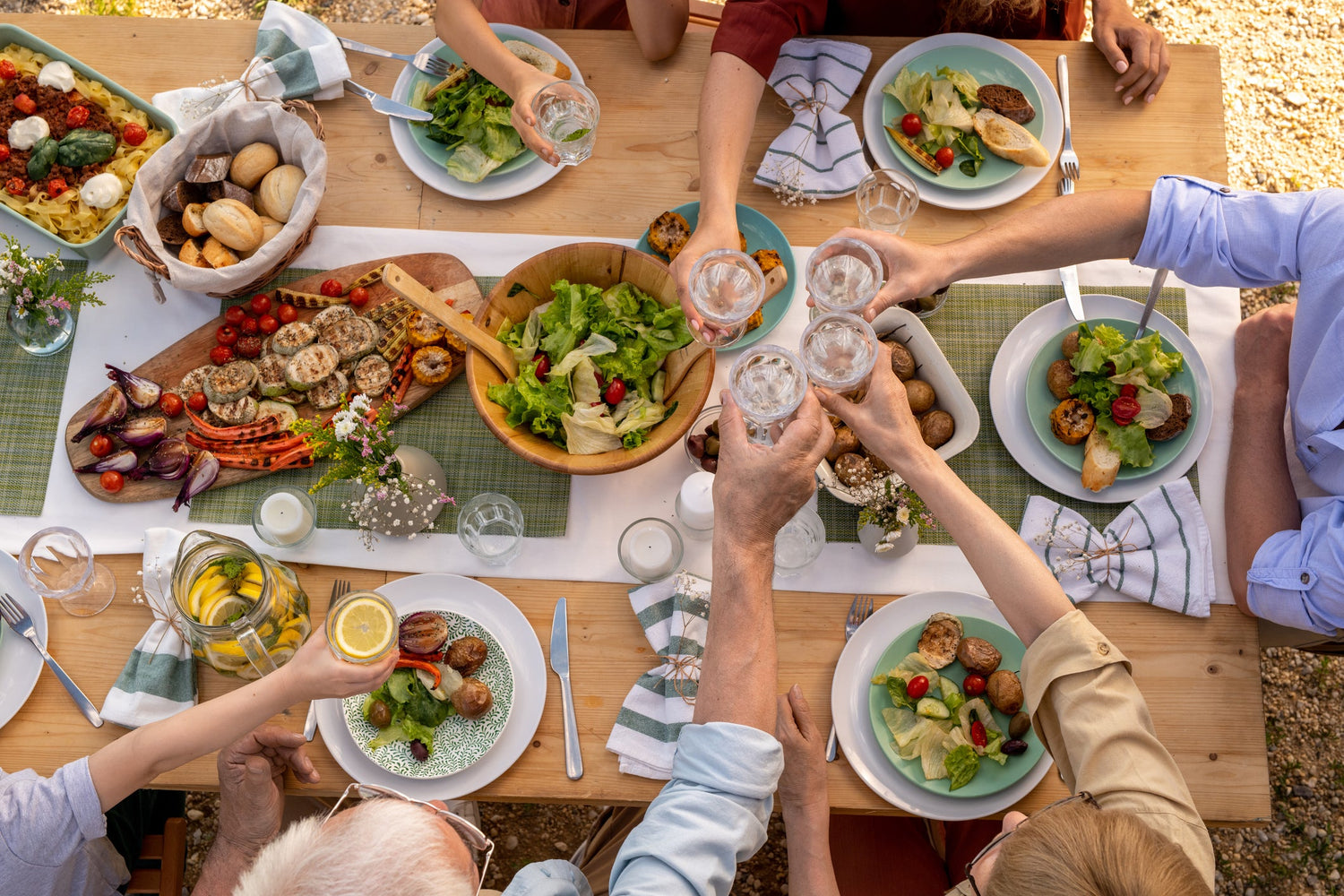
Supplements have become the new badge of self-care, but somewhere along the way, they lost the heart of what health really means. Swallowing a few capsules alone in the kitchen might check a box for nutrition, yet it rarely feeds the soul or strengthens the bonds that make us feel whole. That kind of ritual feels routine, distant from the warmth and meaning that once came from sharing real food around a table, when nourishment carried stories and connection. Health turns inward, tucked into quiet routines that happen far from the laughter and conversation that once made eating a shared experience. Somewhere along the way, nourishment drifted from the table to the countertop, leaving families with nutrients but without the shared experience that brings those nutrients to life.
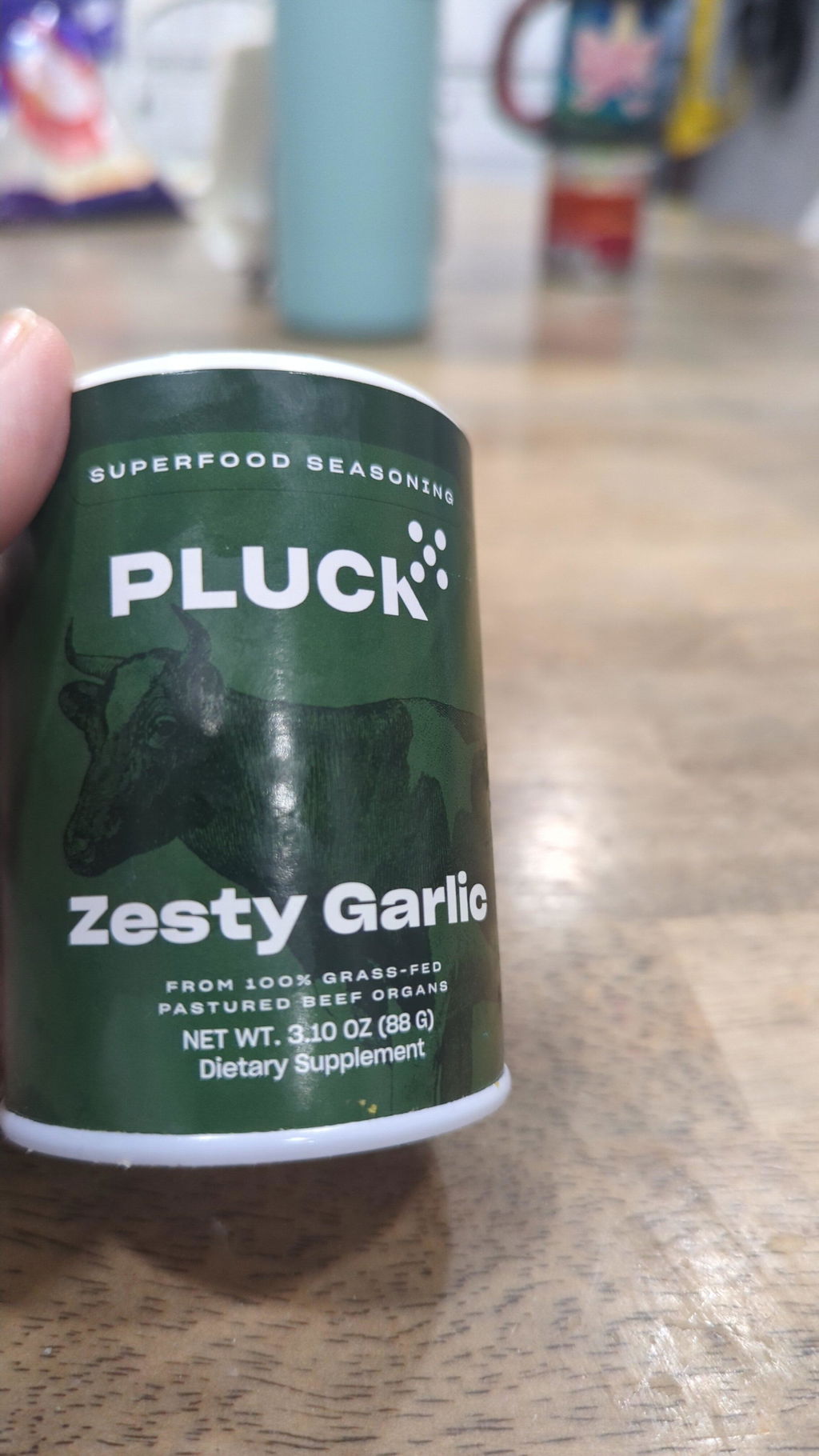
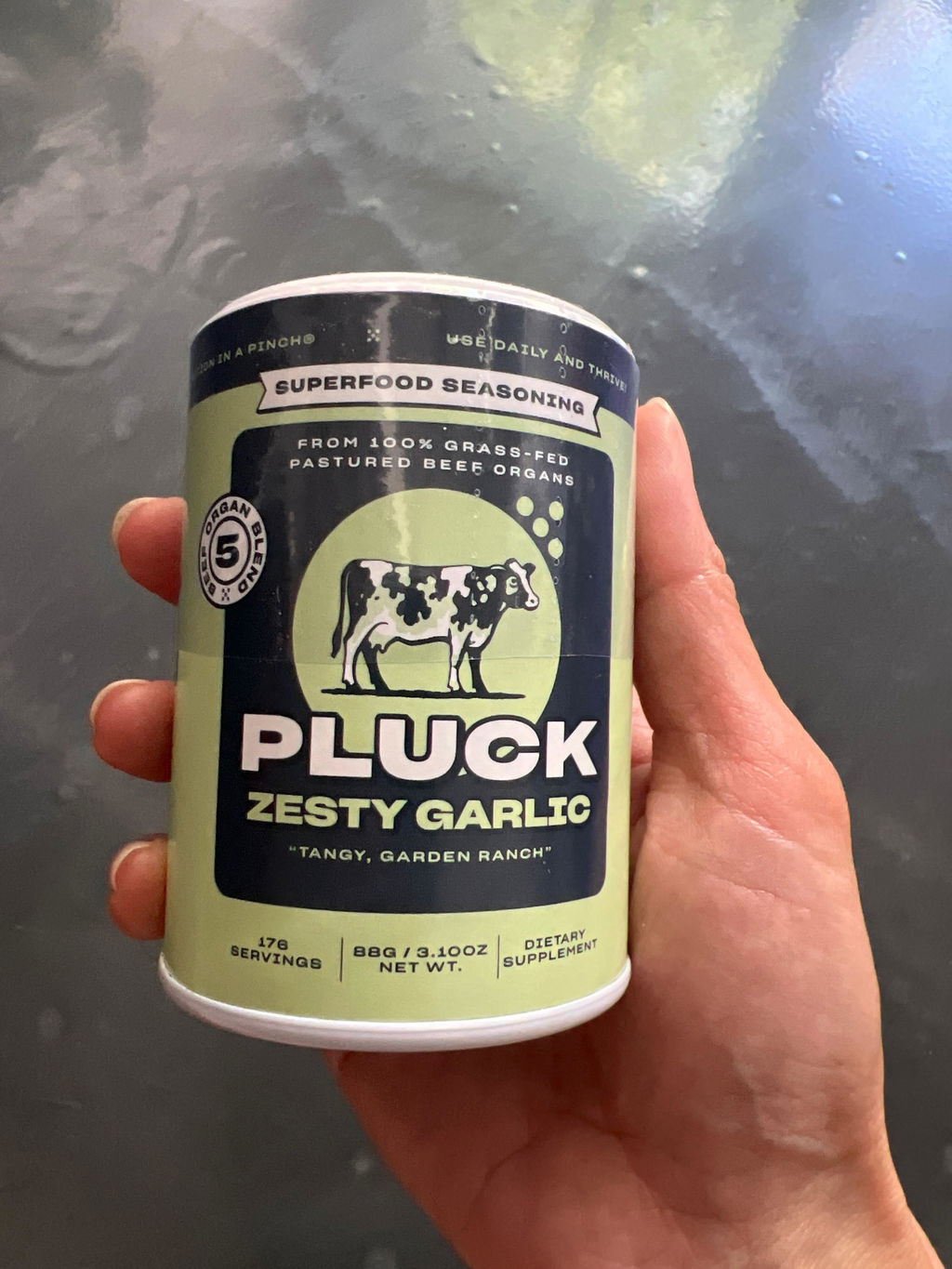
Pluck restores that connection. Every sprinkle invites the senses to participate in health rather than hide from it. Rich aromas rise from the skillet, filling the room with warmth before anyone even sits down. Depth of flavor from real food draws everyone closer, turning an ordinary dinner into something meaningful. Families begin to slow their pace, talking about what they’re eating and where it came from. Mealtime transforms into a moment of connection, where laughter, stories, and quiet lessons about health naturally flow between bites. Pluck brings health back to its rightful place, not in a bottle, but in the rhythm of shared meals where conversation, curiosity, and nourishment meet in the same moment.[1][2]
Why Supplements Created a Silent Health Culture
Many people treat health as a solo project. Vitamins are taken in secret moments between coffee and emails, rarely discussed or explained to children. Those who rely solely on pills and powders often miss the stories that make nutrition meaningful. When food loses its family connection, health turns into a quiet responsibility rather than a joyful celebration. The kitchen, once the center of learning and laughter, becomes another space of efficiency and routine.[3][4]
No child learns why magnesium matters from watching a parent swallow a capsule. They learn through repetition and shared experience—seeing what goes into the pan, smelling the seasonings, and hearing their parents talk about how certain foods make them feel. The culture of quiet supplementation has created a generation that knows about nutrients but not nourishment. Pluck reopens that conversation through food itself, reminding families that health is meant to be shared, discussed, and enjoyed together.[5][6]
When Health Tastes Good, It Becomes a Lifestyle
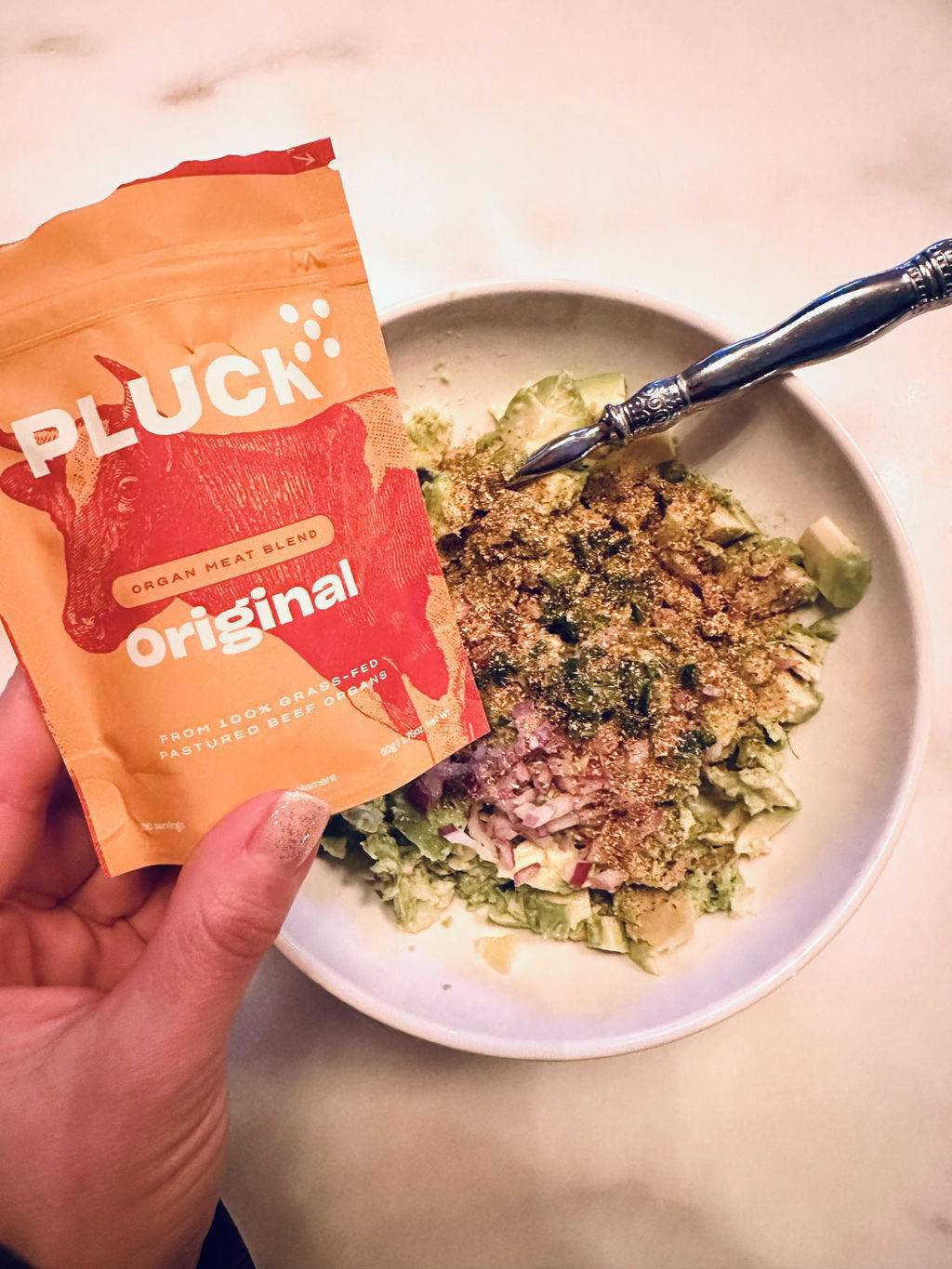
A meal seasoned with Pluck becomes a sensory experience that teaches without words. Each sprinkle contains the concentrated nutrients once found in organ meats, but in a form that feels familiar and delicious. As flavor deepens, so does understanding. Families begin to associate the taste of richness and depth with true nourishment rather than indulgence. Conversations start to shift from calories and restrictions to energy, vitality, and how food makes the body feel.
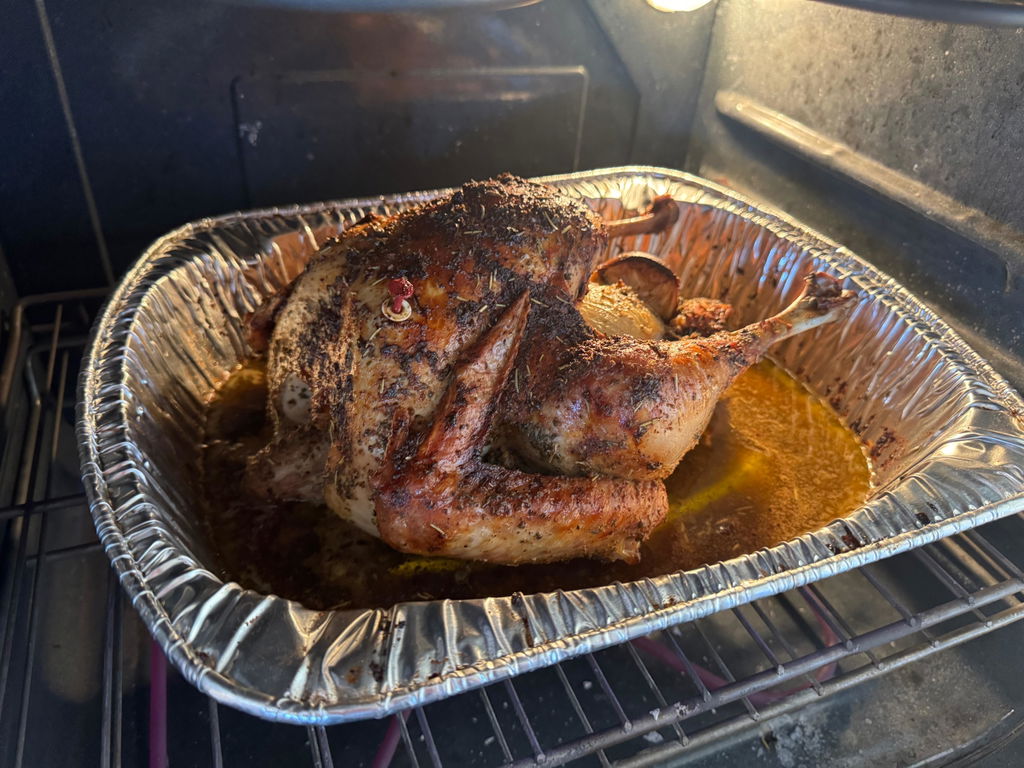
Children absorb those lessons through their senses. The smell of roast chicken seasoned with Pluck or the savory warmth of vegetables dusted with organ-rich spice can become a child’s first memory of what real nourishment tastes like. Impressions like these last far longer than any lecture or nutrition label ever will. They serve as quiet guides, helping the next generation sense what genuine food feels like in the body. Health that is tasted and shared, rather than analyzed, naturally grows into a way of living rather than a short-term goal.[7][8][9]
Reviving the Ancestral Table
For centuries, health education happened at the dinner table. Families gathered around meals that reflected local seasons, ancestral traditions, and lessons passed down through touch, taste, and story. Recipes carried wisdom that no supplement label could contain. Organ meats played a starring role, offering concentrated nutrition that supported growth, fertility, and resilience. The act of eating together strengthened both body and spirit, linking generations through shared nourishment and gratitude.[10]
Pluck bridges the past with the present. It brings organ nutrition back into modern kitchens in a form that fits today’s pace without losing depth or meaning. Each meal seasoned with Pluck honors ancestral wisdom while creating space for new family memories. Grandparents can talk about how their parents cooked, children can smell and taste that history without hesitation, and parents can model what it means to value whole foods. Health becomes a lived tradition rather than a list of rules.[11]
The Lost Art of Connection Through Food
Connection is a nutrient that cannot be bottled. The warmth of shared meals, the exchange of stories, and the act of slowing down long enough to taste what is on the plate all shape the body’s ability to receive nourishment. Families who cook together build relationships rooted in patience and curiosity. A child who stirs a pot or helps season a meal with Pluck learns far more than a recipe—they learn responsibility, care, and gratitude. Those lessons create emotional safety, which translates into better digestion, calmer eating habits, and a deeper respect for food.
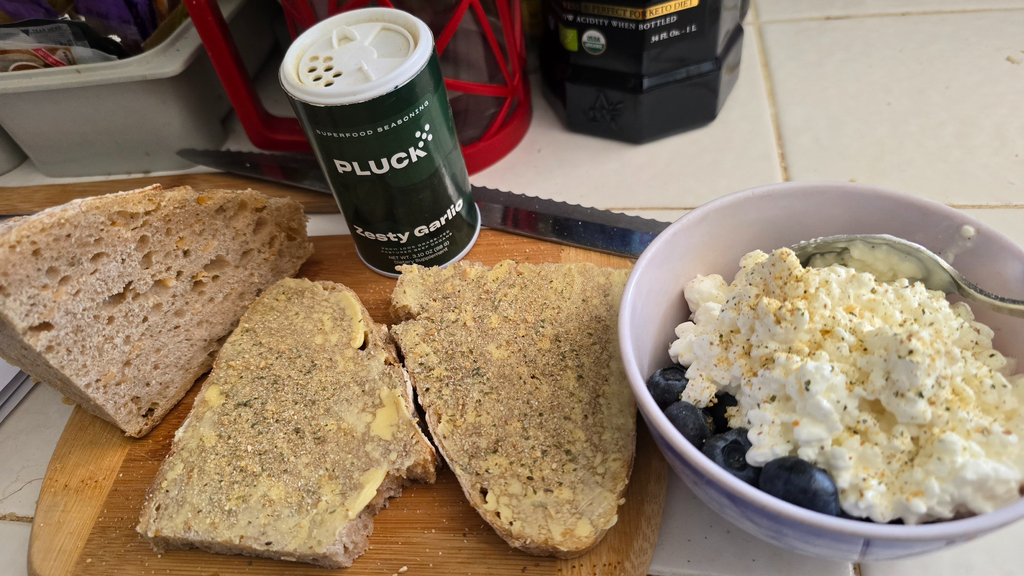
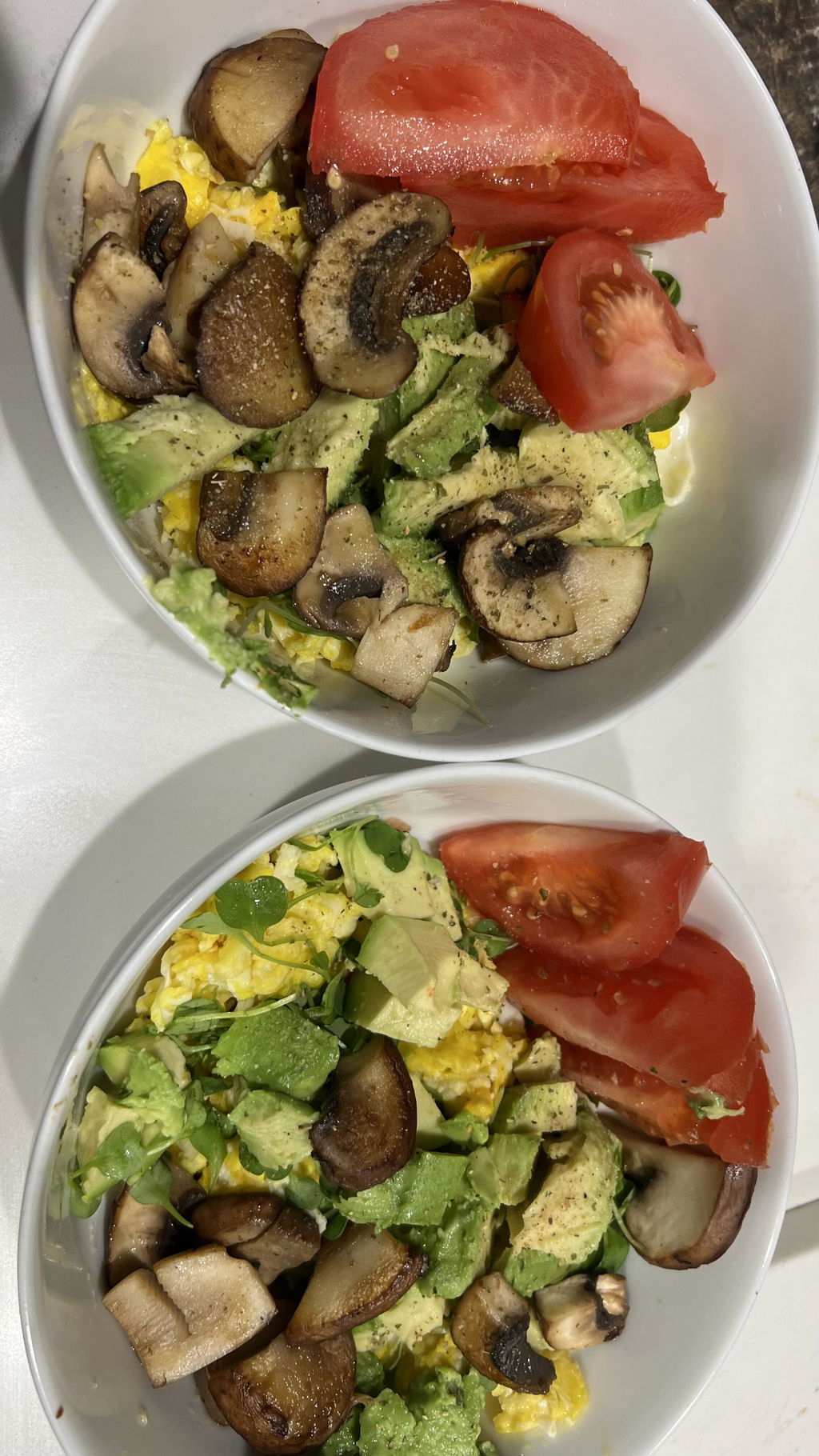
Small moments around food create lifelong impact. Gathering around a table without screens, inviting children to describe flavors, and recalling favorite meals creates space for genuine connection. Simple rituals such as sprinkling Pluck over scrambled eggs in the morning or seasoning roasted vegetables at night build steady rhythms the body learns to trust. Families who share laughter, conversation, and food exchange more than nourishment—they share presence and care. Energy passed between people during those moments becomes the quiet foundation for emotional balance and lasting physical health.[12][13]
Bringing Health Back Home
Health belongs at the dinner table, surrounded by laughter, curiosity, and the clatter of forks. When families season meals with Pluck, they rediscover that the path to wellness can be simple, flavorful, and shared. Supplements have their place, but they can never replace the power of a meal eaten with others. The conversation that happens over dinner, surrounding food, gratitude, and care. We’re shaping how children view their bodies and the choices they make later in life. Health becomes a family language again, one that everyone understands through experience rather than instruction.
Pluck offers a return to something timeless: nourishment as connection. Each meal seasoned with organ-rich flavor restores the relationship between food and vitality. Gathered at the dinner table, families learn lessons, keep traditions alive, and rediscover wellness as a shared experience that feels as good as it tastes. Each bite offers a chance to pass along something meaningful, whether it’s a sense of belonging, an appreciation for real food, or the understanding that true health begins in connection with others, not in isolation.
Citations:
-
Harrison, Martha E., et al. “Systematic Review of the Effects of Family Meal Frequency on Psychosocial Outcomes in Children and Adolescents.” Pediatrics, vol. 135, no. 5, 2015, pp. e119 – e119, PMC, https://www.ncbi.nlm.nih.gov/pmc/articles/PMC4325878/
-
“Benefits of Family Meals: Eat Together, Thrive Together.” HealthyChildren.org, American Academy of Pediatrics, 14 May 2024, https://www.healthychildren.org/English/family-life/family-dynamics/Pages/family-meals-eat-together-thrive-together.aspx.
-
Chae, Wonjeong, et al. “Association Between Eating Behavior and Diet Quality: Eating Alone vs. Eating with Others.” Nutrition Journal, vol. 17, no. 1, 2018, article 13. BMC, https://nutritionj.biomedcentral.com/articles/10.1186/s12937-018-0424-0.
-
Snuggs, Sarah, and Kylie McGregor. “Family Mealtimes: A Systematic Umbrella Review of Associations with Dietary Patterns, Weight Status and Psychosocial Outcomes.” Nutrients, vol. 15, no. 13, 2023, article 2841. MDPI, https://www.mdpi.com/2072-6643/15/13/28
-
Dickinson, Amanda, et al. “Health Habits and Other Characteristics of Dietary Supplement Use in the U.S. Adult Population.” Nutrition Journal, vol. 13, 2014, article 14. PMC, https://www.ncbi.nlm.nih.gov/articles/PMC3931917/.
-
Utter, Jennifer, et al. “Family Meals Among Parents: Associations with Nutritional and Weight-Related Behaviours for Children.” Public Health Nutrition, vol. 21, no. 2, 2018, pp. 226-235. PMC, https://www.ncbi.nlm.nih.gov/articles/PMC6309329/.
-
Nebraska Extension. “Increasing Sensory Awareness Through Food.” UNL Food, University of Nebraska–Lincoln, https://food.unl.edu/free-resources/newsletters/food-fun-young-children/increasing-sensory-awareness-through-food/. UNL Food
-
“The Importance of Sensory Play at Family Dinner.” The Family Dinner Project, June 2020, https://thefamilydinnerproject.org/newsletter/importance-of-sensory-play-at-family-dinner/. The Family Dinner Project
-
“Sensory Experiences of Eating.” Northwest Center Kids IMPACT, https://www.nwckidsimpact.org/blog/sensory-experiences-of-eating. nwckidsimpact.org
-
Price, Weston A. Nutrition and Physical Degeneration: A Comparison of Primitive and Modern Diets and Their Effects. Paul B. Hoeber, Inc., 1939.
-
Pollan, Michael. Cooked: A Natural History of Transformation. Penguin Press, 2013.
-
Fiese, Barbara H., et al. “Family Mealtimes: A Contextual Approach to Understanding Childhood Obesity.” Economics & Human Biology, vol. 10, no. 4, 2012, pp. 365-374. ScienceDirect, https://doi.org/10.1016/j.ehb.2012.04.004.
-
Dunbar, Robin I. M. “Breaking Bread: The Functions of Social Eating.” Adaptive Human Behavior and Physiology, vol. 3, no. 3, 2017, pp. 198-211. SpringerLink, https://doi.org/10.1007/s40750-017-0061-4.




Leave a comment
All comments are moderated before being published.
This site is protected by hCaptcha and the hCaptcha Privacy Policy and Terms of Service apply.