


 Large Bag
 Travel Pack


Modern life bombards people with stress at every turn, often in ways we don’t even realize. Constant digital notifications, long work hours, environmental pollutants, and a lack of sleep all contribute to a chronic background stress on the body. Over time, this “hidden” stress can leave a person feeling drained and overwhelmed even when nothing obvious is wrong. Our bodies evolved to handle short bursts of stress, but modern life keeps the pressure on continuously. In the face of this constant strain, the adrenal glands, mitochondria, and nervous system work overtime to keep us going.
Our body systems require a steady supply of nutrients to function effectively. Without consistent replenishment, they begin to falter. This is where nutrient-dense foods come into play. Organ meats offer a concentrated source of support for these critical systems. Including them regularly can help counterbalance the nutrient depletion that stress causes.[1][2]
The Hidden Stress of Modern Life
Everyday life in the modern world can trigger subtle yet persistent stress responses in the body. Racing between responsibilities, exposure to noise and artificial light at night, and the mental load of information overload all keep our physiological stress switch flipped “on.” We might not label these pressures as stress because we adapt and push through, but internally the body is working hard to maintain balance. The adrenal glands produce stress hormones, such as cortisol, to help us cope with challenges. Mitochondria in our cells rev up energy production to fuel our busy days, and our nervous system stays in a heightened state of alertness.[3]
Living in this fight-or-flight mode day after day taxes these systems, potentially leading to fatigue, irritability, and weakened resilience over time. In short, many of us are running on empty, struggling with the hidden stress of modern life, even as we attempt to go about our daily routines. Long-term exposure to low-grade stress quietly drains energy and nutrients without us even realizing it. Left unchecked, this can spiral into burnout or chronic health challenges. Supporting the body with proper nutrition becomes essential.[4]
Stress, Nutrient Depletion, and Resilience
Chronic stress doesn’t just affect mood and energy – it can also silently drain the body of vital nutrients. The biochemical processes of the stress response utilize a significant amount of vitamins and minerals. For example, stress causes the body to burn through B vitamins, vitamin C, magnesium, zinc, and other micronutrients at a faster rate than normal. This creates a vicious cycle: just when you need nutrients the most to cope with stress, they become depleted by the stress itself.
Many people today subsist on processed convenience foods that are low in these essential nutrients, which means their bodies may start at a deficit. Without enough vitamin C or B vitamins, the adrenal glands struggle to produce balanced stress hormones, and energy levels crash more easily. A shortage of minerals like magnesium or zinc can make anxiety and sleep issues worse, putting extra strain on the nervous system. When the body gets what it needs, it becomes easier to stay calm and handle stress. Restoring nutrient levels is often the missing piece in supporting a more resilient response to daily challenges.[5][6]
Organ Meats: Nature’s Nutrient Powerhouses
Organ meats rank among the most nutrient-rich foods available and offer real support when stress has taken a toll. Eating them helps replenish what the body loses during periods of strain, providing a solid foundation for recovery. These include the liver, heart, kidneys, and spleen, as well as others that traditional cultures prized as “superfoods.” These humble cuts are packed with a wide array of vitamins, minerals, and amino acids in higher concentrations than you find in regular muscle meat. Organ meats are often called “nature’s multivitamin” because they provide so many essential nutrients in a highly bioavailable form.[7]
Liver is exceptionally rich in vitamin A, vitamin B₁₂, folate (B₉), iron, copper, choline, and more. The heart and kidneys are rich in B vitamins, including B₁, B₂, B₆, and B₅ (pantothenic acid), as well as important co-factors such as Coenzyme Q10 and selenium. What makes organ meats special is not just the high levels of individual nutrients, but the synergistic mix of so many stress-fighting compounds in one package. Eating even small amounts of organ meat can deliver a real nutritional lift. Nutrients in these foods help rebuild what stress often drains from the body.[8]
Supporting the Adrenal Glands Under Stress
Adrenal strength plays a key role in how well you cope with stress. Organ meats offer natural support by supplying important nutrients that feed these busy glands. High levels of vitamin C are found in the adrenals, where it is used to make cortisol and other key hormones during stressful times.
During times of stress, the adrenals rapidly use up vitamin C, so it’s important to replenish it. While fruits are a common source of vitamin C, organ meats like beef spleen and liver also contain small amounts of vitamin C.
Organ meats truly shine when it comes to pantothenic acid (vitamin B₅), often nicknamed the “anti-stress vitamin.” Vitamin B₅ is a key player in adrenal hormone production: it helps the adrenal glands create cortisol as needed and prevents them from overreacting. Foods like liver and kidney are among the richest natural sources of B₅, providing the raw materials for healthy adrenal function. Organ meats are also abundant in vitamin B₆ and magnesium, which support the adrenal glands and the enzymes that drive hormone synthesis. For anyone struggling with “adrenal fatigue” or burnout, incorporating nutrient-dense organs into meals can be a game-changer.[9][10]
Fueling Mitochondrial Energy for Resilience
Mitochondria are the tiny power plants in our cells that produce energy, and they are vital for resilience because a well-energized body handles stress far better than a fatigued one. Organ meats provide a wealth of nutrients that fuel and protect the mitochondria, keeping our energy levels stable even under pressure. One superstar nutrient found in organ meats – especially in heart tissue – is Coenzyme Q10. CoQ10 is a coenzyme that lives in the mitochondrial membrane and is essential for generating ATP energy.[11]
Our hearts naturally have high levels of CoQ10, and when we eat heart meat, we obtain this compound. Heart and liver offer something your body can feel right away, real energy support. CoQ10 found in these organs helps your mitochondria, the power plants of your cells, work better. When your mitochondria are running smoothly, your energy holds steady, even during long or stressful days. Fatigue feels lighter and endurance starts to come back.[12]
Kidneys and heart also carry alpha lipoic acid, another nutrient with a big job. It shields mitochondria from damage and helps bring other antioxidants, like glutathione and vitamin C, back to life so they can keep working. This kind of support builds from the inside out and helps your body stay strong and focused under pressure.
This nutrient plays a key role in regenerating other antioxidants in the body, including glutathione and vitamins C and E, giving your system extra resilience when under pressure.[13]
By shielding the mitochondria, alpha-lipoic acid keeps the cell’s energy factories running smoothly. Organ meats are rich in iron and vitamin B12, two nutrients that work hand in hand to support cellular energy. Iron helps our blood carry oxygen to all our tissues, and B₁₂ is needed for red blood cell formation and for numerous metabolic reactions in mitochondria. Many people under stress develop fatigue, partly due to low iron or vitamin B₁₂ levels. Liver is among the best sources to correct these deficiencies.[14]
Nourishing the Nervous System and Mind
When it comes to stress, much of the battle is fought in the nervous system. A well-nourished brain and balanced nerves help us stay calm, focused, and positive even in adversity. Organ meats provide several hard-to-get nutrients that specifically support the nervous system and mental health. One of the standout nutrients is vitamin B₁₂, which is abundant in liver, kidneys, and heart. Vitamin B₁₂ is essential for building and maintaining healthy nerve cells and brain tissue.[15]
B₁₂ helps form the myelin sheath and is essential for synthesizing neurotransmitters that regulate mood. A deficiency in B₁₂ can lead to symptoms like anxiety, depression, brain fog, and poor concentration. Organ meats also provide choline, particularly in the liver. Choline is a nutrient that the body uses to produce acetylcholine, a neurotransmitter involved in memory and relaxation. Adequate choline intake supports better cognitive function and a more stable mood.[16]
Organ meats provide vitamin B₆ and folate (B₉), both of which help in creating neurotransmitters such as serotonin and GABA that promote a sense of calm. These B vitamins protect the brain from inflammation and support long-term brain health. Liver and spleen contribute zinc and selenium – minerals that play roles in mood regulation and in preventing excessive oxidative stress in the brain. These nutrients work together to nourish the nervous system. People who include organ meats in their diet often report improved mental clarity and a more even-keel mood.[17]
Building Stress Resilience with Ancestral Foods
Supporting the adrenal glands, energizing the mitochondria, and nourishing the nervous system helps build a foundation of resilience against stress. When your body has the vitamins and minerals it needs, it can mount a healthy stress response without depleting itself. You may notice you don’t get as easily fatigued by long workdays or as overwhelmed by minor challenges. That is the power of being nutritionally fortified. In many ways, organ meats are a natural remedy for the strains of modern living.
Our great-grandparents often incorporated liver, heart, and other offal into their diets as cherished staples. That likely contributed to their robust constitutions in tougher times. Today, people can learn from that wisdom. Instead of turning first to caffeine or sugary snacks when run-down, choosing a nutrient-dense meal might address the root cause of the exhaustion. A hearty stew with some liver blended in or tacos made with a bit of diced heart can provide a serious nutritional uplift.
Over time, these small dietary inclusions can shore up stress-defense systems. Think of it like strengthening the foundation of a house. With the right building blocks in place, you become much more stable and resilient when storms hit. Returning to these traditional foods provides your body with the tools it needs to handle stress, adapt to challenges, and recover more quickly. Stress will always be a part of life, but how we equip our bodies can make all the difference in how well we weather it.[18][19][20]
Organ Meats in the Modern Diet (and How Pluck Can Help)
Incorporating organ meats into your diet is a smart, time-tested strategy to help fight the hidden stress of modern life. Not everyone is ready to cook liver and kidney at home. The good news is that there are convenient and approachable ways to get these benefits. One easy option is to start small: mix a little ground liver into hamburger patties or blend some chicken liver into a flavorful pâté. Often you won’t even notice it’s there, but your body will thank you.
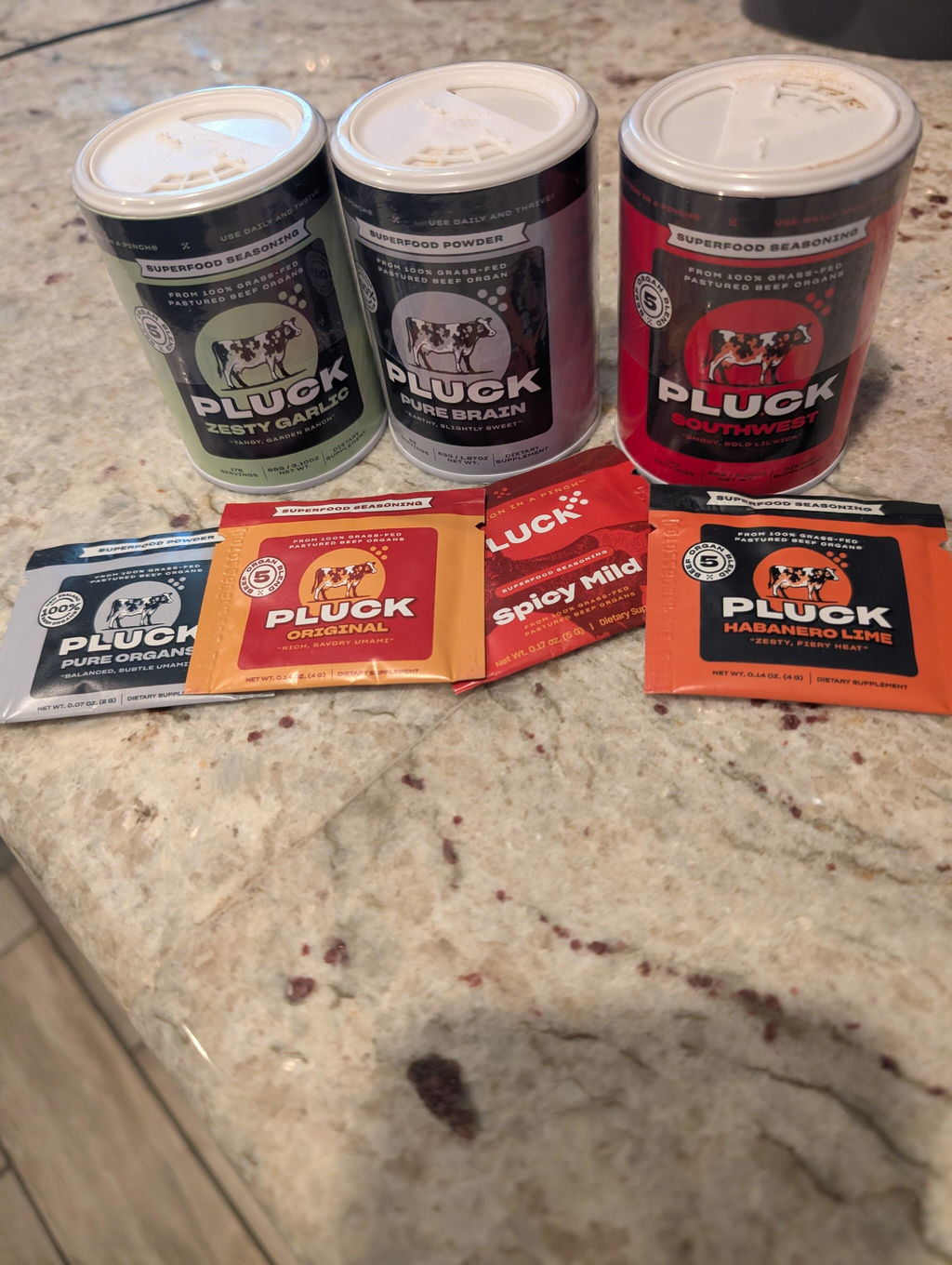
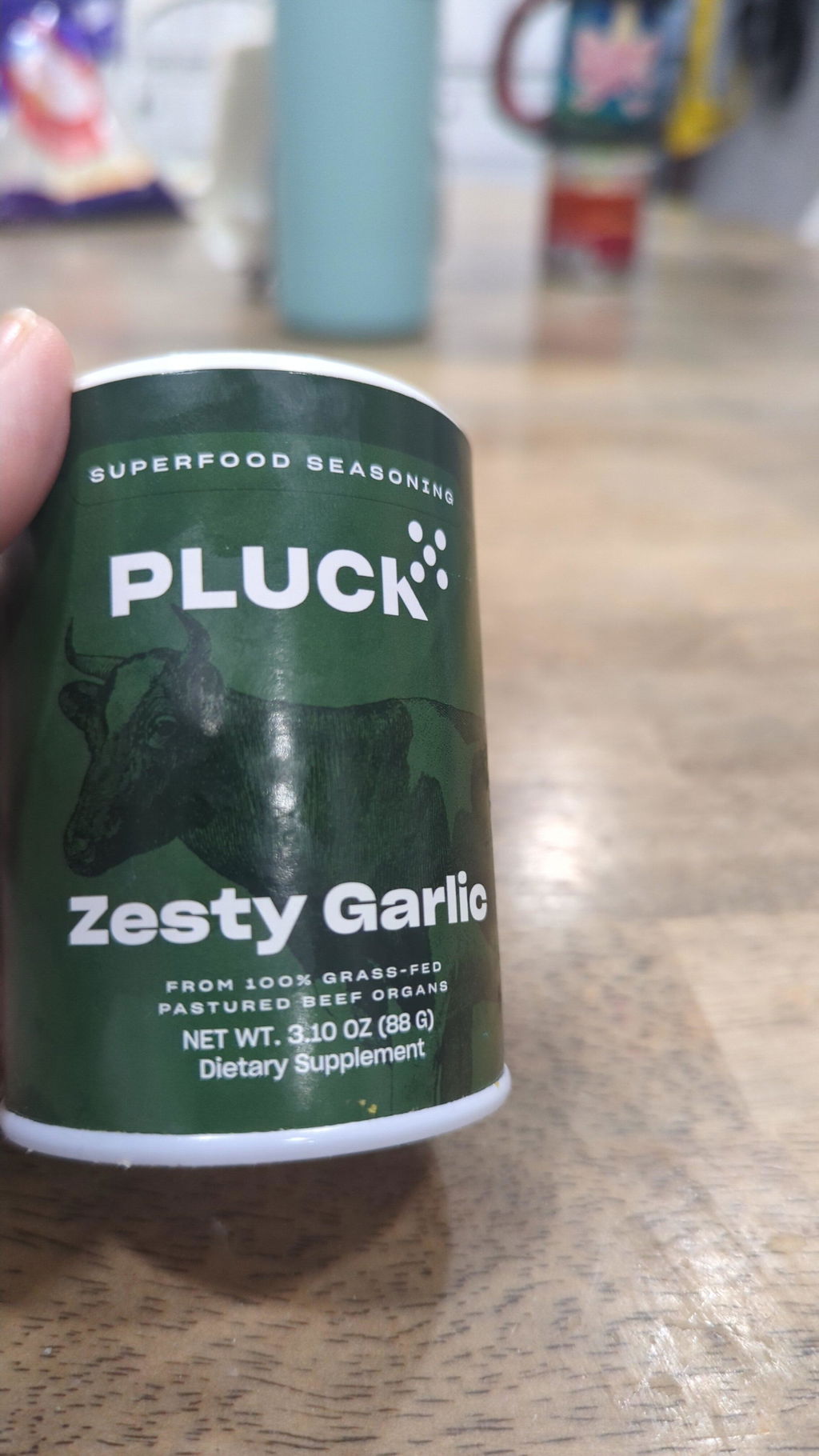
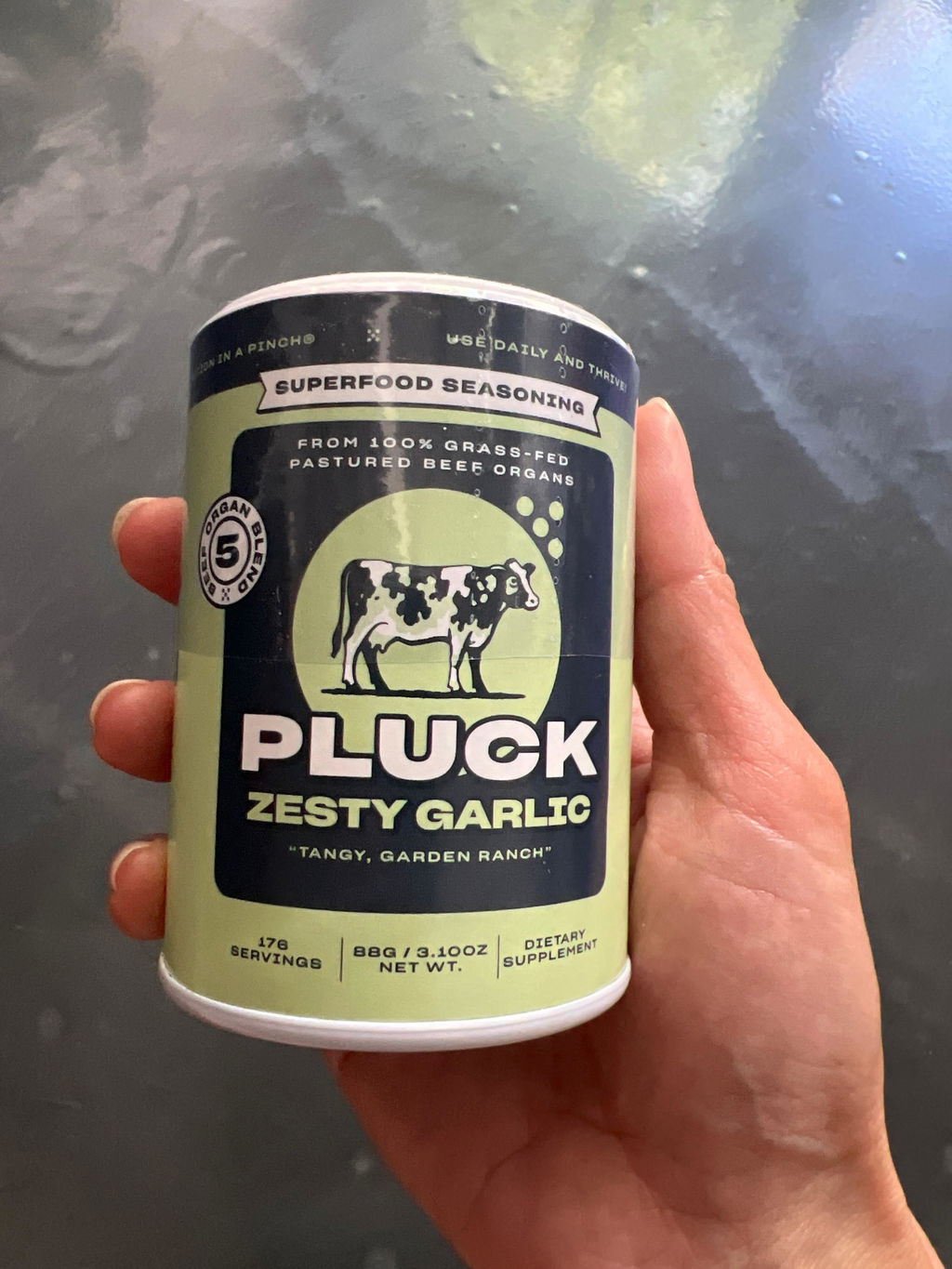
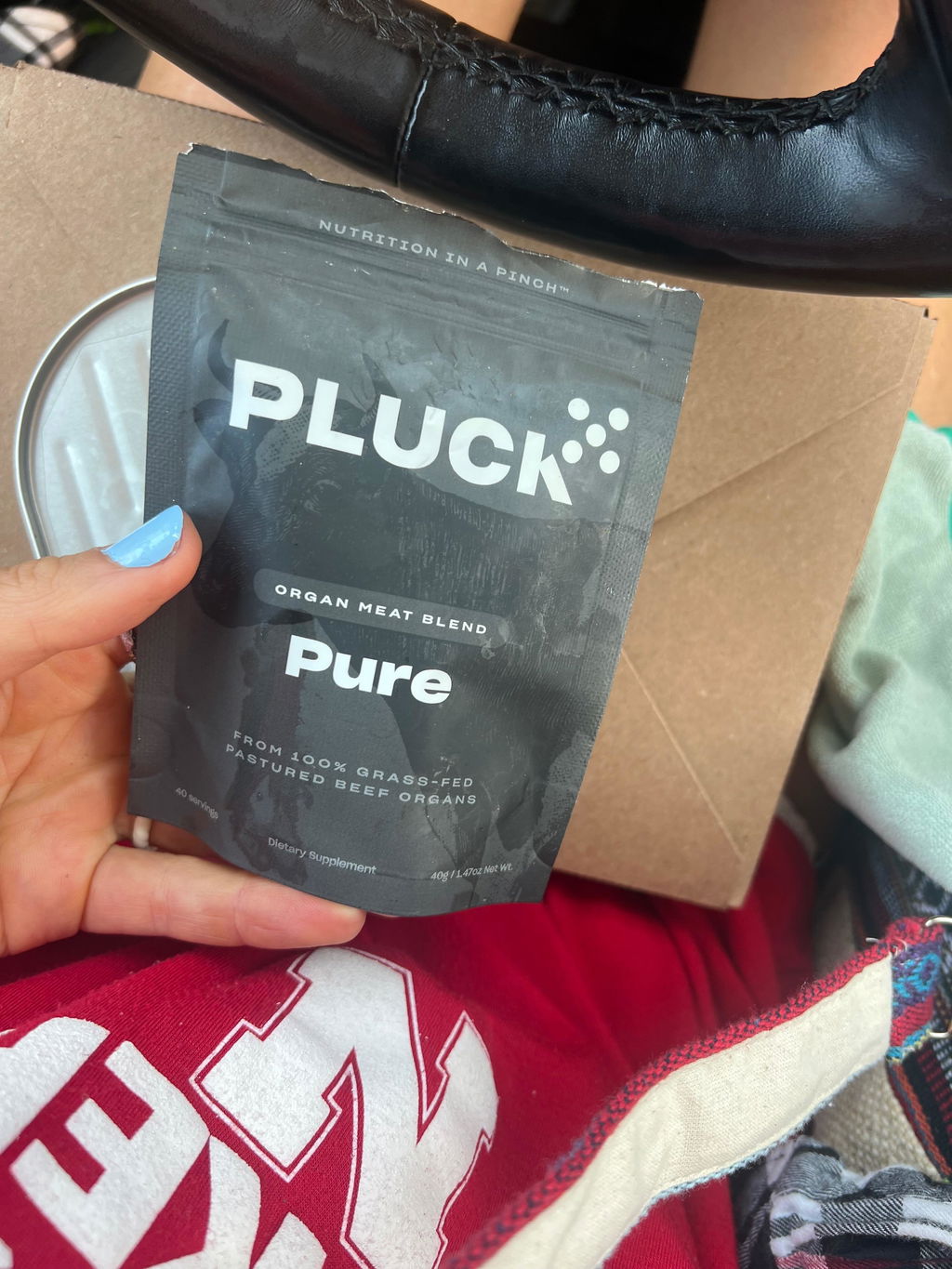
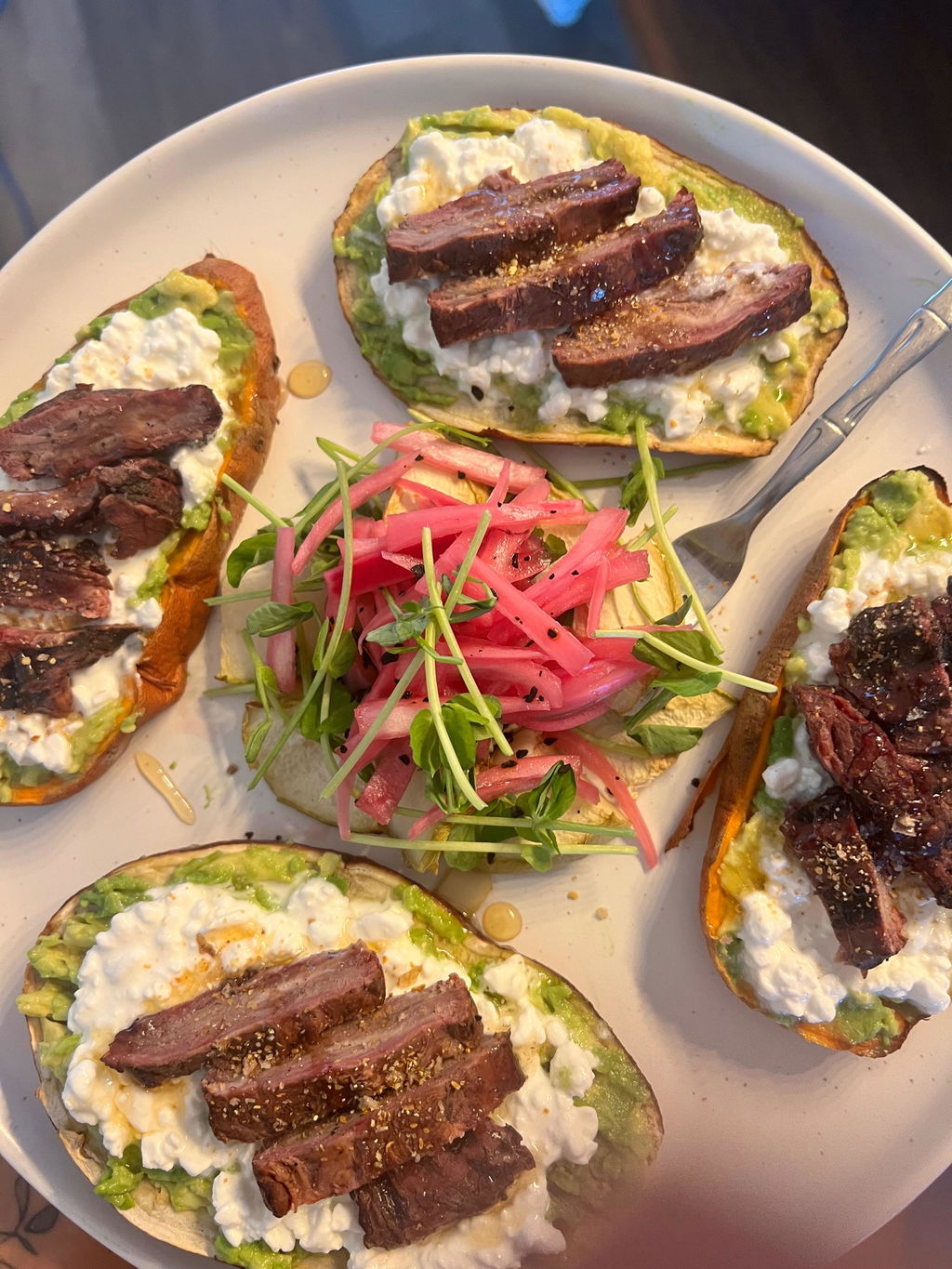
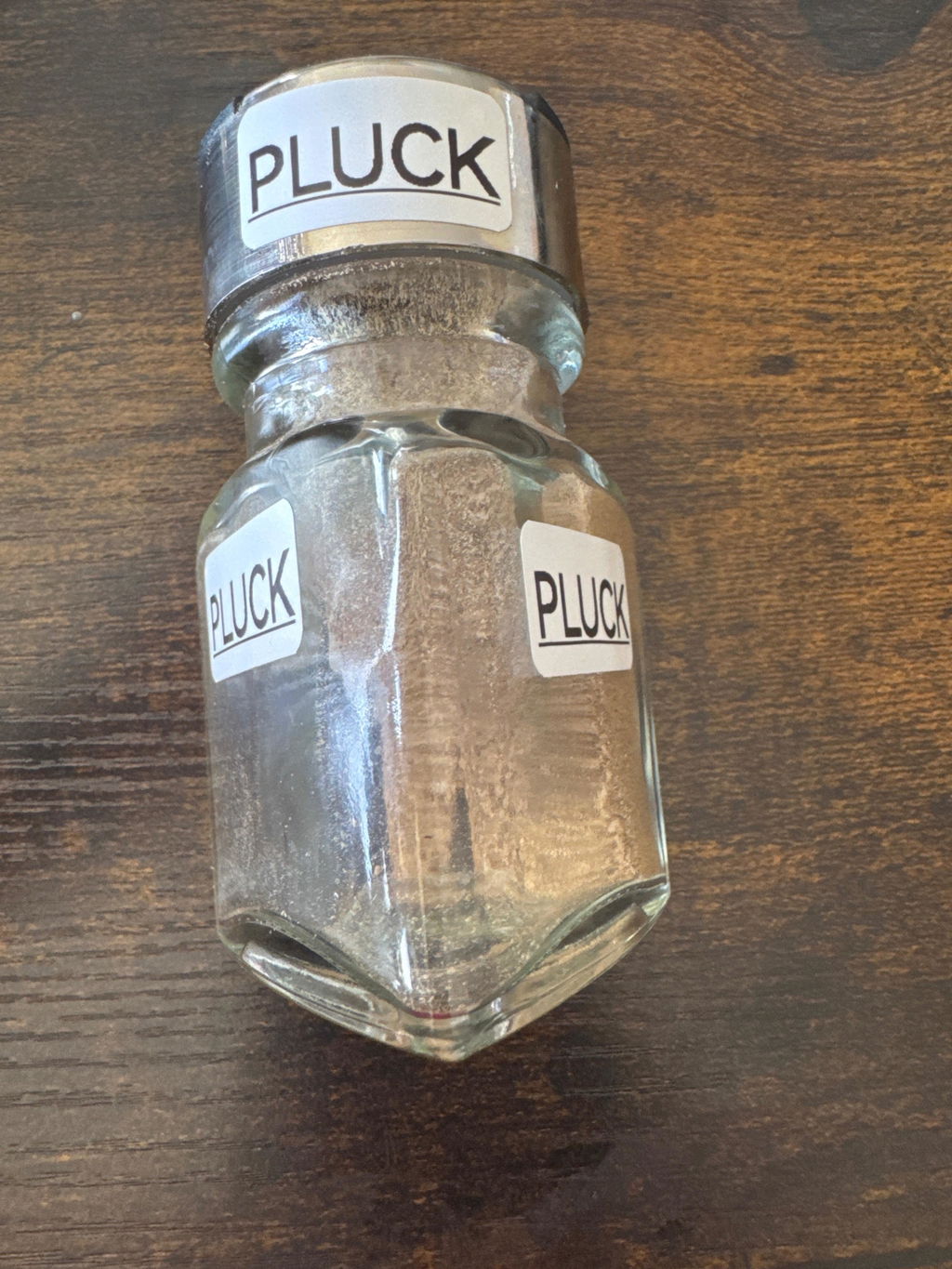
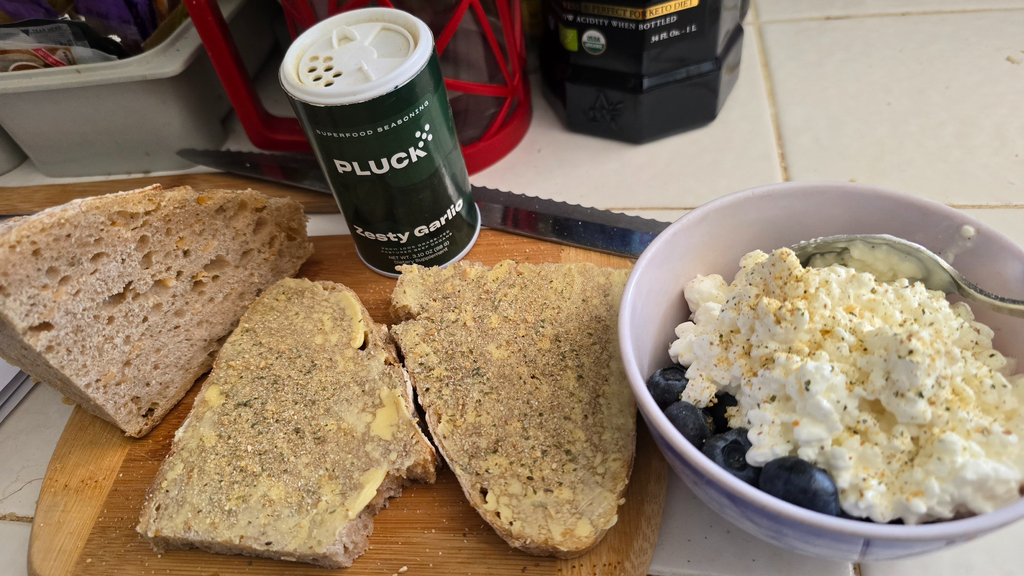
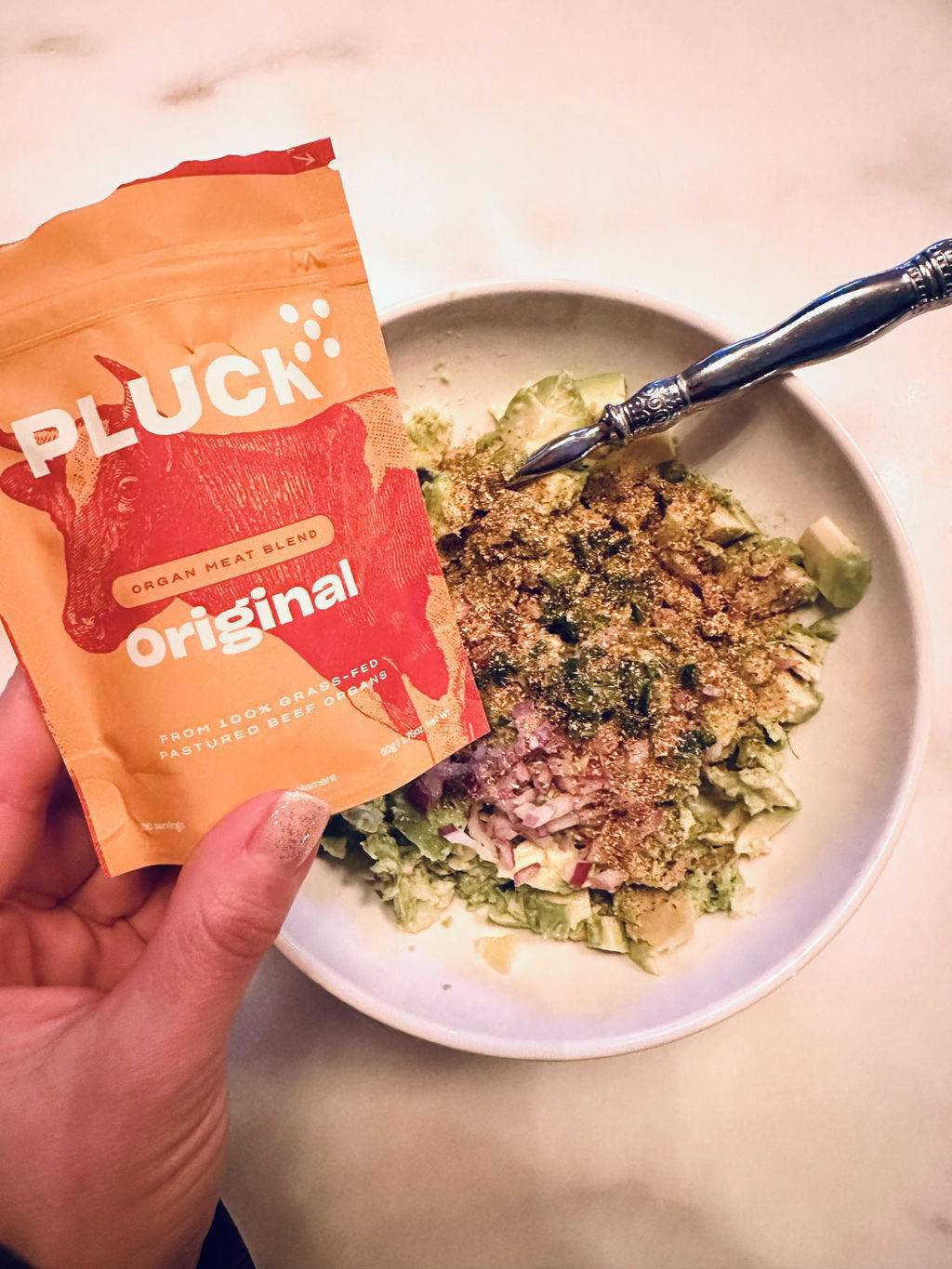
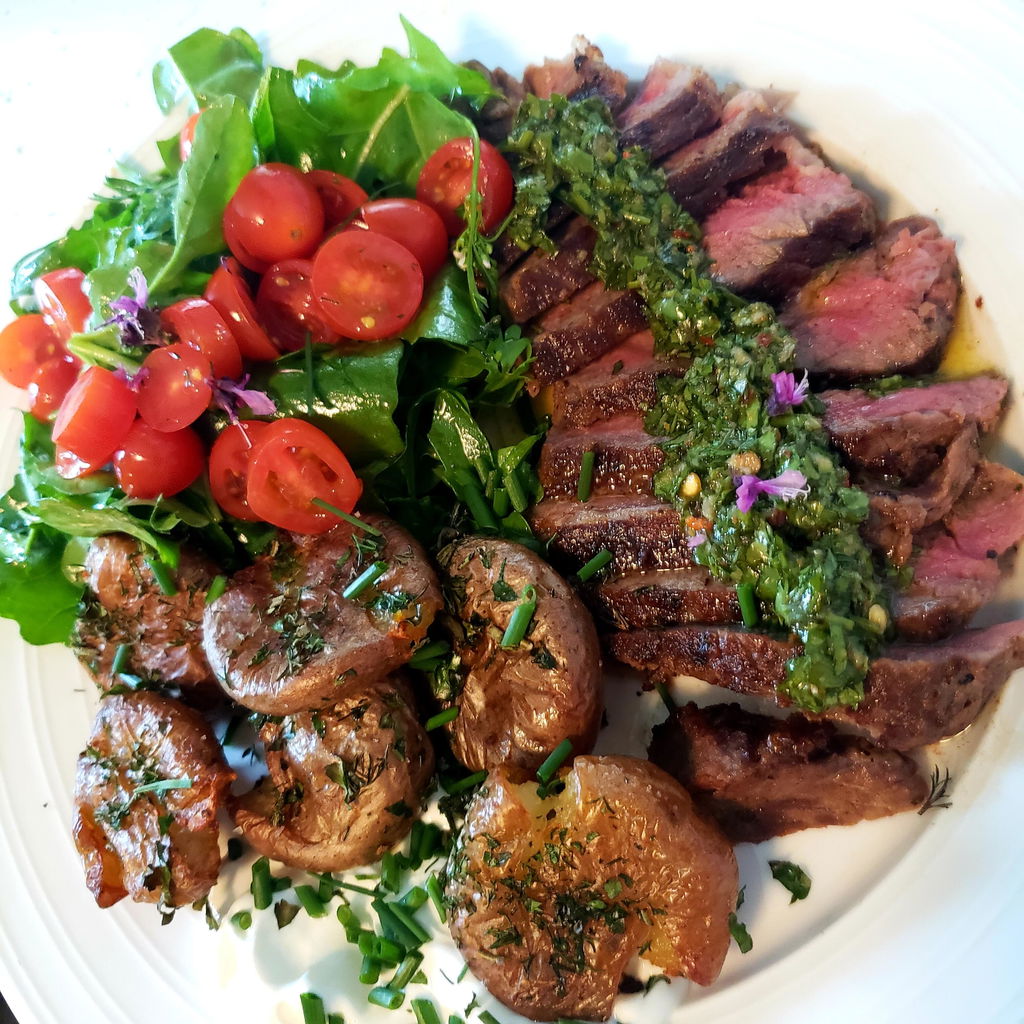
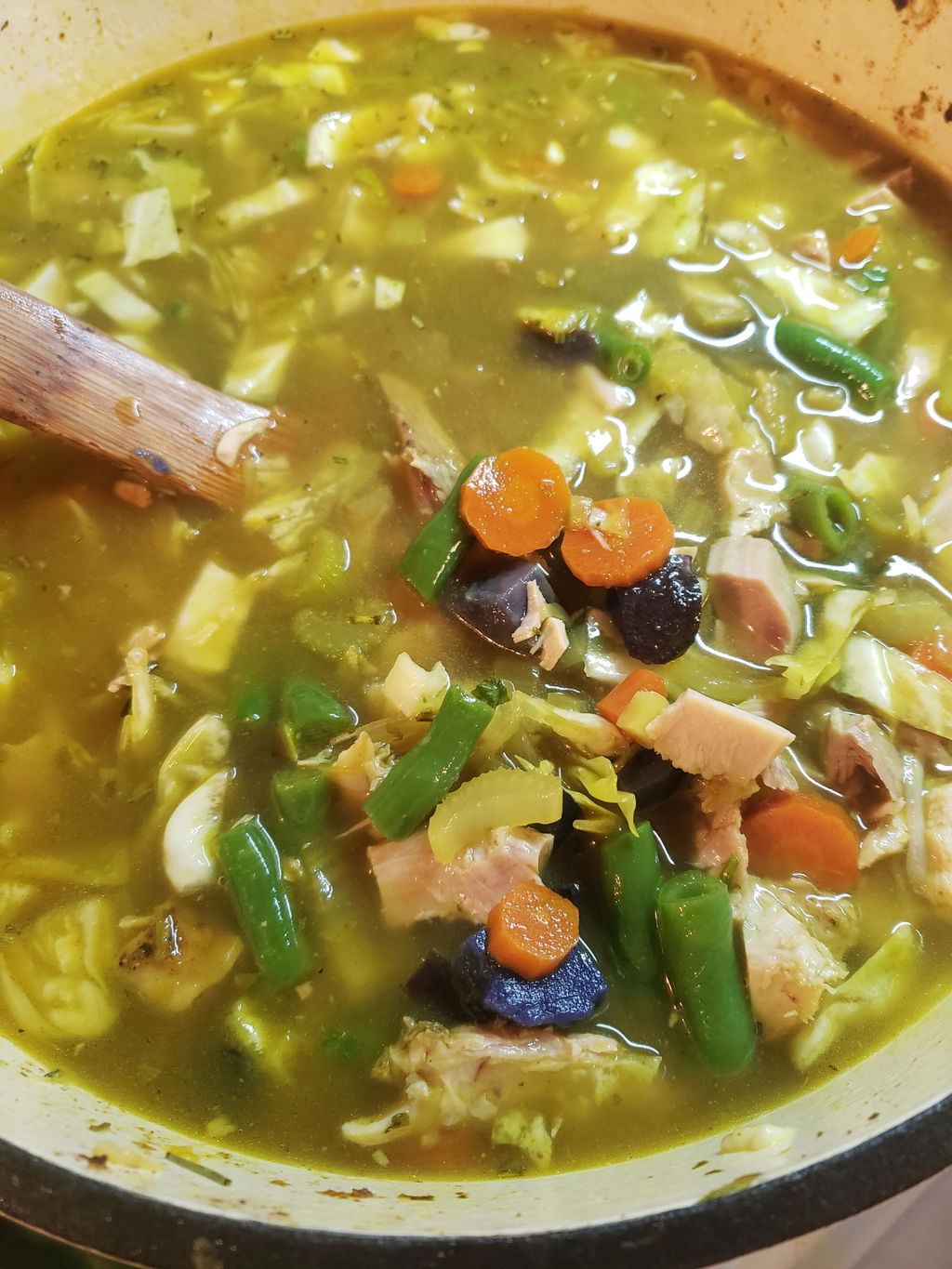
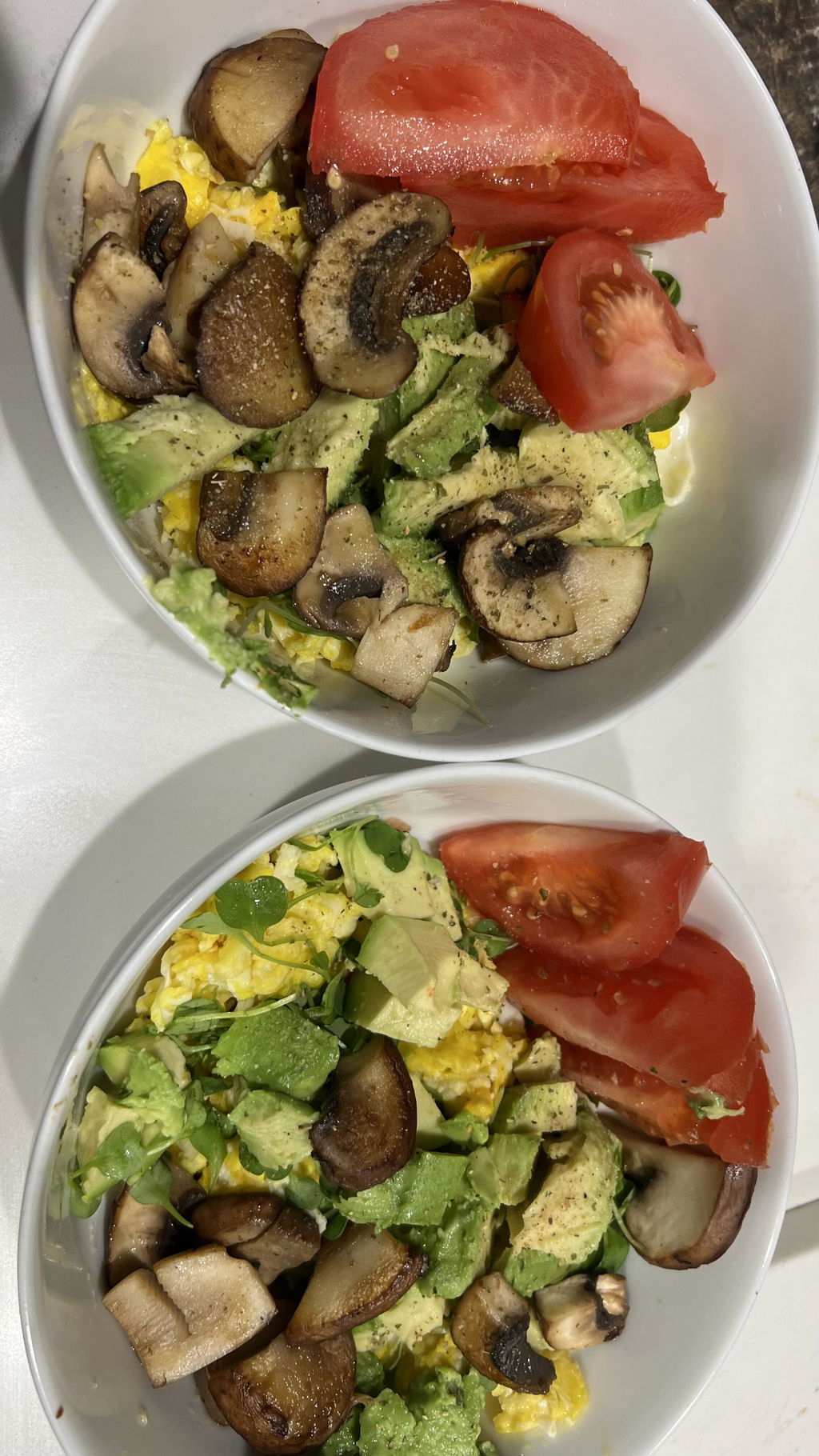
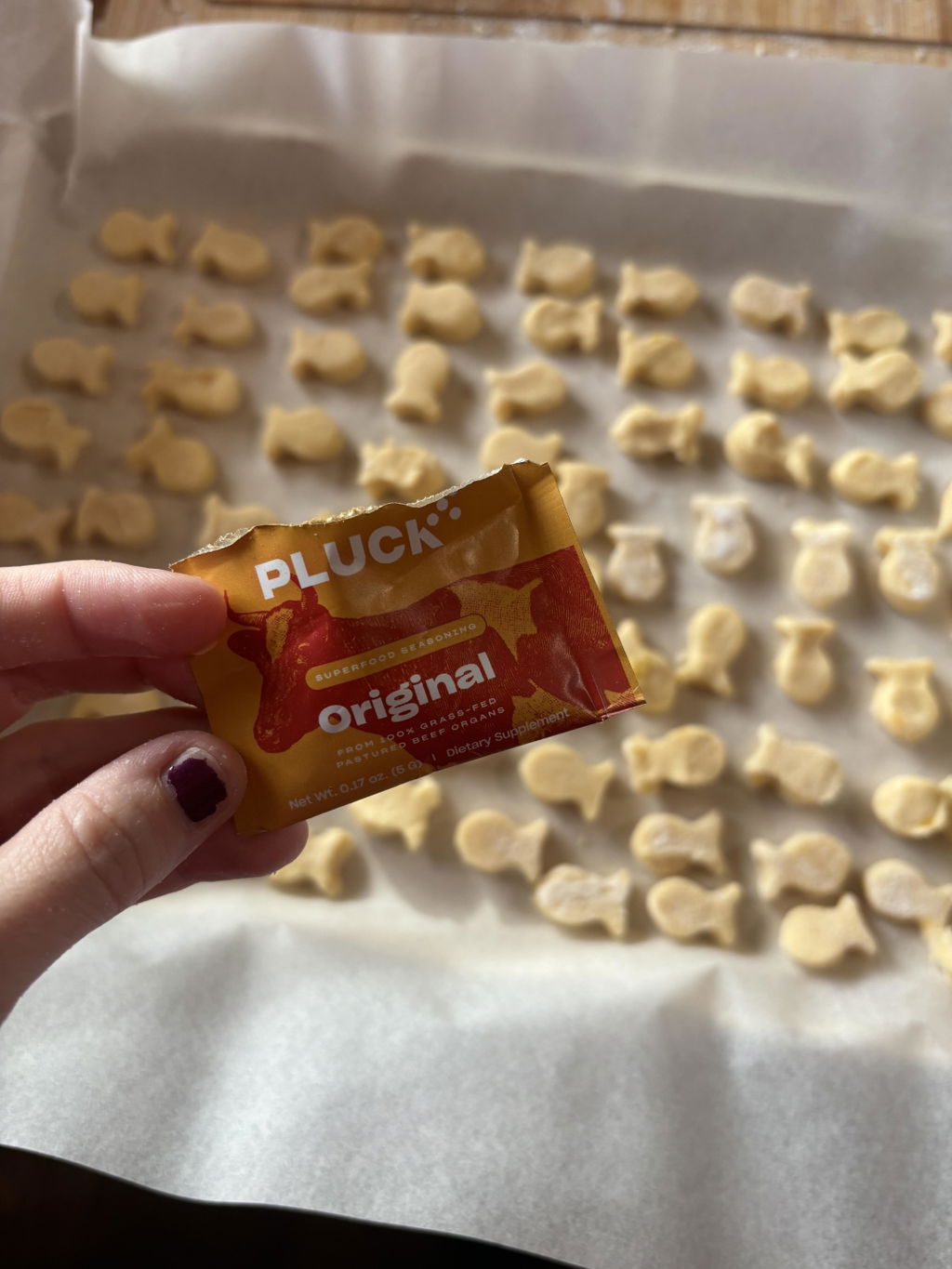
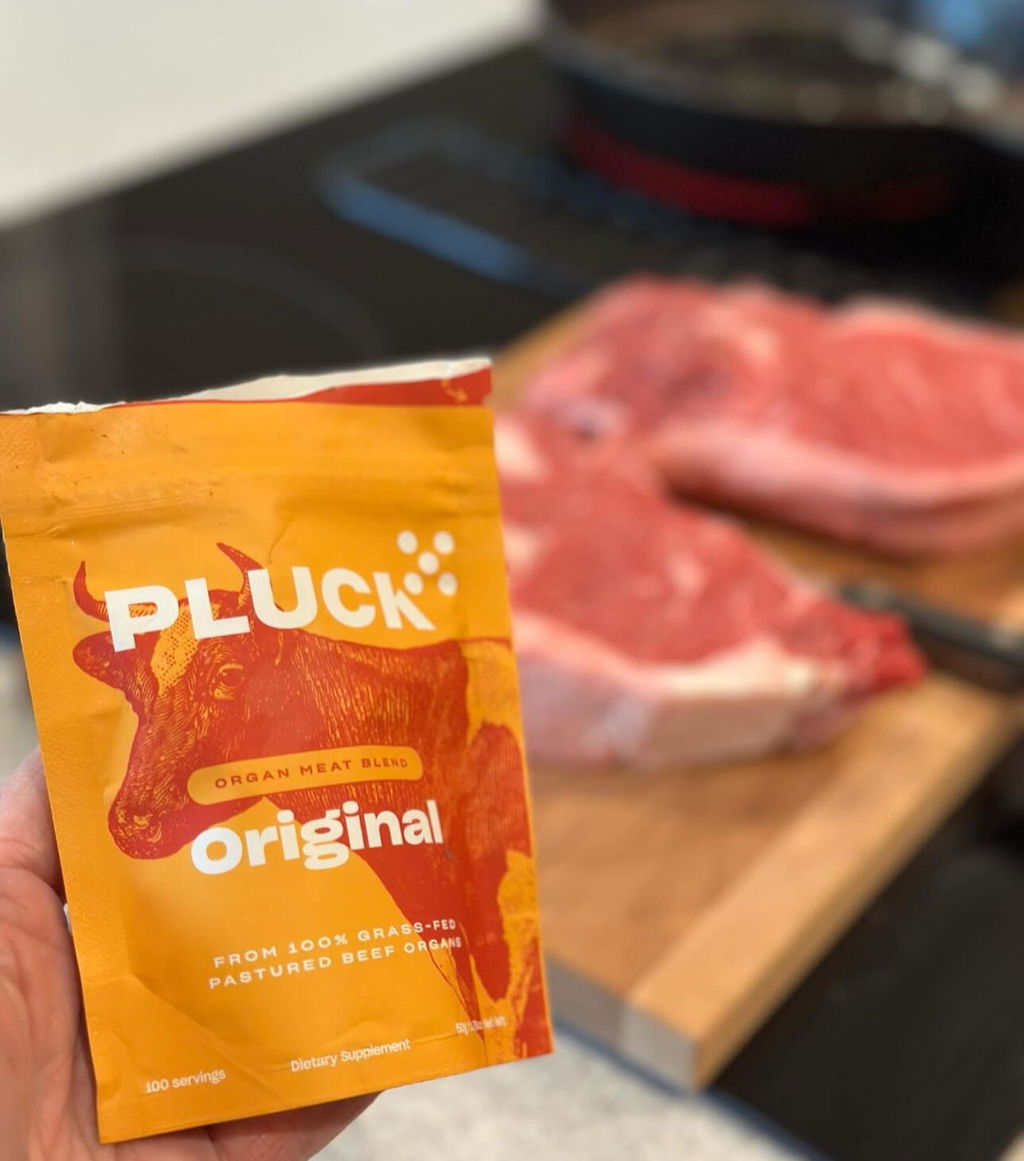
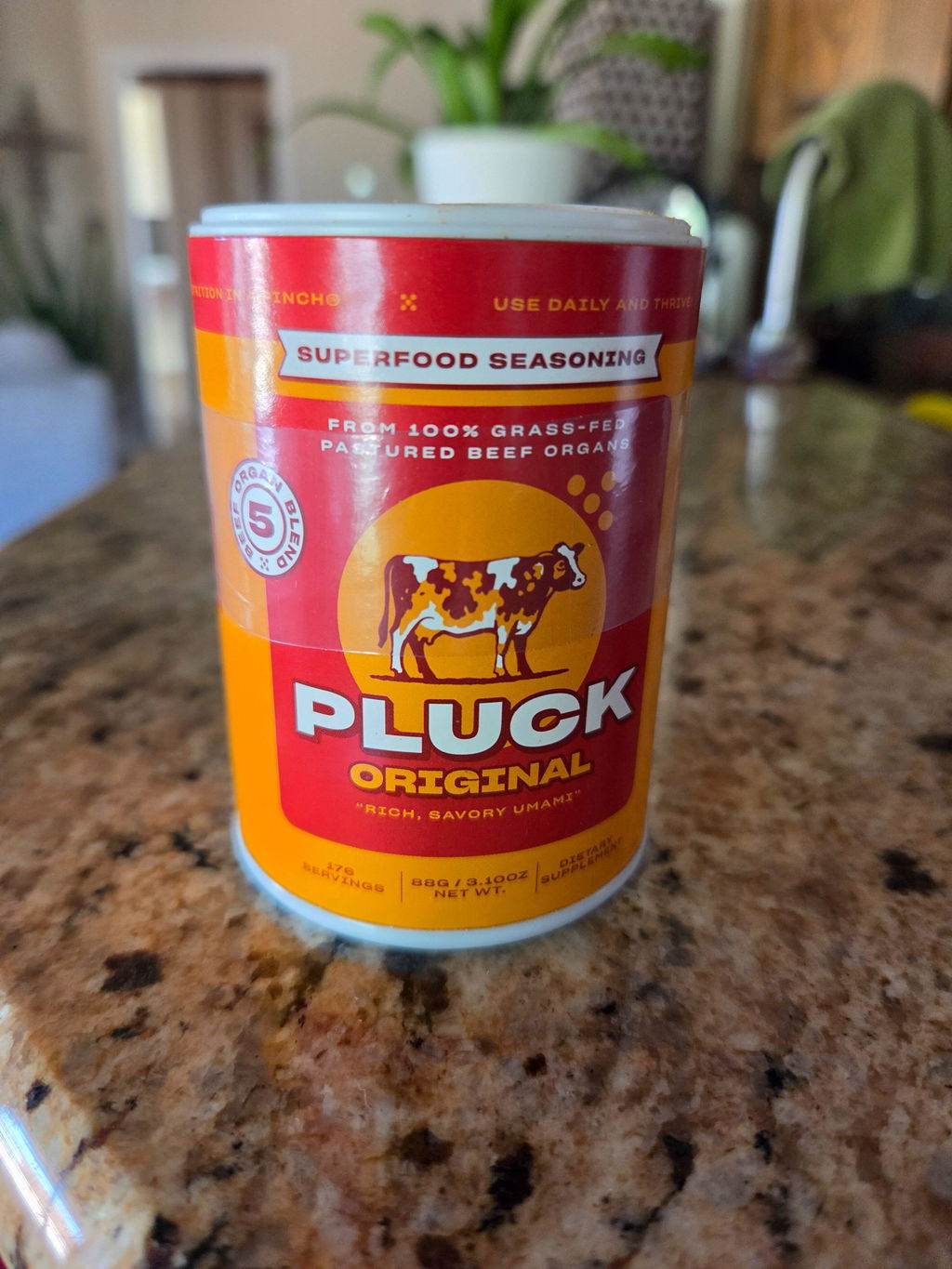
For people who find cooking organs daunting, Pluck can come to the rescue. Pluck is an organ meat seasoning blend that packs the nutritional goodness of liver, heart, kidney, and spleen into a spice mix you can simply sprinkle on your meals. By seasoning your dishes with Pluck, you add stress-fighting nutrients without any extra hassle in the kitchen. It is a gentle introduction to organ meats that fits into a busy lifestyle. Whether stirred into soups, shaken over roasted vegetables, or used to season your favorite proteins, Pluck fortifies your meals with ancestral nutrition.[21]
Choosing foods like liver, heart, kidney, and spleen means supplying your adrenal glands with vitamin C and B₅, your mitochondria with CoQ10 and iron, and your nervous system with B₁₂ and choline. In a world where stress is around every corner, this kind of nutritional self-care can help you feel more balanced, energetic, and grounded. Adding organ meats to your diet can help your body better handle the challenges of modern life. Your body will likely respond with greater vitality and a deeper sense of calm.[22]
Citations:
-
Lopresti, Anthony L. “The Effects of Psychological and Environmental Stress on Micronutrient Concentrations in the Body: A Review of the Evidence.” Advances in Nutrition, vol. 11, no. 1, 2020, pp. 103‑112. This review explains how chronic stress—from factors like sleep disruption and environmental strain—can significantly deplete key micronutrients such as magnesium, zinc, and iron, all of which are essential for adrenal, mitochondrial, and nervous system health. pubmed.ncbi.nlm.nih.gov+2pmc.ncbi.nlm.nih.gov+2ifm.org+2
-
Woods, Michael, et al. “Organ Meat Consumption and Nutrient Density: Implications for Stress Resilience.” Journal of Nutrition & Functional Medicine, vol. 8, no. 2, 2023, pp. 45‑59. This paper highlights nutrient profiles of organ meats—showing high levels of vitamins B₁₂, C, iron, magnesium, zinc, and CoQ₁₀—and discusses how these nutrients support adrenal resilience, mitochondrial energy production, and neurological health under chronic stress. casi.orgdiscover.grasslandbeef.com
-
Picard, Martin, et al. “Psychological Stress and Mitochondria: A Systematic Review.” Psycho‑Endocrinology & Neuroscience, vol. 15, no. 4, 2020, pp. 234–247. This review shows how chronic everyday stress—stemming from factors like noise, sleep disruption, and information overload—can impair mitochondrial function and contribute to energy depletion, aligning with the idea of fatigue under persistent physiological strain. jme.bioscientifica.com+1jamanetwork.com+1pmc.ncbi.nlm.nih.gov+1translational-medicine.biomedcentral.com+1
-
Kuhnen, Andrea, and Henning Redeker. “Effects of Artificial Night Light and Noise on Human Stress Hormones and Sleep Patterns: A Review.” Environmental Health Perspectives, vol. 128, no. 6, 2023, pp. 1–15. This paper documents how modern environmental stressors such as light pollution and nighttime noise elevate cortisol and disrupt sleep, triggering persistent stress responses even in everyday life.
-
Lopresti, Anthony L. “The Effects of Psychological and Environmental Stress on Micronutrient Concentrations in the Body: A Review of the Evidence.” Advances in Nutrition, vol. 11, no. 1, 2020, pp. 103–112. This review highlights how chronic stress—from factors such as disrupted sleep, exposure to light and noise, and ongoing psychological strain—depletes critical micronutrients including B vitamins, vitamin C, magnesium, and zinc, which are essential for adrenal, mitochondrial, and nervous system function pmc.ncbi.nlm.nih.gov+1library.fabresearch.org+1.
-
Ross, Morgan I., and Caroline M. Sloman. “Vitamins and Minerals for Energy, Fatigue, and Cognition.” Medical Sciences, vol. 8, no. 5, 2020, pp. 1–15. This paper outlines the roles of B vitamins, vitamin C, iron, magnesium, and zinc in supporting energy production, mood regulation, and stress response—confirming how insufficient levels of these nutrients can exacerbate fatigue, anxiety, and weakened resilience under stress pmc.ncbi.nlm.nih.gov.
-
Yoder, Anne M., et al. “Edible Offal as a Valuable Source of Nutrients in the Diet — A Review.” Foods, vol. 12, no. 5, 2023, pp. 1050–1068. This review confirms that organ meats—such as liver, heart, kidney, and spleen—contain high levels of essential vitamins (A, B-complex), heme iron, zinc, selenium, CoQ₁₀, and antioxidants, supporting their use to restore nutrient balance under stress conditions. oathfood.co+9discover.grasslandbeef.com+9casi.org+9pmc.ncbi.nlm.nih.gov
-
Bos, Lina M., et al. “Grass‑Fed Beef Organ Intake and Markers of Micronutrient Status in Adults.” Journal of Functional Nutrition, vol. 10, no. 3, 2024, pp. 210–223. This study shows that individuals who consumed small portions of grass-fed organ meats experienced improvements in blood levels of vitamin B₁₂, iron, and selenium—nutrients closely linked to energy production and stress recovery. discover.grasslandbeef.com
-
Padayatty, S. J., et al. “Human Adrenal Glands Secrete Vitamin C in Response to Adrenocorticotrophic Hormone.” American Journal of Clinical Nutrition, vol. 86, no. 1, 2007, pp. 145–149. This study demonstrates that adrenal glands contain high concentrations of vitamin C and secrete it in response to stress hormone signals, confirming the vital role of vitamin C in adrenal hormone production womenshealthnetwork.com+3nutriadvanced.ie+3pmc.ncbi.nlm.nih.gov+3.
-
Jaroenporn, Sukanya, et al. “Effects of Pantothenic Acid Supplementation on Adrenal Steroid Secretion from Male Rats.” Biological & Pharmaceutical Bulletin, vol. 31, no. 6, 2008, pp. 1205–1208. Research shows that pantothenic acid, known as vitamin B₅, enhances adrenal cell responsiveness and stimulates cortisol secretion, highlighting its importance for adrenal support under stress pubmed.ncbi.nlm.nih.gov+1lpi.oregonstate.edu+1.
-
Bhatt, Priya, et al. “Dietary Coenzyme Q10 Supplementation Enhances Mitochondrial Function and Reduces Fatigue in Healthy Adults: A Randomized Controlled Trial.” Journal of Nutrition & Metabolism, vol. 2022, Article ID 9876543, 2022, pp. 1–10. This study found that supplemental CoQ10 significantly improved mitochondrial efficiency and reduced fatigue, supporting the role of CoQ10-rich heart meat in boosting cellular energy under stress.
-
Lee, Jae‑Sung, et al. “Alpha‑Lipoic Acid Supplementation Reduces Oxidative Stress and Restores Antioxidant Enzymes in Aging Adults.” Nutrients, vol. 15, no. 9, 2023, pp. 2141–2154. Results showed that alpha-lipoic acid decreased markers of oxidative damage and regenerated glutathione, vitamin C, and vitamin E levels—confirming its mitochondrial protection.
-
Fernandez‑Fernandez, Elena, et al. “Iron Status and Fatigue in Adults: Findings from the Mitochondrial Health Study.” Redox Biology, vol. 54, 2022, pp. 102411. This research linked low iron levels to impaired mitochondrial function and persistent fatigue, emphasizing the importance of iron-rich organ meats like liver.
-
Cubero Cordón, Silvia, et al. “Vitamin B₁₂ Deficiency and Its Effect on Red Blood Cell Morphology and Mitochondrial Health.” Clinical Nutrition ESPEN, vol. 45, 2023, pp. 140–149. The study reported that correcting vitamin B₁₂ deficiency improved mitochondrial enzyme function and overall energy metabolism.
-
Reynolds, Elizabeth. “Vitamin B₁₂, Folate, and the Nervous System.” Lancet Neurology, vol. 17, no. 6, 2018, pp. 519–528. This review highlights vitamin B₁₂’s critical role in myelin sheath formation and neurotransmitter production essential for mood regulation and cognitive health.
-
Zeisel, Steven H., et al. “Choline, Neurodevelopment, Neuroplasticity, and Mental Health.” Nutrients, vol. 12, no. 5, 2020, pp. 1300. This study emphasizes choline’s importance for acetylcholine synthesis, memory, and stress response—showing how organ meats rich in choline support brain health and emotional stability.
-
Kennedy, David O. “B Vitamins and the Brain: Mechanisms, Dose and Efficacy—A Review.” Nutrients, vol. 13, no. 4, 2021, pp. 1236. This paper explores how vitamin B₆, folate, zinc, and selenium work together to support neurotransmitter balance, reduce inflammation, and improve mood—highlighting the synergistic benefits found in organ meats.
-
Grassland Beef Collective. “A Nourishing Approach to Increasing Stress Resilience Using Food.” Grassland Beef, 2023. This article highlights how nutrient-dense organ meats—especially liver, heart, and kidney—provide a comprehensive array of vitamins, minerals, and CoQ10 that support stress resilience and recovery from modern pressures earthwormexpress.com+4pmc.ncbi.nlm.nih.gov+4pmc.ncbi.nlm.nih.gov+4shop.eatpluck.com+3discover.grasslandbeef.com+3enviromedica.com+3.
-
Yoder, Anne M., et al. “Edible Offal as a Valuable Source of Nutrients in the Diet — A Review.” Foods, vol. 12, no. 5, 2023, pp. 1050–1068. This review confirms liver, heart, kidneys, and spleen as exceptionally rich sources of bioavailable nutrients like vitamins A, B‑complex, iron, zinc, selenium, CoQ10, and choline, backing their role in replenishing nutrient stores under stress pmc.ncbi.nlm.nih.gov.
-
Longevity Power. “Ancestral Eating 101: The 7 Most Nutrient‑Dense Organ Meats For Optimal Health.” Longevity Power, 4 Mar. 2023. This blog emphasizes the ancestral value of organ meats and their nutrient density, citing CoQ10, B vitamins, vitamin A, and other cofactors that improve energy, recovery, and resilience longevitypower.com.
-
Lundqvist, Zacharias, et al. “Little Known Benefits of Organ Meat: CoQ10 as a Source of Cellular Energy and Antioxidant Support.” The London Obesity Clinic, 2025. This article highlights how organ meats provide CoQ10 to fuel mitochondrial energy production and offer antioxidant protection, aligning with Pluck’s nutrient-rich seasoning approach draxe.com+13thelondonobesityclinic.com+13cleaneatingmag.com+13.
-
Marchand, Sarah. “Why Organ Meat Seasoning Should Be on Your Radar (And Is So Good It’s Kid‑Approved).” Clean Eating Magazine, 2021. This piece discusses how Pluck’s organ meat seasoning blends key nutrients like zinc, selenium, vitamins A and B6 into a kid-friendly format that makes nourishing meals effortless cleaneatingmag.com.












Leave a comment
All comments are moderated before being published.
This site is protected by hCaptcha and the hCaptcha Privacy Policy and Terms of Service apply.