


 Large Bag
 Travel Pack

Introduction: Why Trace Minerals Matter More Than Ever
In today’s wellness space, macronutrients get all the attention. Protein, carbs, fats—we track, tweak, and debate their ratios. But beneath these major players lie trace minerals, a more subtle force driving human health. These invisible nutrients are often overlooked, but without them, nearly every system in the body begins to falter. From energy metabolism and hormone production to immune function and mood regulation, trace minerals quietly support the foundation of human physiology.
The irony?
Despite their importance, most of us aren’t getting enough. According to research cited by the USDA and the Linus Pauling Institute, up to 99% of adults are undernourished in micronutrients.1 Our food system—stripped of mineral-rich soil, polluted water, and factory-farmed nutrition—no longer provides what our ancestors took for granted. But a powerful, time-tested solution is hidden in plain sight: organ meats.
What Are Trace Minerals and Why Are They Essential?
Trace minerals are nutrients the body needs in very small amounts, but their impact is small. These powerful micronutrients include elements like zinc, selenium, copper, manganese, iodine, and chromium, and they support an incredible range of biological processes. From neurotransmitter function and hormone regulation to immune defense, detoxification, antioxidant activity, and cellular energy production, trace minerals touch nearly every system in the body. Unlike some vitamins, these minerals cannot be made internally or synthesized from sunlight. They must be consumed regularly through food or water, and when they’re missing—even slightly—our health begins to erode from the inside out.
Modern science has confirmed what ancestral wisdom has long known: a deficiency in even one trace mineral can cause system-wide dysfunction. For example:
-
Zinc deficiency can impair immune response, slow wound healing, reduce testosterone production, and dysregulate mood.[1]
-
Selenium is essential for producing thyroid hormones, protecting cells from oxidative stress, and supporting fertility in both men and women.[2]
-
Copper and manganese are critical for bone formation, collagen production, iron metabolism, and antioxidant enzyme function.[3][4]
-
Chromium enhances insulin sensitivity and supports stable blood sugar, reducing the risk of energy crashes and cravings.[5]
-
Iodine, often overlooked, is foundational for thyroid hormone synthesis, cognitive function, and metabolic regulation.[6]
Even mild deficiencies can quietly degrade health over time, leading to fatigue, hormonal imbalances, mood disorders, immune dysfunction, brain fog, poor stress tolerance, and chronic disease. Because trace minerals often interact with one another in delicate ratios, an imbalance in one can lead to downstream issues in others. That’s why whole-food sources, like organ meats, which contain these naturally balanced minerals, are critical to long-term resilience and vitality. They don’t just “fill the gaps”—they restore a nutritional harmony the body instinctively knows how to use.[7]
How Did We Get So Deficient? The Problem with Modern Food
Historically, humans got their minerals from the land and water. Mineral-rich soil grew mineral-rich plants, and animals that ate those plants became mineral-rich food for us. Water from rivers and natural springs also contributed a steady dose of ionic minerals, providing hydration, vital electrolytes, and trace elements necessary for cellular communication and detoxification. This natural remineralization system kept the human body in balance for millennia, without the need for supplements or synthetic additives.[8}
But today’s world is a very different place.
Industrial agriculture has stripped the soil of nutrients through monocropping, chemical fertilizers, and a lack of regenerative practices. Crops are grown in depleted soil that’s repeatedly harvested without replenishment, leading to calorically dense food but nutritionally hollow food. The result? Vegetables and grains that look vibrant on the outside but lack the mineral content they once had. One landmark study found that between 1950 and 1999, levels of minerals like calcium, phosphorus, and iron declined significantly in common garden crops—and newer studies suggest this trend has only accelerated.{9][10]
At the same time, modern water filtration systems—while helpful for removing contaminants—also strip naturally occurring minerals from drinking water, leaving it clean but nutritionally empty. Even spring and well water, once reliable mineral sources, are often treated or bottled in ways that remove their natural mineral profiles. That means even those following a whole-food, organic diet may still fall short of essential micronutrients without realizing it. This systemic depletion of minerals isn’t just about minor symptoms—it’s a major contributor to widespread fatigue, poor immune resilience, cognitive sluggishness, hormone imbalance, mood instability, and declining metabolic health. We are, quite literally, living in a mineral desert—and most people don’t even know they’re dehydrated at the cellular level.[11]
The Case for Organ Meats as Nature’s Multivitamin
Enter organ meats—specifically liver, heart, kidney, and spleen. These often-overlooked foods are nature’s answer to trace mineral deficiency, offering a dense, synergistic package of nutrients that isolated supplements cannot match. Unlike muscle meat, which is high in protein but relatively low in micronutrients, organ meats are concentrated sources of essential vitamins and minerals that the body needs in small, consistent doses for optimal function. A single serving of beef liver provides:
-
Zinc: essential for immune modulation, wound healing, neurotransmitter balance, and testosterone production.[1]
-
Copper: plays a key role in energy metabolism, collagen formation, and iron transport, working with zinc for balanced mineral absorption.[3]
-
Selenium is required for proper thyroid function, glutathione activity, and DNA synthesis, and it helps reduce oxidative stress at the cellular level.[2]
-
Iron (heme form): far more bioavailable than plant-based iron, it supports oxygen transport, mitochondrial energy, and neurotransmitter production.[12]
-
Chromium: enhances insulin sensitivity and plays a role in macronutrient metabolism, particularly in blood sugar regulation.[5]
-
Manganese: critical for bone formation, antioxidant enzyme function, and connective tissue strength.[4]
Organ meats also contain vitamin B12, vitamin A (in its active retinol form), folate, choline, and CoQ10—nutrients vital for brain health, mitochondrial function, and detoxification. What makes organ meats uniquely powerful is the biological synergy of these nutrients. The minerals are not isolated or artificially bound; they’re accompanied by the exact enzymes, co-factors, and supportive compounds that allow efficient absorption and use within the body. This is how our ancestors got their nourishment: not through multivitamins, but through nutrient-dense whole foods that supported strength, fertility, and resilience.
Furthermore, organ meats offer these nutrients in forms that require little to no conversion by the body, unlike plant-based or synthetic forms that can be poorly absorbed or difficult for those with genetic variations or compromised digestion. In other words, these aren’t just “rich” foods—they’re ready-to-use foods. The body recognizes them immediately, putting their contents to work at the cellular level to repair, rebuild, and support critical systems. For those looking to remineralize and replenish truly, organ meats aren’t just helpful but foundational.[13][14]
Why Micro-Dosing Organ Meats Daily Is Better Than Monthly Binging
One of the most overlooked aspects of mineral health is consistency. Just like hydration, trace minerals work best when consumed regularly. The body needs them in a steady supply, not large, infrequent doses. That’s why micro-dosing organ meats daily is so powerful—it provides your cells with a continual stream of the raw materials they need to function properly. Unlike water-soluble vitamins that can be flushed out quickly, trace minerals often require consistent intake to maintain homeostasis across systems like the nervous system, endocrine system, and immune function.[15]
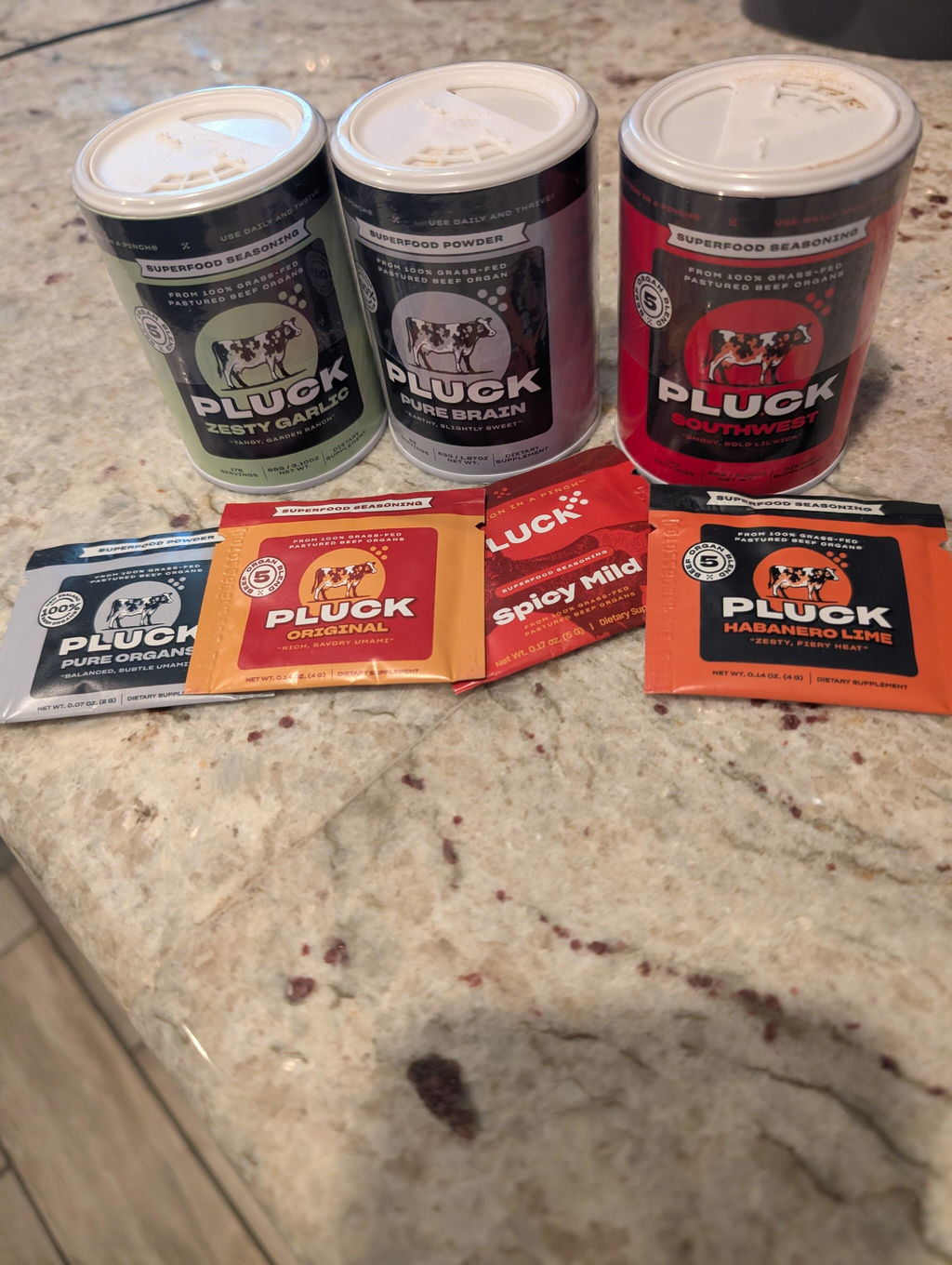
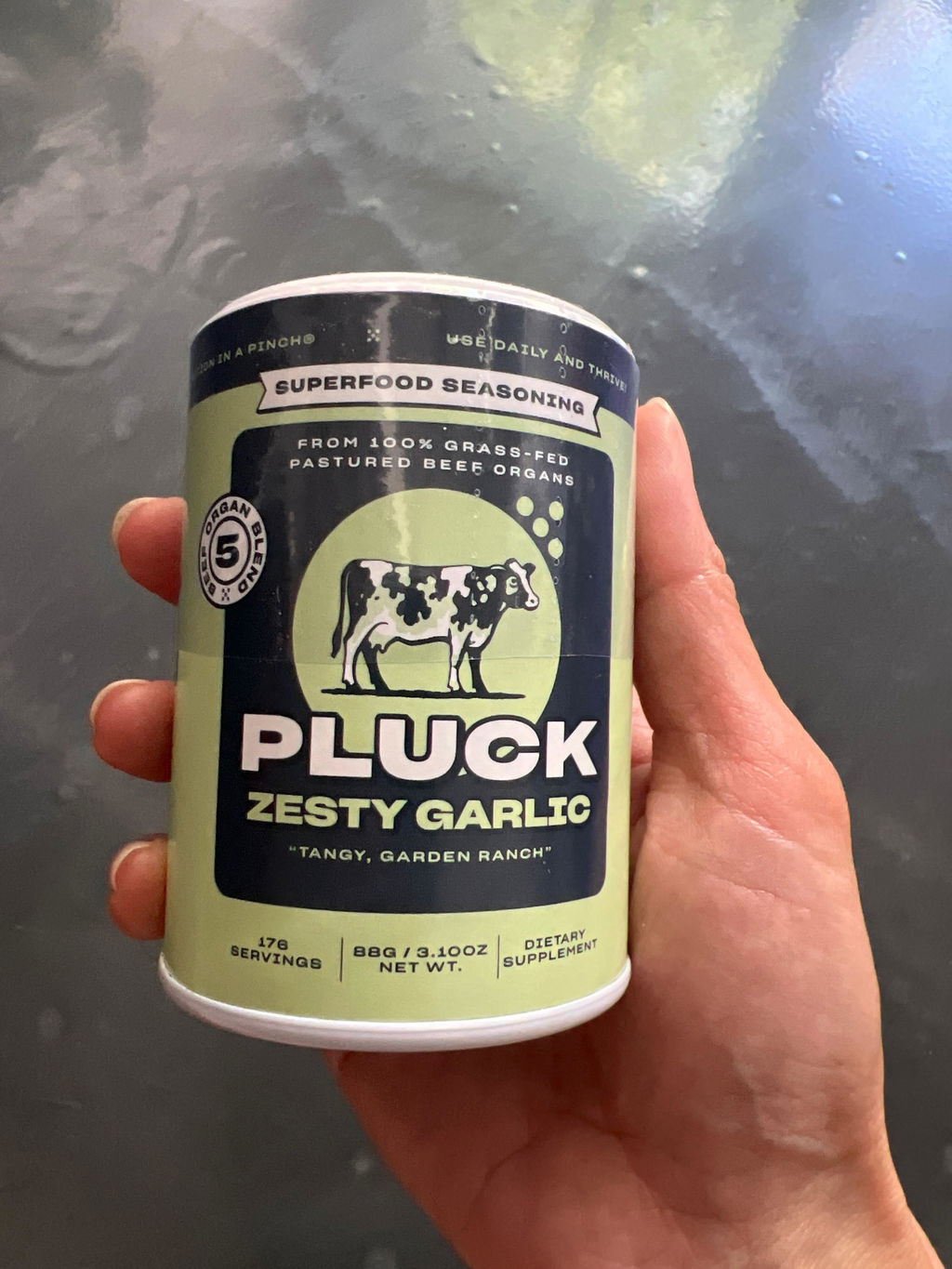
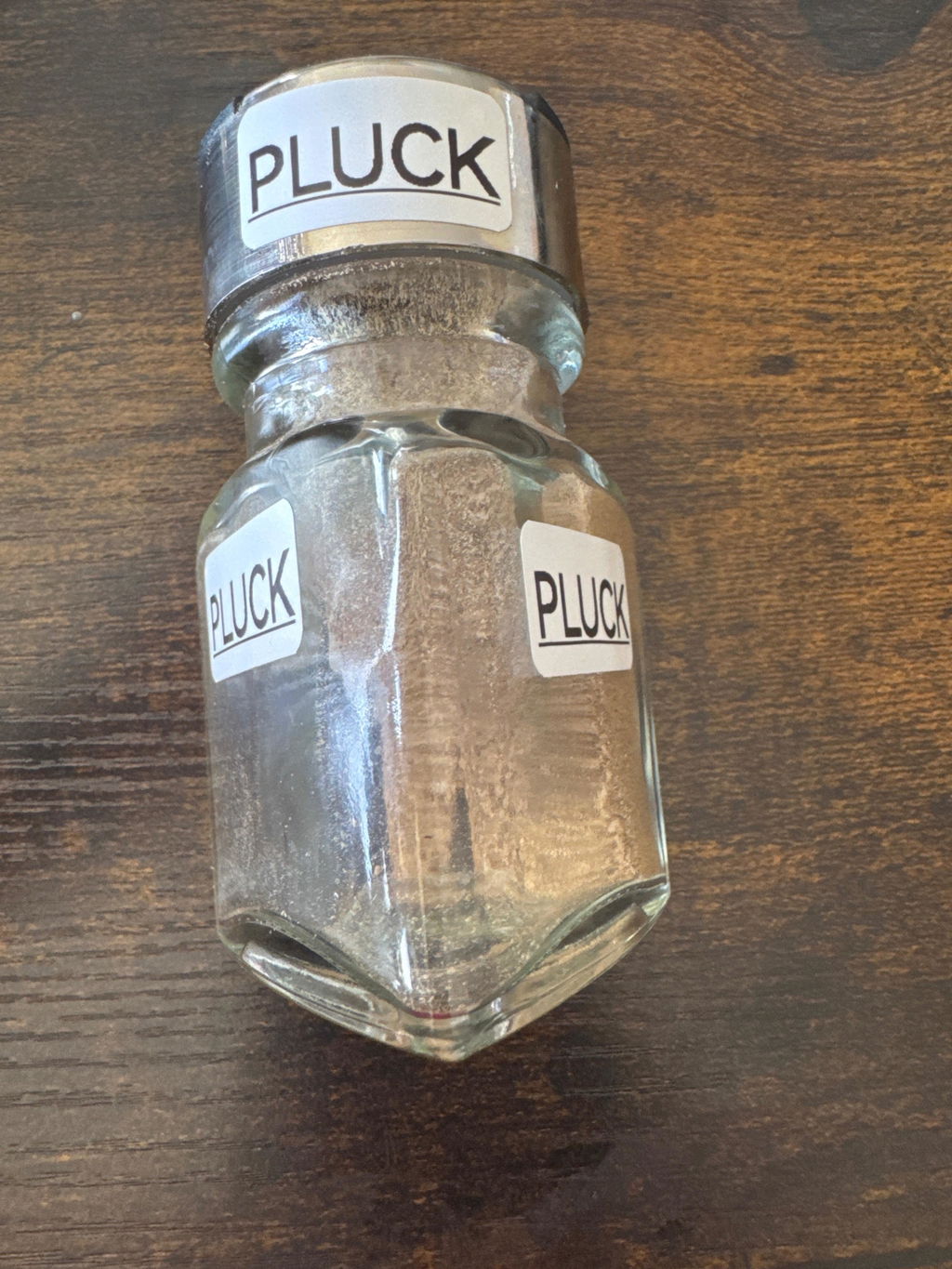
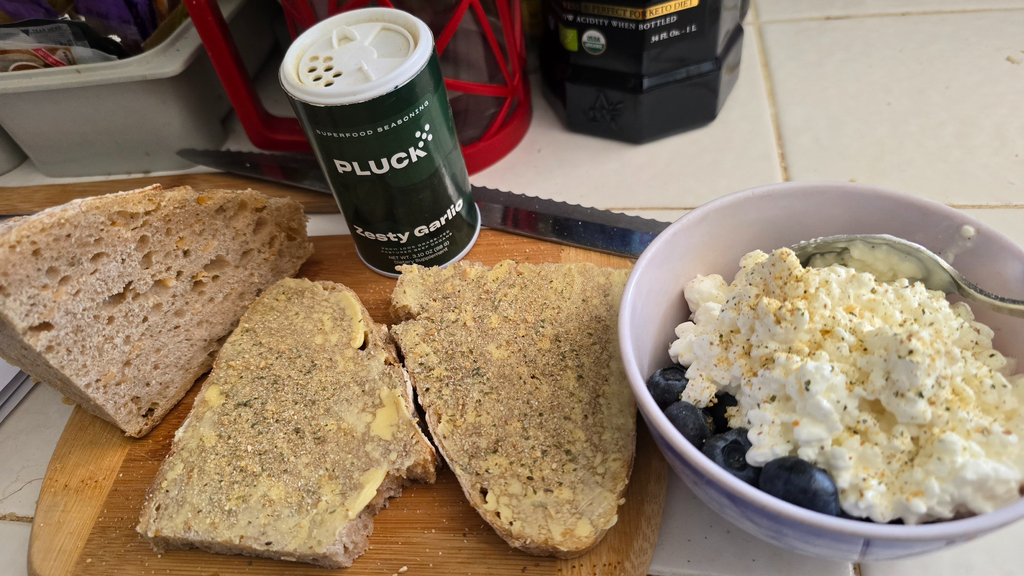
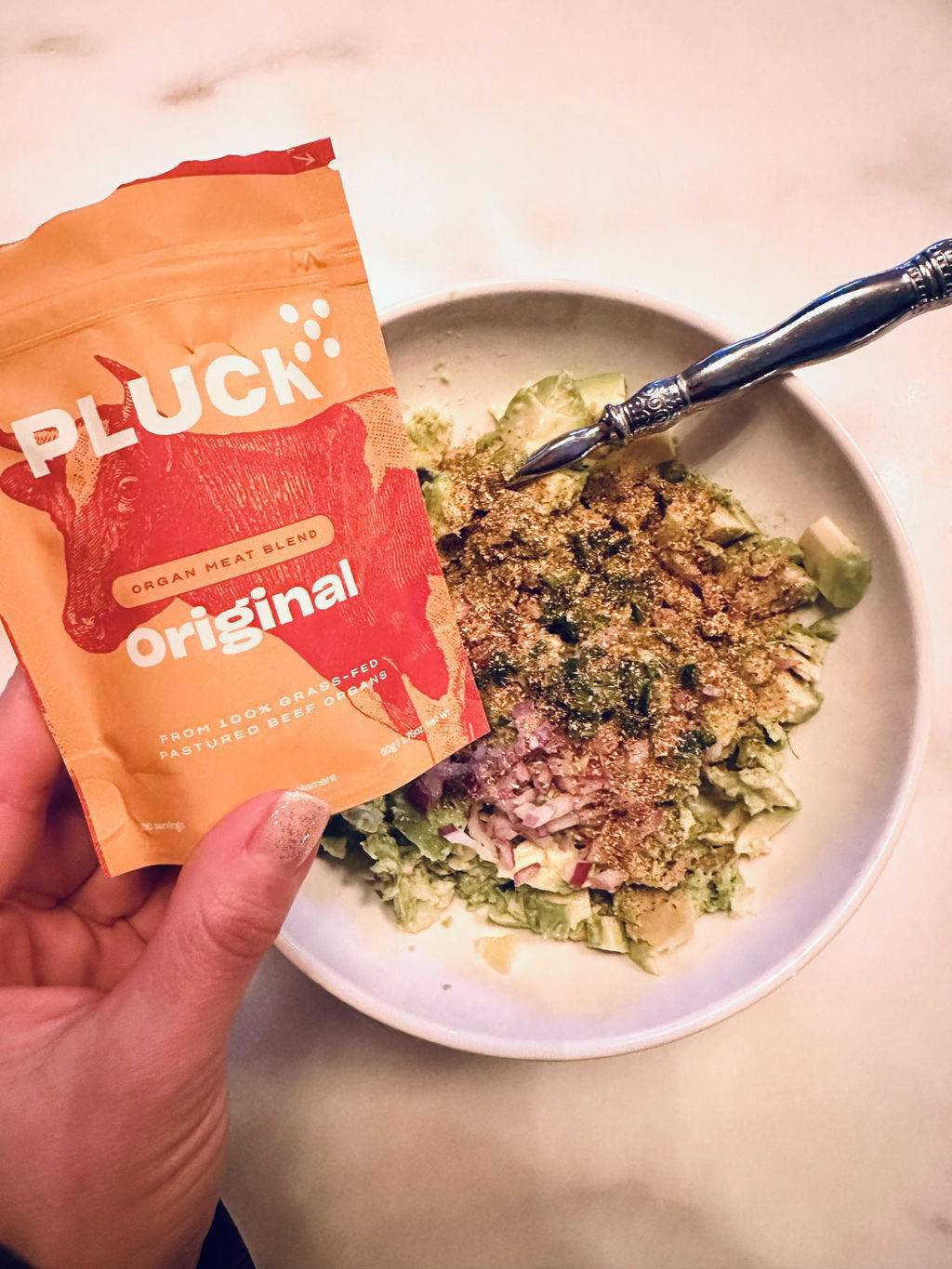
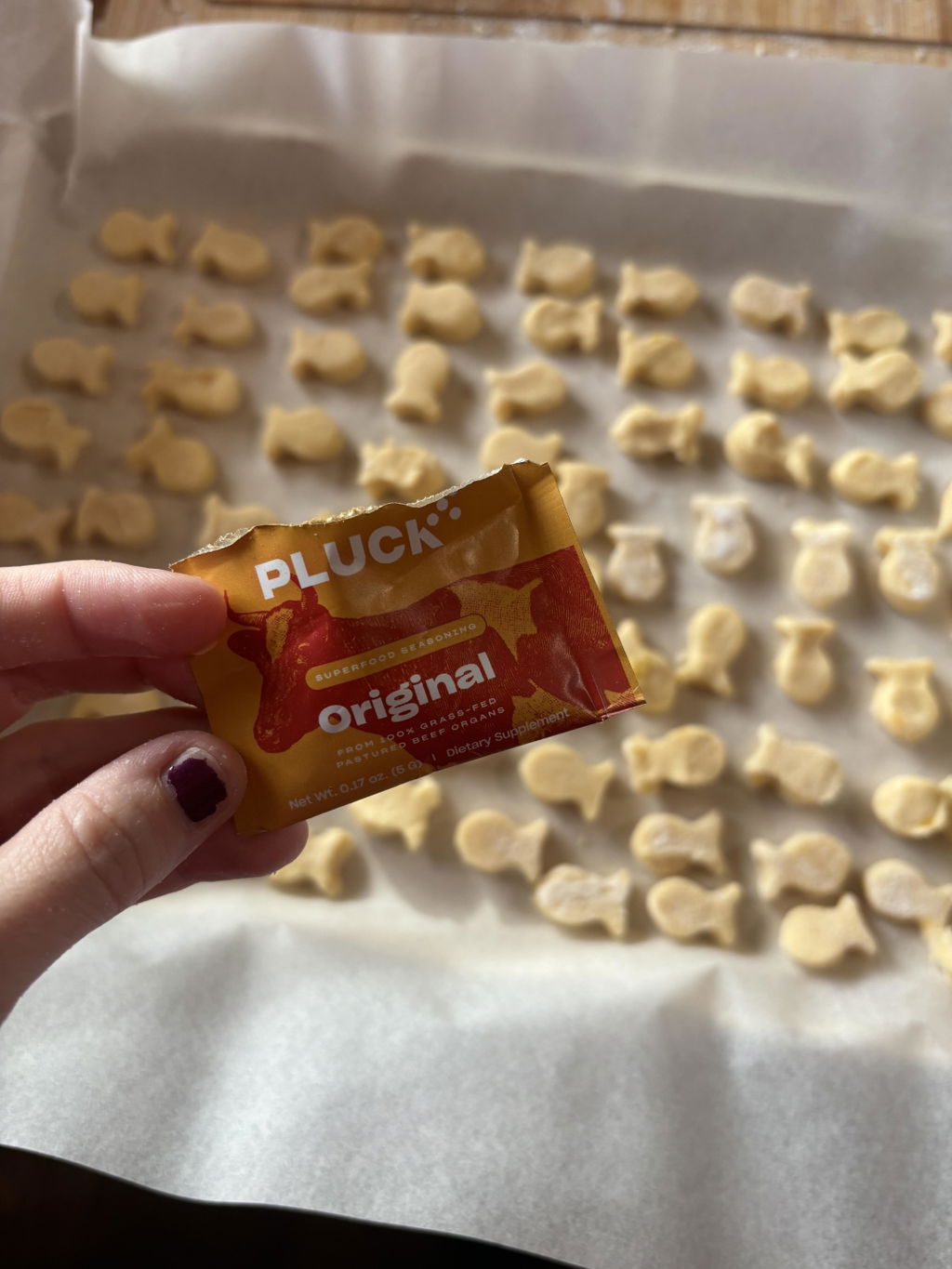
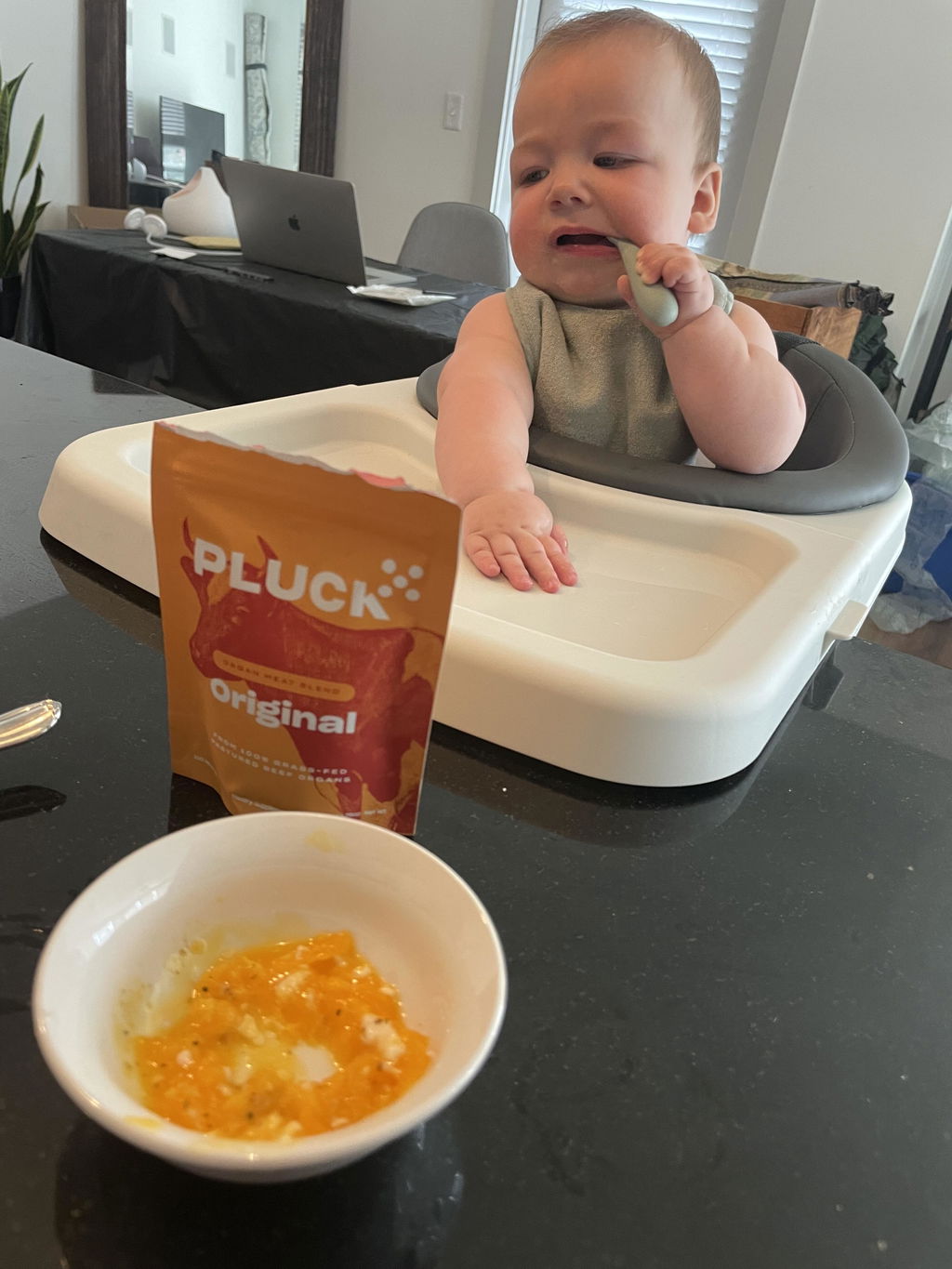
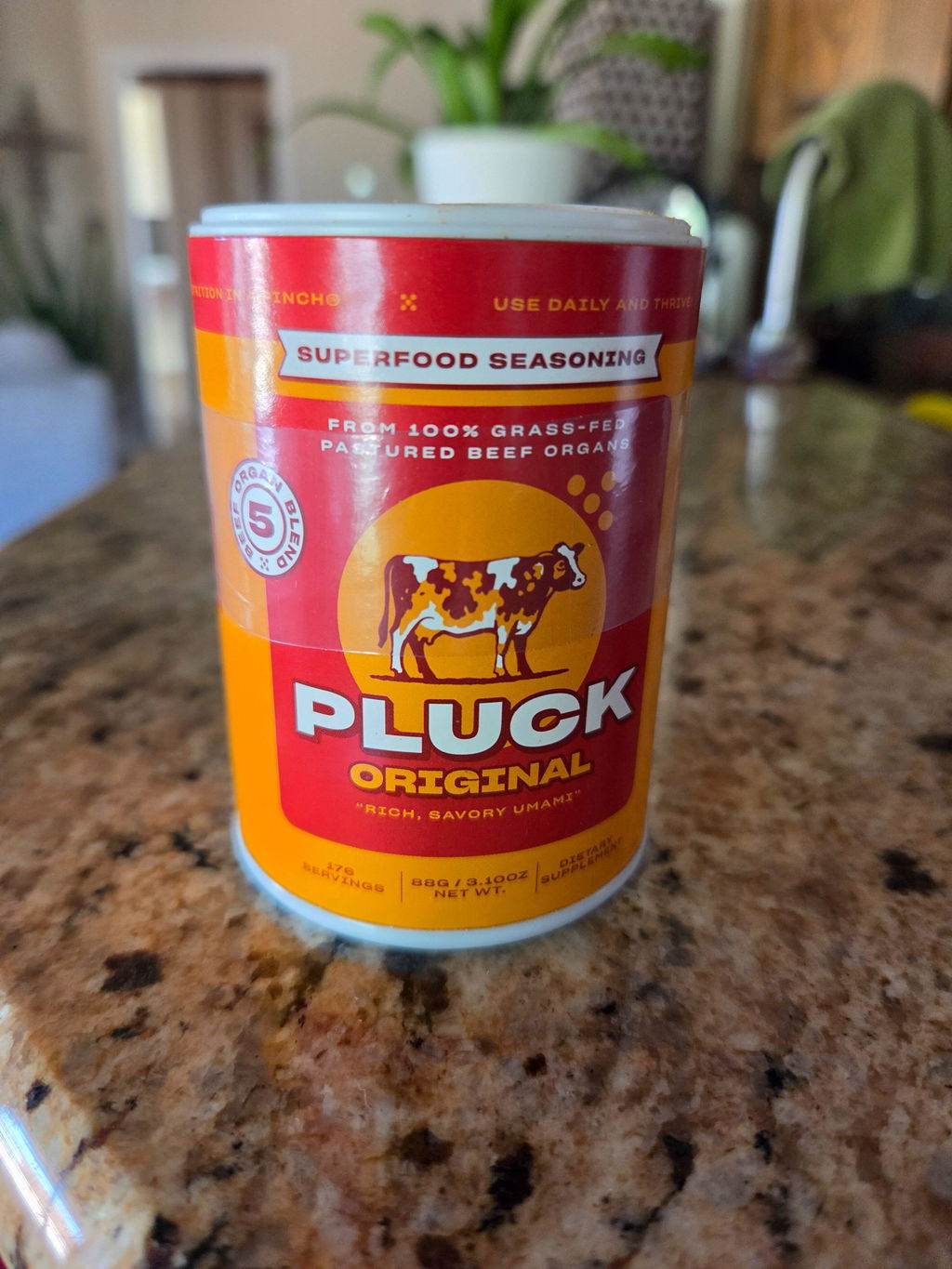
Instead of trying to choke down liver once a week (or not at all), using a product like Pluck Organ-Based Seasoning allows you to incorporate small, meaningful doses of organ meats into your daily meals without fuss. You’re not eating a whole kidney plate—you’re sprinkling nutrient-rich flavor onto eggs, burgers, or soups. That consistency supports enzyme function, antioxidant defense, neurotransmitter production, and cellular detoxification—tasks that rely heavily on trace minerals but falter in their absence. Over time, this adds to real physiological impact: better energy, improved mood, sharper cognition, and stronger immunity.[16]
This method mirrors ancestral eating patterns, too. In traditional cultures, no part of the animal went to waste, and organs were consumed regularly in smaller amounts, not just during feasts. They didn’t save liver for special occasions—they blended it into sausage, added it to broths, or mixed it into stews. Micro-dosing with Pluck revives this ancient rhythm in a modern, approachable way, offering consistent nourishment that your body instinctively knows how to use.[17]
The Trace Mineral–Mood Connection
Mental health is deeply connected to our micronutrient status, particularly when it comes to trace minerals. Neurotransmitters like serotonin, dopamine, and GABA require specific nutrients for their production and regulation. Zinc is essential for GABA synthesis and supports serotonin balance, which influences how calm, grounded, and emotionally steady we feel. Low zinc levels have been consistently associated with increased rates of depression, anxiety, and emotional instability. Selenium supports thyroid function, which governs mood, mental clarity, and energy levels. Copper, iron, and manganese contribute to neurotransmitter activity, oxygen delivery, and mitochondrial energy production within the brain.
When these minerals are missing—even in small amounts—the nervous system struggles to self-regulate. Feelings of fatigue, irritability, restlessness, or brain fog can often stem from these deficiencies, not character flaws or emotional weaknesses. Replenishing these trace nutrients through whole foods, particularly organ meats, offers a steady foundation for mood stability and cognitive resilience. It’s a powerful way to support the brain from the inside out—rebuilding from the root rather than masking symptoms.[18][19][20]
How Pluck Bridges the Mineral Gap, Deliciously
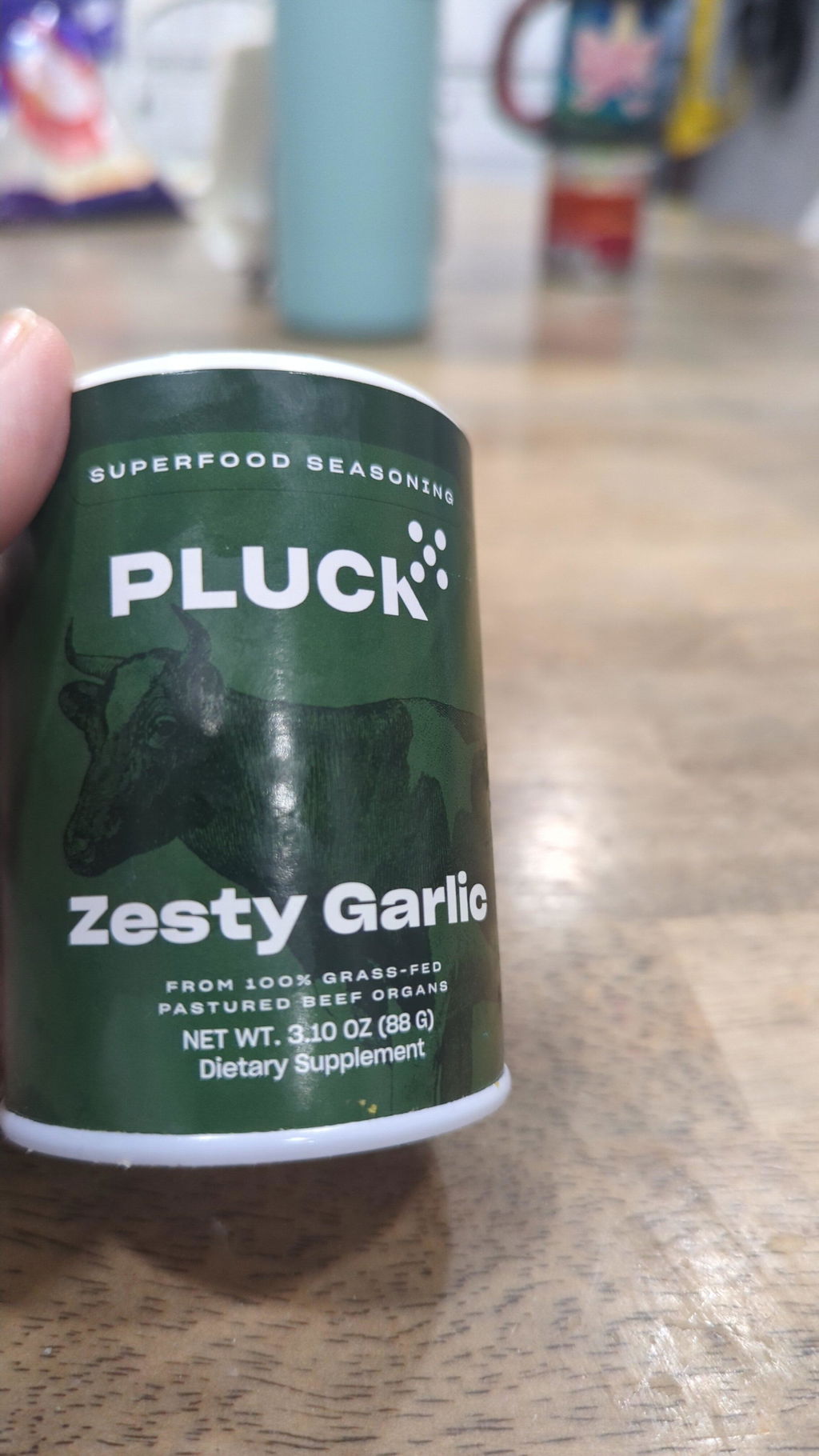
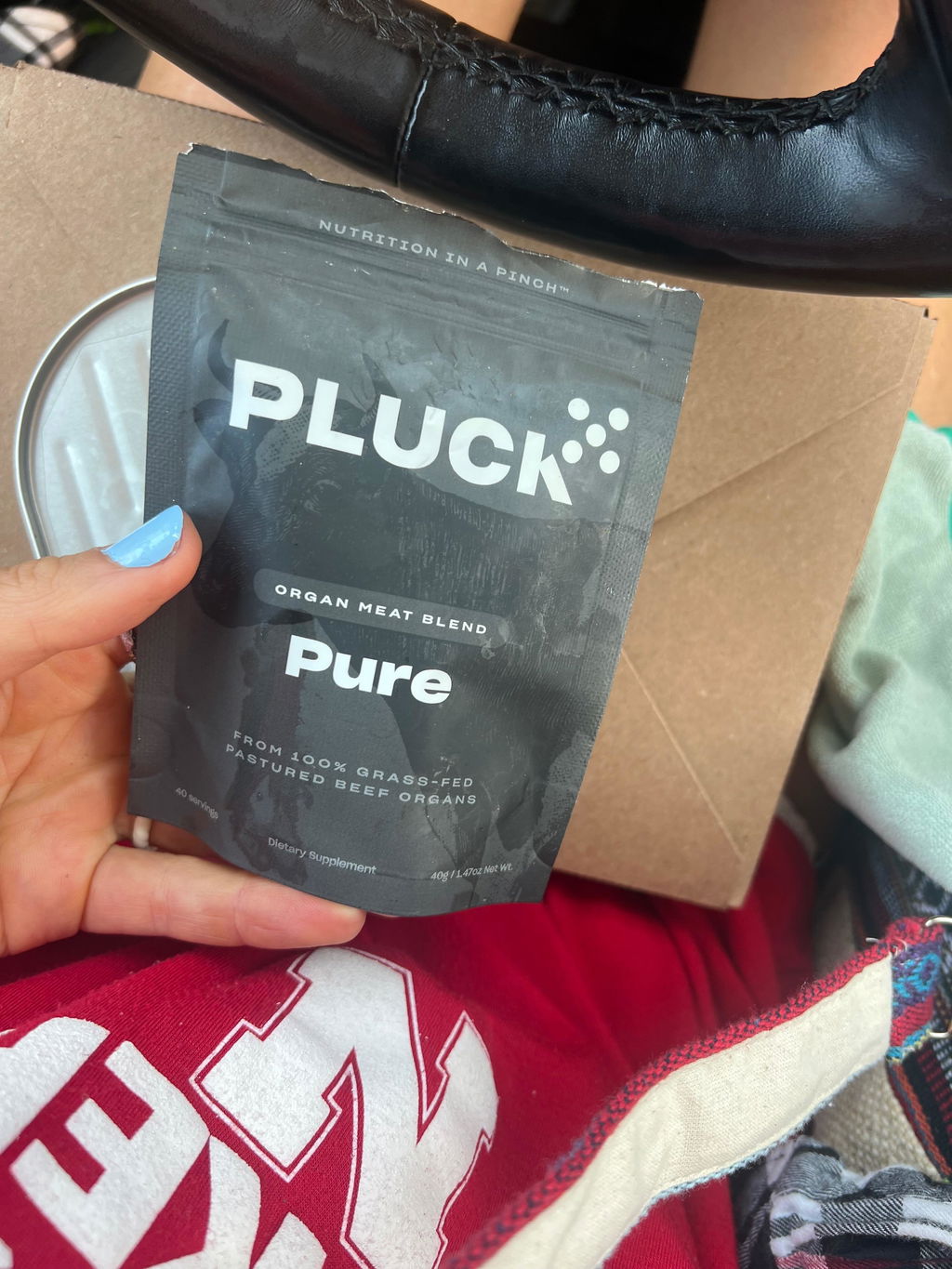
Pluck offers a practical and flavorful solution to the modern problem of mineral deficiency. By incorporating organ meats, like liver, heart, and kidney, into a chef-crafted seasoning blend, it becomes effortless to get a daily dose of nature’s most potent micronutrients. You no longer need to wrestle with sourcing, cooking, or tolerating the taste of organ meats. With just a sprinkle of Pluck, you're feeding your body a full spectrum of bioavailable trace minerals, fat-soluble vitamins, and amino acids that your ancestors thrived on. These nutrients work synergistically to support detoxification, hormonal balance, and cellular repair, which are often compromised in today’s overstressed, undernourished world.
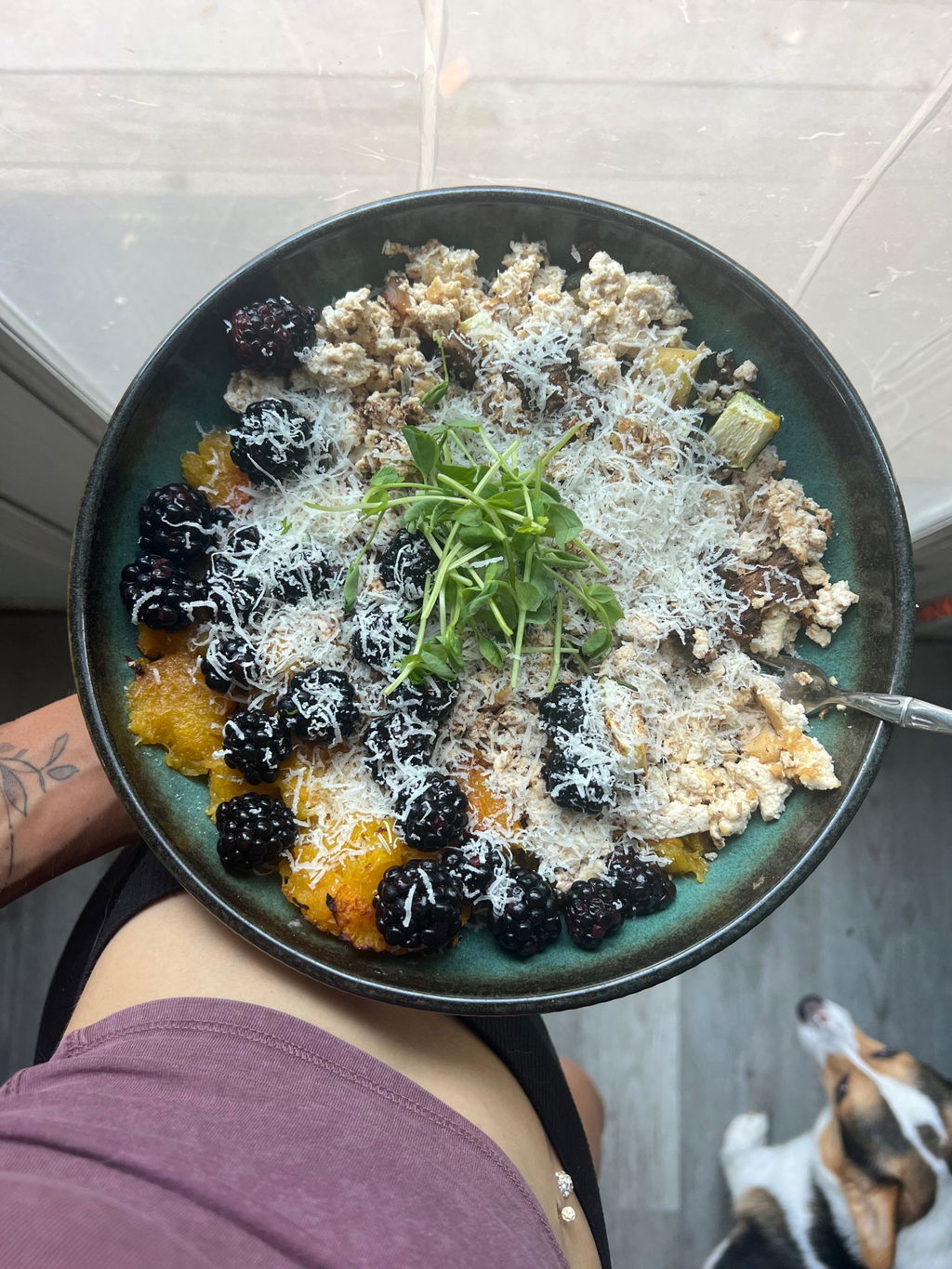
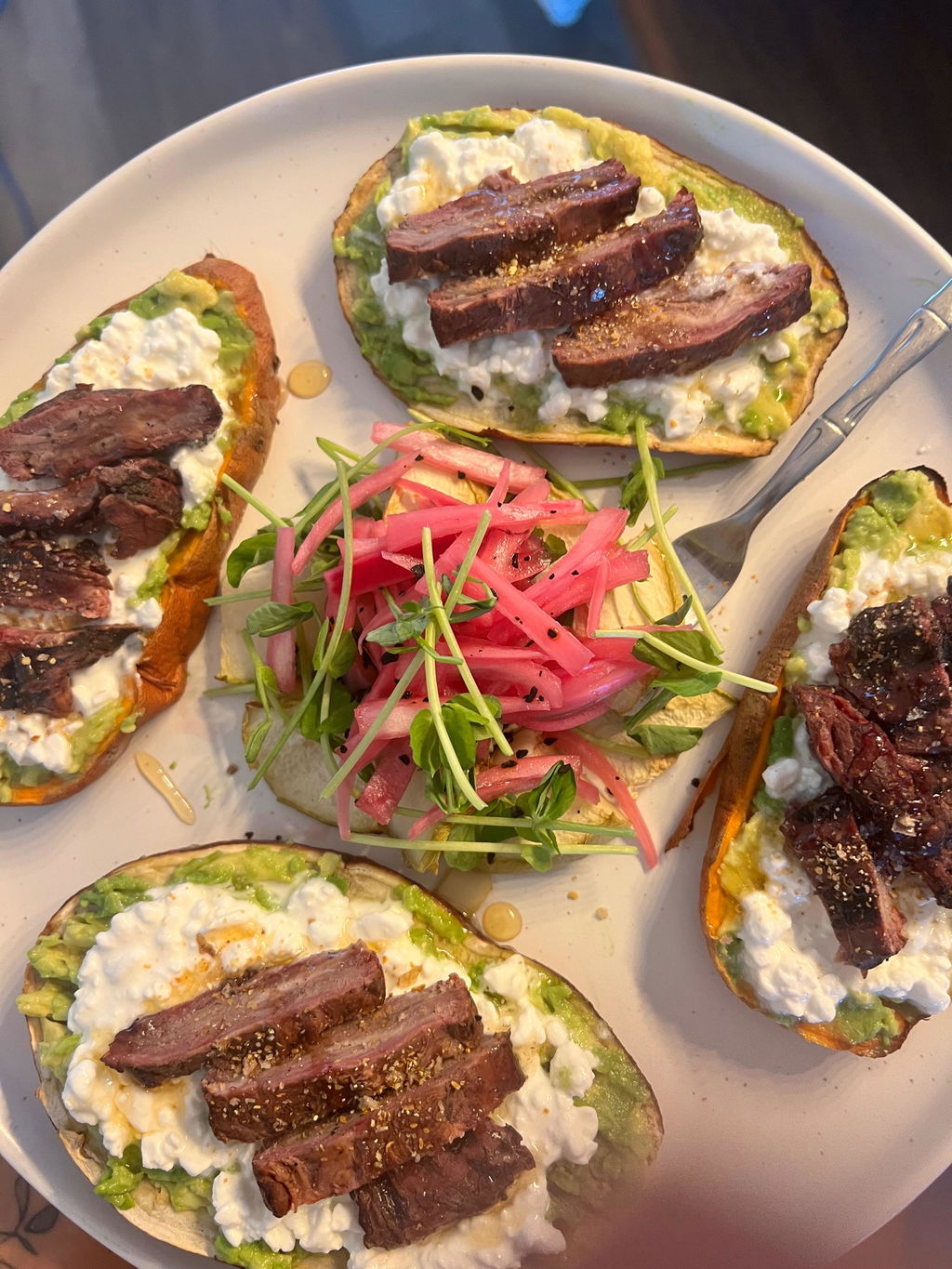
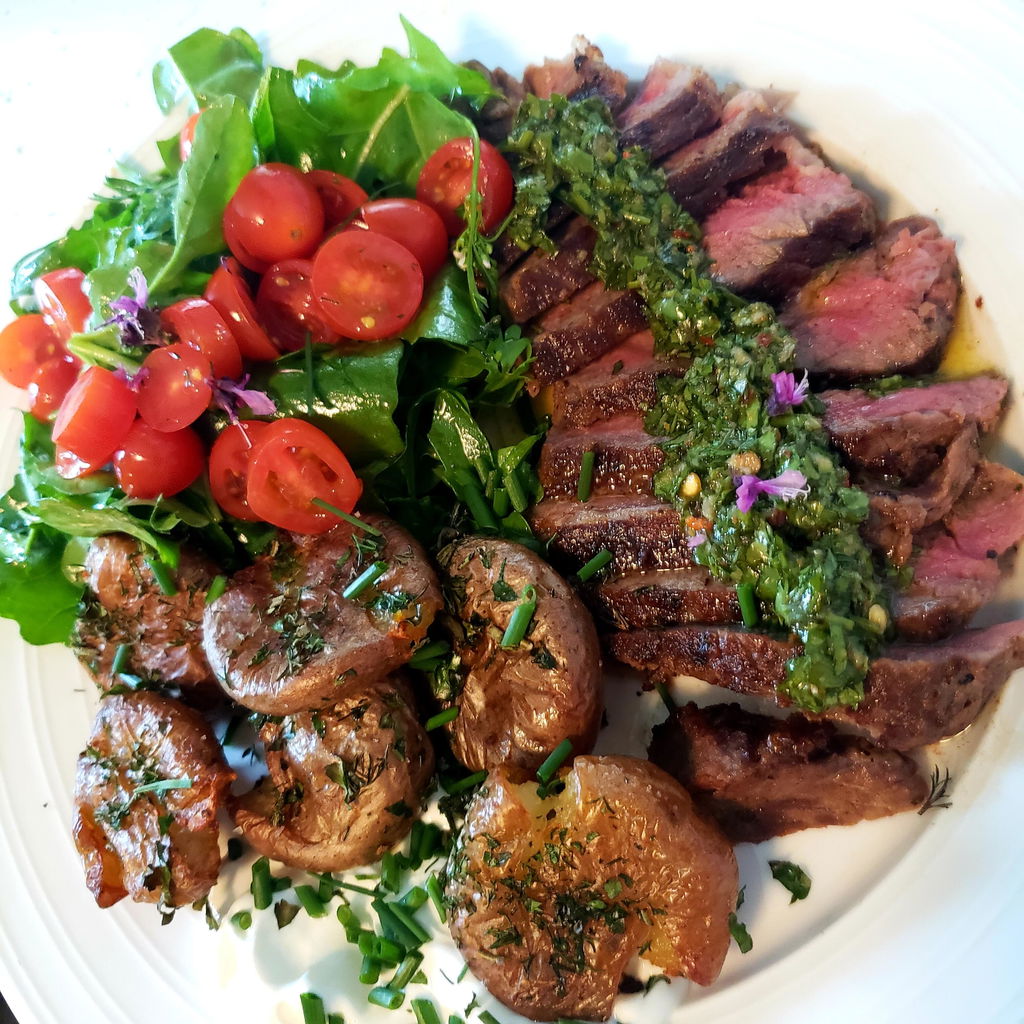
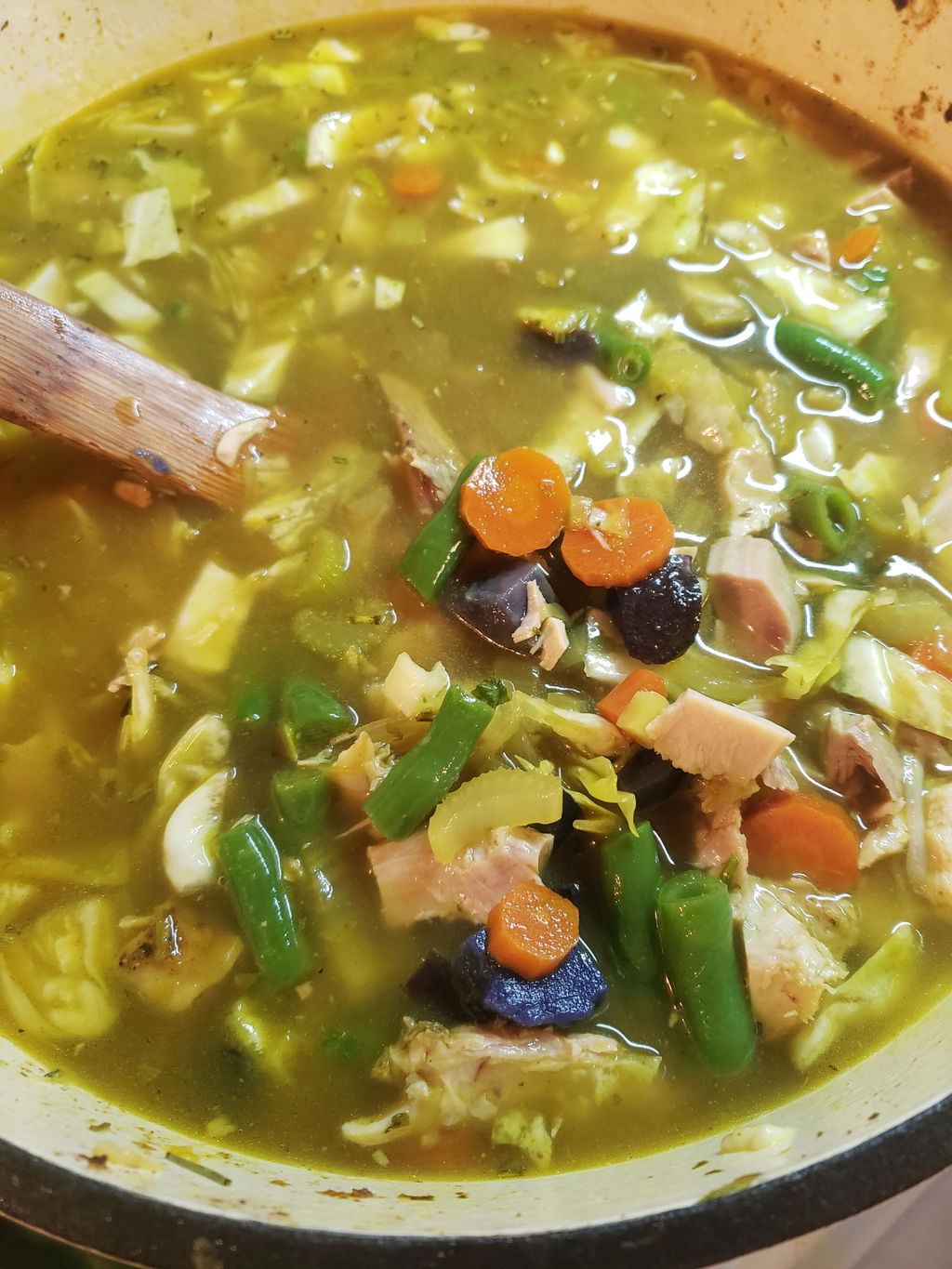
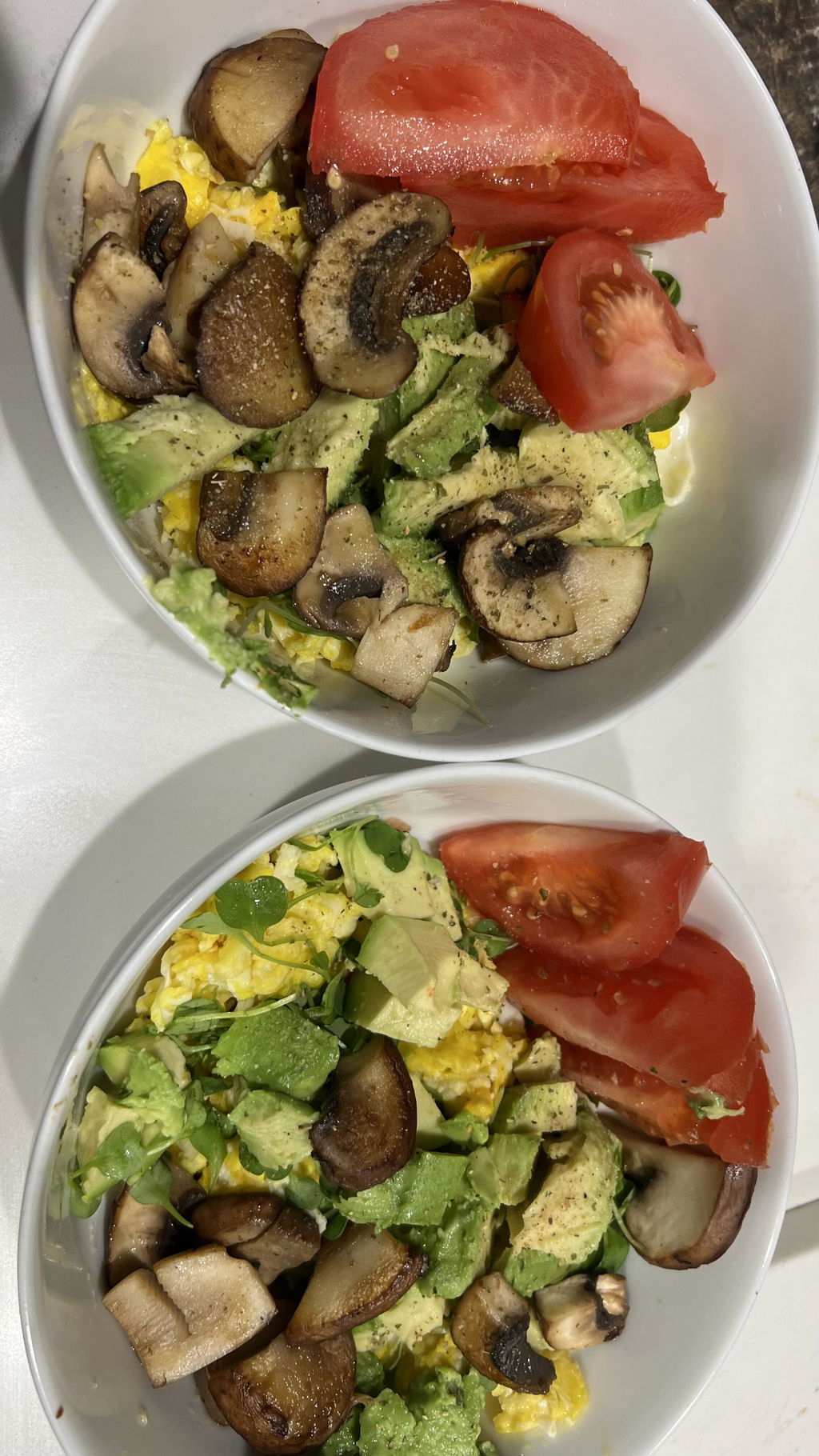
Pluck is designed to be used daily, across meals you already eat. Whether scrambled eggs, burgers, roasted veggies, or soups, each bite can nourish your cells, support your nervous system, and remineralize your body from the inside out. Unlike isolated supplements, the nutrients in Pluck are delivered in the context of whole food, making them more usable and less likely to throw off mineral balance. It’s not just convenience, it’s a form of nutritional restoration that meets modern life where it is, without compromising the quality your body deserves.
Conclusion: The Micro-Shift That Creates Macro Change
In today’s health landscape, it’s easy to get overwhelmed. We’re constantly flooded with information, new products, breakthrough protocols, and endless opinions about what we should do. And yet, beneath all the noise, many people are unknowingly running on empty—not because they aren’t trying, but because they’re fundamentally undernourished. This isn’t a lack of effort. It’s a lack of minerals.
Trace mineral deficiency is the silent saboteur of modern health. It doesn’t always scream for attention but slowly erodes the body’s ability to function at a deep, cellular level. Fatigue, low motivation, hormonal imbalances, anxiety, frequent illness, poor stress tolerance, and even brain fog are not random—they’re often the result of micronutrient insufficiency. And for most people, this depletion doesn’t come from a “bad” diet—it comes from a food system that no longer delivers what it used to. Even the cleanest diets can miss the foundational minerals that once came naturally from the land and water.
The solution isn’t a more complicated protocol or another expensive supplement stack. It’s a return to simplicity. To ancestral wisdom. To the parts of the animal we’ve forgotten, our biology still craves. Organ meats are nature’s multivitamin. They don’t just contain one or two isolated nutrients—they provide a comprehensive, synergistic package of trace minerals, vitamins, and cofactors in forms your body can use. But for many, cooking or eating liver, kidney, or heart feels intimidating or off-putting. That’s where the brilliance of Pluck comes in.
Pluck makes mineral-rich nourishment accessible to everyone.
Micro-dosing organ meats in a delicious, easy-to-use seasoning removes the friction and reintroduces ancestral nutrition into the modern kitchen. It’s not a chore. It’s a habit. When practiced daily, it becomes one of the most efficient, effective ways to remineralize your body, without changing what you eat, without new routines, and without being overwhelmed. Just a sprinkle here and there, and your body begins to reawaken from a long period of silent deficiency.
This is where real transformation begins—not from chasing more but honoring what already works. From feeding your cells what they recognize. From remembering that food was our first medicine, and it still is.
So, if you’re feeling stuck, scattered, or like you’ve tried everything, consider this: it may not be about doing more. It may be about doing less, more consistently, and more intentionally. Pluck is your invitation to return to a way of eating that aligns with your biology, supports your mental and emotional health, and nourishes your nervous system from the inside out. Let your healing begin not with another trend, but with a timeless truth: the minerals you’re missing aren’t far away. They’re already on your plate—you just need to invite them back.
Citations:
-
Maares, Maria, and Hajo Haase. "Zinc and immunity: An essential interrelation." Archives of Biochemistry and Biophysics, vol. 611, 2016, pp. 58–65. https://doi.org/10.1016/j.abb.2016.03.022
-
Rayman, Margaret P. "The importance of selenium to human health." The Lancet, vol. 356, no. 9225, 2000, pp. 233–241. https://doi.org/10.1016/S0140-6736(00)02490-9
-
Barceloux, Donald G. "Copper." Journal of Toxicology: Clinical Toxicology, vol. 37, no. 2, 1999, pp. 217–230. https://doi.org/10.1081/CLT-100102427
-
Aschner, Michael, and Lucio G. Costa. "Manganese in health and disease." NeuroToxicology, vol. 64, 2018, pp. 1–2. https://doi.org/10.1016/j.neuro.2018.01.012
-
Cefalu, William T., and Frank B. Hu. "Role of chromium in human health and in diabetes." Diabetes Care, vol. 27, no. 11, 2004, pp. 2741–2751. https://doi.org/10.2337/diacare.27.11.2741
-
Zimmermann, Michael B. "Iodine deficiency and thyroid disorders." The Lancet Diabetes & Endocrinology, vol. 2, no. 4, 2014, pp. 286–295. https://doi.org/10.1016/S2213-8587(14)70005-6
-
DiNicolantonio, James J., et al. "Subclinical micronutrient deficiency: A principal driver of cardiovascular disease and a public health crisis." Open Heart, vol. 5, no. 1, 2018, e000668. https://doi.org/10.1136/openhrt-2017-000668
-
Davis, Donald R., et al. "Changes in USDA food composition data for 43 garden crops, 1950 to 1999." Journal of the American College of Nutrition, vol. 23, no. 6, 2004, pp. 669–682. https://doi.org/10.1080/07315724.2004.10719409
-
Marler, John B., and Jeanne R. Wallin. "Human health, the nutritional quality of harvested food and sustainable farming systems." Nutrition and Health, vol. 12, no. 1, 1997, pp. 51–68. https://doi.org/10.1177/026010609701200107
-
Schwalfenberg, Gerry K. "The alkaline diet: is there evidence that an alkaline pH diet benefits health?" Journal of Environmental and Public Health, vol. 2012, 2012, Article ID 727630. https://doi.org/10.1155/2012/727630
-
Kiani, Adnan Khan, et al. "Main nutritional deficiencies: A review." Journal of Preventive Medicine and Hygiene, vol. 63, suppl. 3, 2022, pp. E93–E101. https://doi.org/10.15167/2421-4248/jpmh2022.63.3S.2731
-
Hurrell, Richard, and Juergen Zimmermann. "Iron bioavailability and dietary reference values." The American Journal of Clinical Nutrition, vol. 91, no. 5, 2010, pp. 1461S–1467S. https://doi.org/10.3945/ajcn.2010.28674F
-
'Connor, Laura E., et al. "Meat consumption and health: Food for thought." Meat Science, vol. 144, 2018, pp. 3–12. https://doi.org/10.1016/j.meatsci.2018.06.008
-
Mathai, John K., et al. "Comparison of nutrient composition of beef organs with muscle meat and implications for human health." Meat Science, vol. 183, 2022, 108635. https://doi.org/10.1016/j.meatsci.2021.108635
-
Davison, Kristen M., and Bonnie J. Kaplan. "Nutrient intakes are correlated with overall psychiatric functioning in adults with mood disorders." The Canadian Journal of Psychiatry, vol. 57, no. 2, 2012, pp. 85–92. https://doi.org/10.1177/070674371205700204
-
Krebs, Nancy F., et al. "Recommended dietary allowances and estimated average requirements are not met for many trace minerals: Results from NHANES 2009–2010." The FASEB Journal, vol. 28, no. S1, 2014, supplement 1036.6. https://www.fasebj.org/doi/abs/10.1096/fasebj.28.1_supplement.1036.6
-
Biesalski, Hans-Konrad. "Meat as a component of a healthy diet – are there any risks or benefits if meat is avoided in the diet?" Meat Science, vol. 89, no. 3, 2011, pp. 271–276. https://doi.org/10.1016/j.meatsci.2011.04.010
-
Russo, Antonio J. "Analysis of copper and zinc plasma concentration and the efficacy of zinc therapy in individuals with Asperger’s syndrome, pervasive developmental disorder not otherwise specified and autism." International Journal of Medical Sciences, vol. 8, no. 6, 2011, pp. 492–496. https://doi.org/10.7150/ijms.8.492
-
Gao, Shuang, et al. "Selenium deficiency and mood disorders: A review of the evidence." Frontiers in Nutrition, vol. 8, 2021, article 687276. https://doi.org/10.3389/fnut.2021.687276
-
Beard, John L., et al. "Iron deficiency alters brain development and functioning." The Journal of Nutrition, vol. 133, no. 5, 2003, pp. 1468S–1472S. https://doi.org/10.1093/jn/133.5.1468S











Leave a comment
All comments are moderated before being published.
This site is protected by hCaptcha and the hCaptcha Privacy Policy and Terms of Service apply.