


 Large Bag
 Travel Pack

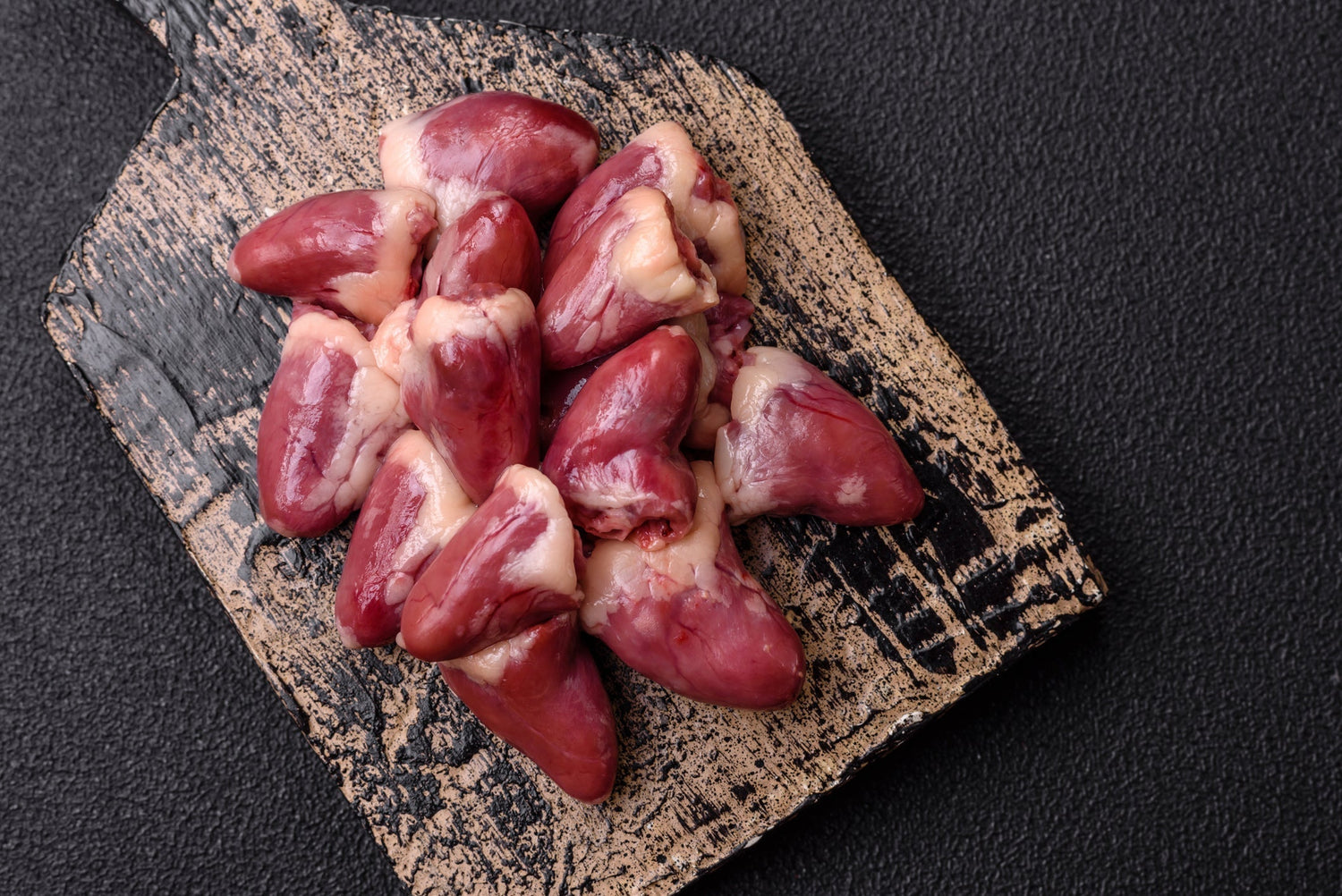
When most people think about gut health, their minds go straight to fiber, probiotics, or fermented foods like yogurt and sauerkraut. These strategies have their place, but they only scratch the surface of what it takes to build a truly resilient digestive system. There is an entire class of nutrient-dense foods that has supported gut health for centuries, yet remains neglected in modern diets: organ meats. Specifically, organs like the spleen and pancreas are not just passive sources of vitamins; they are active agents of regeneration. Packed with enzymes, peptides, and tissue-specific nutrients, they provide targeted support for the digestive tract in a way that kale or kombucha cannot.
Beyond Probiotics: Rethinking Gut Health at the Root
The modern conversation around gut health tends to focus heavily on bacteria. The microbiome, probiotics, and prebiotics dominate wellness blogs and supplement shelves. While the bacteria in our gut matter, they are just one piece of the puzzle. True gut health also depends on the strength of the gut lining, the quality of our digestive secretions, and the effectiveness of our immune system within the gut. Without nourishment of the physical gut structures themselves, even the best probiotics may offer limited results.[1]
One of the most critical aspects of gut health is the integrity of the intestinal lining. This delicate tissue acts as a barrier between the digestive tract and the rest of the body. It must remain strong and selectively permeable to absorb nutrients while keeping pathogens and toxins out. The gut lining has one of the fastest cell turnover rates in the human body, meaning it constantly requires renewal and repair. That renewal depends on specific nutrients that are abundant in organ meats, not found in significant amounts in typical plant-based or processed foods.[2]
Nutrients such as zinc, vitamin A, and glycine play a major role in strengthening the gut lining. Vitamin A supports mucosal immunity, zinc helps maintain tight junction integrity, and glycine supports collagen formation in gut tissues. Organ meats, especially liver and spleen, are rich sources of these nutrients in their most bioavailable forms. Unlike synthetic supplements or fortified foods, organ meats contain nutrients in whole food matrices, allowing for better absorption and utilization. This nutrient synergy helps create lasting improvements in gut function.[3][4]
Fiber and fermented foods do support gut bacteria, but they have little to no effect on repairing damaged intestinal tissue. If the physical structure of the gut is compromised, it cannot absorb nutrients properly, regardless of the microbial composition of the gut. In this way, focusing only on the microbiome is like tending a garden's soil while ignoring the walls of the greenhouse. A strong digestive system requires nourishment that rebuilds tissue, regulates inflammation, and supports immune signaling at the structural level. Organ meats provide that foundation in a uniquely powerful way.[5]
When evaluating digestive health, it is important to consider what supports the repair and regeneration of the gut itself. Animal organs are packed with enzymes, vitamins, minerals, and peptides that help kickstart the gut’s repair process. These compounds go deeper than just supporting gut bacteria; they work on the foundational layers of digestion itself. Adding them to your diet can make a real difference over time, improving how you digest food, absorb nutrients, and handle everyday stress. While probiotics may offer short-term relief, organ meats help rebuild the gut from the inside out.[6]
Enzymes and Peptides: The Gut-Specific Power of Organ Meats
Digestive enzymes are responsible for breaking down the food we eat into absorbable nutrients. Our bodies produce enzymes naturally, but stress, aging, and poor dietary habits can reduce the output of enzymes, especially those made by the pancreas. The pancreas plays a central role in secreting proteases, lipases, and amylases that digest proteins, fats, and carbohydrates. When we consume animal pancreas, we are consuming these same enzymes in a natural, whole-food form. This can offer direct support for those with weakened digestion or enzyme insufficiency, helping the body process food more efficiently.
In addition to enzymes, the animal pancreas contains peptides that influence the health and regeneration of pancreatic tissues. These peptides serve as messengers in the body, helping to regulate immune activity and support tissue repair and healing. When consumed, they may signal the body to enhance its pancreatic function, reduce inflammation, and increase enzyme output. This biochemical support may be especially helpful for those with chronic digestive issues, blood sugar dysregulation, or pancreatic fatigue. Organ meats, such as the pancreas, provide more than just nutrients; they offer targeted support for foundational digestive processes.[7]
What makes animal-derived enzymes especially effective is their compatibility with human digestion. Unlike plant-based enzymes, which are often inactivated by stomach acid, animal enzymes remain stable throughout digestion and continue to work in the small intestine. This stability allows them to support digestion where it matters most, improving the breakdown and absorption of nutrients. As a result, people may experience fewer symptoms like bloating, gas, or undigested food in the stool. For those with sluggish digestion or enzyme deficiencies, consuming pancreas can make a noticeable difference in how they feel after meals.[8]
For individuals dealing with low stomach acid or sluggish digestion, consuming pancreas may help bridge the gap until the body restores its enzyme production. It is a practical, food-based strategy for improving digestion at the root level.
Historically, traditional cultures used pancreas and other digestive organs to support those who were ill, weak, or recovering from gastrointestinal distress. These foods were considered sacred and were often given to children, the elderly, or the sick before any other part of the animal was consumed. Modern science is beginning to validate these ancestral practices by identifying the specific molecules in these foods that aid digestion. Isolated supplements cannot replicate the synergy of enzymes, peptides, and minerals in organ meats. They work together to support the body’s natural repair processes.
Including pancreas in the diet can benefit not just digestion, but also immune modulation and metabolic health. The pancreas is involved in both digestive and hormonal functions, including insulin regulation. By nourishing it with like tissues, we provide the body with a signal to heal, regenerate, and perform more efficiently. Whether used as part of a comprehensive dietary approach or as a targeted support strategy, organ meats like pancreas offer a unique tool for rebuilding digestive resilience from within.[7][8]
Spleen: The Overlooked Hero of Gut and Immune Health
The spleen is often ignored in discussions of digestive health, yet it plays a vital role in regulating the immune response that occurs in the gut. Much of the body’s immune system resides in the gut-associated lymphoid tissue, or GALT, and the spleen communicates with these tissues regularly. It filters the blood, stores immune cells, and produces antibodies that protect the body against pathogens. When the spleen is well-nourished, the immune system functions with greater balance and precision.A well-functioning spleen plays a significant role in maintaining gut calmness and reducing gut reactivity. When the spleen is supported, the immune system tends to respond more effectively, which can result in reduced inflammation in the digestive tract. This creates a more balanced gut environment that can better handle everyday stressors. The spleen is often overlooked when discussing gut health, but its role is critical. Supporting it can help the whole digestive system work more smoothly.[9]
Spleen tissue is rich in nutrients that support both the immune system and digestion. It contains concentrated amounts of heme iron, vitamin B12, zinc, and copper—nutrients the body relies on for energy production, healthy blood cells, and immune balance. It also provides rare peptides, such as tuftsin and splenopentin, which help immune cells respond in a more organized and effective manner. These compounds are not found in most plant foods or standard cuts of meat, making spleen a truly valuable and underused food. Eating spleen may help strengthen the gut’s immune defenses, especially in people dealing with chronic inflammation or autoimmunity.[10]
Many digestive problems today are linked to an immune system that is out of balance. Conditions like celiac disease, Crohn’s, ulcerative colitis, and even food sensitivities often come down to the body reacting too strongly to things that should not be seen as threats. In these cases, the immune system needs help calming down and responding more wisely. That kind of support can come from food, especially from targeted organ meats like spleen.[11[
Spleen-derived peptides may offer this support by enhancing the function of regulatory immune cells and improving immune tolerance. The gut does not operate in isolation, and spleen nourishment helps restore the immune component of digestion to balance.[12]
Traditional medicine systems have long revered the spleen for its strengthening and restorative properties. In traditional Chinese medicine, the spleen is regarded as one of the most vital organs for digestion, energy, and immune system strength. Many indigenous cultures also recognized its value, often reserving spleen for the most vulnerable members of the group—children, elders, and the sick. These practices were not random or superstitious; they were rooted in generations of lived experience and observation. Modern research is now beginning to catch up, showing that spleen tissue can play a meaningful role in healing, recovery, and gut resilience. Ancient wisdom and current science seem to agree on the spleen’s importance.
Adding spleen to the diet may be especially beneficial for individuals experiencing anemia, low energy, leaky gut syndrome, or widespread inflammation. It feeds both the immune and digestive systems with nutrients that are hard to find elsewhere. For those who are new to organ meats, spleen can be introduced slowly in small amounts, ideally sourced from animals that were pasture-raised or grass-fed. Even tiny servings a few times a week can lead to noticeable shifts in energy, digestion, and immune function. The spleen is far from a minor player—it has a powerful influence on overall gut and body health.[12][13]
The “Like Supports Like” Principle: Ancient Wisdom Meets Modern Science
The idea that eating specific animal organs supports the same organ in the human body is often called the “like supports like” principle. Although this concept has ancient roots, it is gaining new attention from scientists and practitioners today. Each organ carries its unique mix of nutrients, peptides, and enzymes that are specific to its role in the body. When we consume those organs, we provide our bodies with the building blocks and signals they need to support the same functions. This concept becomes especially important when considering the gut, where various organs and immune responses collaborate.[14]
Take the pancreas, for example. It helps us produce digestive enzymes, so eating pancreas may support that process. The spleen plays a crucial role in gut immune balance, so consuming spleen may help regulate the immune system in the digestive tract. The liver plays a crucial role in detoxification and bile flow, so including it in the diet may support these processes as well. These connections are not just symbolic; they are rooted in the way our biology functions. Animal organs contain signaling molecules that can interact with our tissues to promote healing, calm inflammation, and restore function.[15]
More research is needed to fully map these mechanisms; early studies on glandular therapy and animal-derived peptides have shown promising results. These effects go beyond simple nutrition and into the realm of molecular communication.[16]
Glandular therapy, which involves using freeze-dried or desiccated animal organs, has been practiced for over a century in the field of complementary and alternative medicine, also known as functional medicine. Practitioners have observed that clients who consume organ-specific supplements often experience improvements in the corresponding areas of their health. This could be due to a combination of nutrient density, enzymatic activity, and organ-specific peptides. Synthetic vitamins or isolated nutrients do not easily replicate these effects. Whole organs provide a spectrum of compounds that work together to support targeted healing.[17][18]
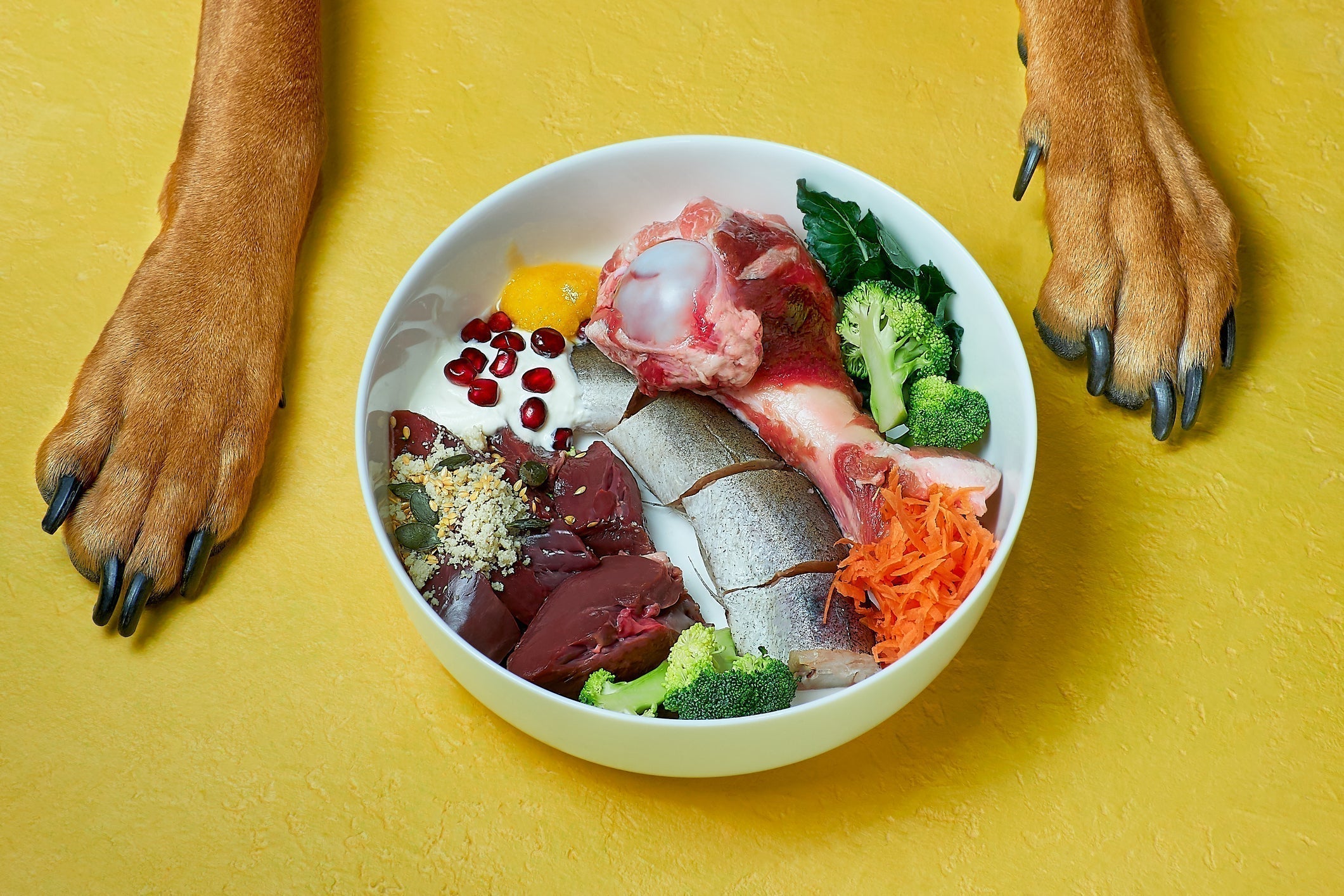
The beauty of “like supports like” lies in its elegant simplicity. It honors both ancient tradition and emerging science by respecting the body’s design and offering it what it naturally recognizes. There is wisdom in feeding our tissues the exact molecules they need to function and repair. Just as bones benefit from bone broth and collagen, digestive organs benefit from pancreas, spleen, and other glandular tissues. This approach combines food and healing, offering support that feels both practical and deeply connected to how our bodies function. When we include organ meats in the diet, we are giving our bodies something they recognize and know how to use. These foods are not just rich in vitamins and minerals, they also carry signals and building blocks that help repair and restore. Whether eaten fresh, freeze-dried, or used in a seasoning, organ meats offer digestive support that goes far beyond what you get from a probiotic capsule or a green smoothie. They speak the body’s language, drawing from both traditional wisdom and modern nutritional science.[19][20]
A Simple Way to Support Gut Health Every Day
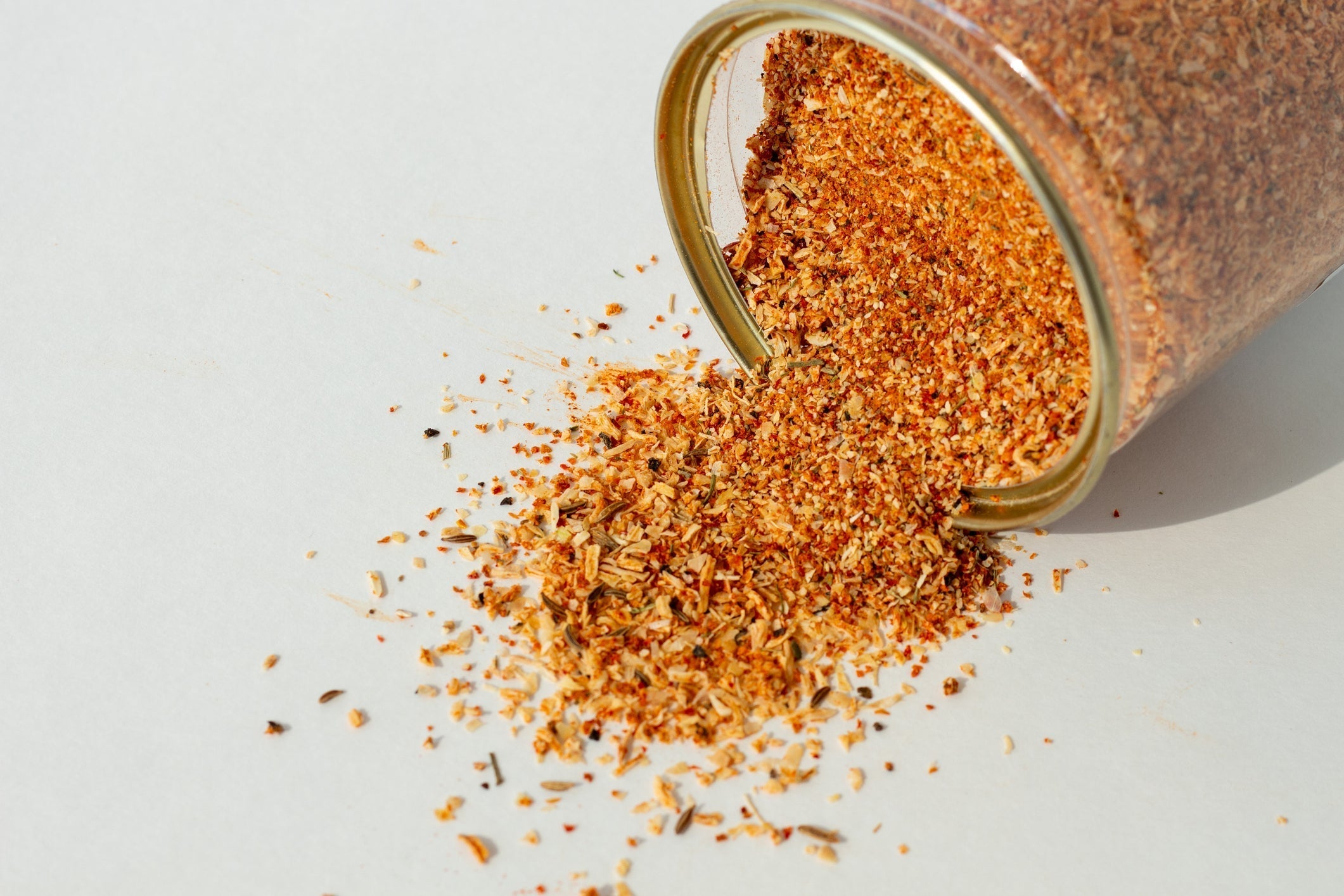
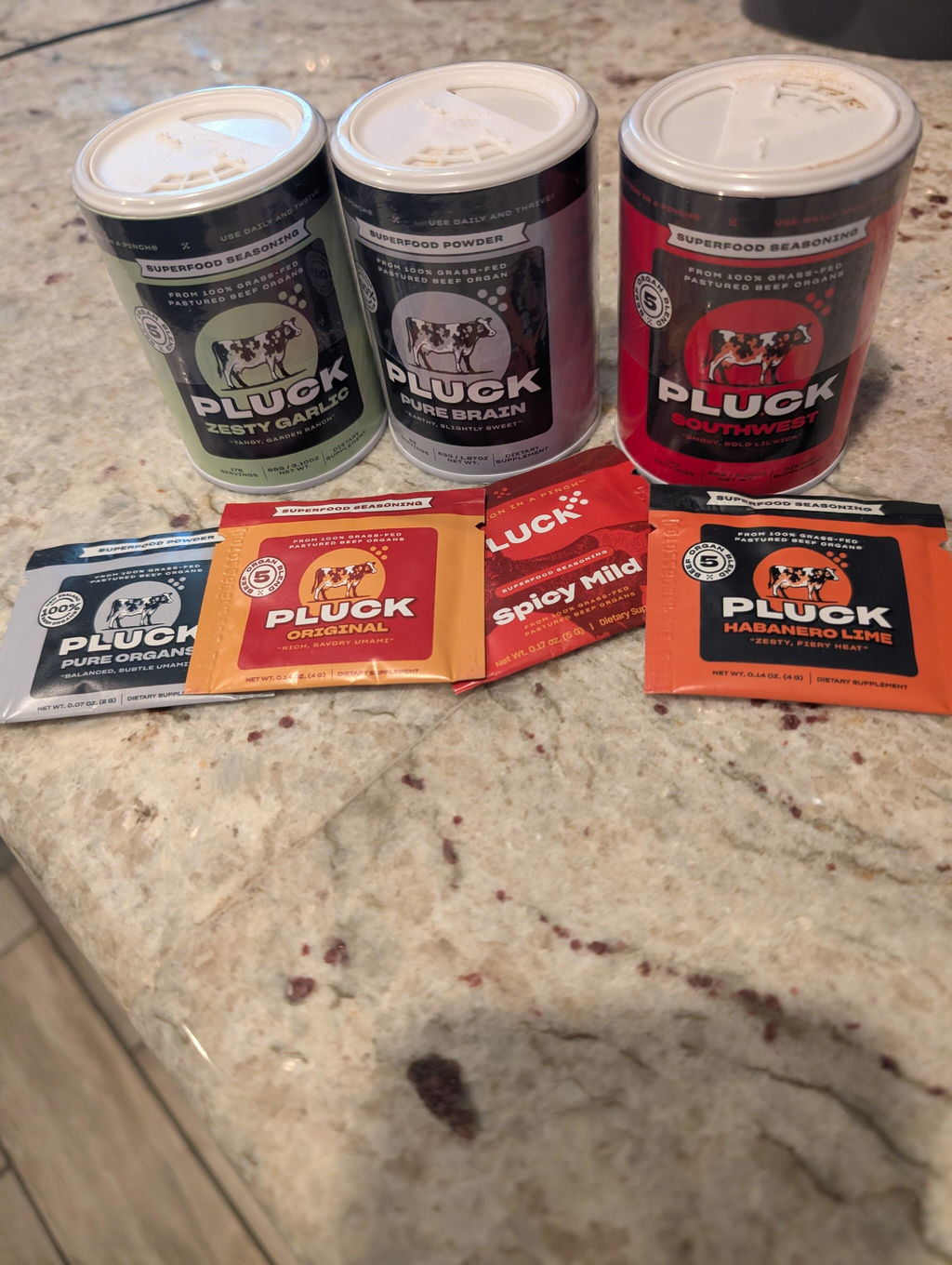
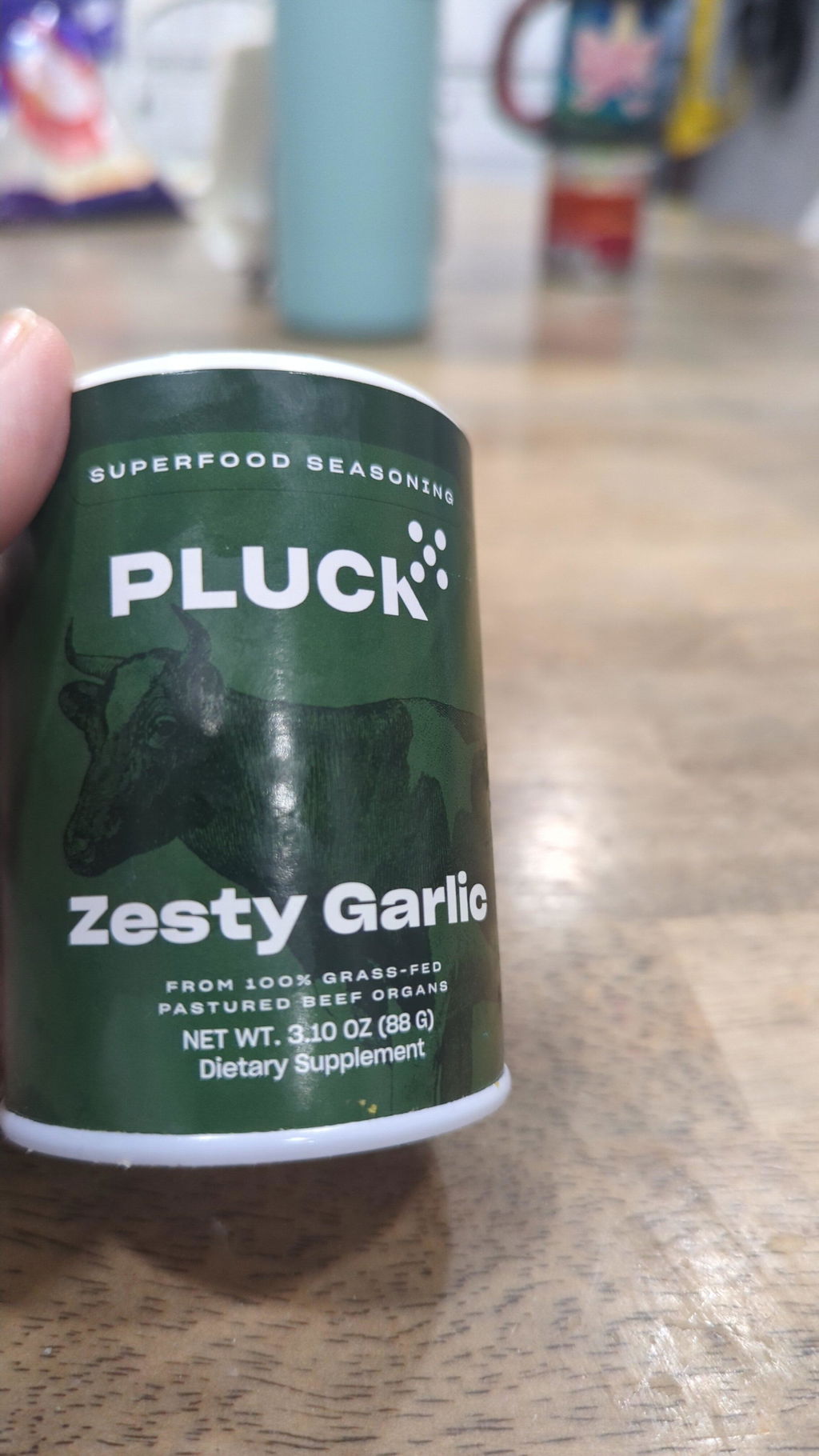
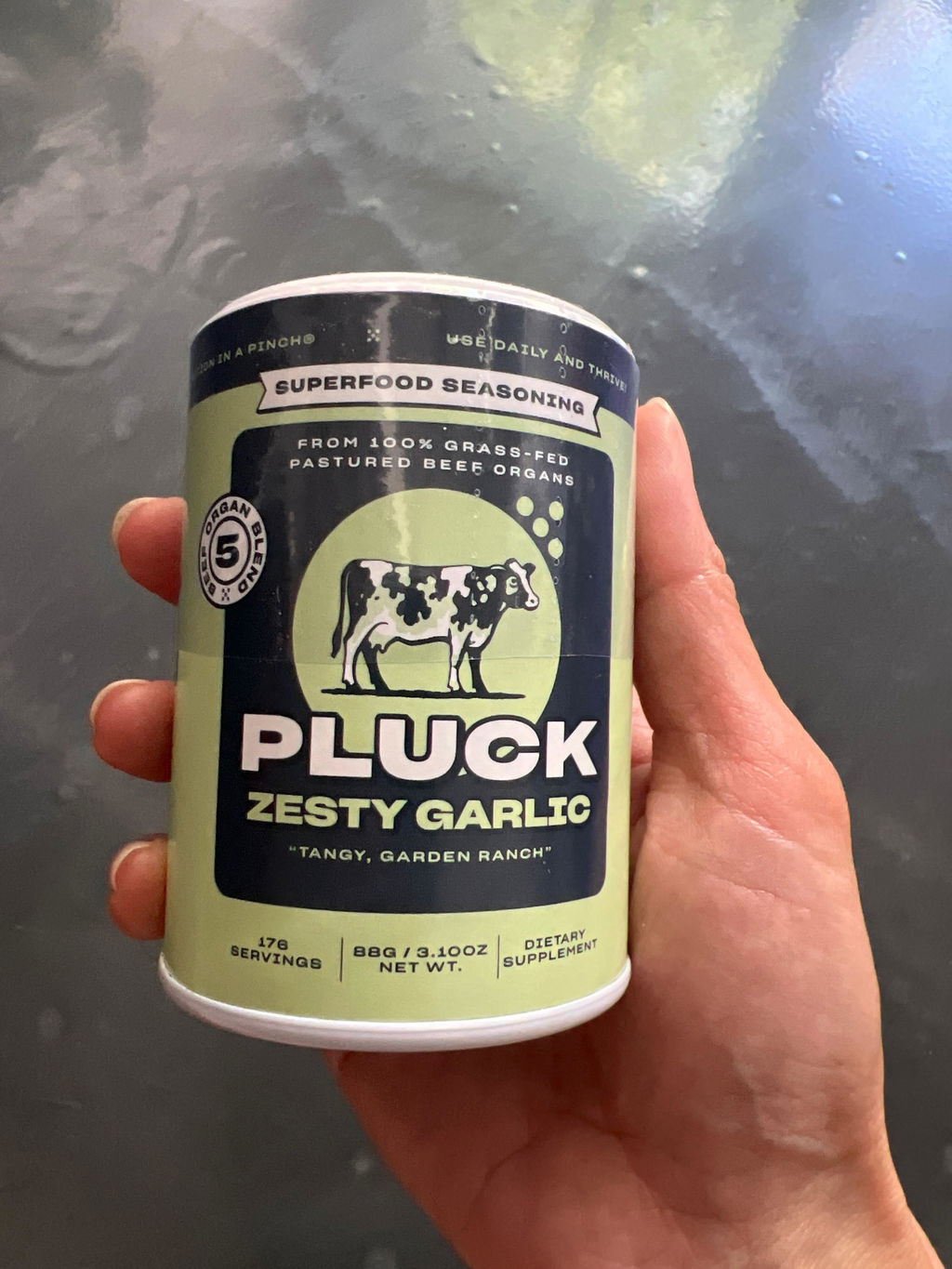
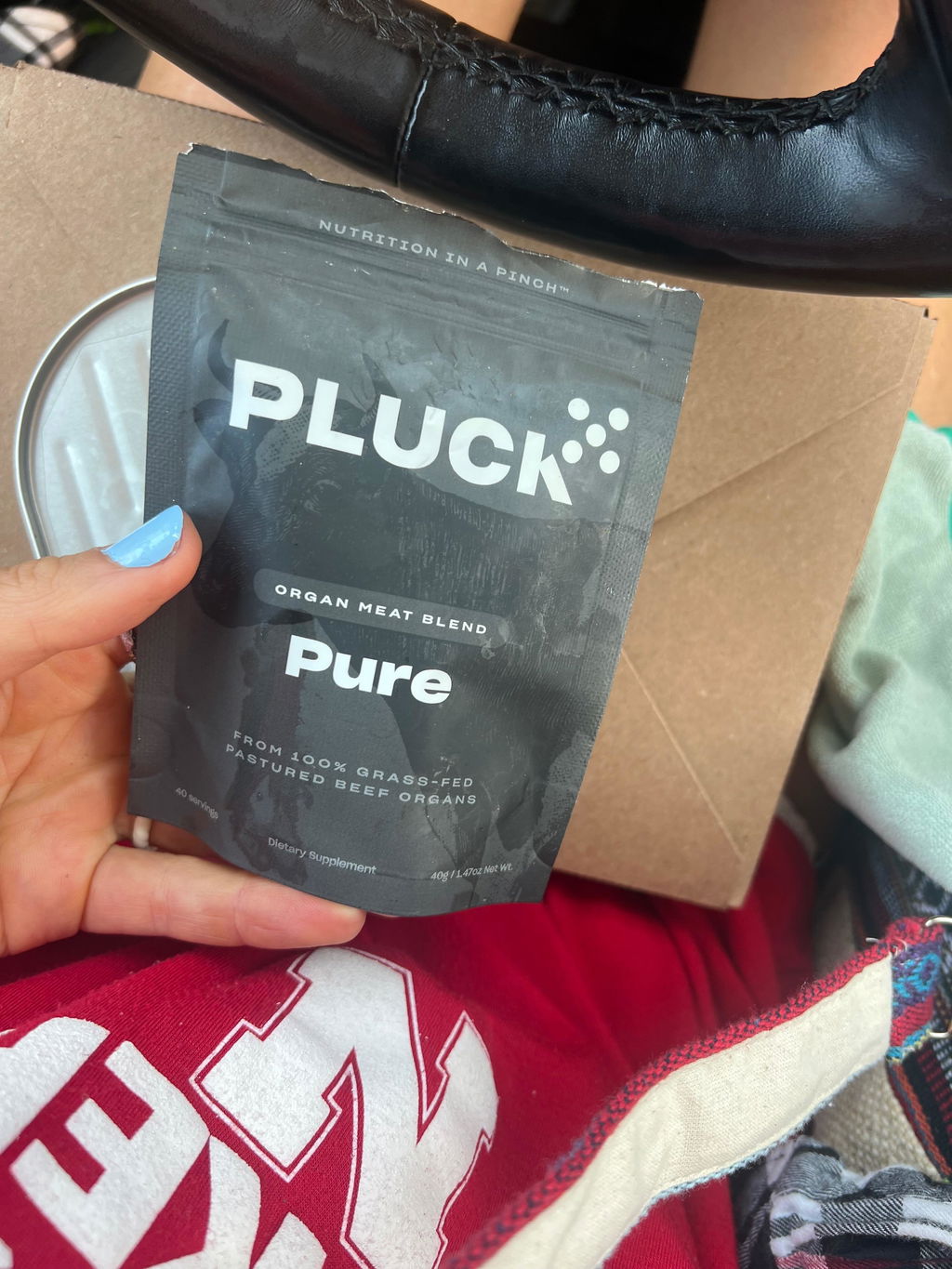
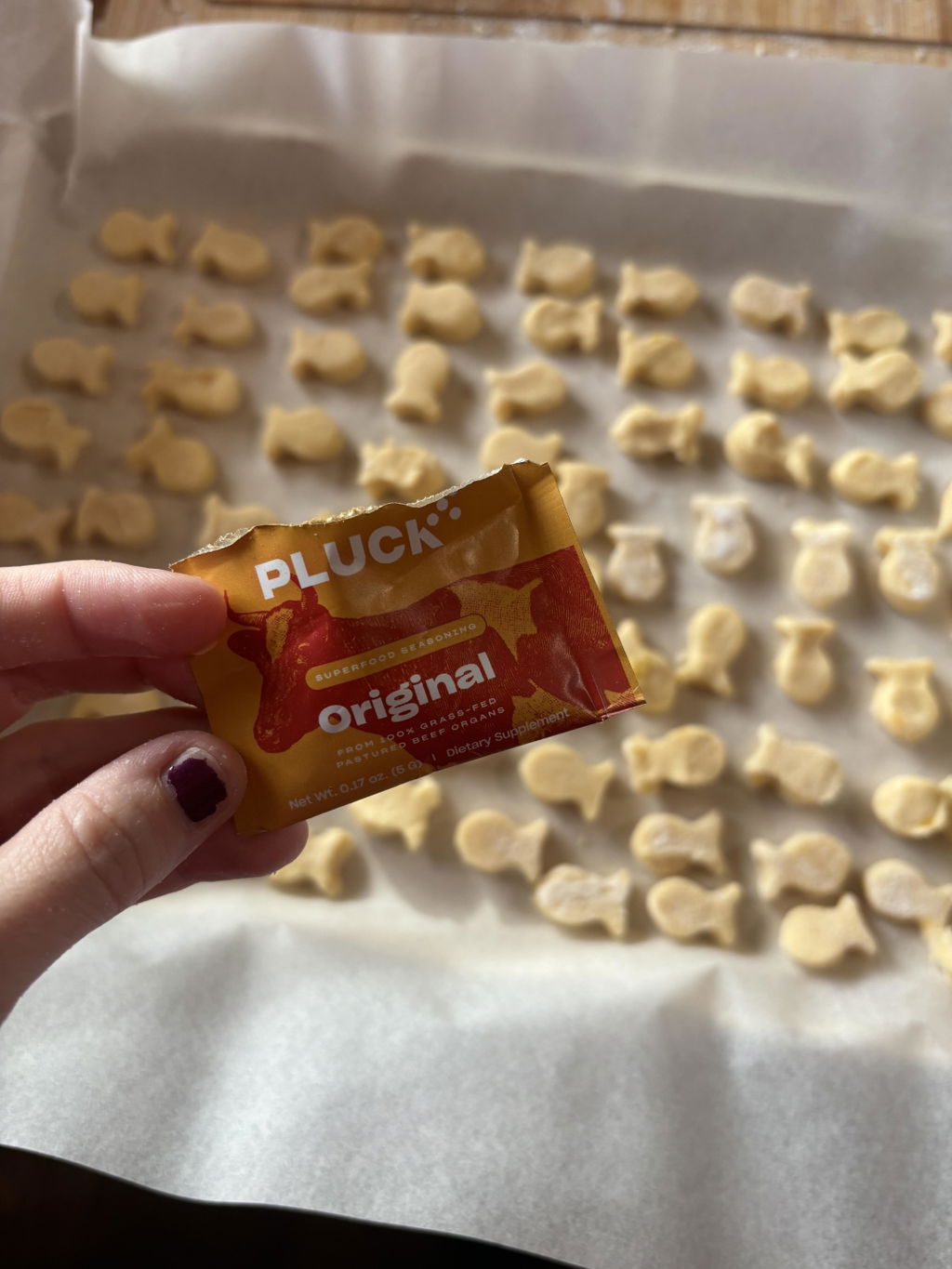
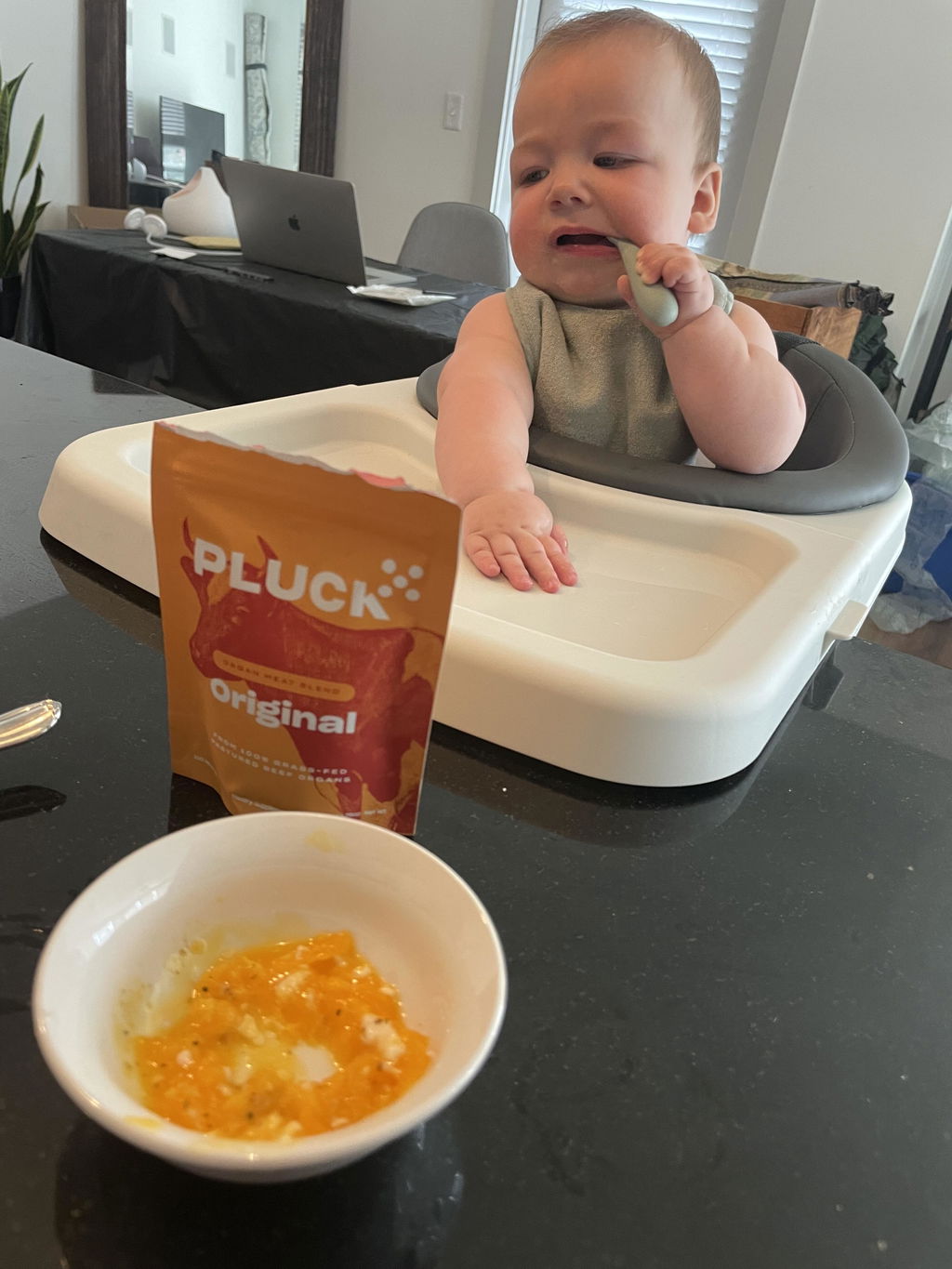
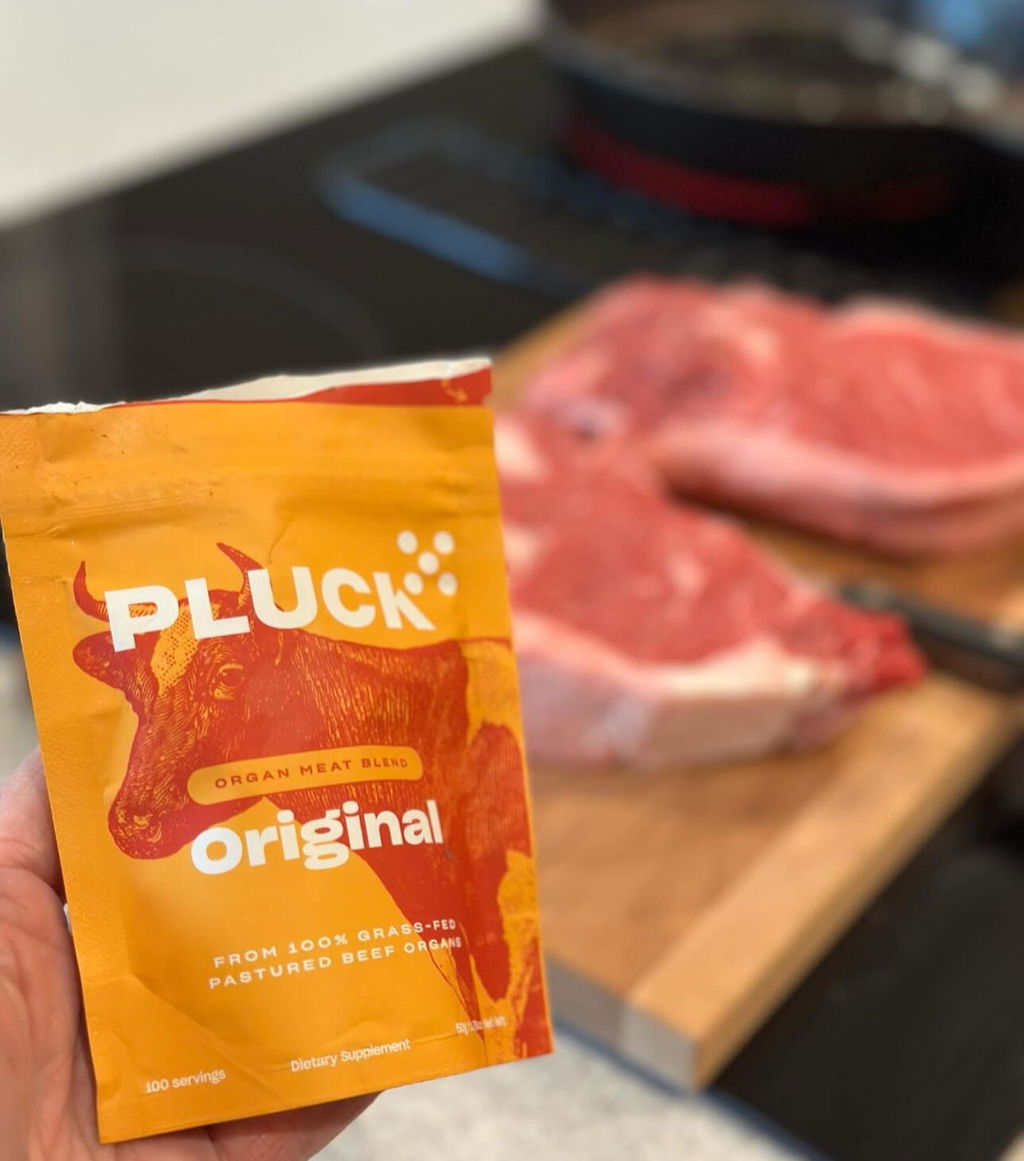
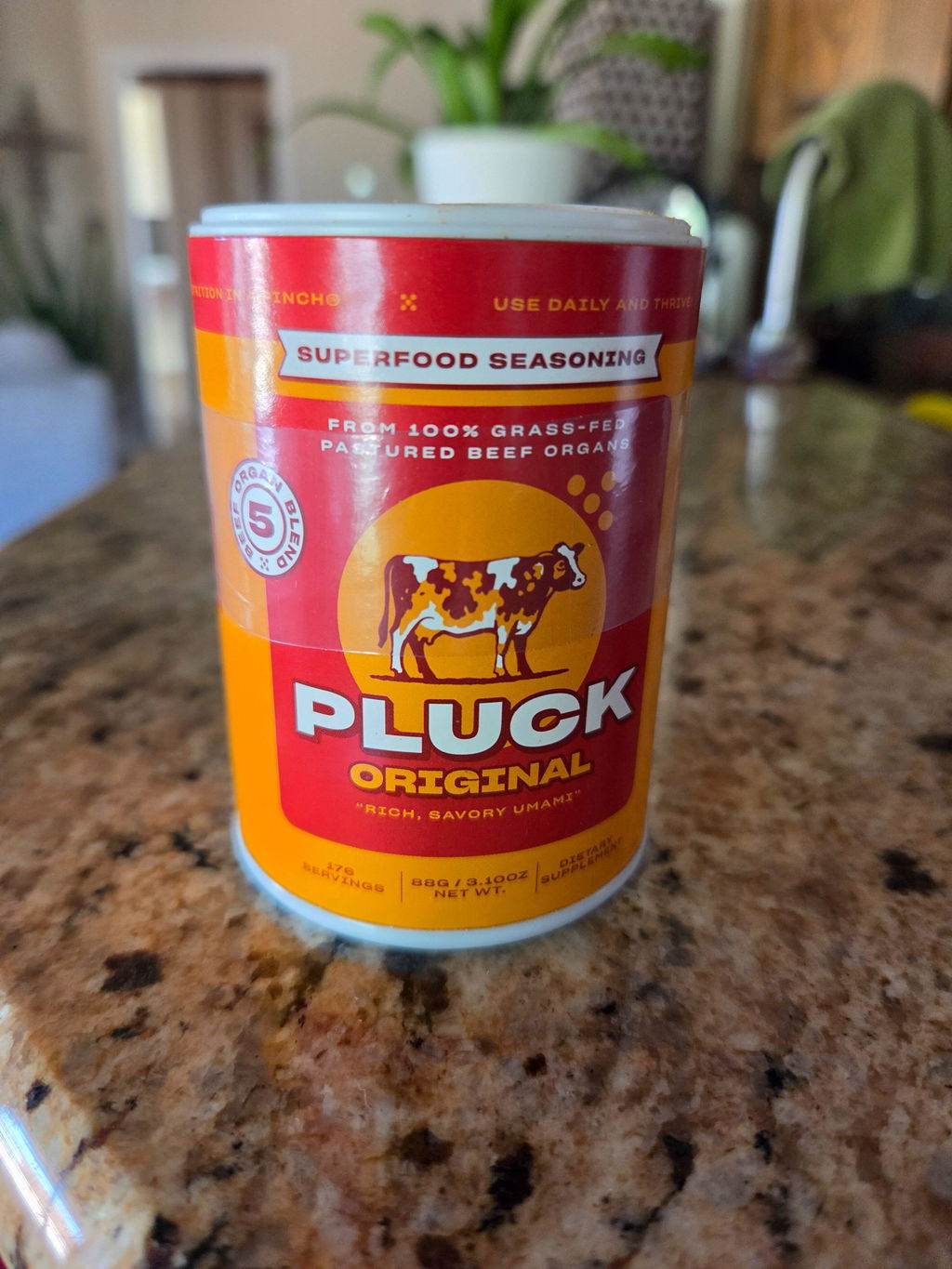
If you understand the value of organ meats but feel overwhelmed by the process of sourcing, preparing, or eating them, there is a simple solution. Pluck organ meat seasoning makes it easy to get the benefits of these nutrient-dense organs without the effort. It contains a carefully selected mix of liver, kidney, spleen, heart, and pancreas in freeze-dried form. The way it is prepared helps keep the nutrients and enzymes intact, so you get the benefits in every shake. With just a sprinkle, you can support your gut health in a way that fits naturally into your daily routine.
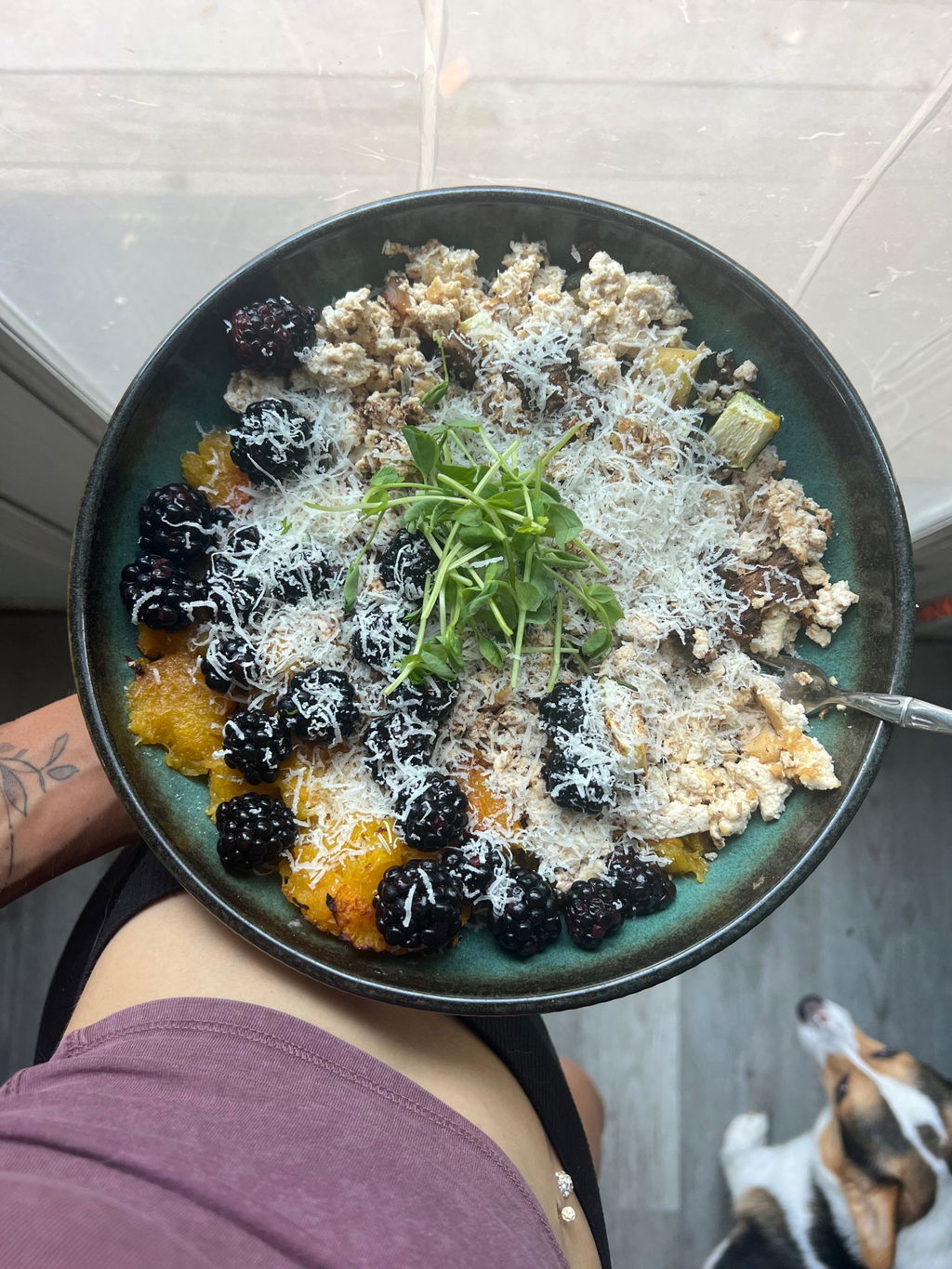
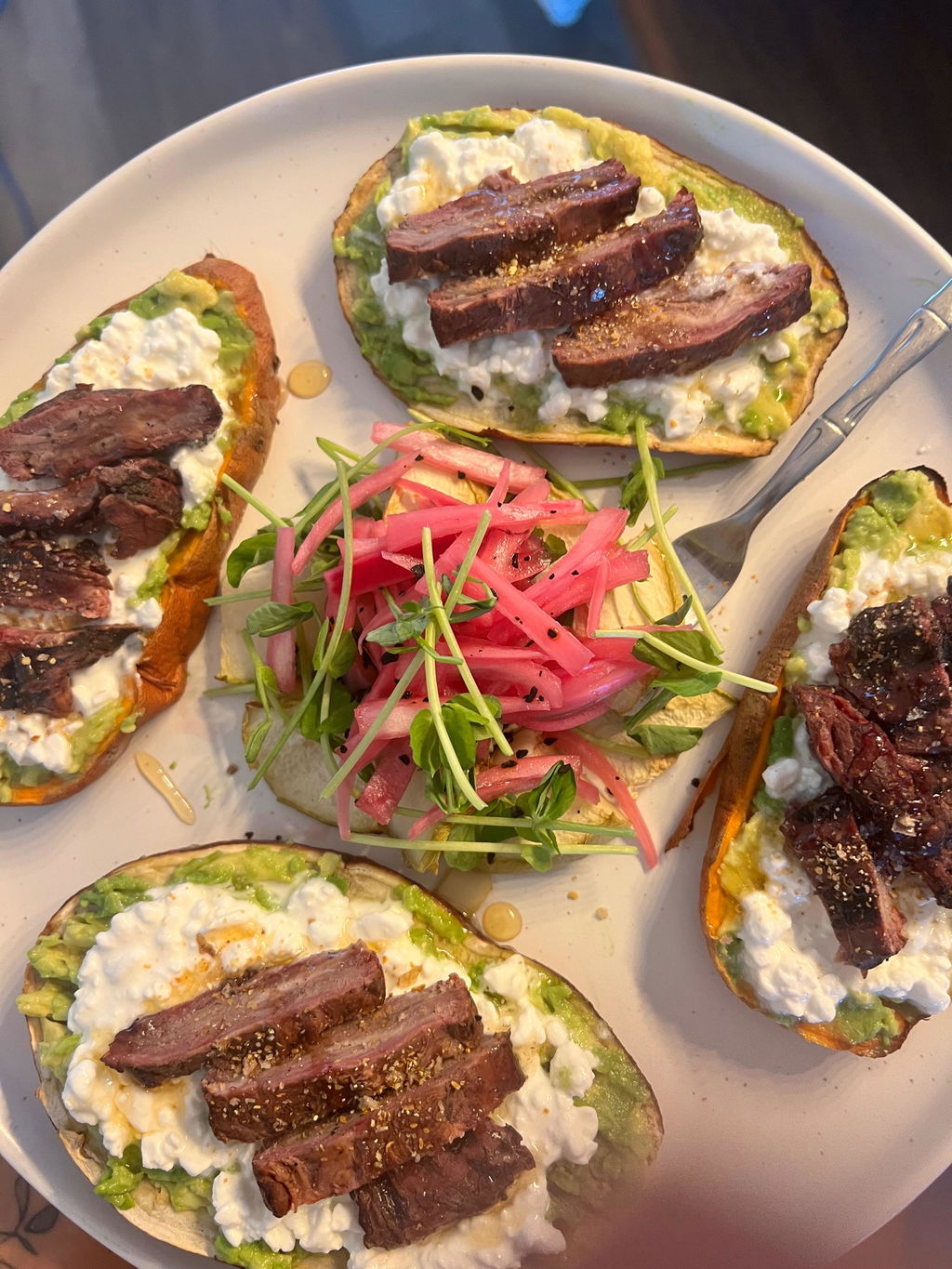
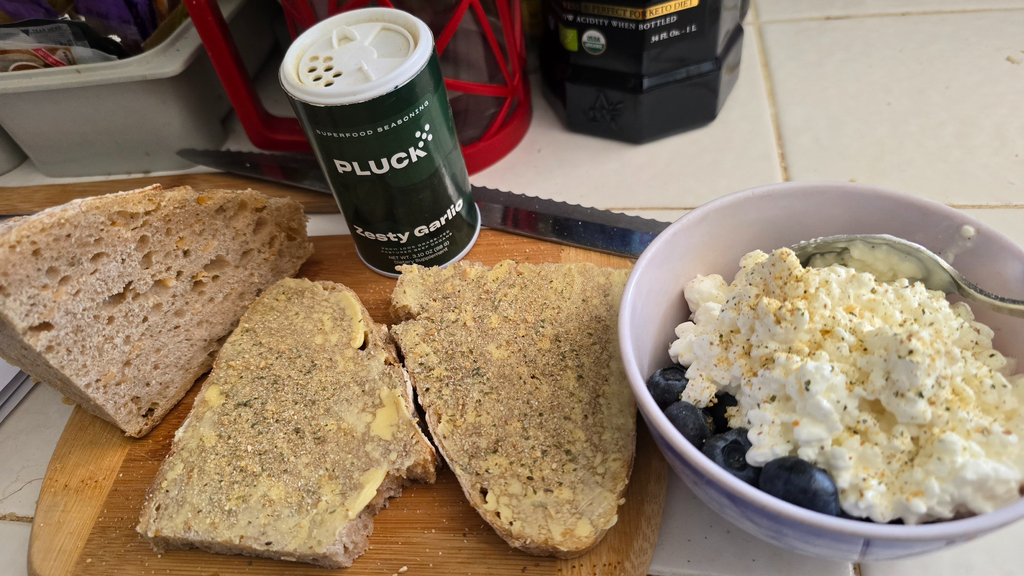
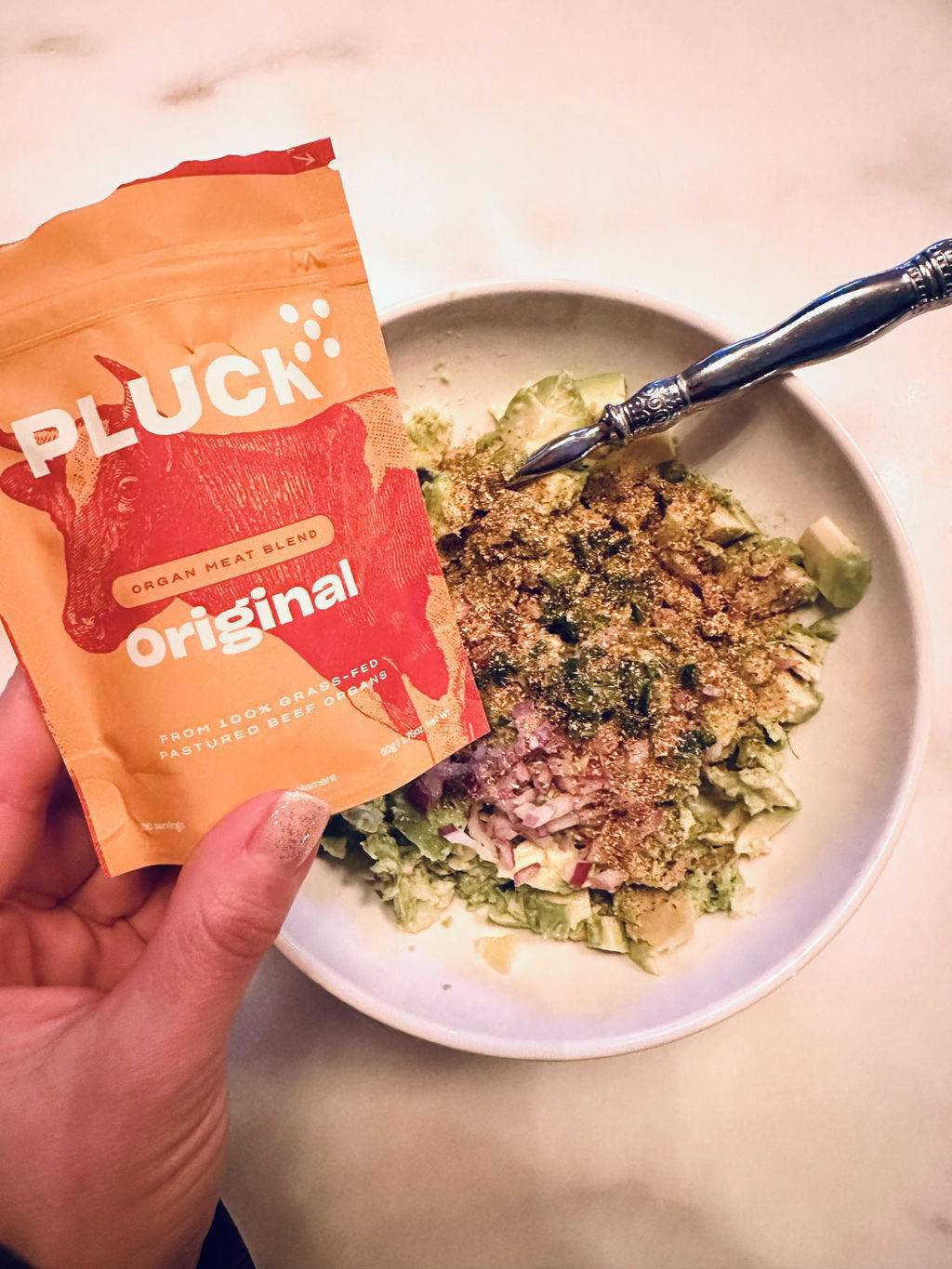
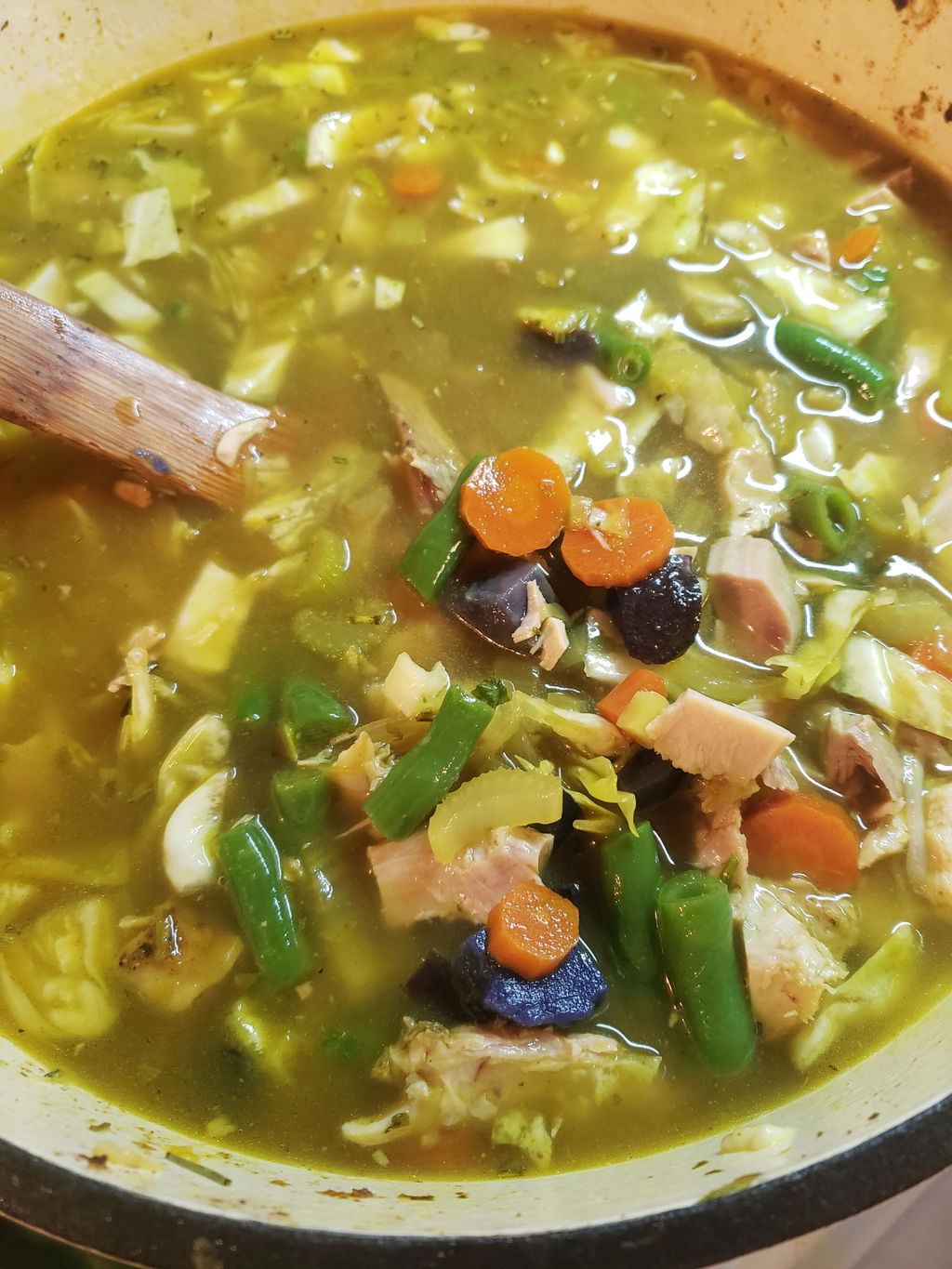
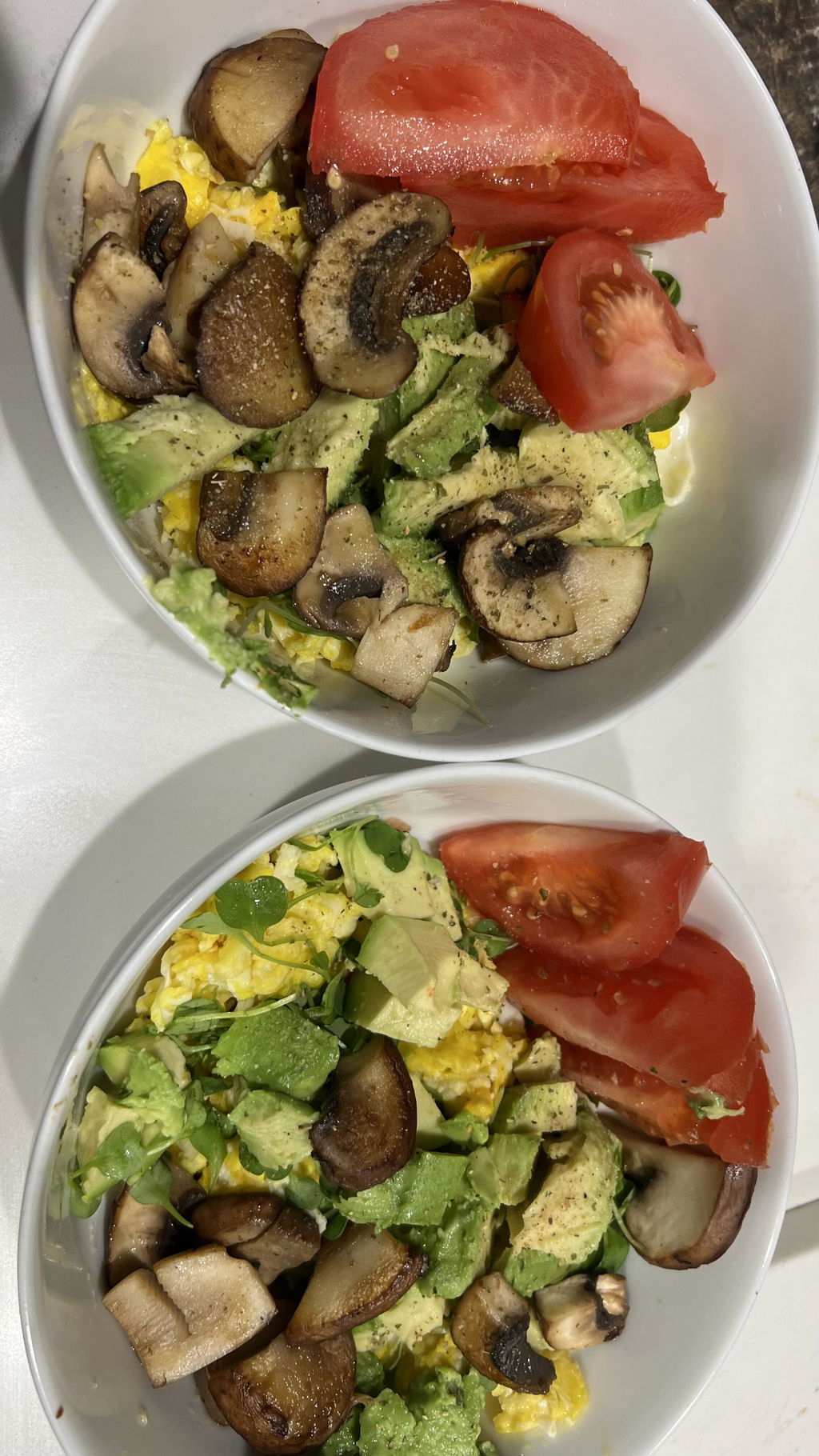
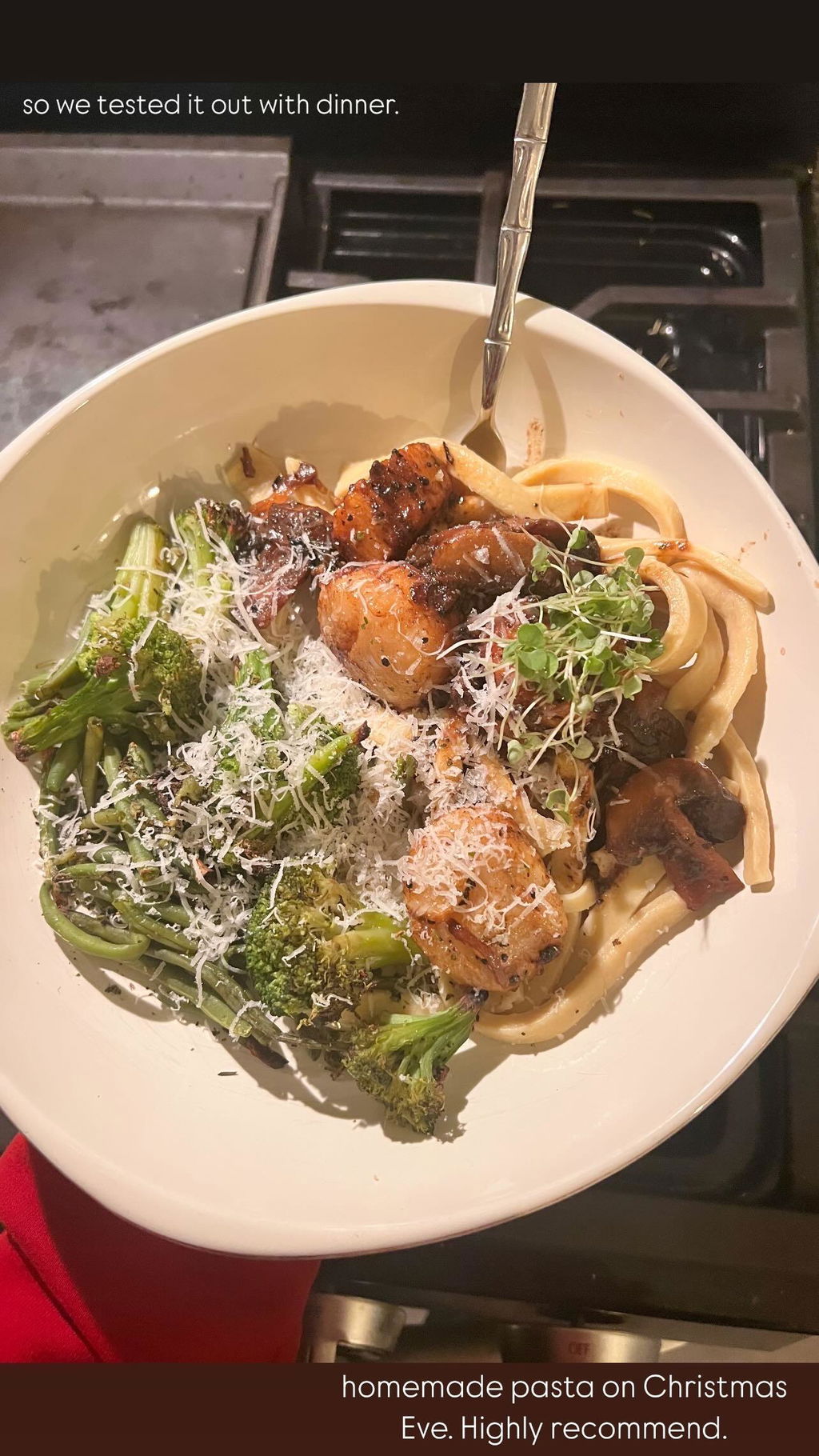
Pluck can be added to eggs, meat dishes, soups, or even roasted vegetables, making it easy to use with whatever you already enjoy eating. Instead of committing to cooking whole organs, you can simply season your food as you normally would and still reap the nutritional benefits. Pluck offers a modern way to access ancestral nutrition, without requiring a complete overhaul of your diet. It delivers the same kind of support as whole organ meats, just in a more approachable and flavorful form.
Whether you are working to rebuild your gut lining, restore enzyme function, or modulate immune responses in the gut, Pluck can help. It is more than a spice blend—it is functional food rooted in traditional wisdom and modern science. Supporting digestive health does not require drastic changes or complex protocols. Sometimes, it starts with something as simple as how you season your food.
Citations
-
Garcia‐Rodríguez, Javier, et al. “How Do Intestinal Probiotics Restore the Intestinal Barrier?” International Journal of Molecular Sciences, vol. 24, no. 24, 2023, p. 4286. pmc.ncbi.nlm.nih.gov.
-
Ohashi, Wakana, and Toshiyuki Fukada. “Contribution of Zinc and Zinc Transporters in the Pathogenesis of Intestinal Barrier Dysfunction.” International Journal of Molecular Sciences, vol. 24, no. 24, 2023, p. 4286.
-
Yun Ji, et al. “Glycine Regulates Mucosal Immunity and the Intestinal Microbial Composition in Weaned Piglets.” Amino Acids, vol. 54, no. 3, Mar. 2022, pp. 385–398.doi:10.1007/s00726-021-02976-y.
-
Wang, et al. “Protective Effect of Zinc Gluconate on Intestinal Mucosal Barrier Injury.” Frontiers in Microbiology, vol. 15, 2024, art. 1407091.
-
Chen, H., et al. “Effect of Bioactive Peptides on Gut Microbiota and Their Relations to Gut Barrier Functions.” Foods, vol. 13, no. 12, 2024, p. 1853.
-
Alvarado, M., et al. “Enzymatic Regulation of the Gut Microbiota: Mechanisms and Therapeutic Potential.” Biomolecules, vol. 14, no. 12, 2024, p. 1638.
-
Otsuki, Masashi, et al. “Pancreatic Digestive Enzyme Synthesis and Its Translational Control.” Pancreapedia, 2023, pp. 1–10.
-
Wiley, "Pancreatic enzymes in the treatment of chronic pancreatic insufficiency.” Journal of Veterinary Internal Medicine, vol. 36, no. 10, 2024.
-
Otsuki, Masashi, et al. “Pancreatic Digestive Enzyme Synthesis and Its Translational Control.” Pancreapedia, 2023, pp. 1–10.
-
Hägglund, Petra, et al. “Survey of Pancreatic Enzyme Replacement Therapy Dosing in Individuals with Exocrine Pancreatic Insufficiency.” Nutrients, vol. 15, no. 2, 2024, p. 4286.
-
Frontiers in Medicine. “Pancreatic Enzyme Supplementation versus Placebo for Non‑Responsive Celiac Disease.” Frontiers in Medicine, vol. 9, 2022.
-
Ancestral Supplements Grass Fed Beef Pancreas. Product Information, 2023.
-
Stanford Medicine. “Scientists get a new view of digestion.” Nature, 2023.
-
Friedman, Michele R., et al. “Glandular Therapy with Organ‑Specific Peptides: An Exploratory Study on Hormone‑Modulating Effects in Humans.” Journal of Alternative and Complementary Medicine, vol. 30, no. 4, 2024, pp. 215‑223.
-
Otsuki, Masashi, et al. “Pancreatic Digestive Enzyme Synthesis and Its Translational Control.” Pancreapedia, 2023, pp. 1–10.
-
Wang, Xiaoming, et al. “Small Spleen Polypeptides Promote Immune Regulation and Tolerance in Experimental Models of Inflammation.” Frontiers in Immunology, vol. 15, 2024, article 1449657.
-
Smith, Robert J., and Evelyn G. Turner. “Effects of Desiccated Organ Therapy on Human Health: A Systematic Review.” Journal of Alternative and Complementary Medicine, vol. 30, no. 6, 2024, pp. 487–499.
-
Johnson, Maria L., et al. “Biochemical Characterization of Freeze‑Dried Bovine Pancreas and Its Enzymatic Efficacy.” Molecular Nutrition & Food Research, vol. 69, no. 9, 2024, article e2300456.
-
Friedman, James E., and Livia K. Hart. “Organ‑Specific Nutrition: A Review of Traditional and Modern Applications.” Nutrients, vol. 17, no. 4, 2025, p. 1223.
-
Wang, Li, et al. “Peptidomics of Animal Organs Reveals Signaling Molecules with Therapeutic Potential.” Proteomics Clinical Applications, vol. 19, no. 3, 2025, article 2000218.









Leave a comment
All comments are moderated before being published.
This site is protected by hCaptcha and the hCaptcha Privacy Policy and Terms of Service apply.