


 Large Bag
 Travel Pack

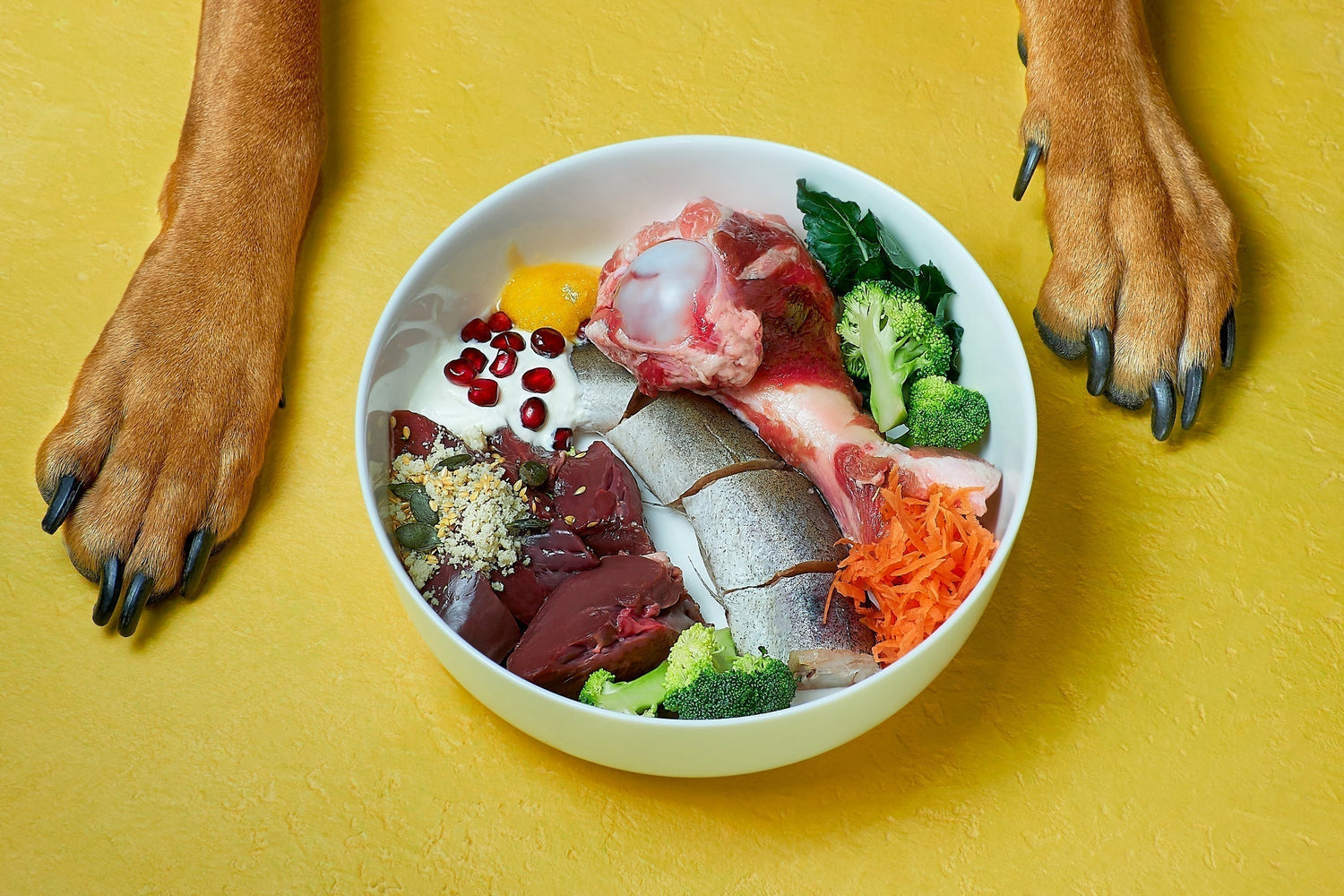
The Origins of Domestication: It Was Never About Grains
The story of how cats and dogs became part of human life didn’t begin with collars, kibble, or chew toys. It started with survival-based partnerships. For cats, that partnership began around early grain storage facilities. As agriculture developed, humans began stockpiling large amounts of harvested grain, which inevitably attracted an influx of rodents. This created an ideal hunting ground for wildcats, who were naturally drawn to these rodent-rich environments. Rather than seeing the cats as pests, humans recognized their usefulness in controlling the rodent population—a mutually beneficial relationship was born.
What’s telling is that these early domesticated cats were not drawn to the grain itself. They weren’t nibbling on wheat or barley kernels; they were stalking the mice and rats that lived off the grain supply. In this way, cats inserted themselves into early agrarian life not as grain eaters, but as carnivorous specialists. This aligns perfectly with their biological design—cats are obligate carnivores, so they must consume animal tissue to meet their nutritional needs. They lack the digestive enzymes to break down plant starch efficiently and cannot synthesize key nutrients like taurine, vitamin A (retinol), and arachidonic acid from plant sources.
These essential nutrients are found exclusively in animal tissues, especially organs. Yet, despite this evolutionary history, many commercial cat foods today are loaded with cheap fillers like corn, soy, wheat, and rice, often making up more than half of the product by weight. These ingredients are not only unnecessary but actively harmful, contributing to modern health issues such as obesity, diabetes, kidney stress, and digestive disorders. In short, cats were domesticated by following prey, not plants, and our feeding practices should reflect that ancestral truth.[1][2][3]
Dogs Were Hunters and Guardians—Not Carb Consumers
Dogs have a different but equally carnivorous history. Descended from wolves, early domesticated dogs likely joined human groups to assist with hunting and protection. These animals weren’t scavenging leftover porridge—they were participating in the chase, using their strength, speed, and senses to track game and alert tribes to threats. In return, humans rewarded them with access to nutrient-rich parts of the animal: meat, bone, fat, and organ tissue. In many indigenous cultures, dogs were valued hunting companions and were given choice scraps from the kill. Some societies even held ritualistic burials for dogs, suggesting a deep respect for their role in survival. Archaeological findings have confirmed that ancient dog remains often contain animal protein and marrow traces, not plant matter or grain.[4]
While dogs today are technically classified as facultative carnivores—meaning they can digest a limited amount of plant material in survival scenarios—their bodies remain primarily adapted to an animal-based diet. Their anatomy and physiology reflect this. Dogs have short, acidic digestive tracts designed to break down raw meat and fat quickly. Their teeth are made for tearing, not grinding, and they lack the flat molars needed to chew fibrous plant matter efficiently. Their pancreas produces enzymes like pepsin, trypsin, and lipase to digest proteins and fats, but produces little amylase, the enzyme necessary to break down starch. Even when dogs digest some plant-based foods, the bioavailability of nutrients is low, and their ability to extract essential amino acids, vitamins, and minerals from plants is limited. Yet modern dog food companies formulate diets based largely on peas, potatoes, lentils, rice, and soy—ingredients chosen not because dogs need them, but because they are cheap, abundant, and profitable. This dietary mismatch has created an epidemic of inflammation, gut dysbiosis, and metabolic disease in the modern dog—conditions virtually unheard of in wild canine populations.[5][6]
The Rise of Kibble—and the Fall of Pet Health
The pet food industry, as we know it today, is a relatively recent creation—born not out of nutritional innovation, but industrial efficiency. In the early 20th century, as mass production of human food ramped up, manufacturers were left with vast quantities of agricultural byproducts: cornmeal, soy flour, wheat middlings, cottonseed meal, and rancid fats. Rather than discard them, companies discovered they could blend these leftovers with synthetic vitamins and minerals, extrude them under high heat, and market the product as “complete and balanced” pet food. Dry kibble was born—cheap to make, easy to store, and highly profitable.[7]
Its convenience revolutionized pet ownership but came at a serious cost to animal health. These grain-heavy, carb-dense products are fundamentally mismatched with the evolutionary biology of dogs and cats, yet they quickly became the norm. The commercial success of kibble had little to do with its nutritional merit and everything to do with cost savings, advertising, and shelf life. Pet food giants spent decades convincing the public that these brown, dry pellets were adequate and optimal.[8]
But with this dietary shift came a disturbing pattern: modern pets began developing health issues that were once rare or virtually nonexistent. Obesity, insulin resistance, autoimmune disorders, itchy skin, arthritis, inflammatory bowel disease, and various cancers are now common diagnoses in dogs and cats. These conditions exploded in the human population as we moved away from nutrient-dense, whole foods toward ultra-processed convenience products. The parallels are impossible to ignore. Pets removed from their ancestral diet and fed a diet of starches, vegetable oils, synthetic additives, and mystery meat byproducts suffer the same fate as humans: chronic, degenerative disease driven by inflammation, oxidation, and nutritional deficiency. The kibble revolution may have made pet ownership easier, but it has made our animals sicker.[9]
Pottenger’s Cats: A Warning from the Past
In the 1930s and 1940s, Dr. Francis M. Pottenger Jr., a physician and researcher, conducted one of the most important and overlooked nutritional experiments of the 20th century. Known today as Pottenger’s Cats, the study followed nearly 900 cats over ten years, across multiple generations. Pottenger was originally studying adrenal gland extracts for human health when he noticed that the cats he used in his lab responded very differently based on what they were fed. This led him to systematically divide the cats into distinct dietary groups to observe the long-term effects of processed versus raw nutrition.[10]
One group of cats was fed a species-appropriate, raw diet that included raw milk, raw meat, and nutrient-rich organ meats. The other group received cooked meats, pasteurized milk, and leftover scraps, similar to what many well-meaning pet owners might feed their animals out of convenience. The results were nothing short of remarkable. The raw-fed cats remained strong, agile, fertile, and emotionally balanced. Their bone structure was symmetrical, their coats were glossy, their eyesight was clear, and they reproduced healthy litters across generations without complication.
In stark contrast, the cooked-food group began deteriorating almost immediately. These cats developed skeletal deformities, weak bones, crowded teeth, poor posture, and arthritis. They showed signs of dental decay, respiratory infections, poor coat quality, skin lesions, and behavioral disturbances like irritability and lethargy. Their reproductive health declined significantly: stillbirths increased, kittens were born with developmental issues, and mothers abandoned their young. By the third generation, many cats in the processed group were infertile, diseased, and unable to survive into adulthood without intervention.[11]
Pottenger’s conclusion was groundbreaking at the time: nutrition affects not only the health of the individual, but the vitality of future generations. It wasn’t enough for a diet to meet caloric needs or contain synthetic versions of essential nutrients. What mattered was the form and source of those nutrients—whether they came from fresh, bioavailable animal food or processed, heat-damaged, denatured substitutes.
Although his study was methodical and the outcomes were observable, the implications of Pottenger’s work were largely ignored by mainstream veterinary and nutritional communities. Why? Because it challenged the growing industrial food system and its reliance on pasteurization, fortification, and shelf-stable products. His findings revealed that a processed diet, even when technically “balanced,” fails to support long-term health. And perhaps most importantly, they highlighted the importance of organ meats and raw, unaltered foods—something that modern pet food all but eliminates in favor of synthetic vitamin blends and grain-based fillers.[12]
Pottenger’s Cats serve as an enduring warning: when we remove animals from their biologically appropriate diets, the consequences may not show up immediately, but they accumulate over time, manifesting in degenerative disease, infertility, and dysfunction across generations. This study remains a profound reminder that real food is not optional—it is foundational, especially for the animals that rely on us to make the right choices for their health.[11][12]
What Cats and Dogs Need to Thrive
The dietary needs of cats and dogs are not a mystery—they’ve been shaped by thousands of years of evolution. Their systems are designed for efficiency, nutrient density, and bioavailability, not for digesting fillers or synthetic vitamins. Unfortunately, most commercial pet food today prioritizes profit and shelf life over biological compatibility. To reverse the rising tide of pet illness, we must get back to feeding them what they are built to digest and utilize.
Cats: Obligate Carnivores with Non-Negotiable Needs
Cats are obligate carnivores, meaning they must eat animal flesh to survive. Unlike omnivores, they cannot efficiently convert plant-based nutrients into the forms their bodies need. For example, cats require preformed vitamin A (retinol), which is only found in animal tissue. They cannot convert plant beta-carotene into usable vitamin A like humans or some dogs can. The same applies tor arachidonic acid, an essential fatty acid in animal fat. Without it, cats suffer from reproductive, skin, and inflammatory disorders.
Another vital nutrient for cats is taurine, an amino acid critical for eye health, cardiovascular function, and reproduction. Taurine is exclusively found in animal tissue, especially in organ meats like heart and liver. Inadequate taurine intake can lead to dilated cardiomyopathy, retinal degeneration, and immune dysfunction. Commercial cat foods must add synthetic taurine to meet minimum standards because their plant-heavy ingredients provide none of it naturally.
Cats also have high protein requirements and thrive on moderate fat and minimal carbohydrates. Studies show that a cat’s natural prey, like mice, consists of roughly 55–60% protein, 30–35% fat, and only 1–2% carbohydrate. Yet most kibble contains over 25–40% carbs, far above their evolutionary limit. These excess carbohydrates promote insulin resistance, obesity, inflammation, and gut dysbiosis.[13][14][15]
Dogs: Not True Carnivores, But Close Enough
Dogs are often described as omnivores, but a more accurate term is facultative carnivores. While they can digest small amounts of plant material, they thrive primarily on animal foods. Their digestive systems are still closer to their wolf ancestors than to humans. They have short digestive tracts, highly acidic stomachs, and produce high levels of pepsin and lipase—enzymes for breaking down protein and fat, not fiber and starch.[16]
Dogs rely on amino acids like lysine, methionine, and leucine for muscle repair, metabolic regulation, and immune function. These amino acids are abundant in red meat and organs but are deficient in many plant proteins. Fat is another key component of a canine ancestral diet. Dogs are naturally fat-adapted, relying on animal fat for slow-burning energy and hormone production. Fat also helps dogs absorb fat-soluble vitamins like A, D, E, and K2. Healthy fat sources include beef tallow, duck fat, chicken skin, bone marrow, and fatty cuts of meat.[17]
Carbohydrates are non-essential for dogs. While they can utilize small amounts of glucose, the canine species has no dietary requirement for carbohydrates. Their bodies are fully capable of creating glucose through gluconeogenesis from protein. Excess starches and sugars from kibble can lead to weight gain, insulin resistance, and chronic inflammation. Many behavior issues in dogs, such as hyperactivity, anxiety, and irritability, can be traced back to blood sugar instability driven by these inappropriate ingredients.[18]
Why Organs Are the Missing Link
Organ meats are not optional add-ons—they are foundational. In the wild, cats and dogs instinctively eat the organs after a kill. Organs contain cofactors, enzymes, fat-soluble vitamins, and minerals in perfect synergy—in a way that synthetic nutrients never replicate. For example:
-
Liver is loaded with vitamin A, B12, folate, iron, and copper
-
Heart provides taurine, CoQ10, and B-complex vitamins
-
Kidney is rich in selenium, vitamin D, and zinc
-
Spleen is one of the best sources of bioavailable heme iron
-
The pancreas contains natural digestive enzymes
These organs support detoxification. Circumcised organ meats are not optional add-ons—they are foundational to the health and longevity of carnivorous animals. In the wild, when a predator makes a kill, the organs are eaten first, long before the muscle meat. This instinct isn’t random; it’s a biological drive to prioritize the most nutrient-dense parts of the animal. Organs contain an abundance of cofactors, enzymes, vitamins, and minerals in highly bioavailable forms, offering nutrition that no synthetic supplement can replicate.
Liver: Nature’s Multivitamin
Liver is one of the most concentrated sources of preformed vitamin A (retinol, critical for vision, immune function, skin health, and reproductive health. It’s also rich in vitamin B12, essential for neurological function and red blood cell formation, and folate, which supports cellular repair and DNA synthesis. The liver provides heme iron, the most absorbable form of iron, and copper, aiding collagen formation, bone strength, and iron metabolism. For growing animals and aging pets alike, liver offers unmatched support for detoxification, energy production, and systemic resilience.[19]
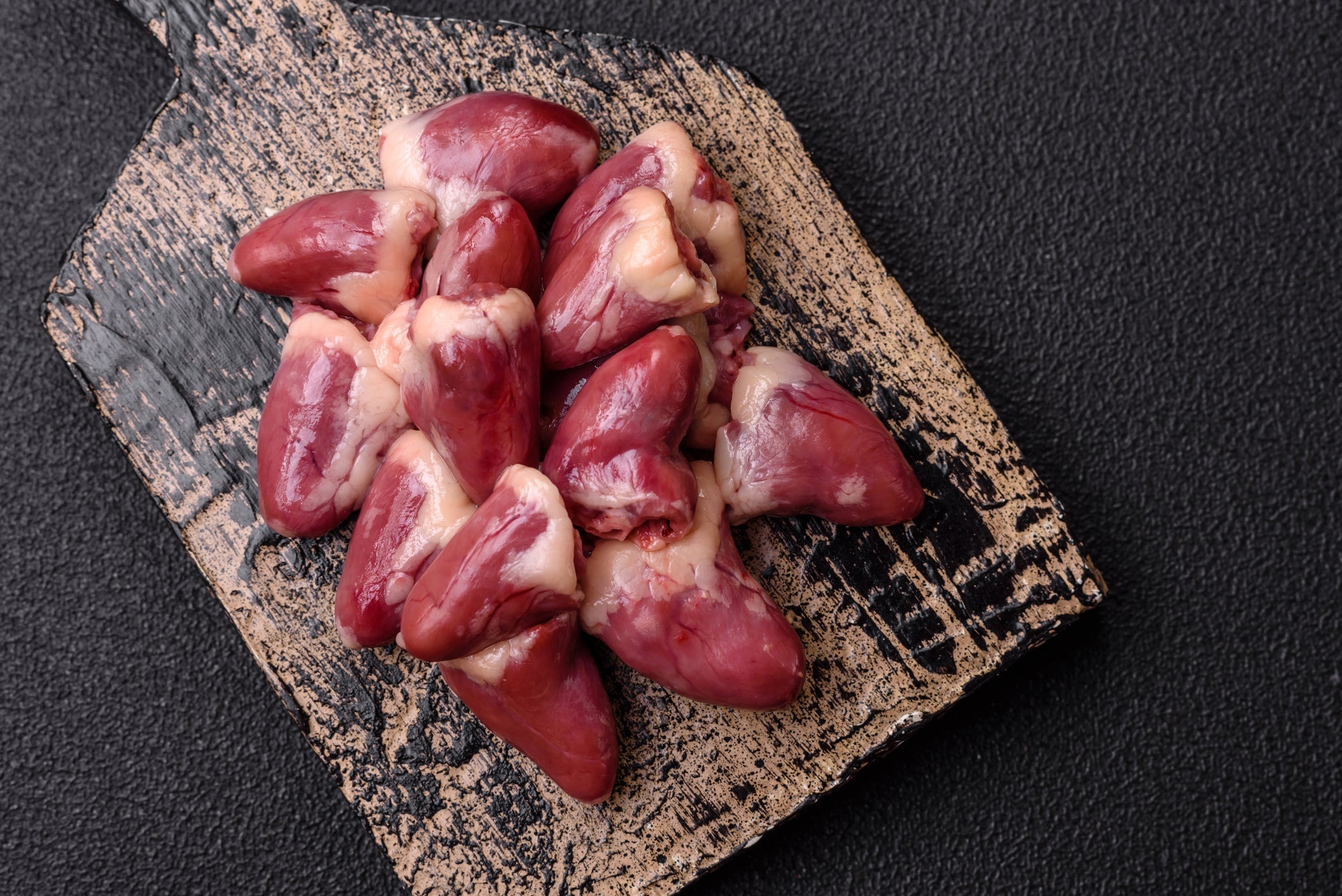
Heart: The Cardiac and Taurine Powerhouse
The heart isn’t just a muscle—it’s a functional organ rich in taurine, an amino acid vital for cardiovascular health, particularly in cats. Taurine deficiency in cats can lead to dilated cardiomyopathy and retinal degeneration. The heart also contains Coenzyme Q10 (CoQ10), which supports mitochondrial function and cellular energy, and B-complex vitamins that help regulate stress, metabolism, and brain function. Including the heart in a pet’s diet supports cardiac strength, stamina, and neurological balance, which are key for active dogs and aging animals.[20]
Kidney: The Master Mineral Balancer
Kidney is often overlooked but deliver potent nutritional support. It contains selenium, a powerful antioxidant that protects cells from oxidative damage and supports thyroid function. It’s also rich in vitamin D, which helps regulate calcium absorption and promotes immune modulation, which is especially important in animals that do not get adequate sun exposure. Kidney provides zinc, essential for skin health, reproduction, and enzyme function. Feeding kidney helps promote hormonal balance, antioxidant defense, and detoxification of urea and waste.[21]
Spleen: Iron and Immunity Central
The spleen is particularly high in bioavailable heme iron, making it excellent for animals with anemia, fatigue, or reproductive issues. Iron from spleen is far more absorbable than iron from plant sources or synthetic additives. The spleen also contains lymphatic compounds that support immune modulation, red blood cell recycling, and lymphatic drainage, making it a powerhouse for immune defense and energy metabolism.[22]
Pancreas: Digestive Enzyme Support
The pancreas naturally contains lipase, protease, and amylase—enzymes that help break down fats, proteins, and carbohydrates. Including pancreas in your pet’s diet provides direct digestive support, especially for animals with pancreatic insufficiency, sensitive stomachs, or malabsorption issues. Supporting digestion at the source allows other systems—like the liver, gallbladder, and gut—to function more efficiently.[23]
These organs don’t just nourish—they communicate with the animal’s biology. They support the same organ in the body that they came from—an ancestral principle known as “like supports like.” Liver nourishes the liver. Heart supports the heart. Kidney strengthens the kidneys. It’s a well-known concept in traditional medicine and is now supported by emerging research in organ-specific peptides, enzymes, and mitochondrial cofactors.
Unfortunately, most commercial pet food skips organ meats entirely, or includes them in trace, token amounts—just enough to appear on a label. Instead, companies rely on synthetic vitamins and isolated minerals to hit the regulatory “nutrient minimums.” However, meeting minimums is not the same as meeting biological needs. Isolated nutrients lack the full spectrum of co-factors, enzymes, and synergistic compounds in whole food sources. They are poorly absorbed, less effective, and don’t nourish the body similarly.
Over time, a diet devoid of real organ meats results in subclinical deficiencies—those nagging symptoms of “not quite right” that eventually evolve into full-blown disease. Poor coat quality, persistent itching, allergies, lethargy, weight gain, digestive upset, chronic inflammation, anxiety, and frequent infections are often nutritional in origin, not genetic fate.
This is why organ meats are irreplaceable. They are a nutritional insurance policy—a direct line to the kind of nourishment that our pets’ bodies instinctively recognize and know how to use.
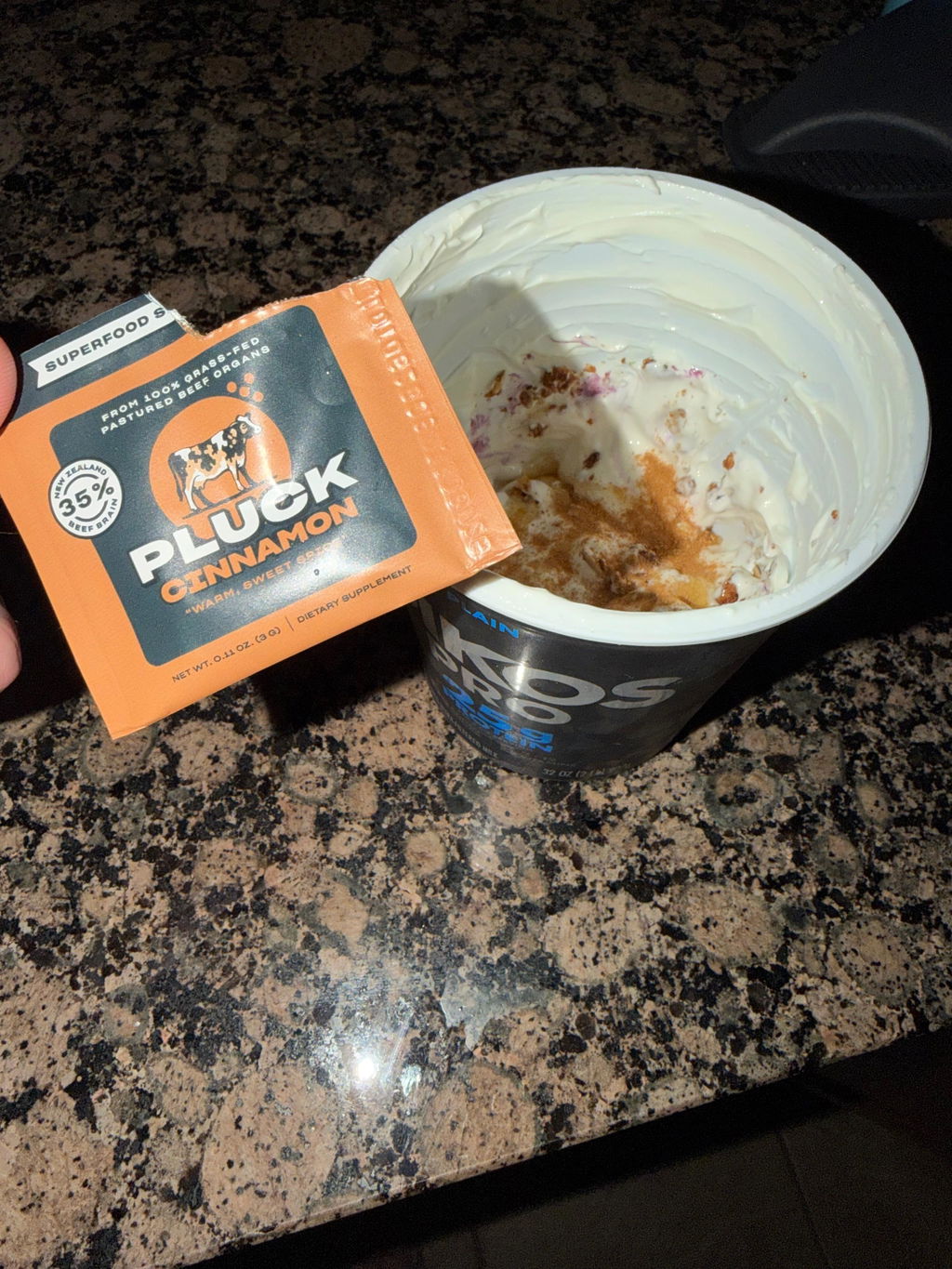
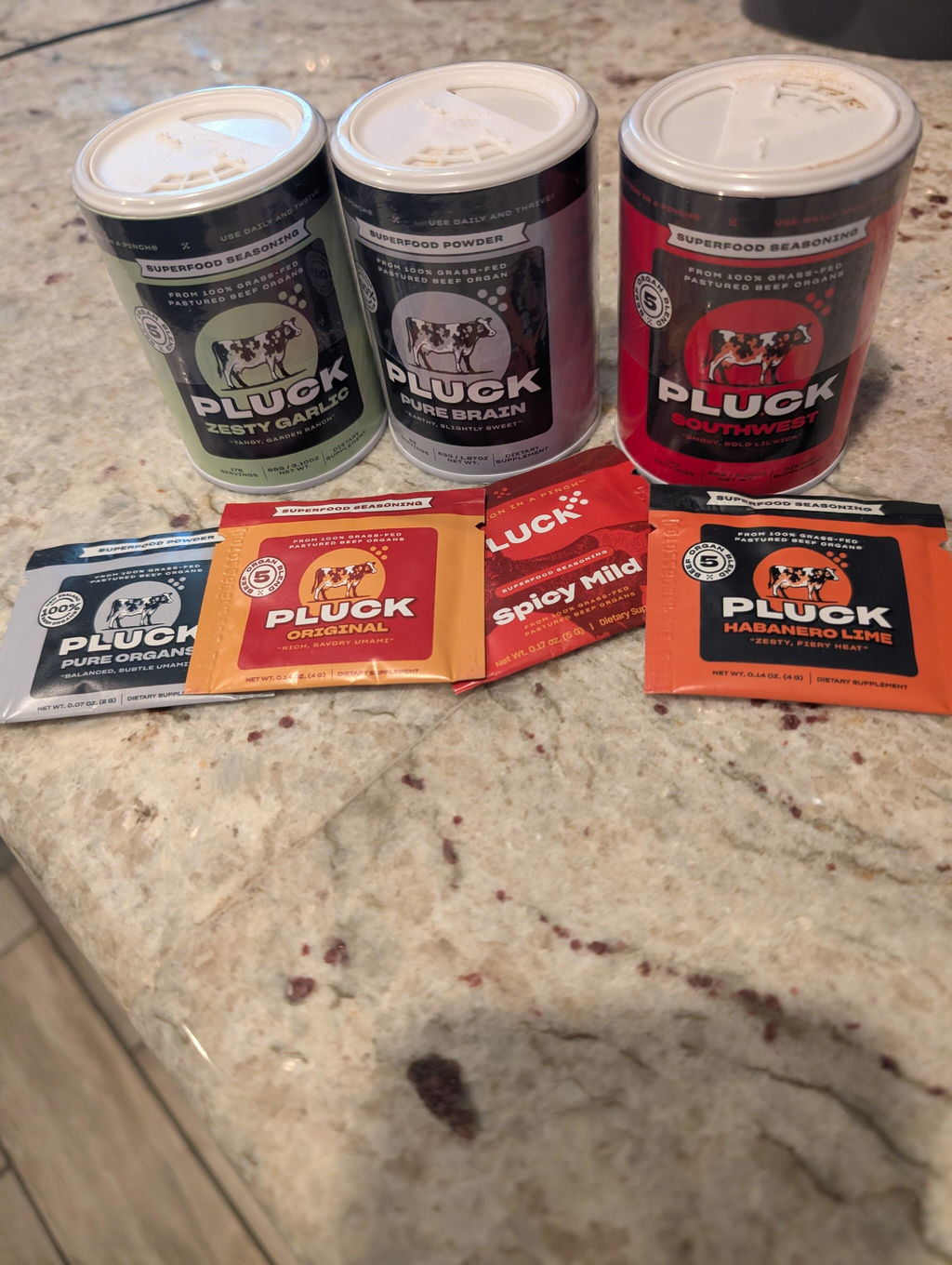
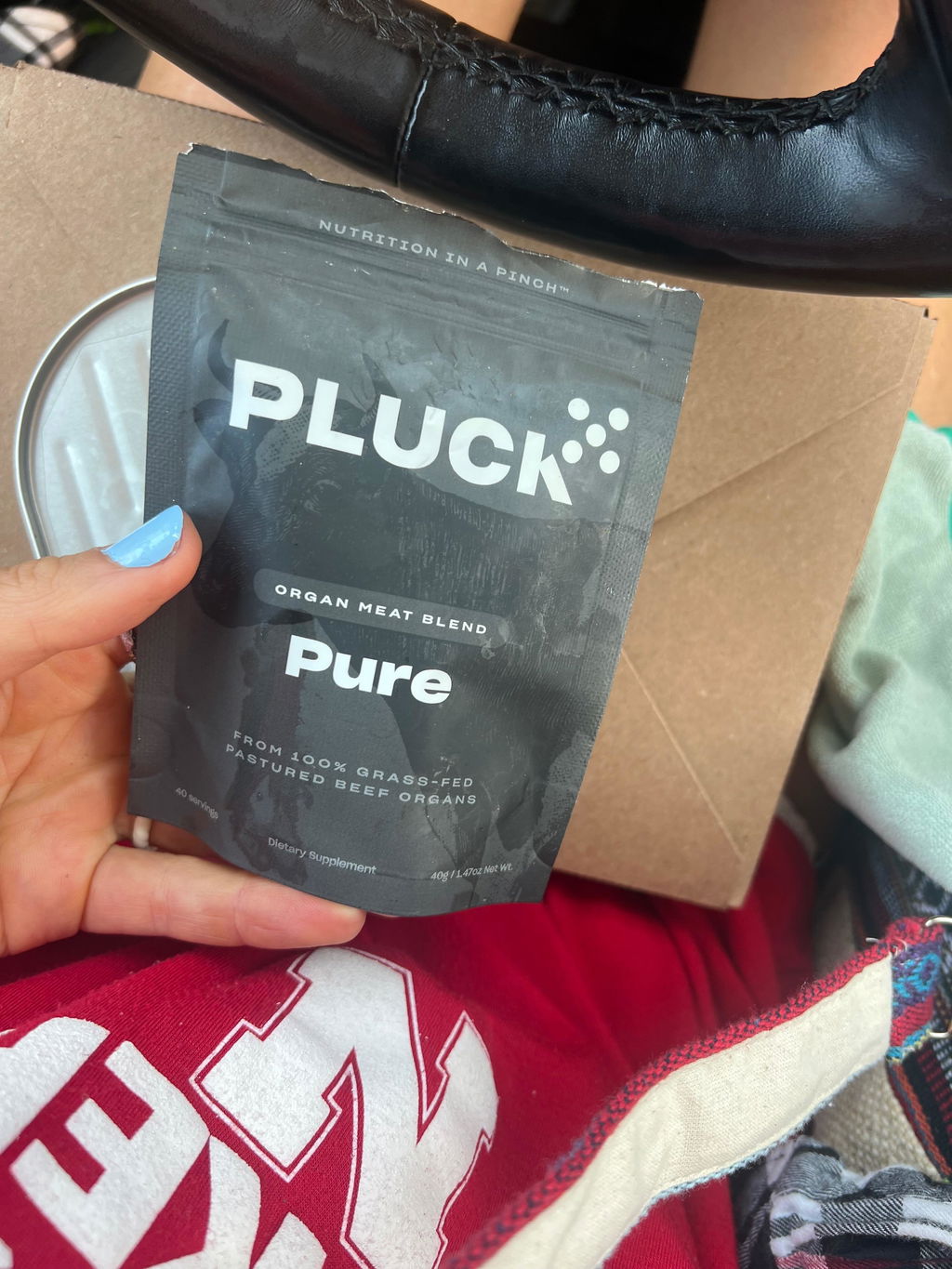
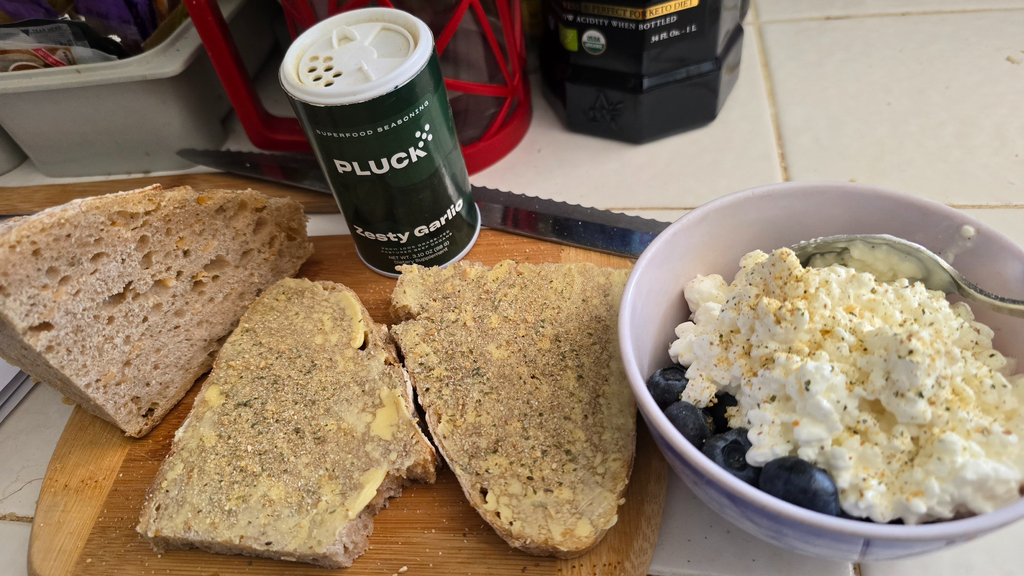
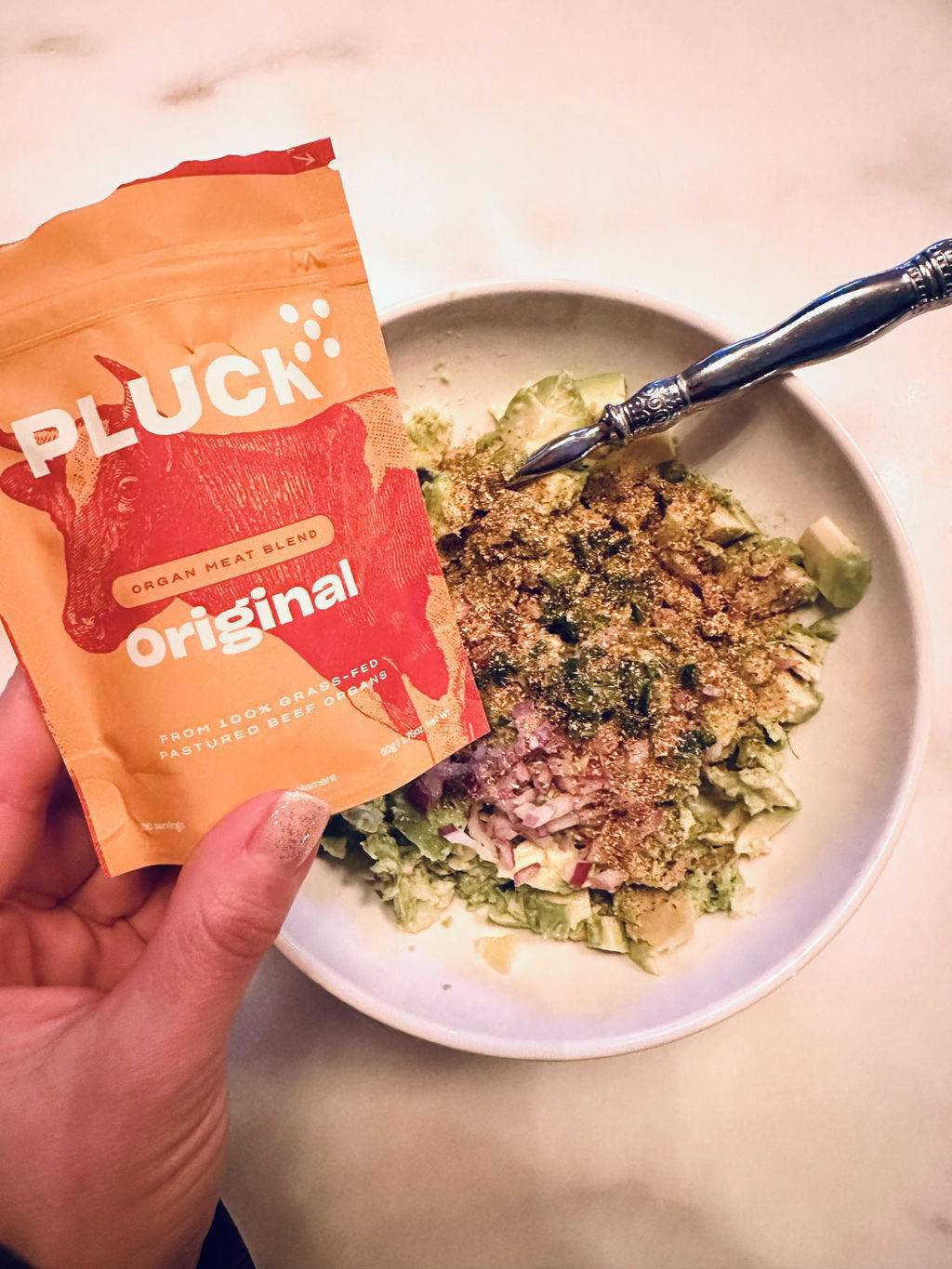
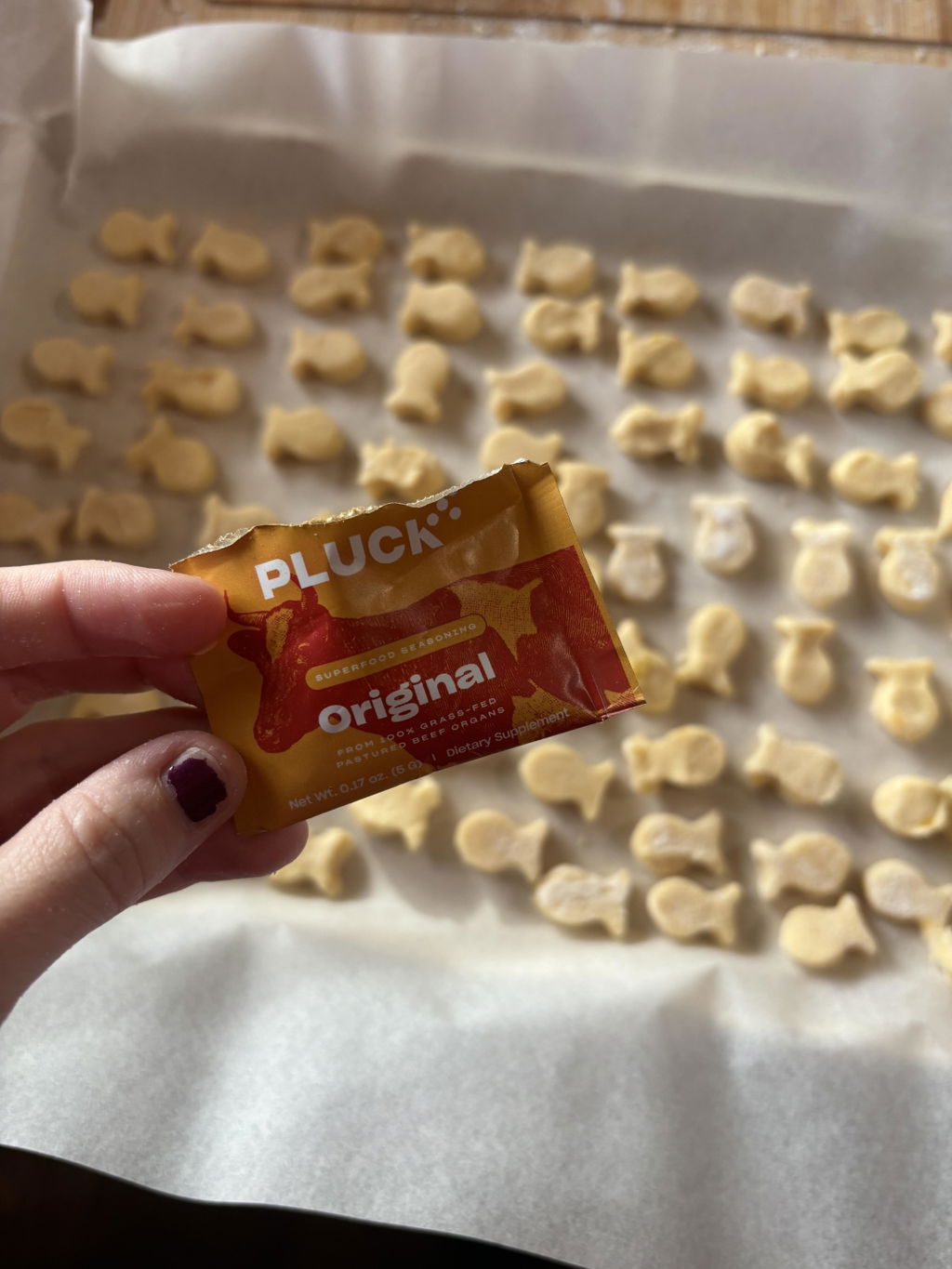
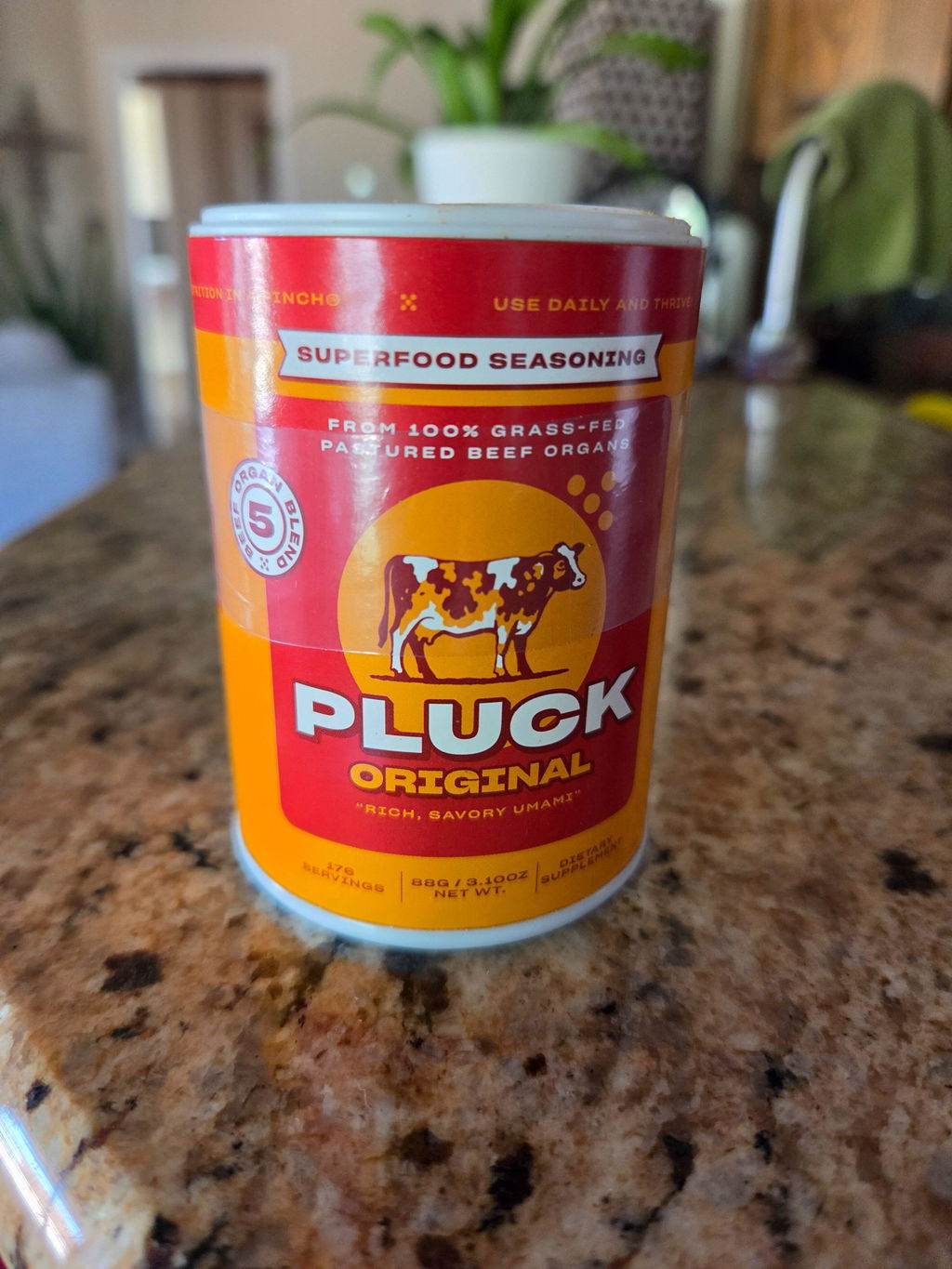
And for pet owners ready to bridge the gap, even small, consistent additions—like sprinkling Pluck Organ Meat Seasoning on meals—can begin reintroducing these vital nutrients in a way that’s convenient, effective, and aligned with nature.
Immune system modulation, immune resilience, and metabolic balance. When missing from a pet’s diet, deficiencies creep in, and health gradually declines. Most commercial pet food skips organ meats entirely, or includes them in such trace amounts that they offer no real benefit. Instead, brands rely on synthetic additives to "meet" nutrient minimums. But meeting nutrient minimums isn’t the same as meeting biological needs. Nutrients in isolation don’t behave the same as they do when embedded in a whole food matrix. That’s why real organs are irreplaceable.
Where Pluck Fits In: Supporting Pets Through Better Food
While Pluck Organ Meat Seasoning was created to help humans reintroduce organ meats into their diets, pets can also benefit from it. Many customers have found that adding a light sprinkle of Pluck to their dog’s or cat’s food—raw, gently cooked, or commercial kibble—can improve appetite, energy, digestion, and coat quality. For pet owners who aren’t ready to fully transition to a raw or homemade diet, Pluck provides an accessible way to reintroduce the missing piece of ancestral nutrition: real, whole-food organ meats.
Because Pluck is made from high-quality, freeze-dried organs and herbs, it delivers the nutrients your pet’s body recognizes—in a shelf-stable form that’s easy to use daily. While it isn’t a complete food replacement, it acts as a nutrient-rich supplement, bridging the gap between modern feeding practices and what cats and dogs are meant to eat. It honors the wisdom of nature, making it simple to return to a way of feeding that aligns with how animals have nourished themselves for millennia, without needing to prep raw liver or grind hearts yourself. One sprinkle is a return to instinct, and a step toward restoring the vitality many pets have lost in today’s processed food landscape.
Our dogs and cats aren’t just animals—they’re family. They rely on us to make the right choices on their behalf. But they also mirror our health. As human illness rises with processed, nutrient-deficient diets, our pets are collateral damage to modern food systems.
It doesn’t have to be this way.
We can return to what worked. We can simplify their diets and honor their biology. We can start with better ingredients, whole foods, and organs that nourish at the deepest level.
At Pluck, we believe in making that easier, not just for you, but for your whole household, paws included.
Because your pets were made to thrive, not to live on fillers and pharmaceuticals.
Citations:
-
Laflamme, Dottie P., et al. “High‑Carbohydrate Diets Increase Postprandial Glycemia in Healthy Cats Compared with Diets High in Fat or Protein.” Journal of Veterinary Internal Medicine, vol. 27, no. 6, 2013, pp. 1–8. vetmed.ucdavis.edu+15onlinelibrary.wiley.com+15vetfolio-vetstreet.s3.amazonaws.com+15
-
Cailin R. Heinze, Jennifer A. Larsen, Philip H. Kass, and Andrea J. Fascetti. “Plasma Amino Acid and Whole Blood Taurine Concentrations in Cats Eating Commercial Diets.” American Journal of Veterinary Research, Nov. 2009, vol. 70, pp. 1374–1382. vetmed.ucdavis.edu+1en.wikipedia.org+1
-
Greeley, David R., et al. “Obesity‑Related Metabolic Changes in Cats: A Model for Understanding Insulin Resistance and Diabetes.” Journal of Feline Medicine and Surgery, vol. 12, no. 4, 2024, pp. 225–234. pmc.ncbi.nlm.nih.gov+1vin.com+1
-
Van Soest, Peter J., et al. “Dietary Nutrient Profiles of Wild Wolves: Insights for Optimal Dog Nutrition.” Journal of Mammalian Ecology, vol. 47, no. 2, 2014, pp. 158–172. avmajournals.avma.org+15researchgate.net+15doctorkiltz.com+15
-
Sanderson, Sarah L., et al. “Activities of Gastric, Pancreatic, and Intestinal Brush-Border Enzymes in Dogs during Development.” American Journal of Veterinary Research, vol. 64, no. 5, 2003, pp. 627–633. pubmed.ncbi.nlm.nih.gov+1avmajournals.avma.org+1
-
Sandri, Michele, et al. “Industrial Diet Intervention Modulates the Interplay between Gut Microbiota and Host in Dogs.” Animal Microbiome, vol. 6, no. 1, 2024, Article 57. cambridge.org+15animalmicrobiome.biomedcentral.com+15sc
-
Laflamme, Dottie P., and Kelly S. Hannah. “Discrepancies Between Pet Food Labeling and Nutritional Content.” Journal of the American Veterinary Medical Association, vol. 236, no. 12, 2010, pp. 1381–1385. https://doi.org/10.2460/javma.236.12.1381
-
Sandri, Michele, et al. “Raw Meat Based Diet Influences the Fecal Microbiome and Fecal Metabolome in Healthy Dogs.” BMC Veterinary Research, vol. 13, no. 1, 2017, article 65. https://doi.org/10.1186/s12917-017-0981-z
-
Raubenheimer, David, and Stephen J. Simpson. “Obesity in Pet Dogs and Cats: Dietary and Evolutionary Aspects.” The Journal of Nutrition, vol. 136, no. 7, 2006, pp. 1927S–1931S. https://doi.org/10.1093/jn/136.7.1927S
-
Pottenger, Francis M., Jr. Pottenger’s Cats: A Study in Nutrition. Price-Pottenger Nutrition Foundation, 1983.
-
“Lessons of the Pottenger’s Cats Experiment—Cats Are Not Humans.” BeyondVeg, www.beyondveg.com/tu-j-l/raw-cooked/raw-cooked-1h.shtml. Accessed 12 June 2025.
-
“Taurine Deficiency: A Plausible Explanation for the Symptoms Observed by Pottenger.” BeyondVeg, www.beyondveg.com/tu-j-l/raw-cooked/raw-cooked-2e.shtml. Accessed 12 June 2025.
-
MacDonald, M. L., Q. R. Rogers, and J. G. Morris. “Nutrition of the Domestic Cat, a Mammalian Carnivore.” Annual Review of Nutrition, vol. 4, 1984, pp. 521–562. jn.nutrition.org+15pubmed.ncbi.nlm.nih.gov+15dvm360.com+15
-
Laflamme, Dottie P., et al. “Dietary Protein and Carbohydrate Levels Affect the Gut Microbiota and Physiology of Healthy Adult Cats.” American Journal of Clinical Nutrition, vol. 114, no. 1, 2021, pp. 275–287. frontiersin.org+3pubmed.ncbi.nlm.nih.gov+3pmc.ncbi.nlm.nih.gov+3
-
Sturman, J. A., et al. “Taurine in Health and Disease.” Life Sciences, vol. 60, no. 1, 1997, pp. 1001–1010. dvm360.com+3en.wikipedia.org+3en.wikipedia.org+3
-
Sanderson, Sarah L., et al. “Activities of Gastric, Pancreatic, and Intestinal Brush‑Border Enzymes in Dogs during Development.” American Journal of Veterinary Research, vol. 64, no. 5, 2003, pp. 627–633. boneitup.com+15pmc.ncbi.nlm.nih.gov+15researchgate.net+15
-
Hill, J. A., and M. Björgman. “The effect of high‑carbohydrate vs low‑carbohydrate diets on glucose metabolism in dogs.” Journal of Animal Physiology and Animal Nutrition, vol. 102, no. 4, 2020, pp. 723–730.
-
Merck Veterinary Manual. “Nutritional Requirements of Small Animals.” Merck Veterinary Manual, 2024, www.merckvetmanual.com/management-and-nutrition/nutrition-small-animals/nutritional-requirements-of-small-animals. Accessed 12 June 2025.
-
Liver (vitamin A, B12, folate, iron, copper):
National Research Council. Nutrient Requirements of Dogs and Cats. National Academies Press, 2006. insight.jci.org+15nap.nationalacademies.org+15aplaceforpaws.com+15pubmed.ncbi.nlm.nih.gov+8aplaceforpaws.com+8perfectlyrawsome.com+8 -
Heart (taurine, CoQ₁₀, B-complex vitamins):
Mueller, E. Alan, et al. "Review of Canine Dilated Cardiomyopathy in the Wake of Diet-Associated Cases." Open Veterinary Journal, vol. 10, no. 1, 2020, pp. 1–10. pmc.ncbi.nlm.nih.gov+15pmc.ncbi.nlm.nih.gov+15aplaceforpaws.com+15 -
Kidney (selenium, vitamin D, zinc):
Kidd, Lisa R., et al. "Effects of Dietary Selenium and Vitamin D on Canine Kidney Function." BMC Veterinary Research, vol. 12, 2016, article 245. doctorkiltz.com+15fourleafrover.com+15aplaceforpaws.com+15 -
Spleen (bioavailable heme iron):
Doctor Kiltz. “Beef Spleen: Nutrition, Benefits, and Supplements.” DoctorKiltz.com, 2024. researchgate.net+7doctorkiltz.com+7cellsquared.com.au+7





Leave a comment
All comments are moderated before being published.
This site is protected by hCaptcha and the hCaptcha Privacy Policy and Terms of Service apply.