


 Large Bag
 Travel Pack

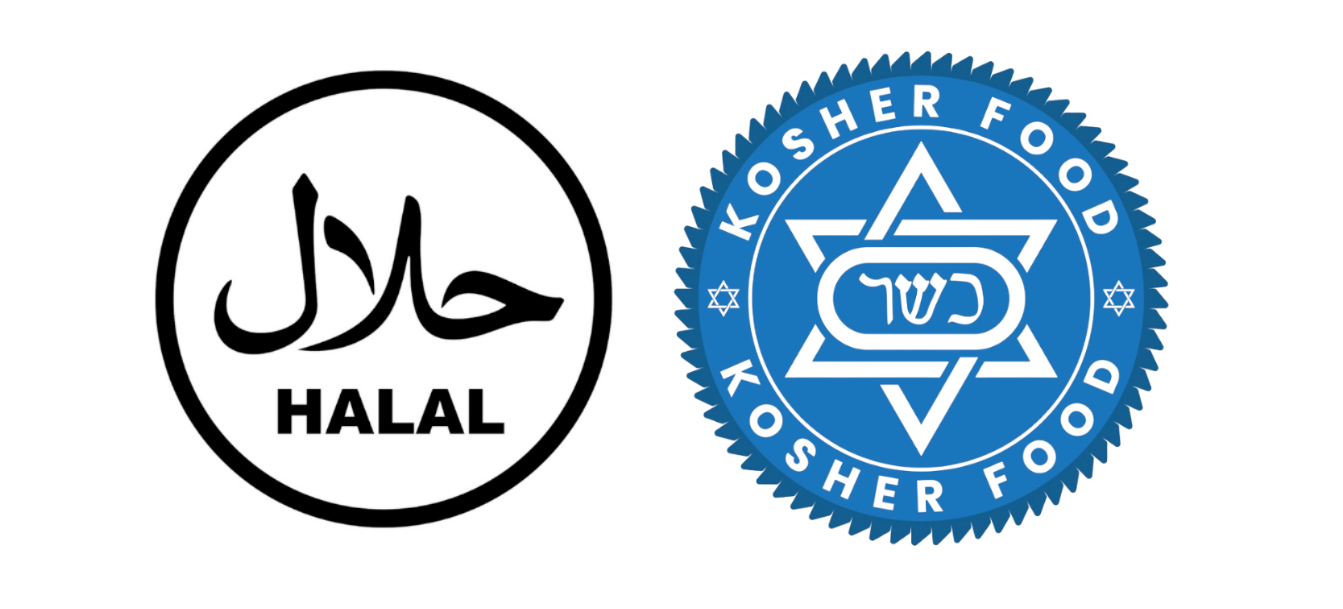
Many people consider certifications like halal or kosher when selecting food products. These standards are rooted in Islamic and Jewish traditions and outline clear guidelines for how animals are raised, slaughtered, and processed. Debate continues over whether these standards focus more on health and quality or remain solely tied to religious practices. This article explores the details of halal and kosher standards, their broader significance, and their impact on meat quality. Finally, we’ll discuss why Pluck, a nutrient-rich organ meat seasoning, is not yet certified halal despite sourcing from halal-compliant facilities.
What Are Halal Standards?1-4
Halal, an Arabic term meaning "permissible," applies to foods that meet Islamic dietary laws as described in the Quran and Hadith. Standards for halal meat go beyond the act of slaughter, covering how animals are raised, cared for, and processed. Guidelines are designed to ensure food aligns with Islamic principles.
Key Components of Halal Meat Standards
-
Animal Welfare: Halal standards emphasize the humane treatment of animals throughout their lives. Before slaughter, animals must be healthy, well-cared for, and free from unnecessary suffering.
-
Slaughter Process: The slaughter must be performed by a practicing Muslim, who invokes the name of Allah during the act by saying, "Bismillah Allahu Akbar" ("In the name of God, God is the greatest"). A sharp knife must be used to make a swift, deep cut to the throat, severing the jugular vein, carotid artery, and windpipe to minimize pain and ensure a quick death.
-
Drainage of Blood: The blood must be fully drained from the carcass because consuming blood is prohibited in Islam. This step is believed to contribute to cleaner meat.
-
Prohibition of Haram Substances: Meat must not come into contact with substances deemed haram (forbidden), such as alcohol or pork, at any processing stage.
Halal certification ensures compliance with these standards, assuring Muslim consumers that the meat meets religious requirements.
What Are Kosher Standards?5-10
Kosher, rooted in Jewish dietary laws (kashrut), governs not only meat but also how food is prepared and consumed. The Torah and rabbinical interpretations dictate what foods are kosher and how they should be handled. Like halal standards, kosher standards involve detailed animal selection, slaughter, and processing protocols.
Key Components of Kosher Meat Standards
-
Animal Selection: Only specific animals are considered kosher, such as cattle, sheep, and goats (ruminants with split hooves). Birds must not be predators or scavengers, so chickens, turkeys, and ducks are acceptable, while eagles and vultures are not.
-
Slaughter Process (Shechita): A trained Jewish slaughterer, or shochet, performs the slaughter according to strict guidelines. The animal’s throat is cut in one smooth motion with a sharp, flawless knife, ensuring a quick and humane death.
-
Inspection: Kosher meat undergoes inspection to ensure the animal is healthy at the time of slaughter. Any signs of disease or abnormalities, such as organ lesions, render the meat non-kosher (terefah).
-
Separation of Meat and Dairy: Kosher laws prohibit mixing meat and dairy products. Facilities processing kosher meat must strictly separate these food types.
-
Salt Removal of Blood: Besides draining blood during slaughter, kosher meat is soaked and salted to remove any remaining blood. Kosher certification confirms adherence to these rules, assuring Jewish consumers of the food’s compliance with kashrut.
Do Halal and Kosher Standards Ensure Meat Quality?
Halal and kosher standards emphasize cleanliness, ethical practices, and humane treatment of animals, which can indirectly improve meat quality. Humane slaughter helps reduce animal stress, which can make a big difference in the tenderness and flavor of the meat. Requiring blood drainage and checking for disease add extra layers of safety, helping to lower the risk of contamination or infection.
That said, these certifications don’t guarantee the meat is organic, grass-fed, or free from hormones and antibiotics. Those qualities depend on how the animals are raised, something not always covered by religious guidelines. Additionally, both standards focus on the slaughter process rather than the nutritional profile of the meat itself. Halal and kosher standards prioritize cleanliness, ethical practices, and humane treatment of animals, which can contribute to improved meat quality in several ways. The humane slaughter process, for example, ensures that animals are treated with respect and care, minimizing their stress levels during slaughter.
This stress reduction can significantly impact the meat's tenderness and flavor, as animals that experience less anxiety before death often produce meat that is more tender. Stress hormones like cortisol can affect the quality of meat, causing it to be tougher and less flavorful.
By requiring that animals be healthy at the time of slaughter, as seen in kosher and halal inspection protocols, the standards also reduce the risk of contamination or infection, which can contribute to safer, higher-quality meat. Moreover, practices like draining blood from the carcass during slaughter help remove residual toxins and bacteria, contributing to a cleaner, healthier product.5
However, it is important to note that halal and kosher certifications do not inherently guarantee that the meat is organic, grass-fed, or free from hormones and antibiotics. While these certifications ensure that the animals' slaughter and handling comply with religious guidelines, they do not cover the animals' overall diet or living conditions.
For example, animals may be fed conventional feed or treated with antibiotics outside the scope of kosher or halal regulations. As a result, the nutritional profile of the meat may still be influenced by the farming practices used. Religious slaughter standards are more concerned with the method of slaughter itself rather than the broader agricultural practices, meaning that consumers seeking meat with specific qualities, such as being hormone-free or pasture-raised, must seek additional certifications, such as organic or grass-fed labels.11,12
Why Is Pluck Not Certified Halal?
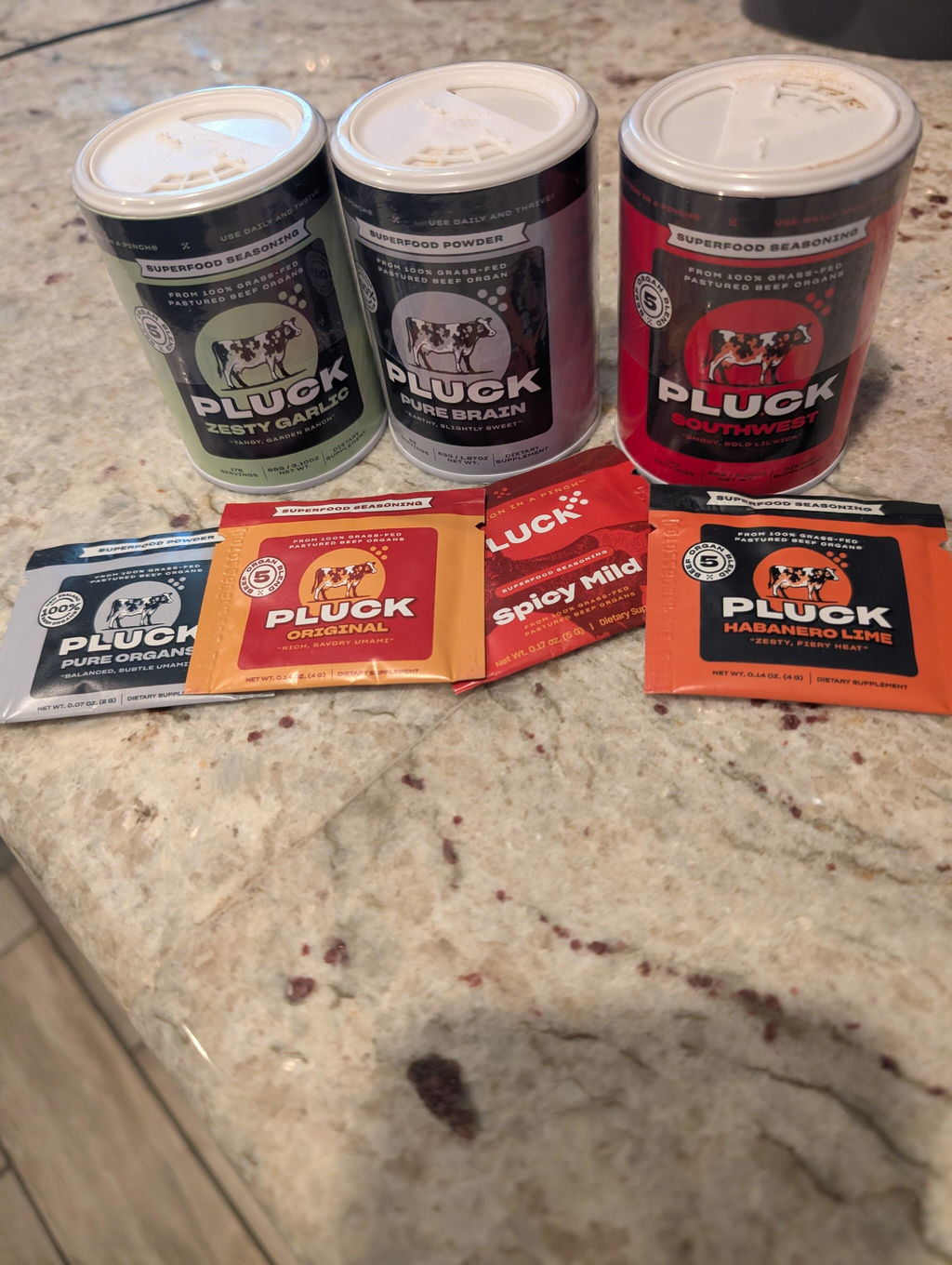
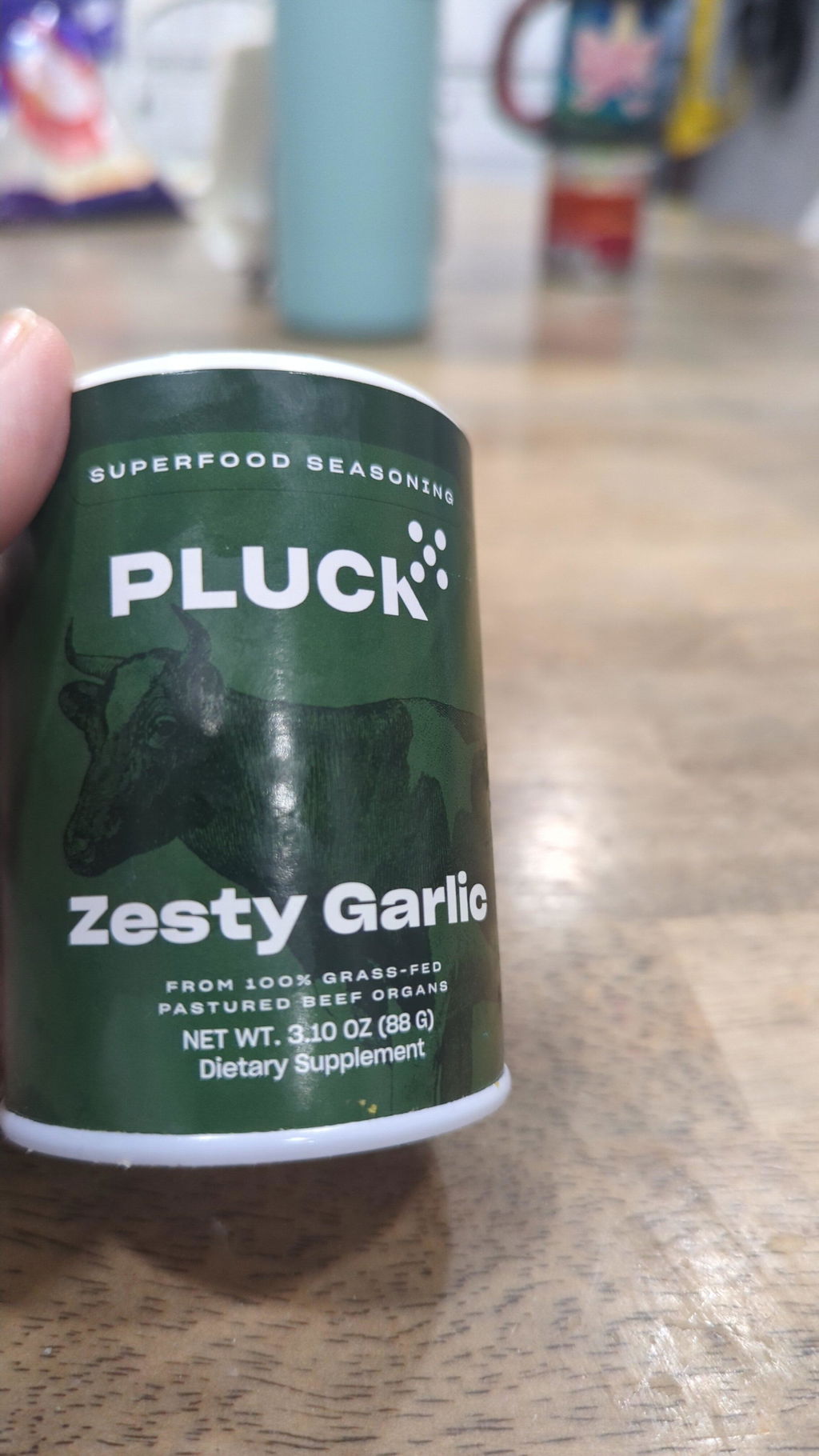
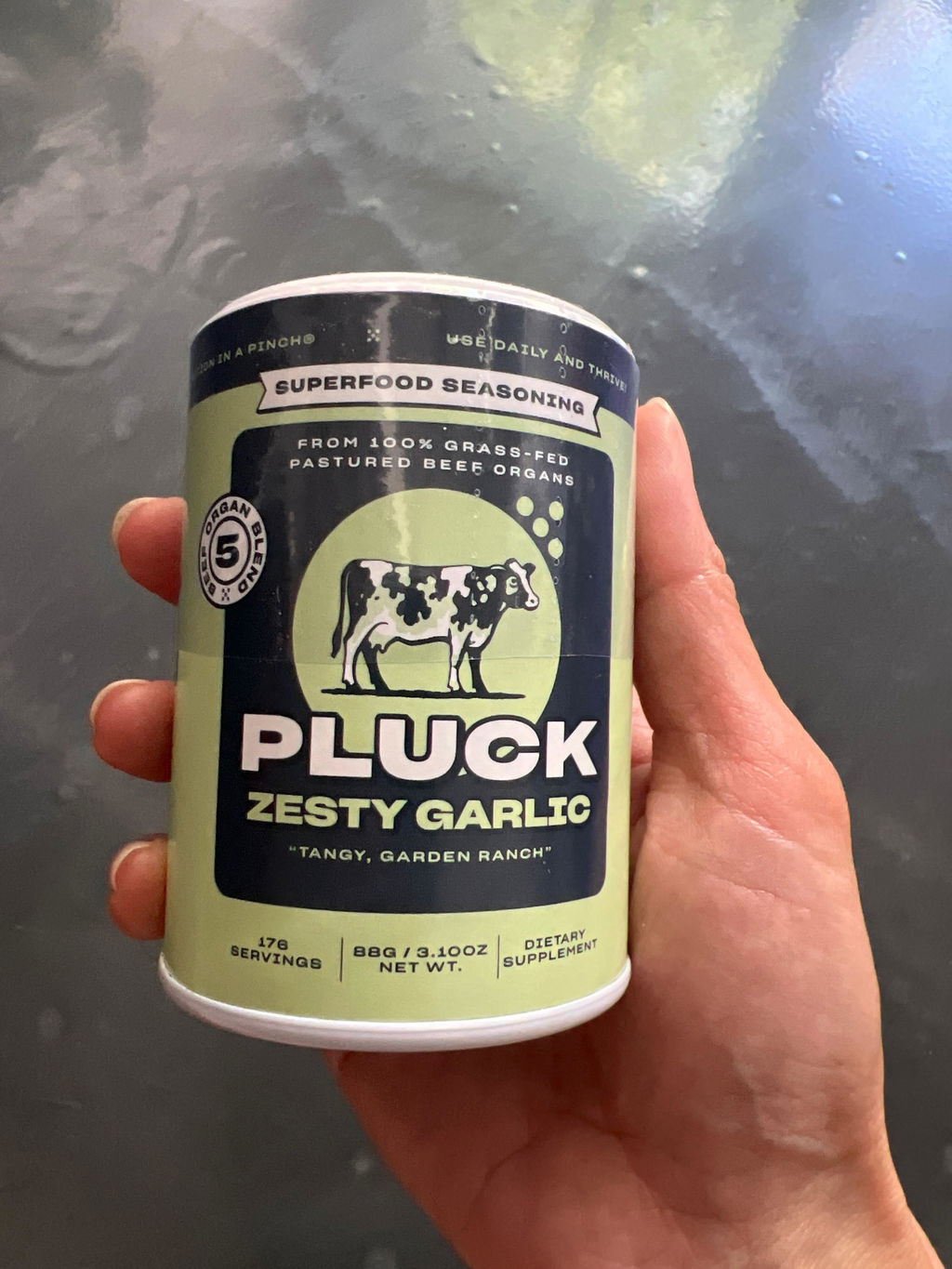
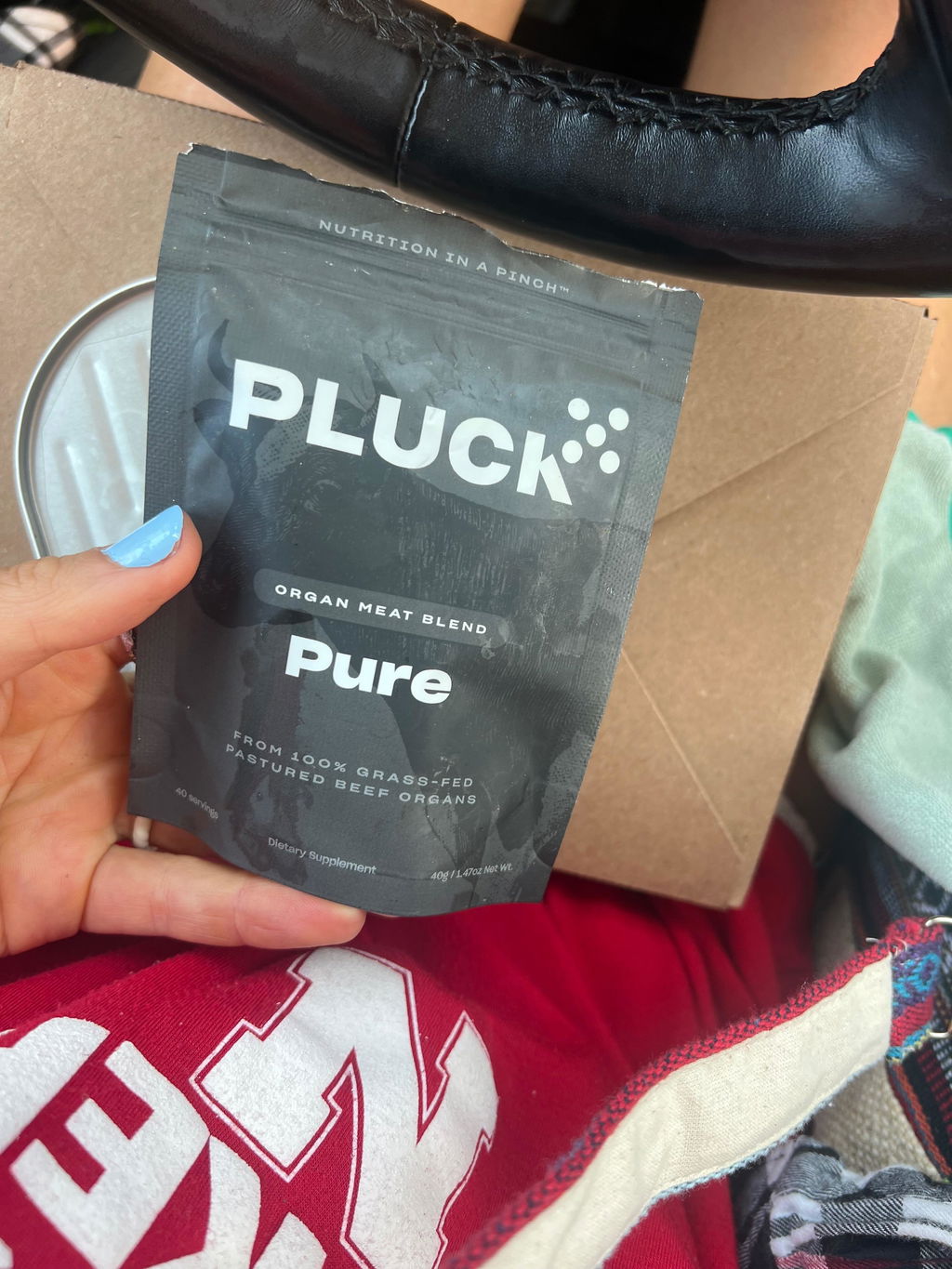
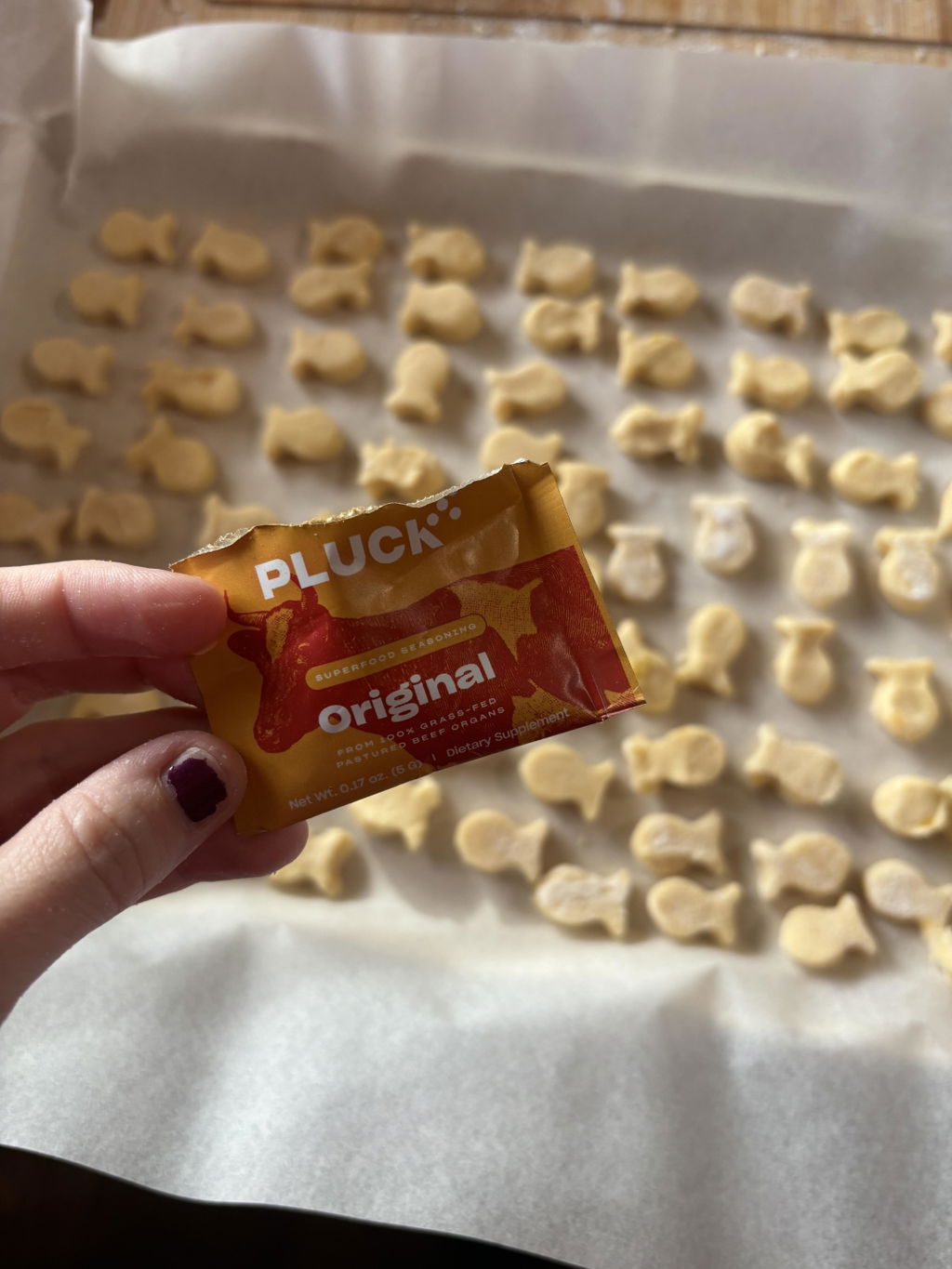
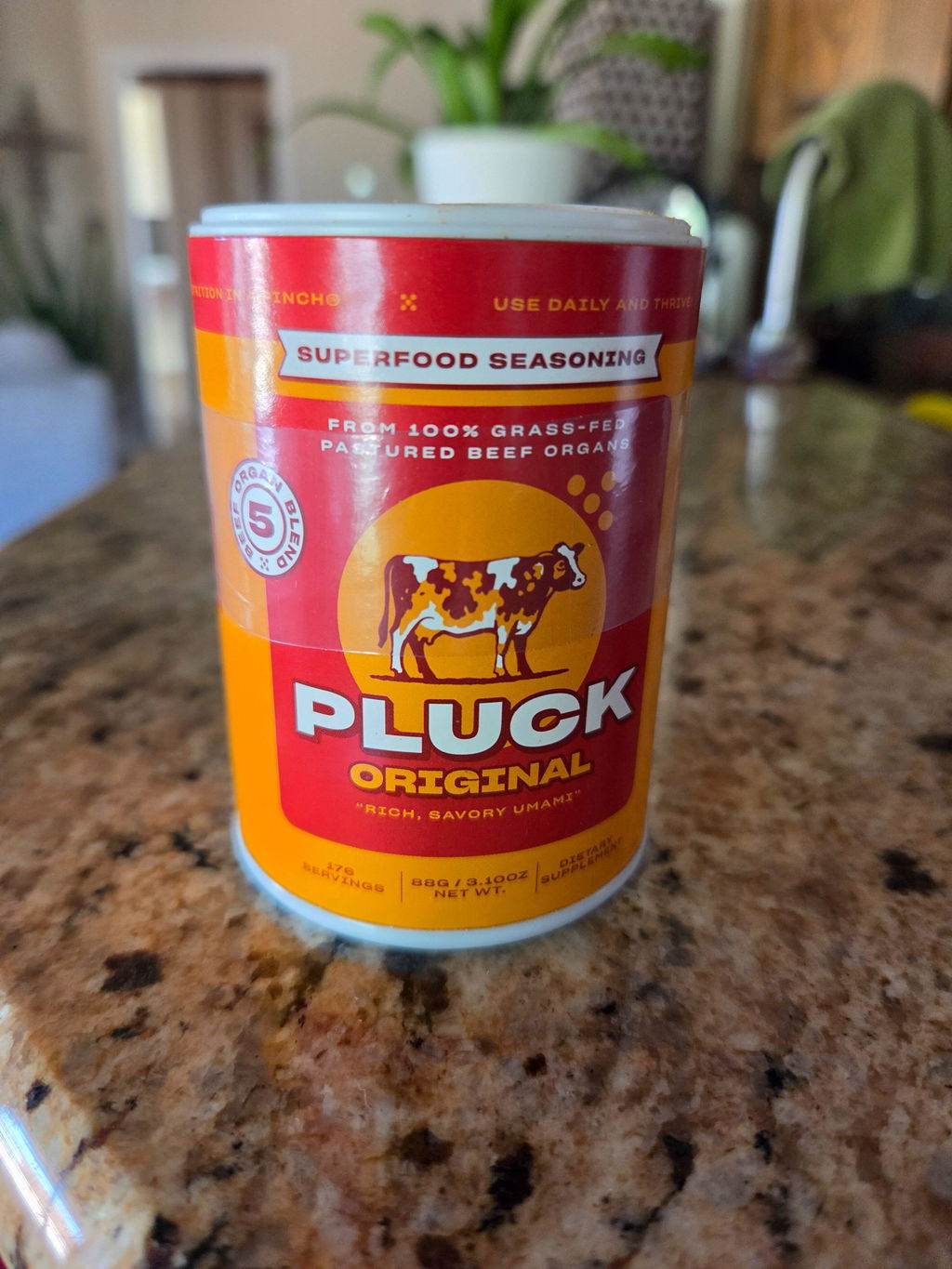
Pluck is a nutrient-dense seasoning made from freeze-dried organ meats sourced from New Zealand, where the slaughterhouses adhere to halal standards, thus ensuring the animals are raised and slaughtered by Islamic dietary laws. Furthermore, our co-packer is also halal certified, maintaining compliance throughout the supply chain. However, the freeze-drying facility used in production is not yet halal-certified. Halal certification requires every step of the supply chain to meet its standards, so until this facility becomes certified, Pluck cannot carry the halal certification. Efforts are underway to address this area, with the goal of achieving full halal certification in the future.
Conclusion
Halal and kosher standards are rooted in religious traditions while also focusing on cleanliness, ethical practices, and humane treatment of animals. Although not a promise of organic or grass-fed meat, these certifications offer reassurance about how the meat is handled and prepared.
For Muslim and Jewish consumers, following dietary laws often depends on these certifications. Pluck is not yet certified halal but aligns with similar principles by sourcing ingredients from halal-compliant facilities. Work is ongoing to achieve halal certification for the freeze-drying process. Until then, Pluck remains a nutrient-dense seasoning crafted with care, appealing to a broad range of health-conscious individuals.
Citations:
-
WEHALAL. "Halal Meat Standards." WEHALAL, www.wehalal.com.
-
Halal Foundation. "The Halal Slaughter Process." HALAL FOUNDATION, www.halalfoundation.org.
-
Islam Question & Answer. "Drainage of Blood in Halal Meat." ISLAM QUESTION & ANSWER, islamqa.info.
-
Halal Times. "Prohibition of Haram Substances in Halal Meat." HALAL TIMES, www.halaltimes.com.
-
Kosher Alliance. "Kosher Standard." Kosher Alliance, 2019, www.kosheralliance.org/documentations/KOSHER_STD_001_kosher_standard.pdf.
Kosher Alliance -
Kosher Alliance. "The Slaughter and Butchering of Kosher Meat." Kosher Alliance, 2019, www.kosheralliance.org/news/certification/how-to-become-kosher-certified/kosher/kosher-guideline/kosher/the-slaughter-and-butchering-of-kosher-meat/.
Kosher Alliance -
Kosher.com. "Kosher Meat, Poultry, and Fish." Kosher.com, 2021, www.kosher.com/jewish-learning/kosher-meat-poultry-and-fish/.
Kosher -
Chabad.org. "Separating Meat, Dairy and Pareve." Chabad.org, 2021, www.chabad.org/library/article_cdo/aid/82658/jewish/Separating-Meat-Dairy-and-Pareve.htm.
Chabad -
Kansas State University. "Kosher Meat." Kansas State University, 2002, www.asi.k-state.edu/doc/meat-science/kosher-meat.pdf.
K-State Research Service -
Kosher.com. "Kosher Meat: How to Identify, Select, and Prepare It." Kosher.com, 2021, www.baghetto.com/en/about-kosher-world/kosher-meat-how-to-identify-select-and-prepare-it/.
Baghetto -
Kosher.com. "Kosher Meat, Poultry, and Fish." Kosher.com, 2021, www.kosher.com/jewish-learning/kosher-meat-poultry-and-fish/.
-
Islam Question & Answer. "Drainage of Blood in Halal Meat." ISLAM QUESTION & ANSWER, islamqa.info.





1 comment
Felicitas C Manzo
1/12 Just read your Halal/Kosher info,so folks who uses these type of meat cant use Pluck.I think if Halal/Kosher/Pluck are all combined then it will be the most healthiest meat and condiments (Pluck)How sure are you that all the organ (heart,kidney,pancreas and liver are free from diseases?I think their food and surroundings has a lot to do how their meat are healthy and then its healthy for human consumptions and if you add how Halal/Kosher prepare their meat that would be the best.Do you just have organs from cow?how about organs from chicken,pork,or any animal organs and why cows only???Thanks.Are your 4 flavors Pure,Original,Garlic and Spicy blend has all the 7 mixes ingredients mentioned in your info.And what are the health benefits again ?
Leave a comment
All comments are moderated before being published.
This site is protected by hCaptcha and the hCaptcha Privacy Policy and Terms of Service apply.