


 Large Bag
 Travel Pack

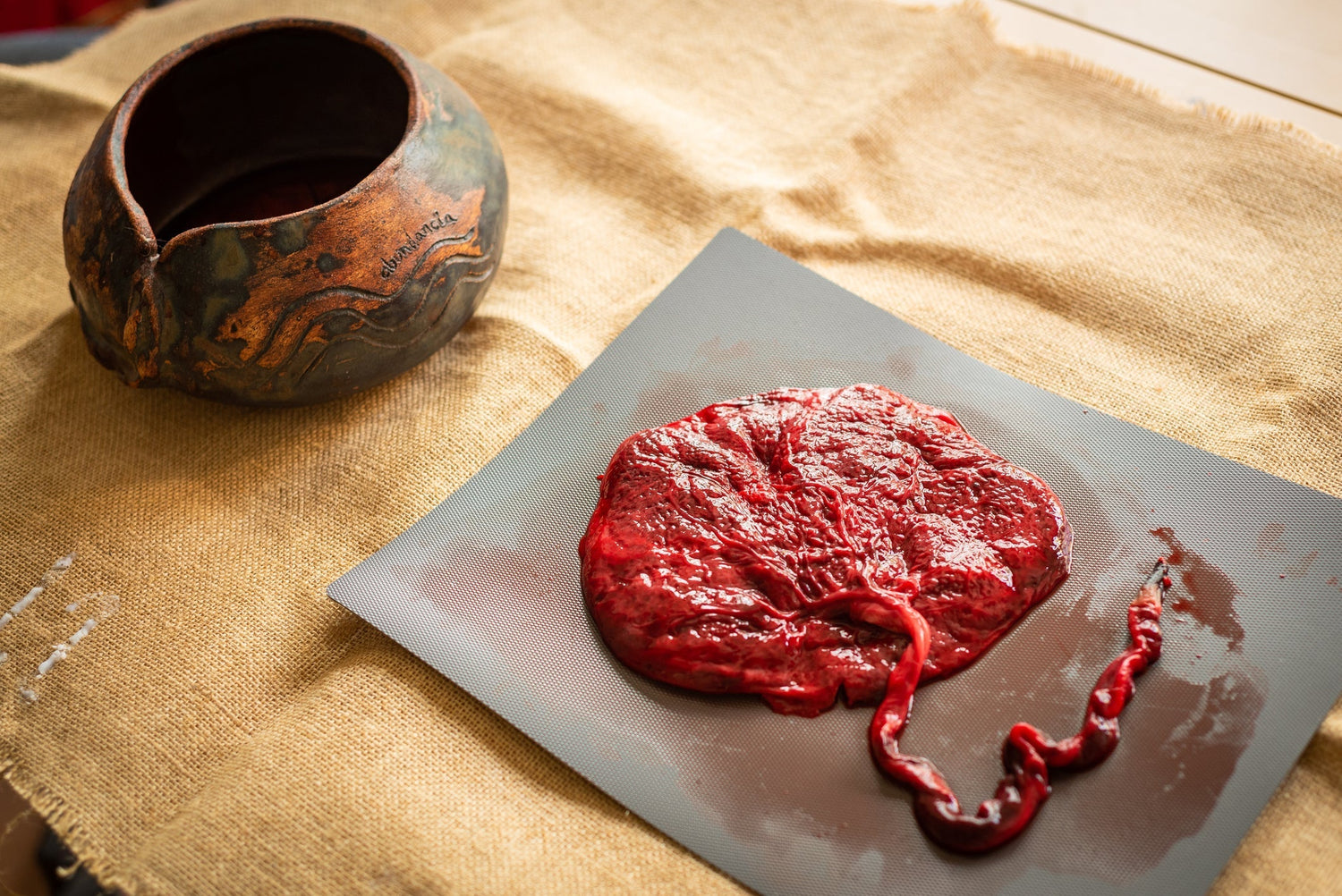
The placenta is one of the most incredible and vital organs in the human body. It is the lifeline between mother and baby, delivering oxygen, nutrients, and immune support while filtering out toxins and waste. The placenta's health directly impacts fetal development, birth outcomes, and even long-term health for both mother and child. While prenatal nutrition is often centered around synthetic supplements and plant-based foods, the most nutrient-dense foods for supporting the placenta have been valued by traditional cultures for centuries—organ meats.
Organ meats like liver, heart, kidney, and spleen are rich in the nutrients needed to build a strong, resilient placenta that can nourish a growing baby optimally. These foods contain the highest concentrations of bioavailable vitamins, minerals, and essential compounds directly supporting placental health. They provide the body's raw materials to form new tissues, regulate blood flow, and protect against complications like preeclampsia and intrauterine growth restriction (IUGR).
With modern diets often lacking these key nutrients, it’s no wonder so many women struggle with fatigue, poor circulation, anemia, and other pregnancy-related concerns. By incorporating organ meats into the diet, either through whole food consumption or nutrient-packed seasonings like Pluck, expectant mothers can fortify their bodies with everything they need to grow a healthy placenta and support their baby’s development in the best way possible.
Why the Placenta Matters
The placenta is often overlooked in prenatal health discussions, but it plays a role in nearly every function of pregnancy. It develops early in gestation and attaches to the uterine wall, creating a highly specialized organ that ensures the baby gets everything it needs to thrive.
A strong and healthy placenta is essential for:
-
Delivering Nutrients and Oxygen: The placenta is like a lifeline for the baby, pulling essential vitamins, minerals, healthy fats, and proteins from the mother’s bloodstream to help the baby grow strong.
-
Filtering Toxins: It also works as a natural filter, blocking harmful substances while ensuring the baby gets all the good stuff needed for healthy development.
-
Supporting Immune Function: The placenta passes important immune-boosting factors from mom to baby, helping to build the baby’s first line of defense against illness.
-
Hormone Regulation: Regulates pregnancy hormones, producing progesterone and estrogen to support a healthy pregnancy, prepare the body for birth, and prepare for breastfeeding.
If the placenta is weak, underdeveloped, or poorly nourished, it can lead to complications such as low birth weight, restricted fetal growth, preterm labor, or even miscarriage. That’s why supporting the placenta with the most nutrient-dense foods is critical.[1][2][3]
How Organ Meats Support Placental Health
Traditional cultures revered organ meats as sacred fertility foods, recognizing their unique ability to nourish both mother and baby. Unlike muscle meats, which are high in protein but lower in essential micronutrients, organ meats contain the exact compounds needed to build strong placental tissue and sustain a healthy pregnancy.
1. Rich in Iron for Optimal Blood Supply
Iron is one of the most critical nutrients for pregnancy, as it supports increased blood volume and ensures oxygen is efficiently delivered to the baby. The placenta is highly vascularized, requiring a robust blood supply to function properly.
Organ meats, particularly liver, provide heme iron, the most absorbable form of iron that the body can use immediately. In contrast, plant-based iron sources, like spinach or lentils, contain non-heme iron, which is much harder for the body to absorb. Pregnant women are often advised to take synthetic iron supplements, but these can cause constipation and other digestive issues. Consuming natural sources of iron, like liver, helps prevent anemia and ensures the placenta remains strong and capable of delivering oxygen to the baby.[4][5]
2. Packed with Vitamin A for Placental Growth and Immune Support
Vitamin A is essential for proper fetal development, immune function, and placental growth. It helps regulate cell differentiation, ensuring the placenta forms properly and sustaining the baby’s rapid growth.[6]
Liver is nature’s richest source of preformed vitamin A (retinol), which is far more bioavailable than the beta-carotene found in plant foods. Retinol supports the development of the baby’s lungs, heart, and central nervous system while also strengthening the placenta’s ability to transport nutrients efficiently. Unlike synthetic vitamin A supplements, which can be problematic in high doses, whole food sources like liver allow the body to regulate and use what it needs naturally.[7]
3. Loaded with B Vitamins for Energy and Cellular Function
The placenta is an energy-intensive organ that requires a constant supply of B vitamins to function optimally. These vitamins support cellular energy production, red blood cell formation, and DNA synthesis—all critical for fetal growth and maternal health.
Liver, heart, and kidney are some of the best sources of:
-
B12: Supports nerve function, red blood cell production, and energy levels.
-
Folate (B9): Crucial for fetal brain and spinal cord development and prevents neural tube defects.
-
B6: Helps regulate blood sugar and supports immune function.
Women who consume adequate amounts of B vitamins from organ meats are less likely to experience extreme fatigue, nausea, and mood imbalances during pregnancy.[8][9][10]
4. Essential Minerals for a Resilient Placenta
The placenta acts as a mineral transporter, pulling essential nutrients from the mother’s body to supply the baby. If a mother is deficient in key minerals, her placenta may struggle to function efficiently, leading to complications.
Organ meats are rich in zinc, selenium, and copper, which play vital roles in:
-
Immune function: Protects against infections and inflammation.
-
Enzyme function: Supports digestion and metabolic processes.
-
Collagen production: Helps maintain strong placental tissue integrity.
These minerals also help protect against preeclampsia, a dangerous pregnancy complication linked to oxidative stress and poor placental function.[11][12][13]
How to Incorporate Organ Meats for a Healthy Placenta
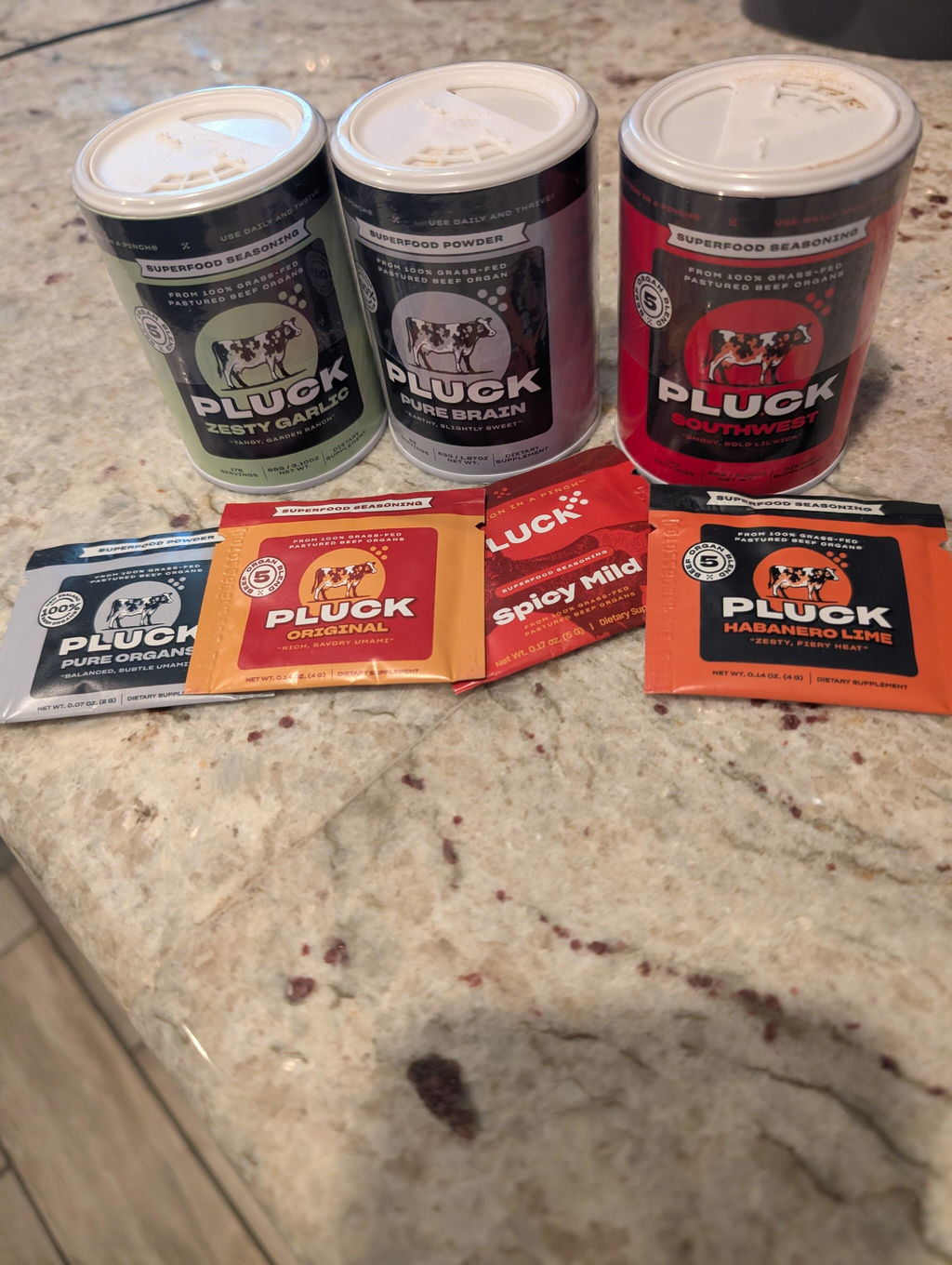
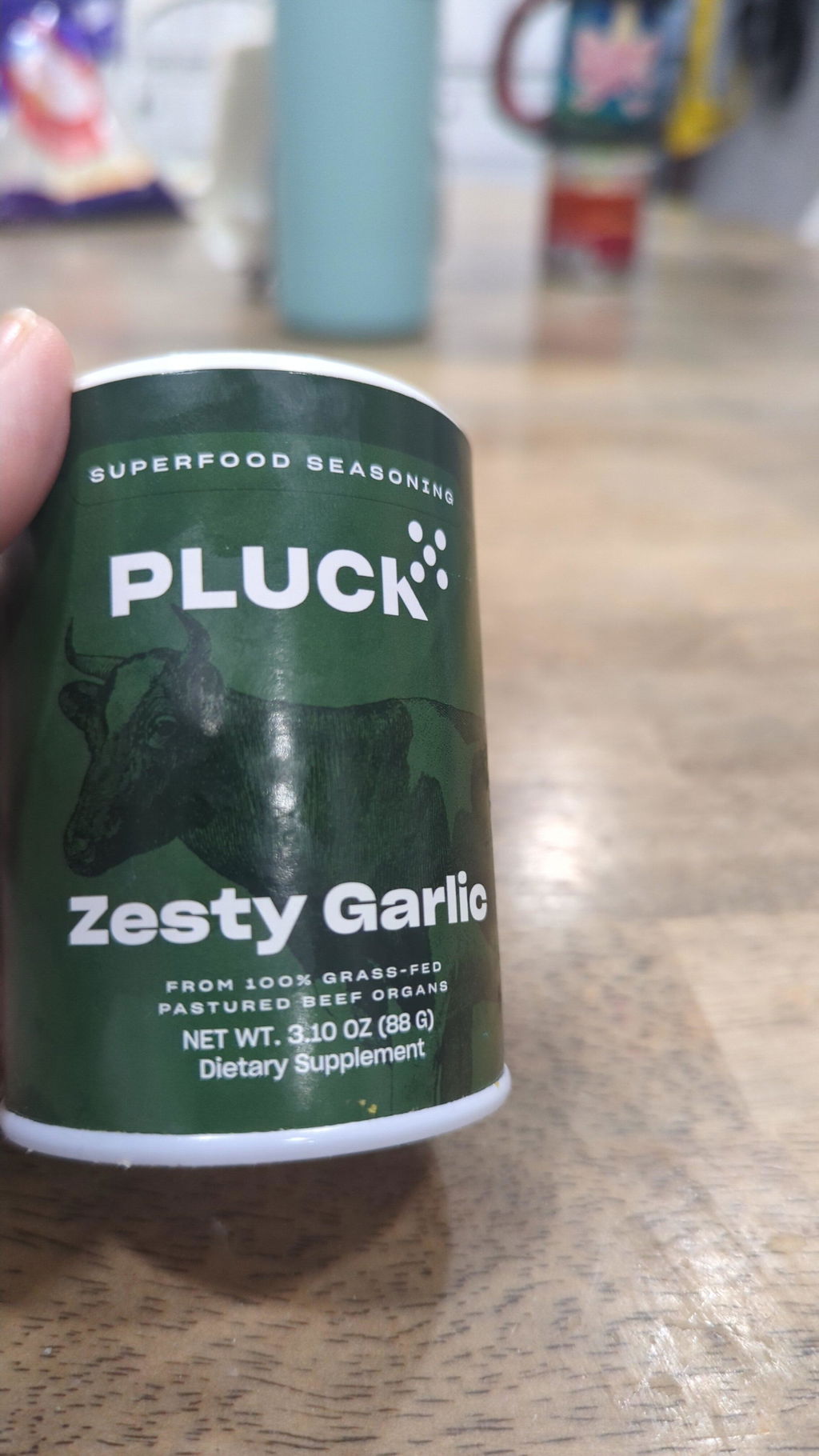
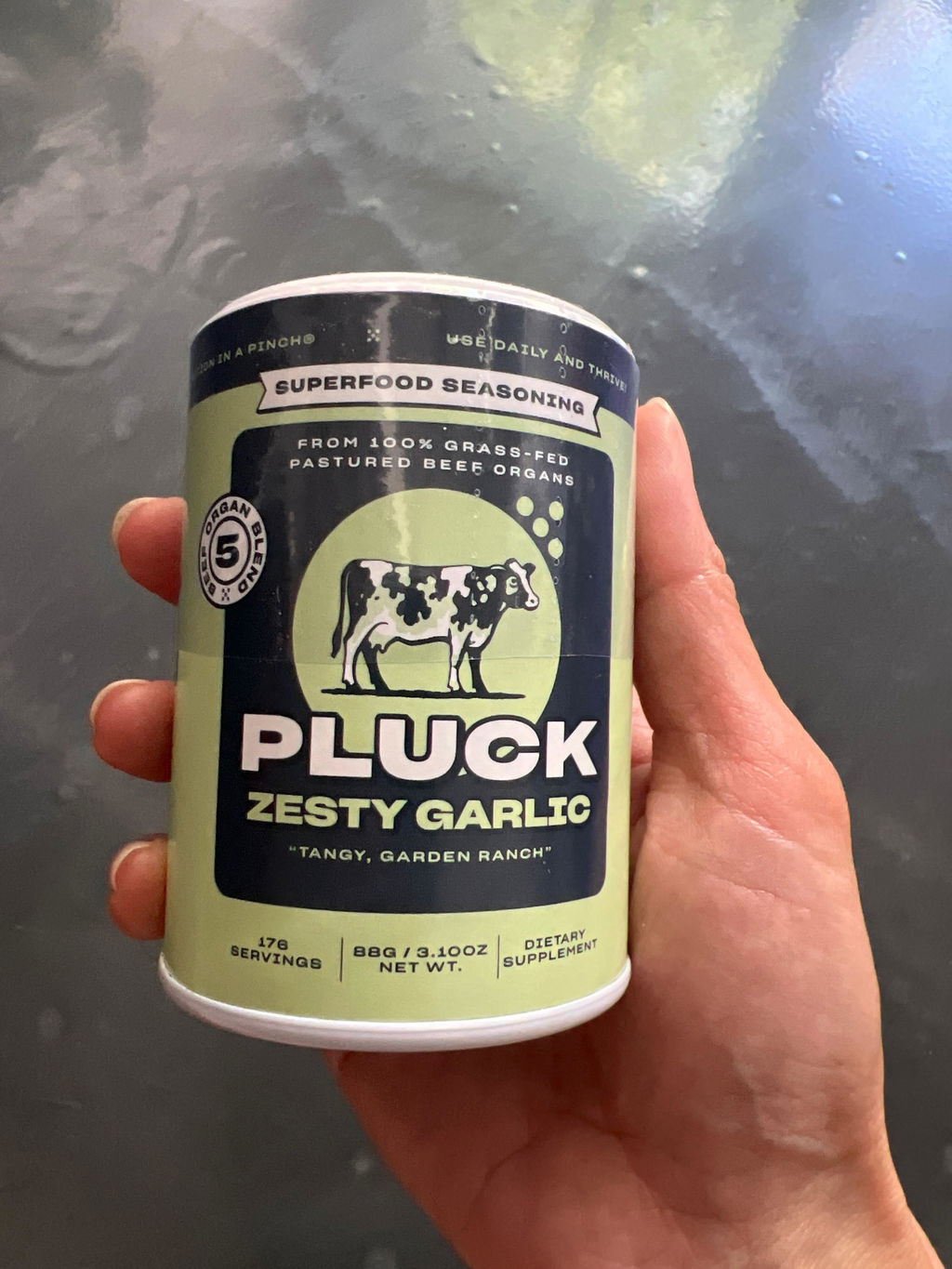
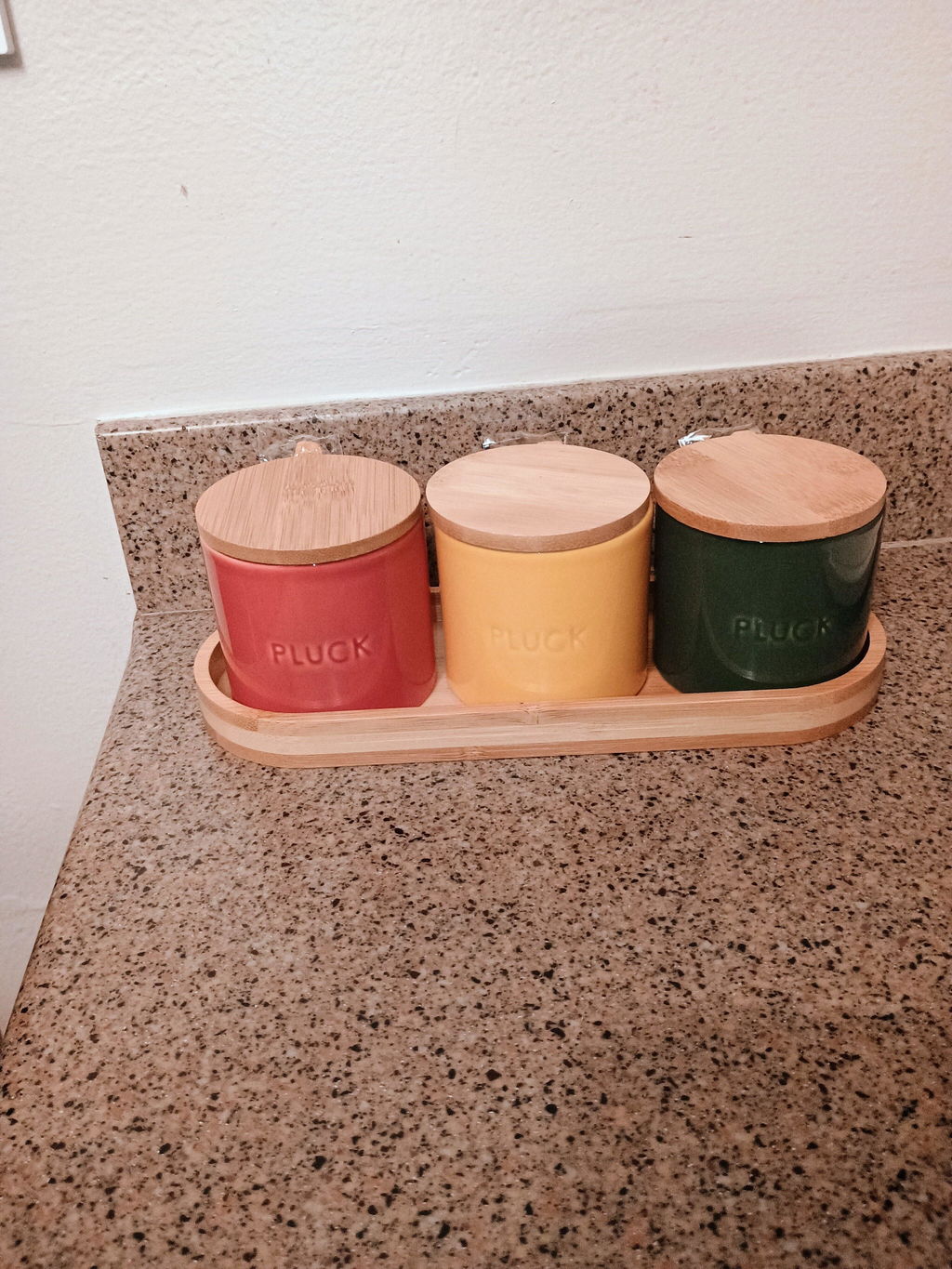
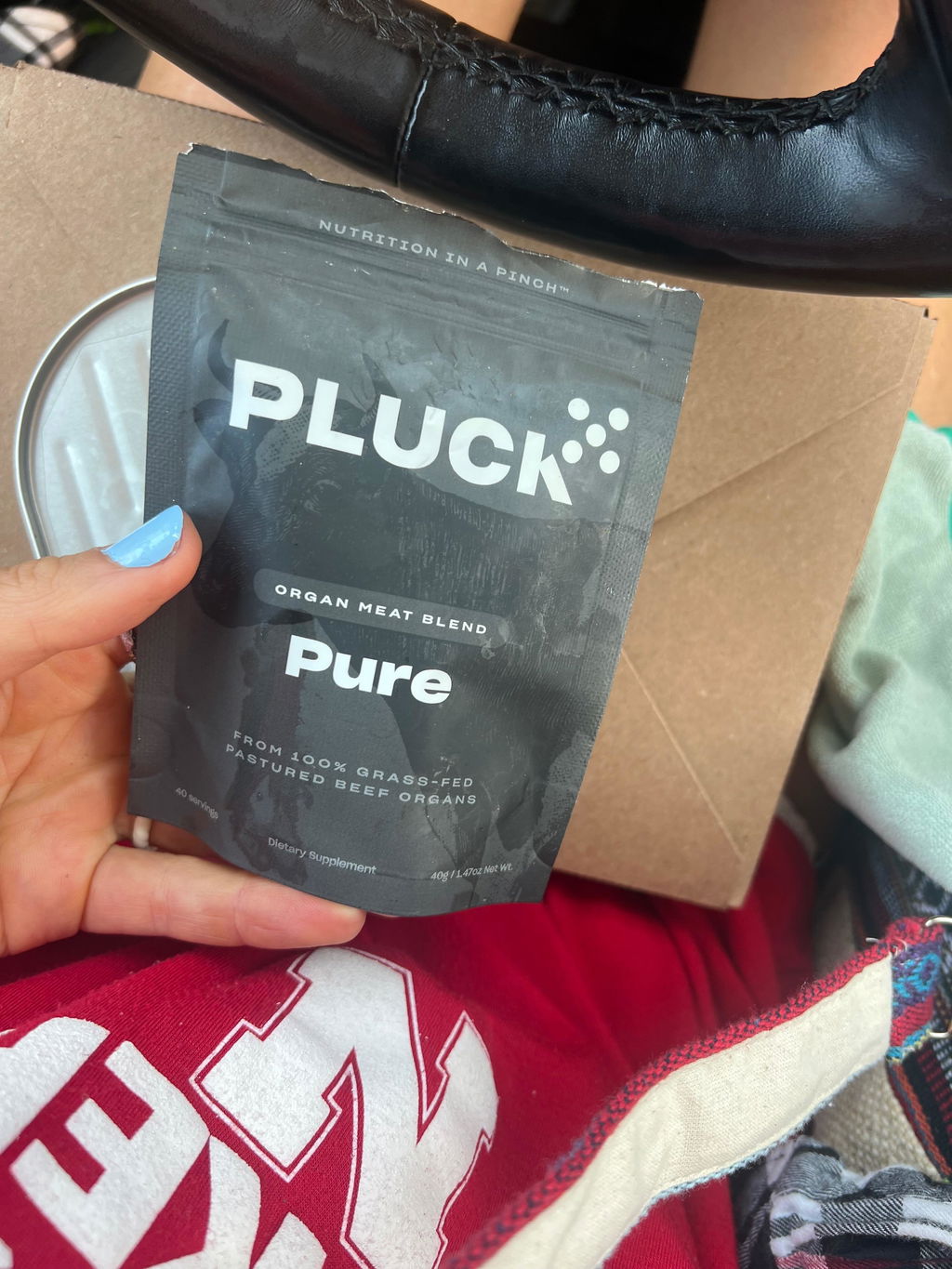
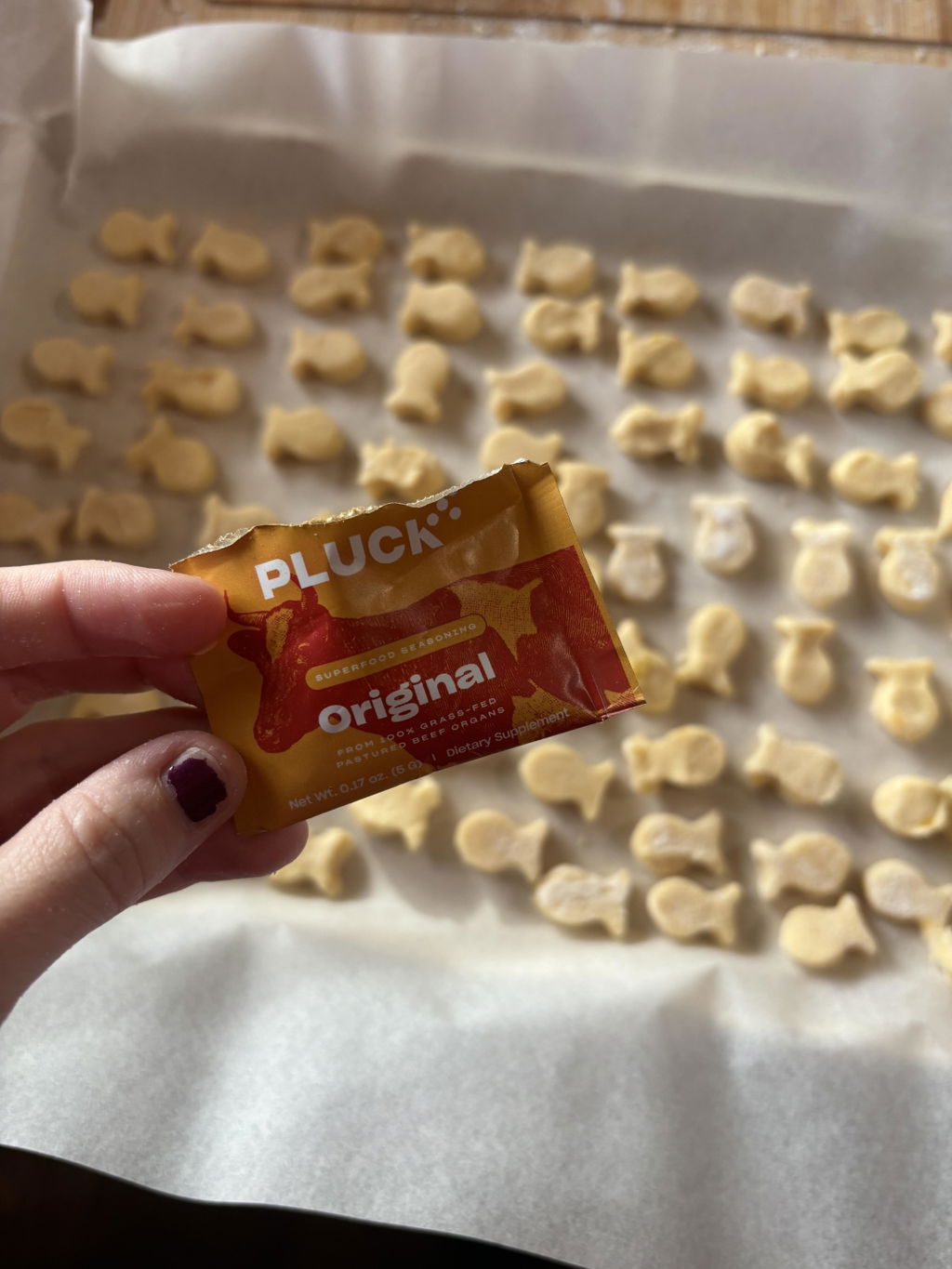
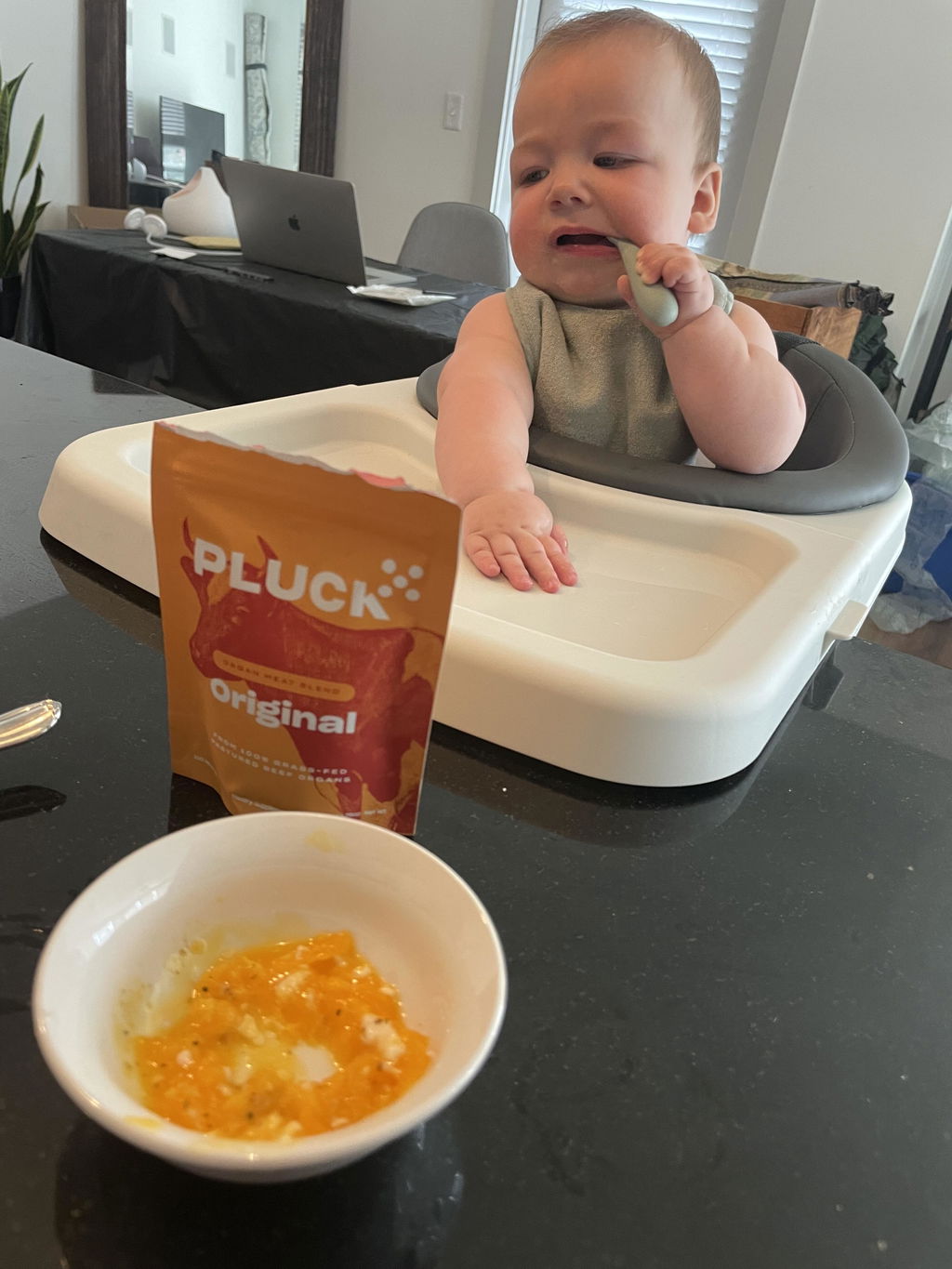
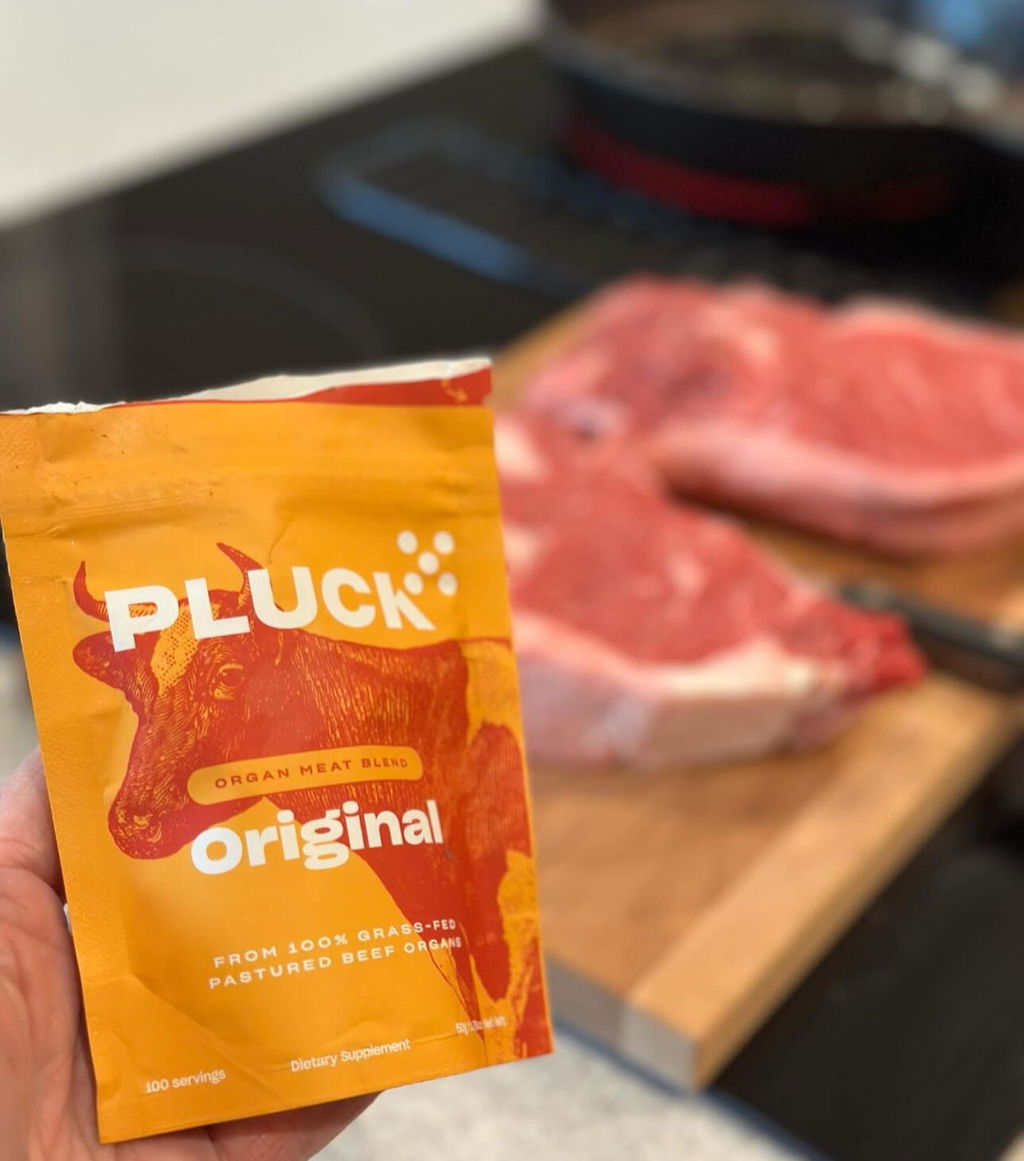
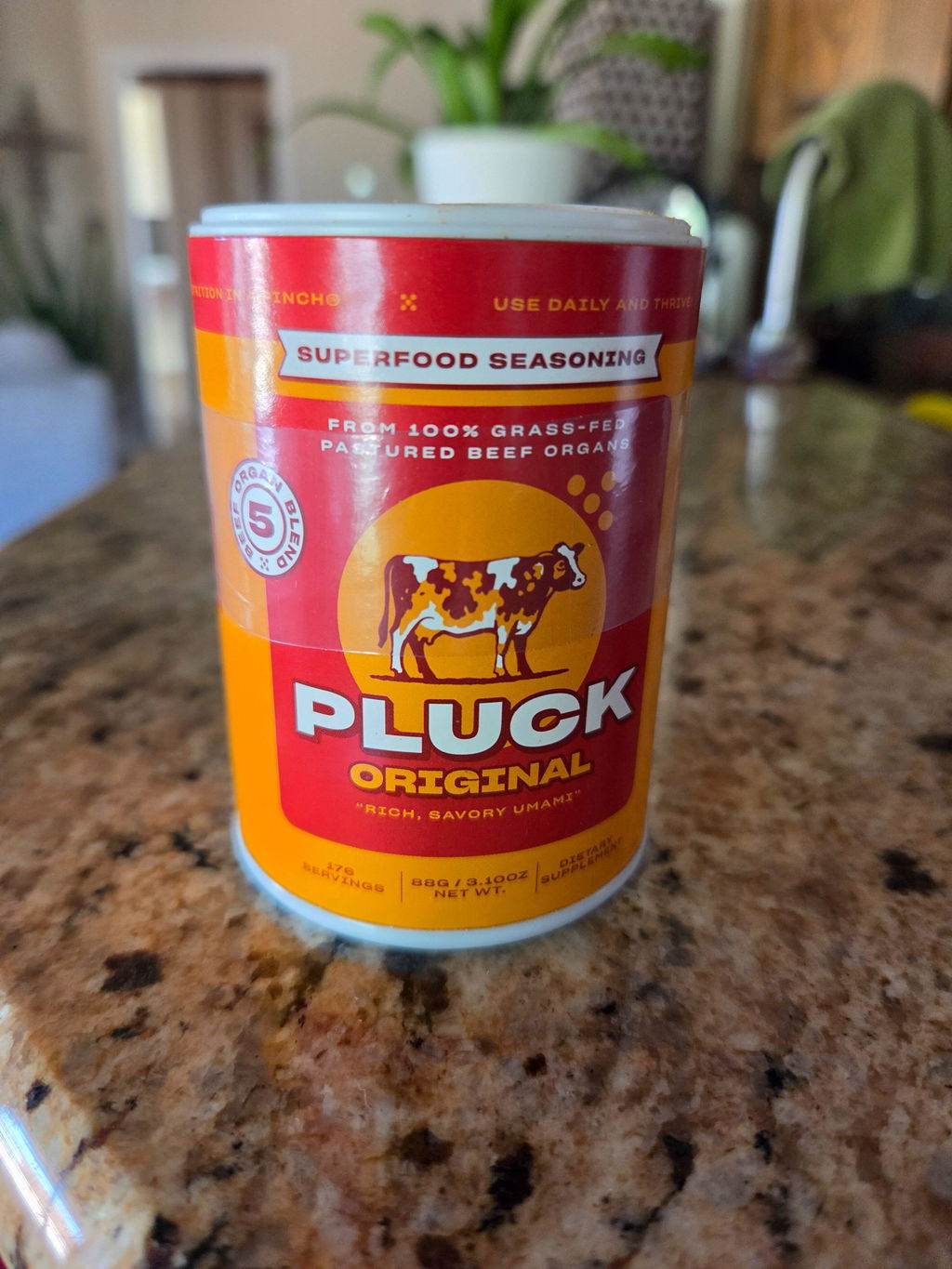
Many people hesitate to eat organ meats, but they are one of the most nutrient-dense foods. If eating whole organs feels intimidating, Pluck Organ Meat Seasoning is a perfect way to enjoy the benefits in a convenient, flavorful form.
Pluck is made with high-quality, freeze-dried organ meats from grass-fed animals, blended with savory herbs and spices to create a delicious seasoning that can be added to any meal. It’s easy for expectant mothers to incorporate vital nutrients without cooking or preparing organ meats directly.
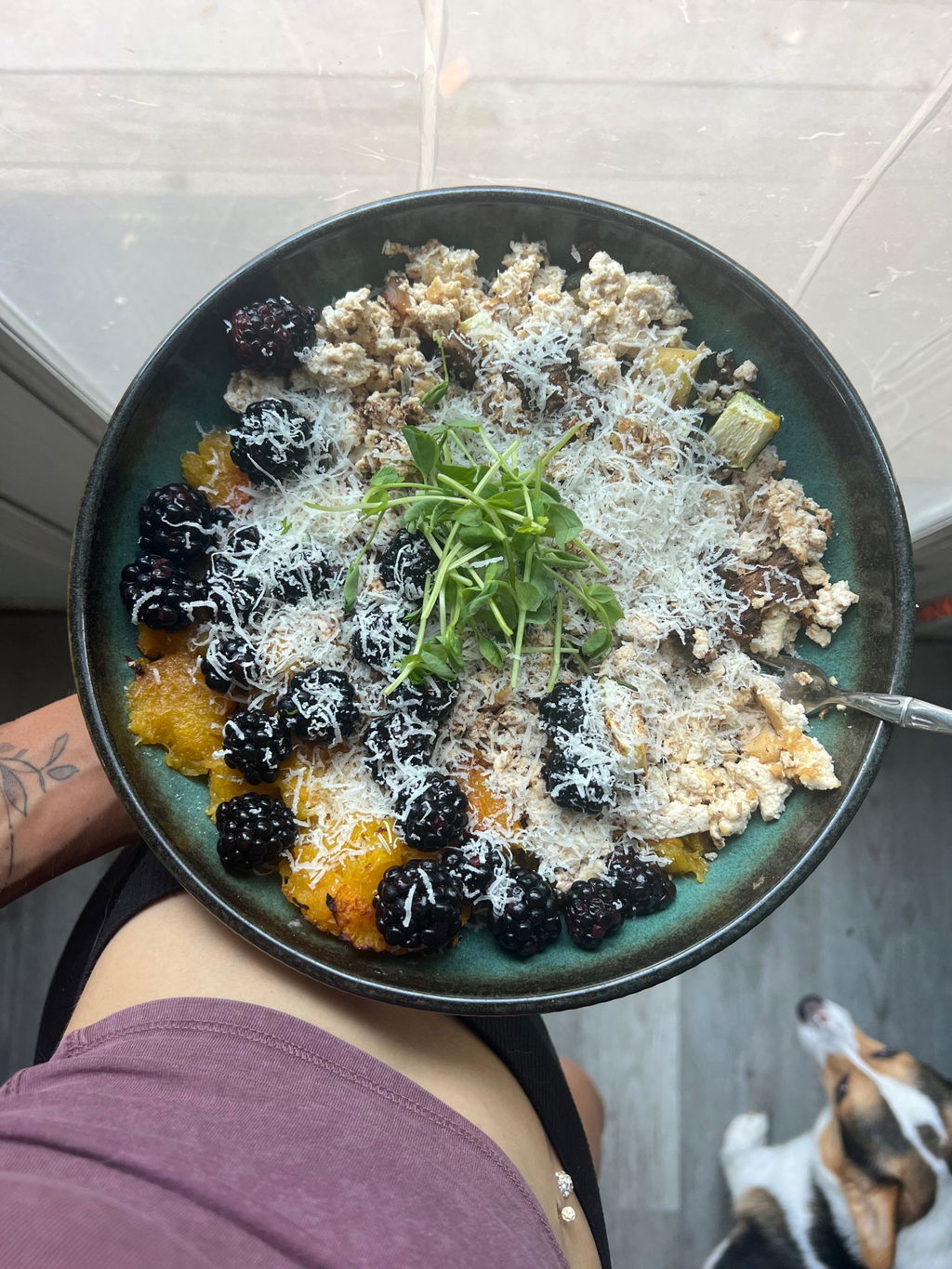
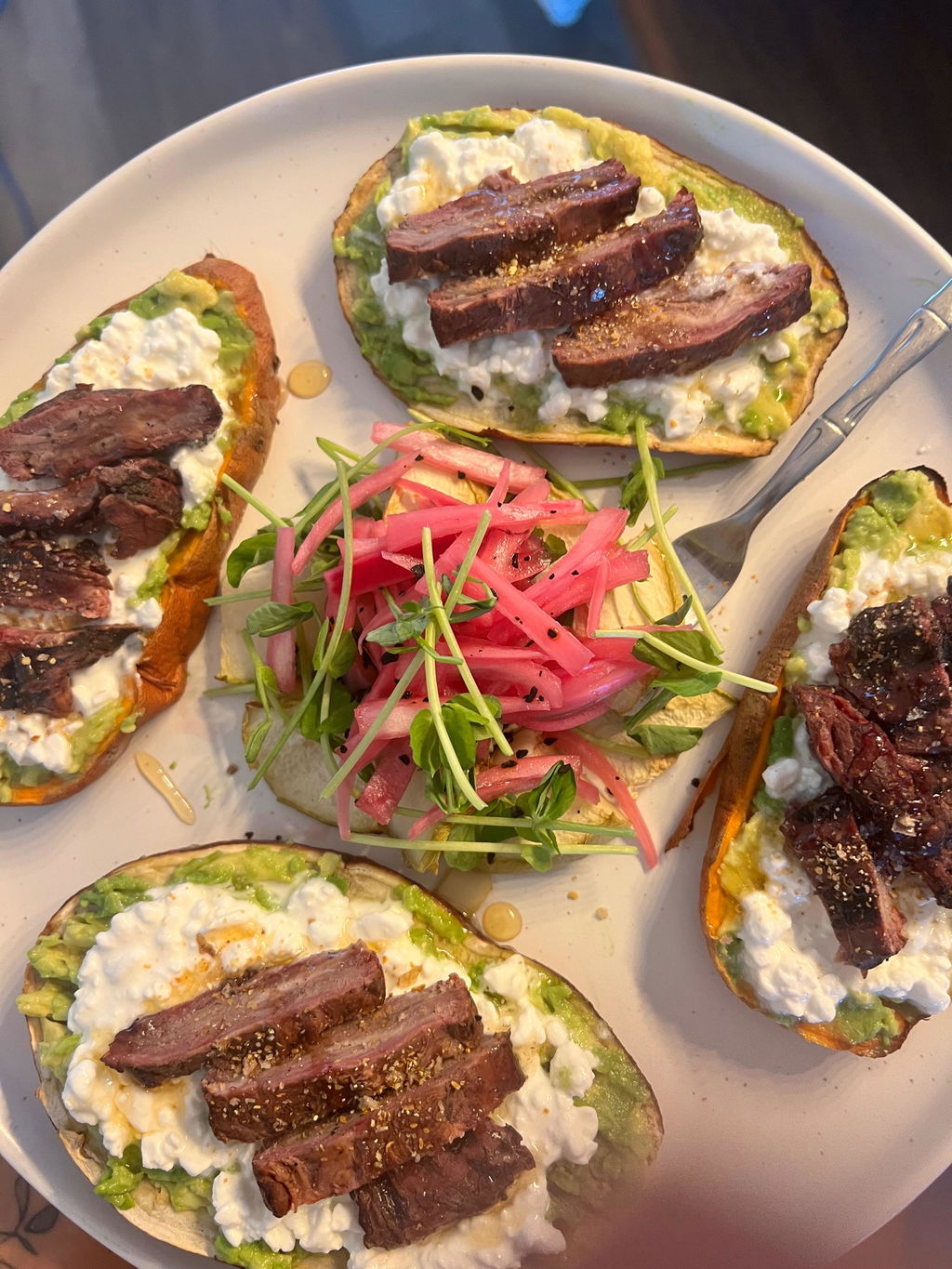
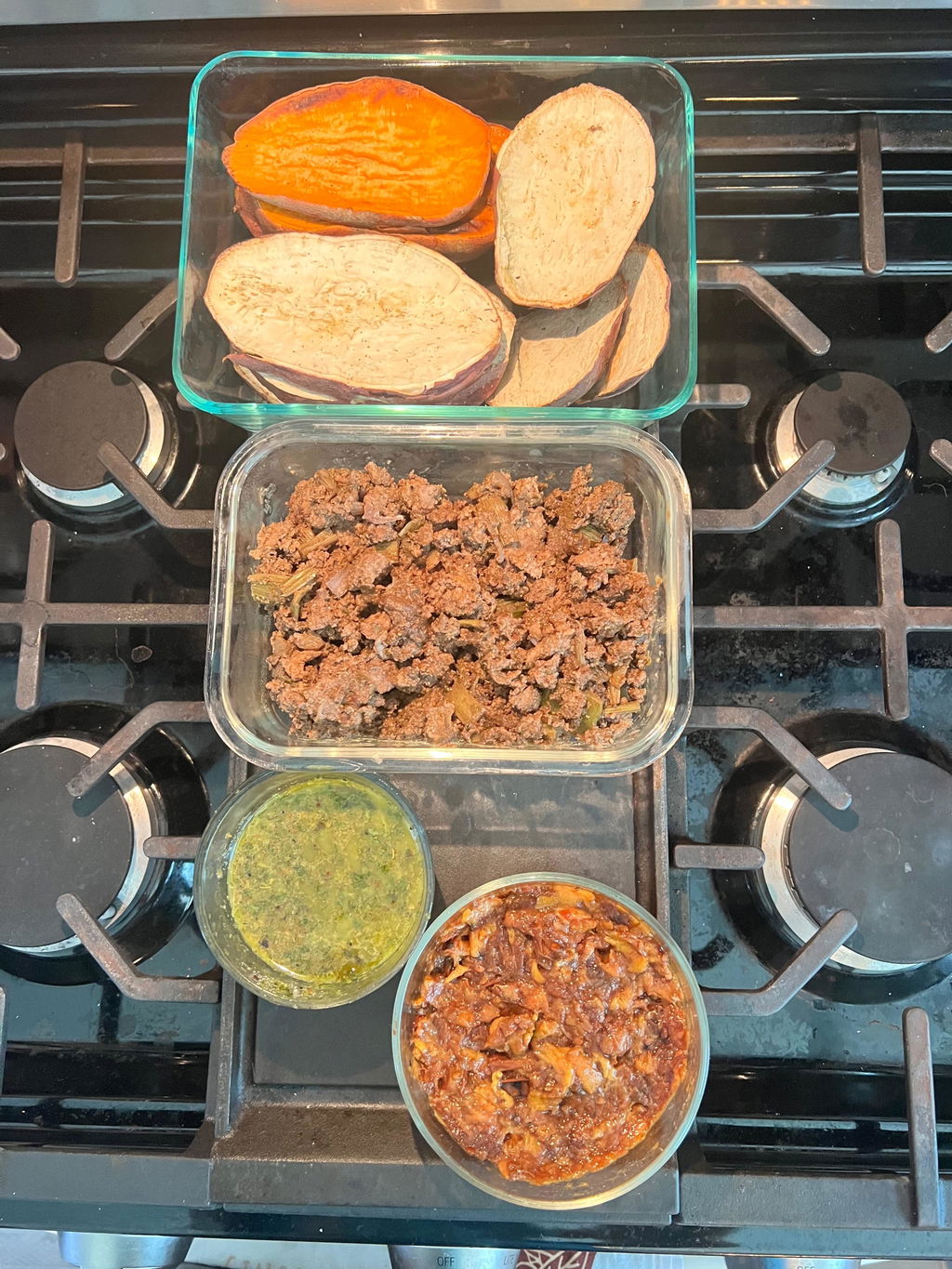
Here are some simple ways to include Pluck in your pregnancy diet:
-
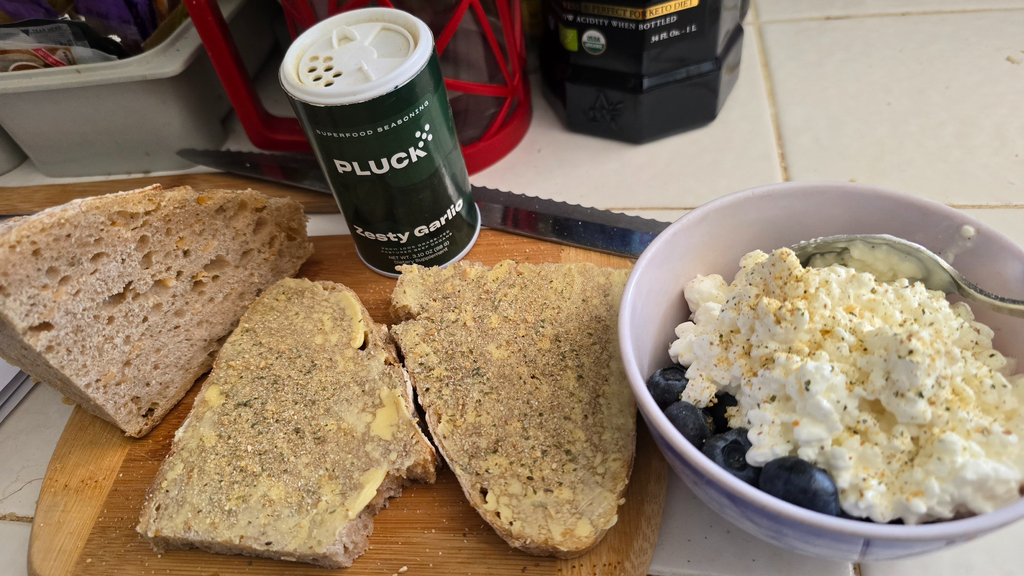
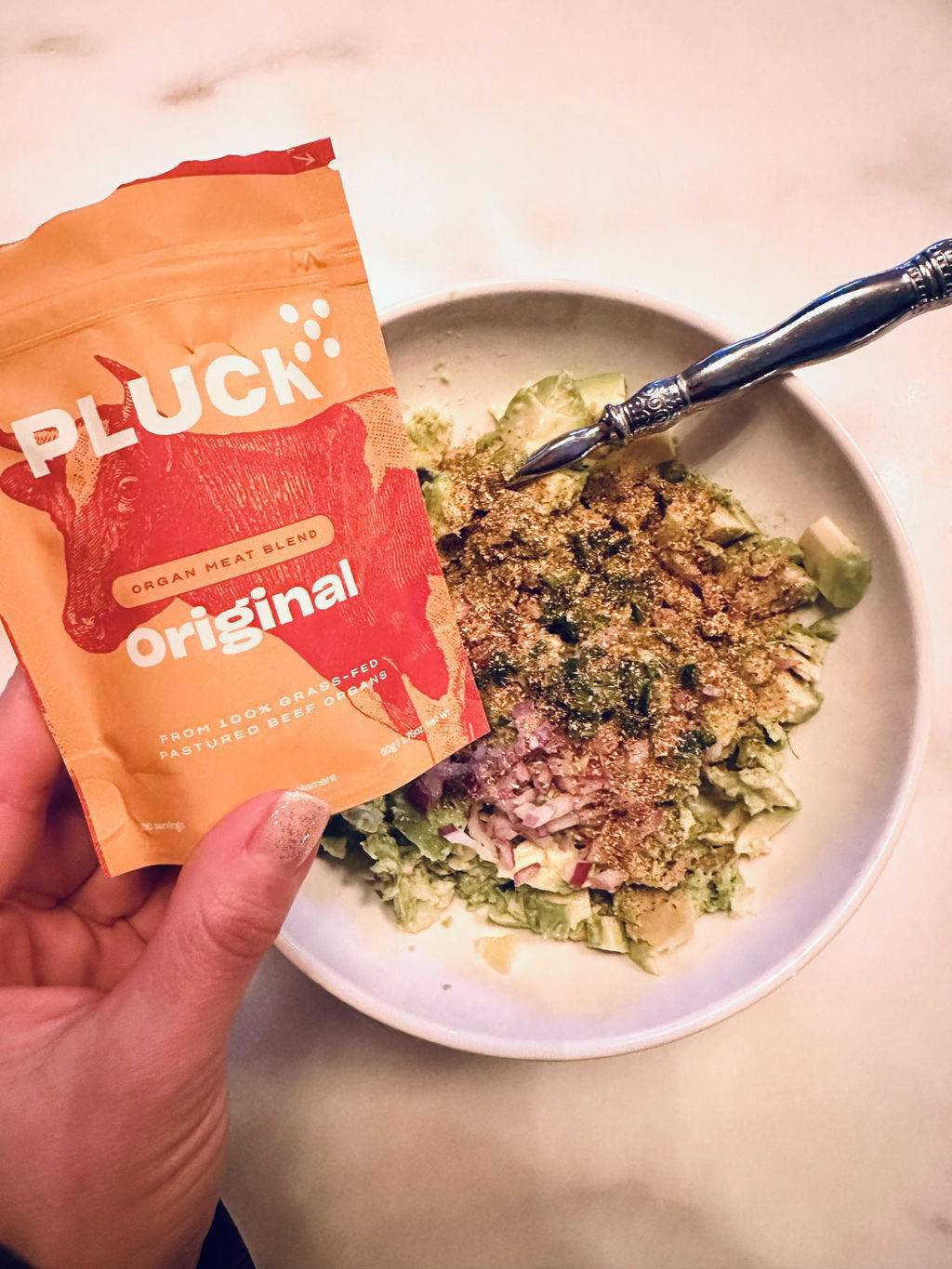
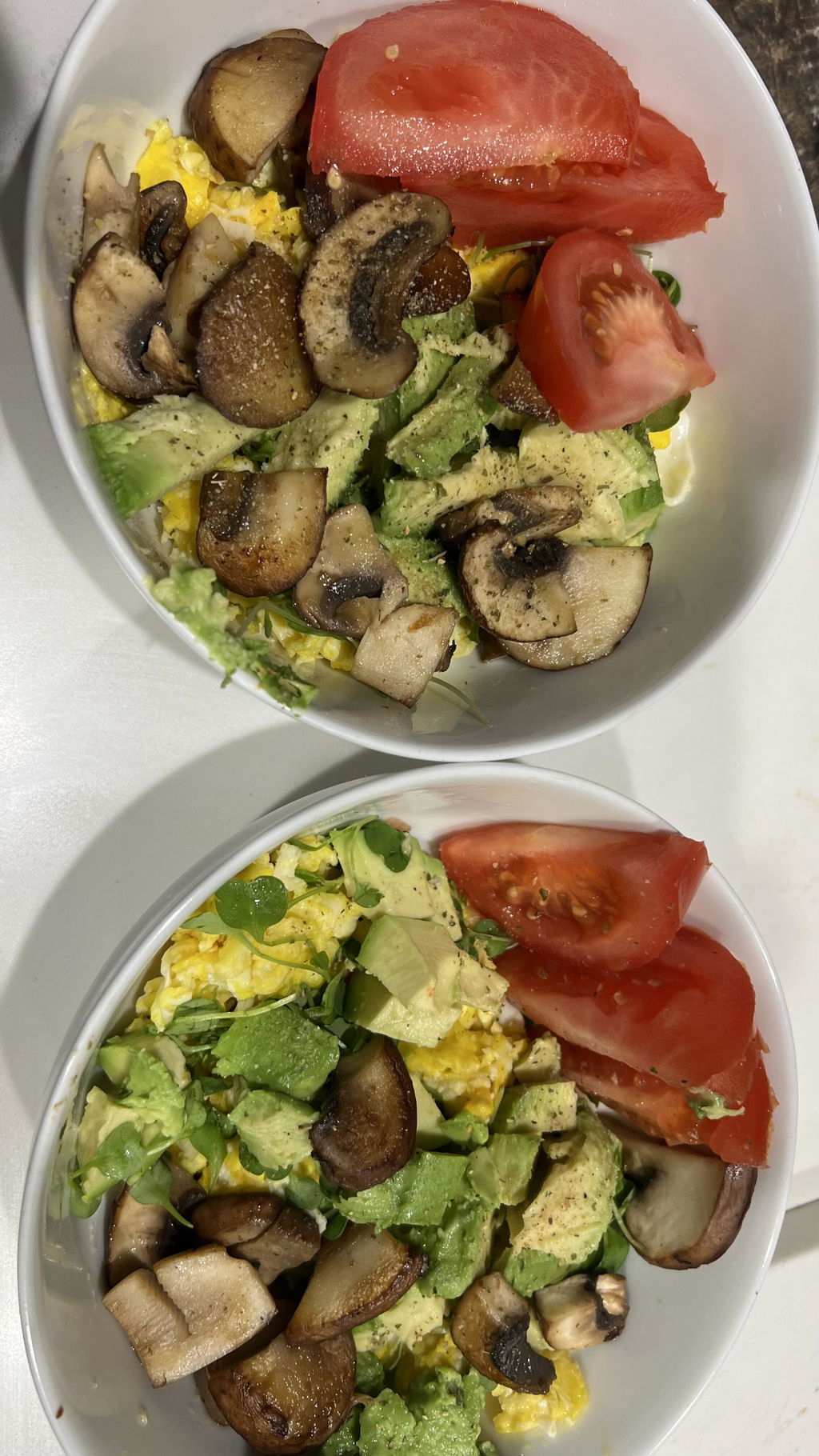
Sprinkle it on eggs, avocado toast, or roasted vegetables.
-
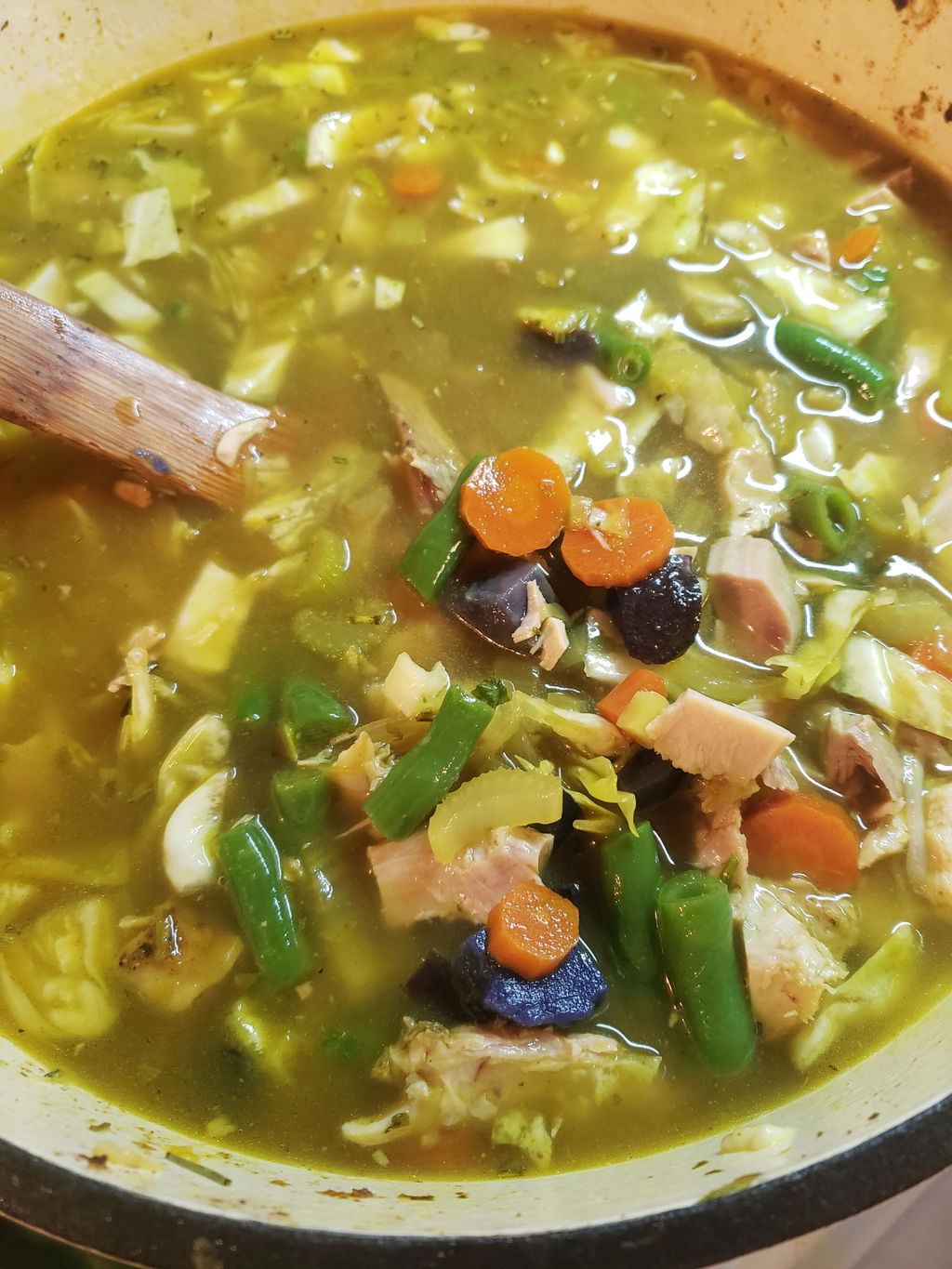
Mix it into soups, stews, or bone broth for depth and nutrition.
-
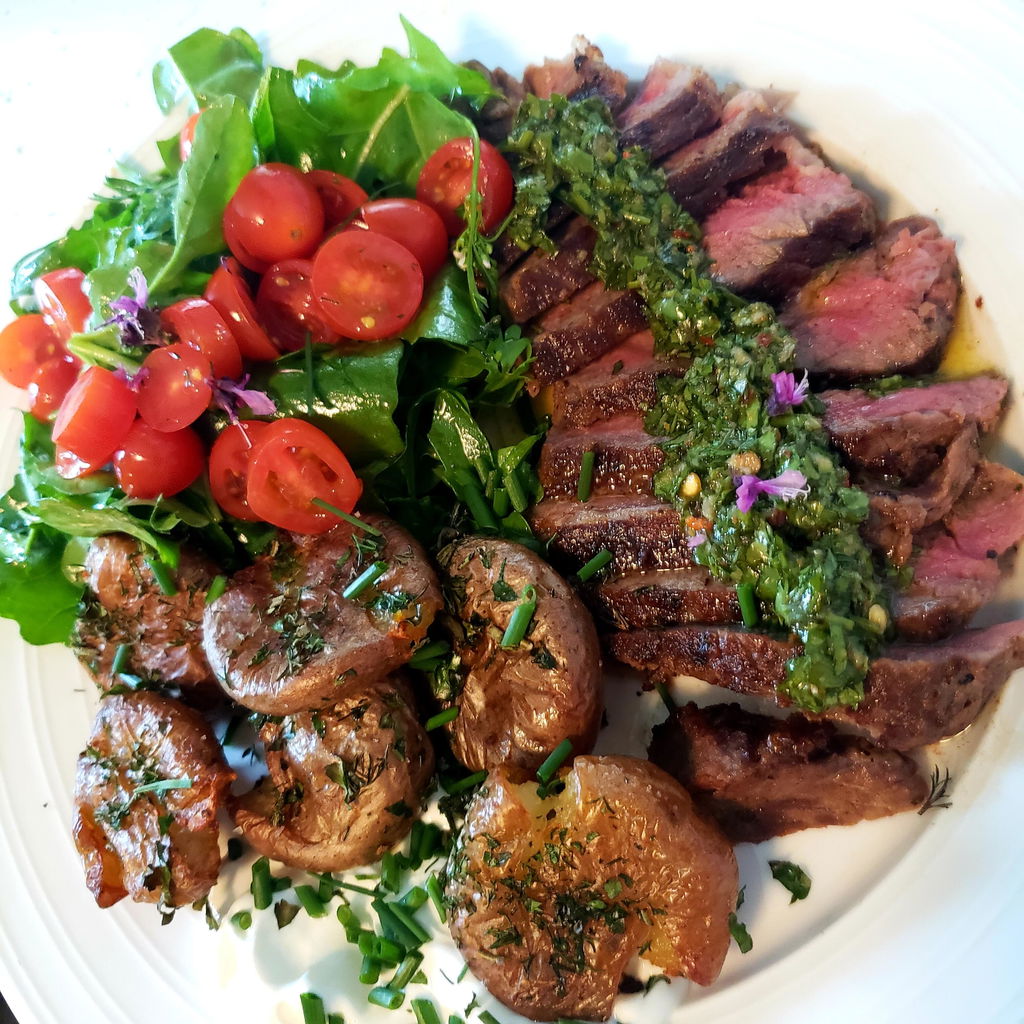
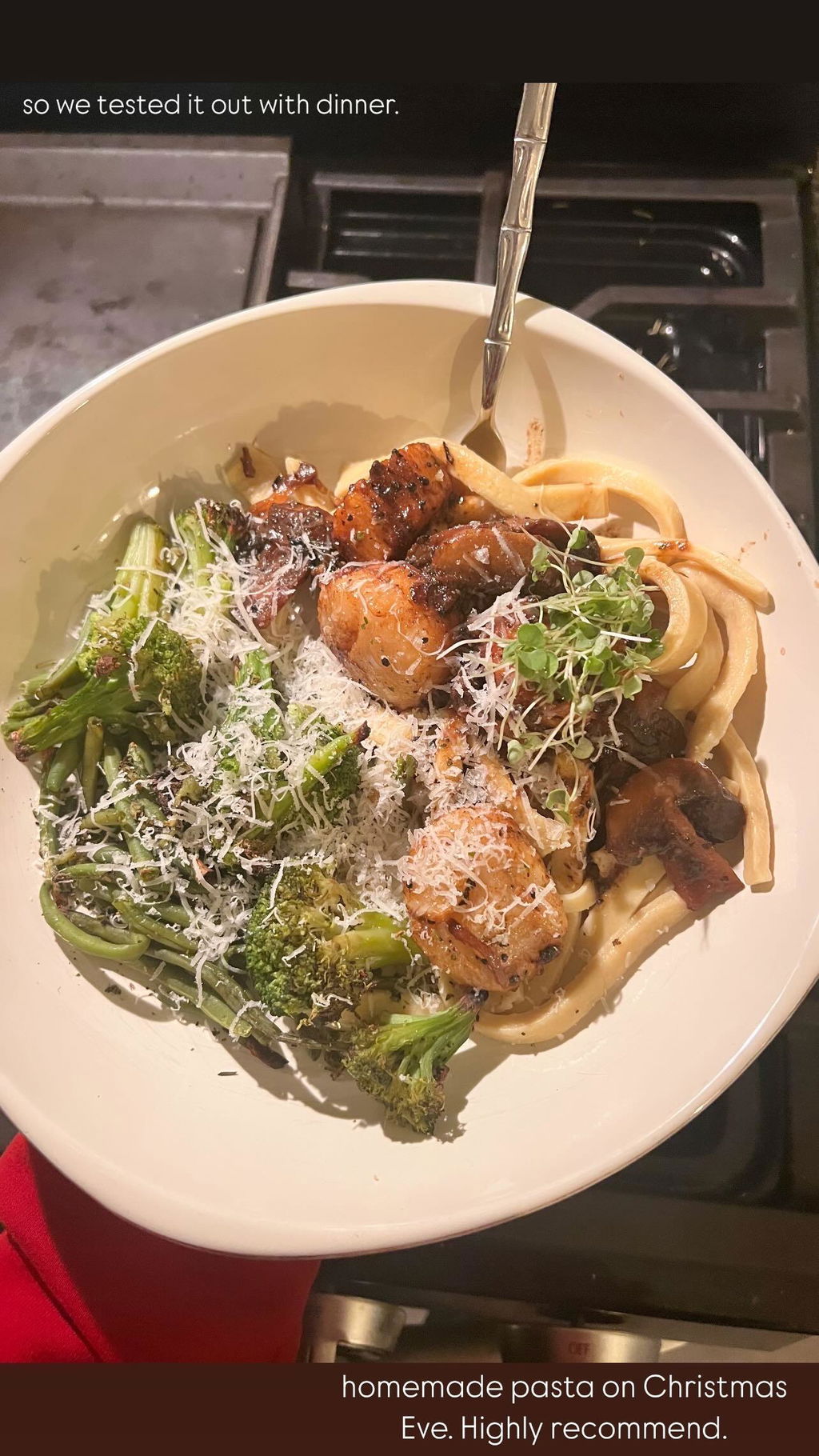
Use it as a seasoning for grass-fed beef, chicken, or fish.
-
Stir it into homemade salad dressings or dips.
Final Thoughts: Building a Strong Placenta for a Healthy Baby
A well-nourished placenta is one of the greatest gifts a mother can give her growing baby. This vital organ delivers nutrients, filters toxins, and sustains life throughout pregnancy. Without the right nutrition, the placenta may not function optimally, leading to complications that affect both mother and child.
Organ meats balance vitamins, minerals, and bioavailable nutrients that directly support placental health. Unlike synthetic prenatal vitamins, which often contain isolated nutrients that are poorly absorbed, organ meats deliver these essential nutrients in their most natural and usable forms. When a mother consumes organ meats, she provides her body with the building blocks required to develop a robust, well-functioning placenta. This helps make sure the baby gets the oxygen, nutrients, and immune support needed to grow and develop properly.
But the benefits of a strong, well-nourished placenta go beyond just pregnancy. A healthy placenta lowers the chances of complications like low birth weight, preterm delivery, and preeclampsia. It also makes postpartum recovery easier—mothers who get the right nutrients during pregnancy often feel more energized, have more balanced hormones, and are less likely to struggle with postpartum depression. Organ meats support the placenta during pregnancy and help replenish the mother’s body after childbirth, making recovery smoother and providing the energy needed for breastfeeding and caring for a newborn.
With so many modern diets lacking key nutrients, eating organ meats is one of the best ways to support both mom and baby naturally. Whether consumed as whole foods or through a convenient option like Pluck Organ Meat Seasoning, these nutrient-dense superfoods give mothers everything they need to grow a strong, resilient placenta. With every meal that includes organ meats, mothers support their health and lay the foundation for their baby’s lifelong well-being. By following the wisdom of traditional diets and fueling their bodies with real, nutrient-dense foods, women can have healthier pregnancies and give their babies the strongest start possible.
Citations:
-
The influence of placental metabolism on fatty acid transfer to the fetus. Journal of Lipid Research, vol. 58, no. 2, 2017, pp. 443–454. https://www.jlr.org/content/58/2/443.full.pdf.
-
Erlebacher, Adrian. "Immunology of the maternal-fetal interface." Annual Review of Immunology, vol. 31, 2013, pp. 387–411. https://pubmed.ncbi.nlm.nih.gov/23298207/.
-
Handwerger, S. "The roles of placental growth hormone and placental lactogen in the regulation of human fetal growth and development." Journal of Pediatric Endocrinology and Metabolism, vol. 15, no. 9, 2002, pp. 797–803.
-
Hurrell, Richard F., et al. "Meat consumption, iron absorption, and iron status." Journal of Nutrition, vol. 131, no. 7, 2001, pp. 187S-191S.
-
Cancelo-Hidalgo, María Jesús, et al. "Tolerability of different oral iron supplements: a systematic review." Current Medical Research and Opinion, vol. 29, no. 4, 2013, pp. 291-303.
-
Rhinn, Moncef, and Pierre Chambon. "The retinoic acid signalling pathway." Development, vol. 136, no. 19, 2009, pp. 3323-3327. DOI: 10.1242/dev.033506.
-
Stephensen, Charles B. "Vitamin A, infection, and immune function." Annual Review of Nutrition, vol. 21, 2001, pp. 167-192. DOI: 10.1146/annurev.nutr.21.1.167.
-
Rogne, T. et al. "Maternal Vitamin B12 Status and Risk of Preterm Birth and Low Birth Weight: A Systematic Review and Meta-Analysis of Individual Participant Data." American Journal of Epidemiology, vol. 185, no. 3, 2017, pp. 212-223. DOI: 10.1093/aje/kww212.
-
Czeizel, A. E., and I. Dudas. "Prevention of the First Occurrence of Neural-Tube Defects by Periconceptional Vitamin Supplementation." New England Journal of Medicine, vol. 327, no. 26, 1992, pp. 1832-1835. DOI: 10.1056/NEJM199212243272602.
-
Sahakian, V. et al. "Vitamin B6 Is Effective Therapy for Nausea and Vomiting of Pregnancy: A Randomized, Double-Blind Placebo-Controlled Study." Obstetrics & Gynecology, vol. 78, no. 1, 1991, pp. 33-36.
-
Gammoh, Noor Z., and Janet M. Rink. "Zinc in Infection and Inflammation." Nutrients, vol. 9, no. 6, 2017, p. 624. DOI: 10.3390/nu9060624.
-
Rayman, Margaret P. "Selenium and Human Health." The Lancet, vol. 379, no. 9822, 2012, pp. 1256-1268. DOI: 10.1016/S0140-6736(11)61452-9.
-
Linder, Maria C. "The Relationship of Copper to DNA Damage and Damage Prevention in Humans." Mutation Research/Fundamental and Molecular Mechanisms of Mutagenesis, vol. 733, no. 1-2, 2012, pp. 83-91. DOI: 10.1016/j.mrfmmm.2011.12.001.





Leave a comment
All comments are moderated before being published.
This site is protected by hCaptcha and the hCaptcha Privacy Policy and Terms of Service apply.