


 Large Bag
 Travel Pack

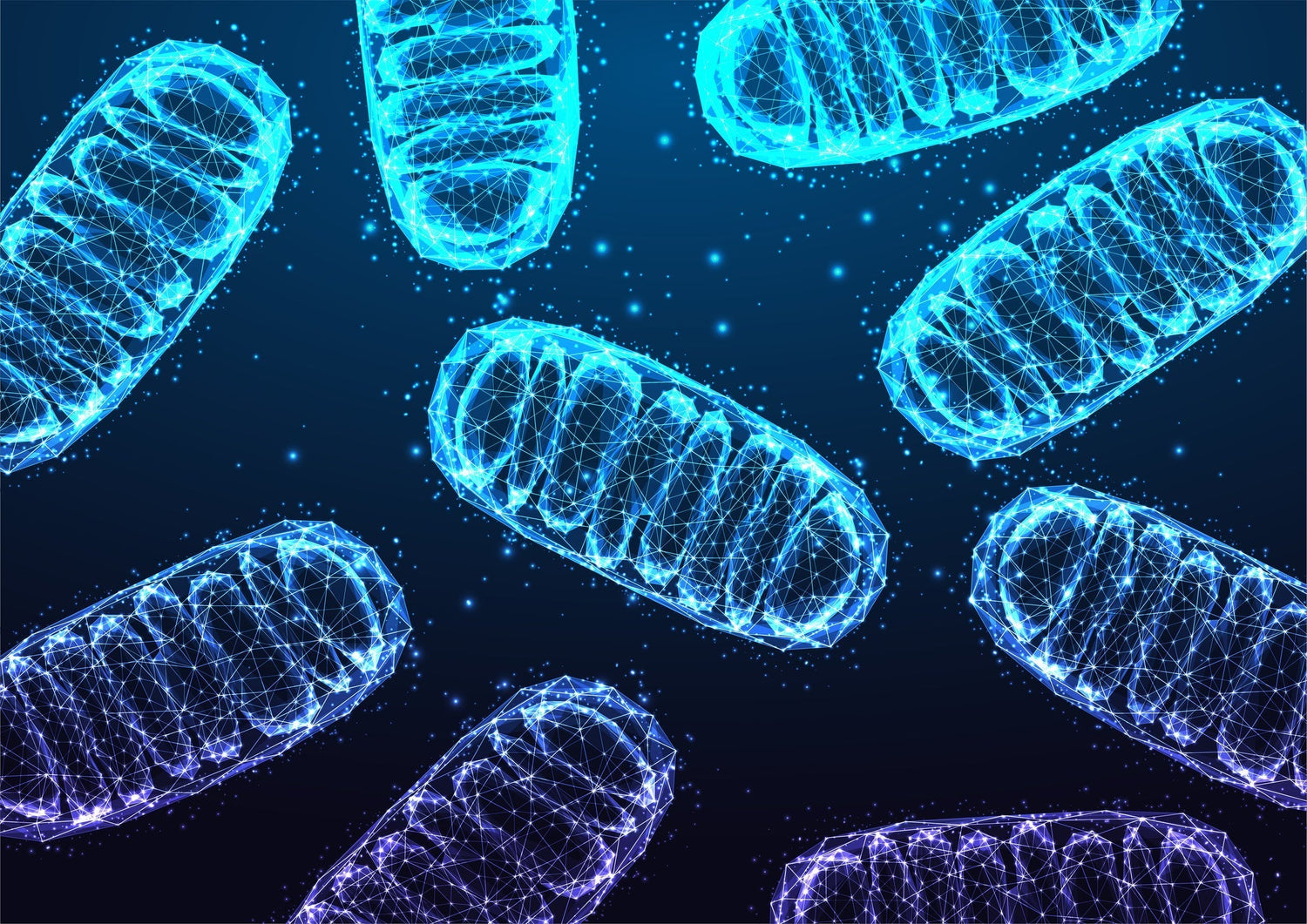
We often turn our nose up to the idea of eating organ meats, but they have been a cornerstone of traditional diets for centuries due to their incredible nutrient density.1 Packed with essential vitamins, minerals, and coenzymes, organ meats like liver, heart, and kidney offer unique benefits for energy production, particularly by supporting the mitochondria—the powerhouses of our cells. While muscle meats like steak have become the preferred choice, organ meats offer a more concentrated source of nutrients that directly enhance mitochondrial function and, consequently, our overall energy levels.
In this article, we look at the nutritional profile of organ meats, the nutrients in them that support mitochondrial function, and explain the processes through which they are transformed into usable energy.
The Mitochondria: Your Cellular Power Plants
Mitochondria are specialized organelles within our cells responsible for producing adenosine triphosphate (ATP), the body’s primary energy currency. Every action in our body, from muscle contractions to neurotransmitter release, relies on ATP. Mitochondria generate energy through a complex process involving the breakdown of macronutrients—carbohydrates, fats, and proteins—into usable forms. The three key stages of this process are glycolysis, the Krebs cycle (citric acid cycle), and the electron transport chain (ETC). The nutrients in organ meats directly support each stage, enhancing overall energy production.
Why Do We Need Healthy Mitochondria?
Healthy mitochondria are essential because they are the main engines of our cells, responsible for producing the energy we need to function. Every muscle movement, thought process, and cellular repair relies on ATP, the energy molecule mitochondria generate. When your mitochondria function optimally, you can experience more energy, a clear head, and improved overall health.2
Conversely, dysfunctional mitochondria can lead to fatigue, slower metabolism, and feeling more sluggish throughout the day.3 Supporting your mitochondria with nutrient-rich foods, like organ meats, helps keep cellular powerhouses strong, boosting your body’s ability to produce energy efficiently.
Key Nutrients in Organ Meats That Support Mitochondrial Function
Organ meats are loaded with nutrients, either absent or present in significantly lower amounts in muscle meats like steak. Here’s an overview of the primary nutrients found in organ meats and their critical roles in energy production.4
1. B Vitamins (B2, B3, B5, B6, B9, B12)
Organ meats, especially liver, are packed with B vitamins, which are vital for mitochondrial energy production. B vitamins are coenzymes (helpers) in the breakdown of carbohydrates, fats, and proteins, facilitating their conversion into energy.
-
Vitamin B2 (Riboflavin): Plays a critical role in the ETC, helping to drive the production of ATP.
-
Vitamin B3 (Niacin): Integral to the Krebs cycle and the ETC, niacin helps convert nutrients into energy at the cellular level.
-
Vitamin B12: Supports red blood cell formation and is crucial for energy metabolism. It also assists in converting fats and proteins into energy.
2. Coenzyme Q10 (CoQ10)
CoQ10 is a powerful antioxidant and a crucial component of the ETC. Found in high concentrations in organ meats, particularly the heart, CoQ10 helps shuttle electrons within the mitochondrial membrane, facilitating ATP synthesis. It also protects cells from oxidative damage, which can impair energy production.
3. Iron (Heme)
Iron is essential for oxygen transport and cellular respiration, which is fundamental to energy production. Organ meats provide heme iron, the most bioavailable form of iron, which is easily absorbed and utilized by the body. Iron is also part of several enzymes involved in directly supporting ATP generation.
4. Copper
Copper is an often-overlooked mineral that plays a vital role in mitochondrial function. It acts as a cofactor for cytochrome c oxidase, a key enzyme in the ETC that drives the final step of ATP production. Copper also supports iron metabolism and the formation of red blood cells, further enhancing the body’s ability to generate energy.
5. Zinc
Zinc is involved in numerous enzymatic reactions, including energy metabolism and mitochondrial maintenance. It supports antioxidant defenses within mitochondria, protecting them from oxidative stress, which can disrupt energy production.
6. Selenium
Selenium is a trace mineral in high amounts in organ meats, particularly kidneys. It supports mitochondrial function through its role in antioxidant enzymes that protect against oxidative stress. Selenium also helps maintain the structural integrity of mitochondrial membranes, which is crucial for optimal energy production.
7. Choline
Choline is critical for mitochondrial membrane structure and function. It is a precursor to phosphatidylcholine, a major mitochondrial membrane component, supporting its integrity and functionality. Choline also synthesizes acetylcholine, a neurotransmitter that aids in muscle movement and cognitive function.
How The Nutrients in Organ Meat Fuel Mitochondria and Boost Energy
Let’s briefly summarize how organ meats help your body produce ATP, the main energy source for your cells.5
Step 1: Glycolysis – Starting the Energy Process
Glycolysis is the first step where your body breaks down glucose (sugar) into smaller molecules, creating a small amount of energy. B vitamins from organ meats, especially B3 (niacin) and B6, help enzymes work better in this process, setting the stage for the next steps in energy production.
Step 2: The Krebs Cycle – Creating High-Energy Molecules
In the Krebs cycle, which happens inside your mitochondria, nutrients are further broken down to create high-energy molecules (NADH and FADH2). Both molecules are essential for the final step of energy production.
-
B Vitamins: Act like helpers that keep this cycle running smoothly, turning nutrients into usable energy.
-
Iron and Copper: Both minerals help enzymes extract energy from food.
-
CoQ10: Supports the flow of energy molecules, ensuring efficient energy transfer.
Step 3: The Electron Transport Chain – Generating Most of the Energy
This final stage happens in the mitochondria’s inner membrane, where high-energy molecules from the Krebs cycle are used to generate the majority of ATP.
-
CoQ10: Acts like a shuttle, helping move energy within the cells.
-
Iron and Copper: Both help convert oxygen into water, a key step in creating ATP.
-
Selenium: Protects the energy-making process from damage, ensuring continuous ATP production.
All the nutrients in organ meat work together to optimize energy production, giving you more vitality and better overall performance!
How Nutrients in Organ Meats Optimize Mitochondrial Health
The synergistic effect of the nutrients in organ meats provides a comprehensive approach to supporting mitochondrial function and optimizing energy production. Here’s how organ meat nutrients enhance mitochondrial health:
-
Increased ATP Production Efficiency: Combining B vitamins, CoQ10, and minerals such as copper and iron enhances the efficiency of the Krebs cycle, ETC, leading to more efficient ATP production, resulting in higher energy levels, improved physical performance, and overall vitality.6
-
Protection from Oxidative Damage: Mitochondria are particularly vulnerable to oxidative stress due to the high electron transfer rate within the ETC. Antioxidants like CoQ10 and selenium in organ meats help neutralize free radicals, protecting mitochondrial membranes and DNA from damage. This protection is crucial for maintaining long-term mitochondrial function and preventing energy deficits.7
-
Enhanced Oxygen Utilization and Transport: Iron plays a dual role in energy production: it aids in oxygen transport within the bloodstream via hemoglobin and functions within the ETC. The dual action ensures cells receive adequate oxygen to fuel ATP production, particularly during high-energy demands like exercise.8
-
Support for Membrane Stability: Nutrients such as choline help maintain the structural integrity of mitochondrial membranes, ensuring that mitochondria remain functional under stress. Stable mitochondrial membranes are essential for optimal ATP production and overall cellular health.9
-
Optimized Metabolism of Macronutrients: B vitamins facilitate the breakdown of carbohydrates, fats, and proteins into forms that the mitochondria can use for energy. Your body can efficiently convert food into usable energy rather than storing it as fat.10
Incorporating Organ Meats into Your Diet
Adding organ meats to your diet can significantly boost mitochondrial health and energy levels. Here are some practical ways to start:
-
Start Slow: Introduce small amounts of liver or heart into ground meat recipes like meatballs, burgers, or meatloaf. The flavor is less intense while still delivering the nutritional benefits.
-
Try Pâtés and Spreads: Liver pâté, blended with herbs and spices, is a delicious way to enjoy the liver’s benefits. Spread it on grain-free crackers or vegetables for a nutrient-dense snack.
-
Explore Traditional Recipes: Dishes like heart stew, kidney pies, or liver and onions often balance the bold flavors of organ meats with complementary ingredients, making them more palatable and enjoyable.
-
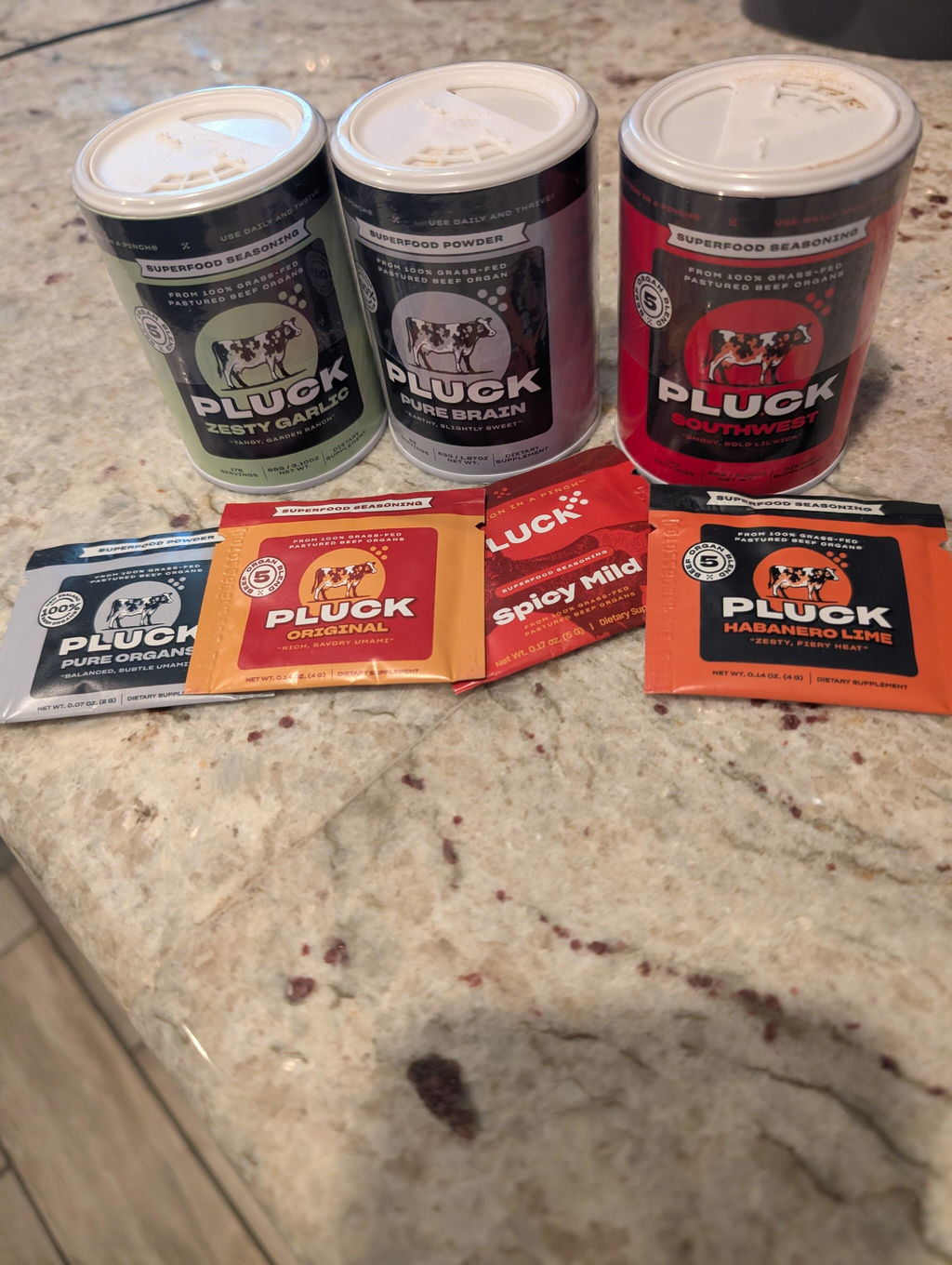
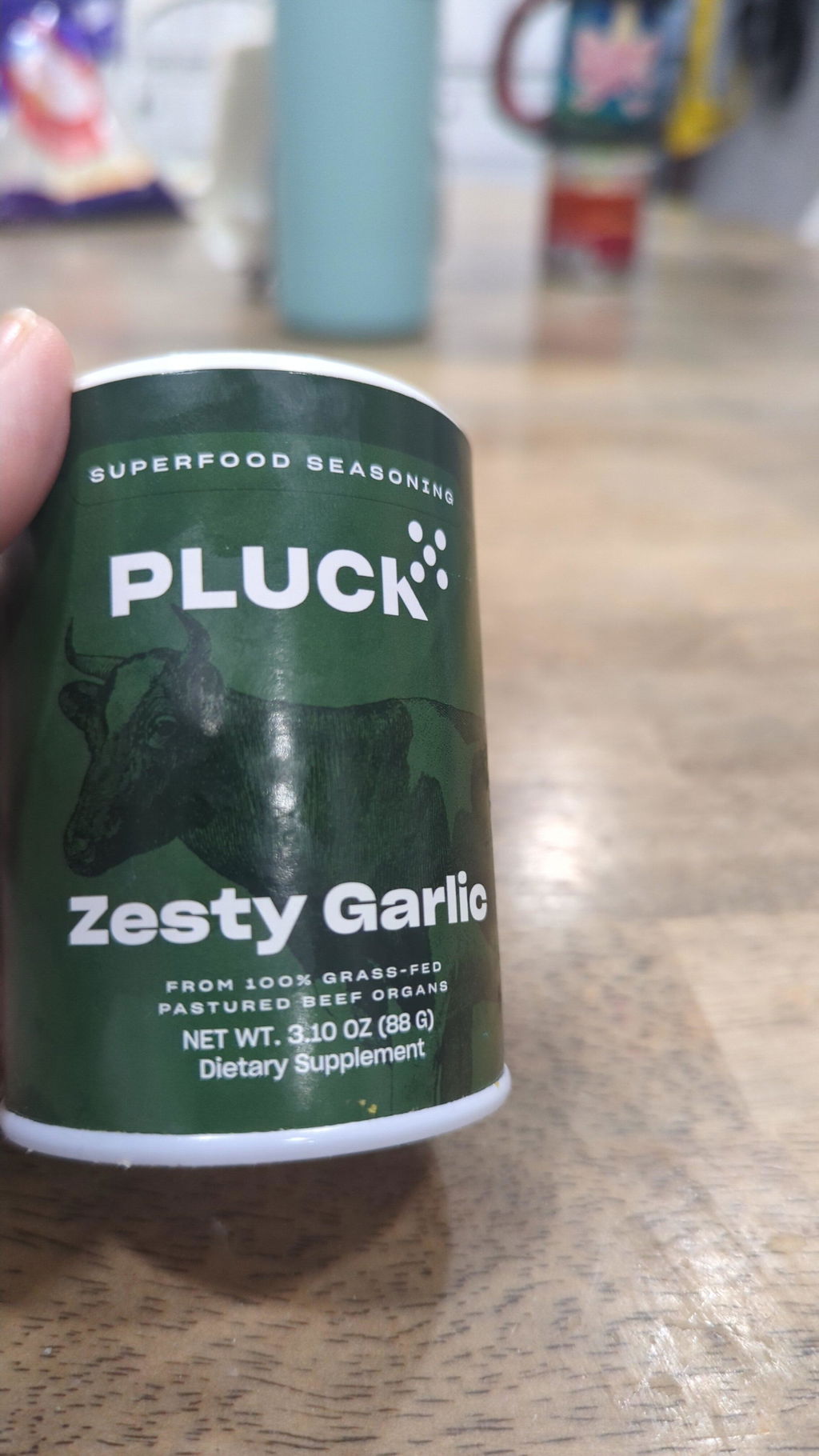
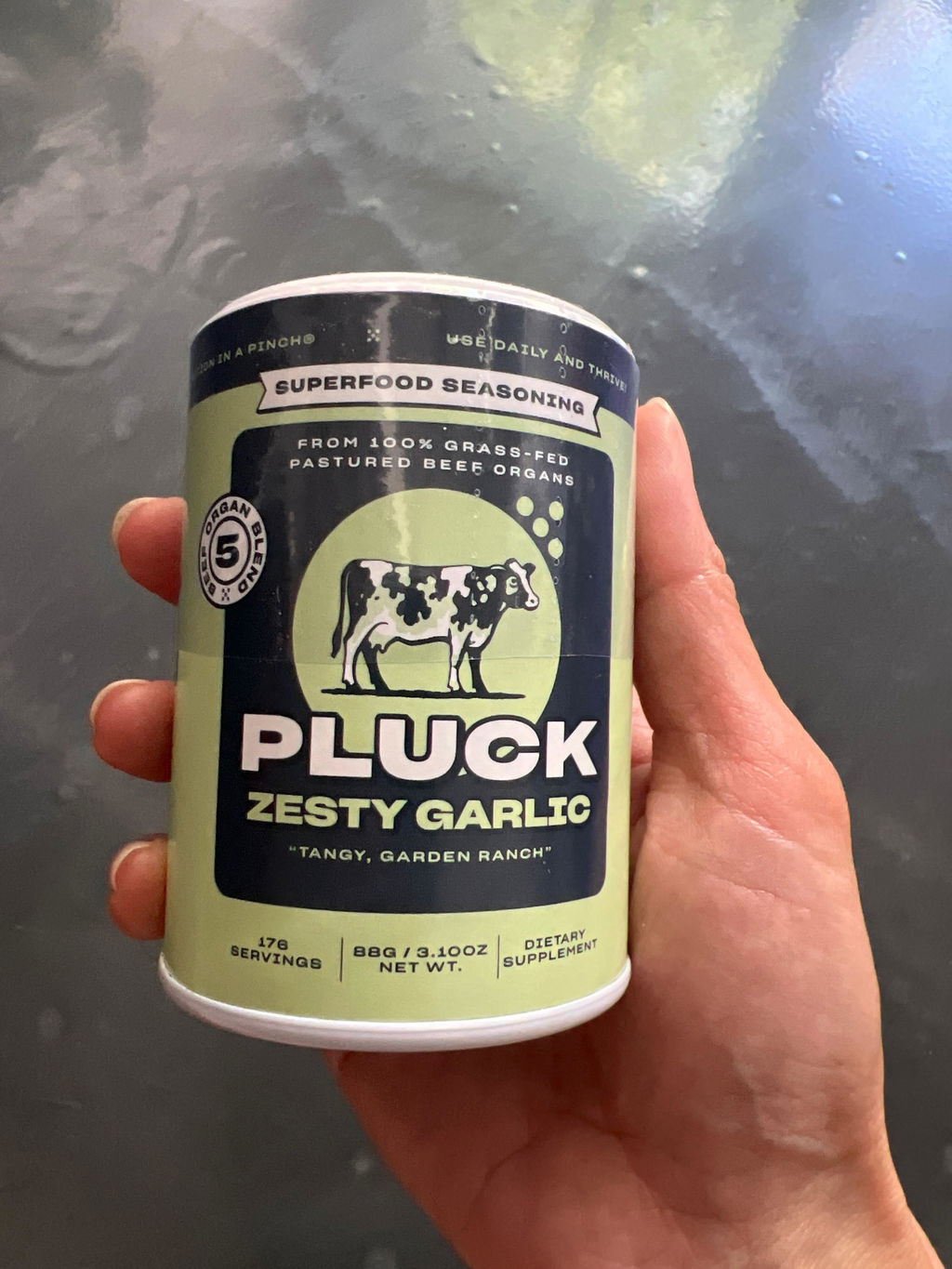
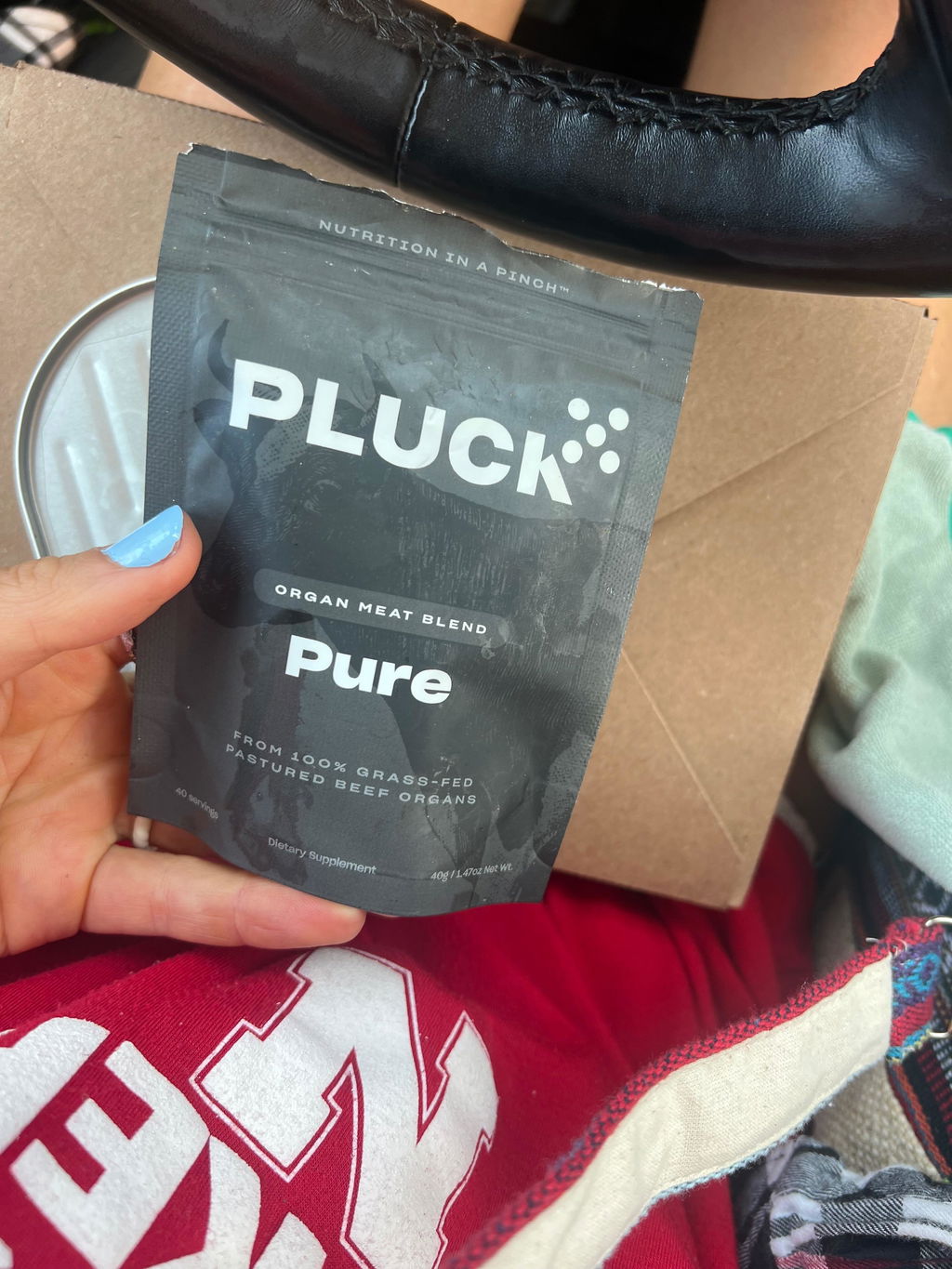
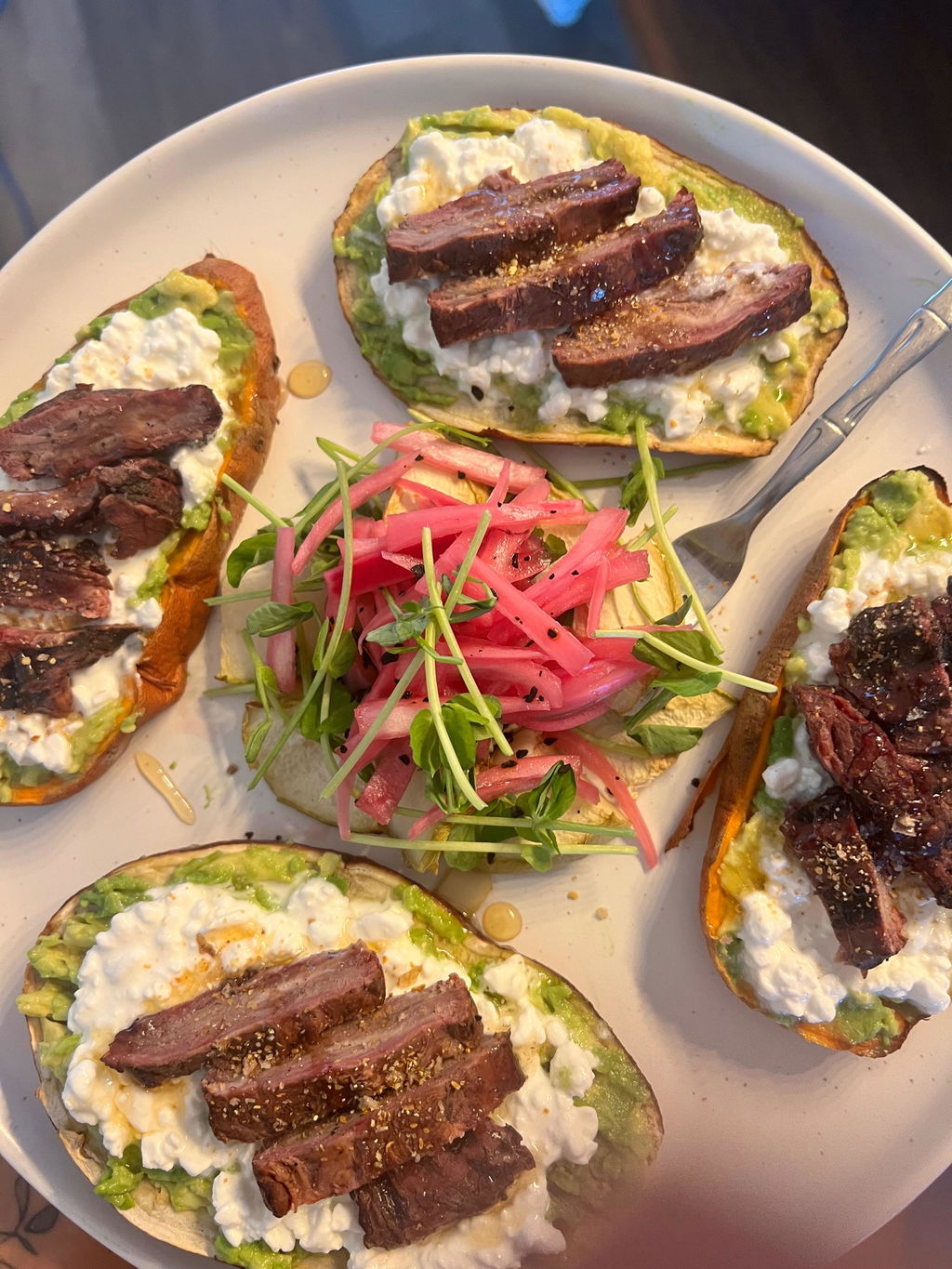
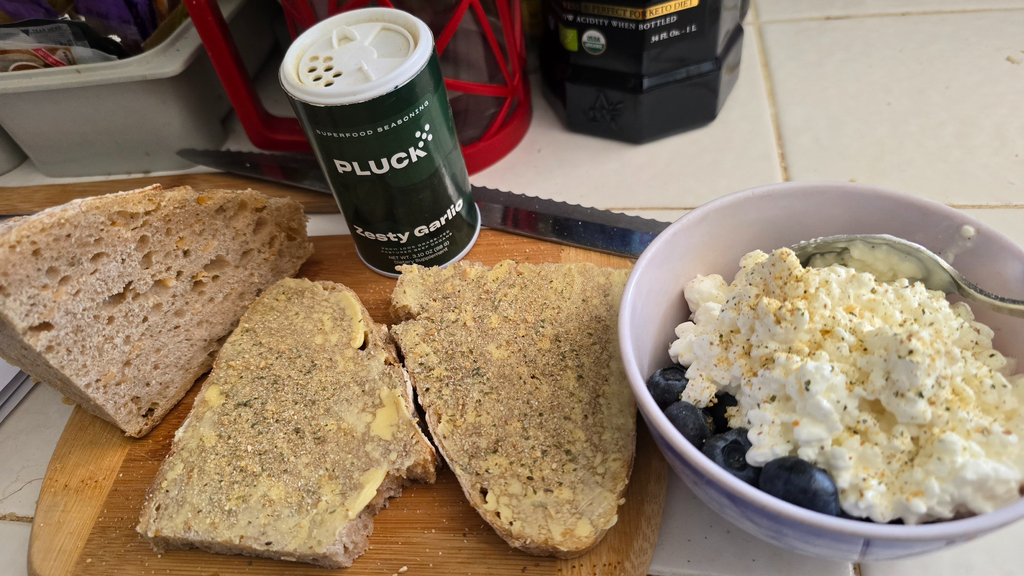
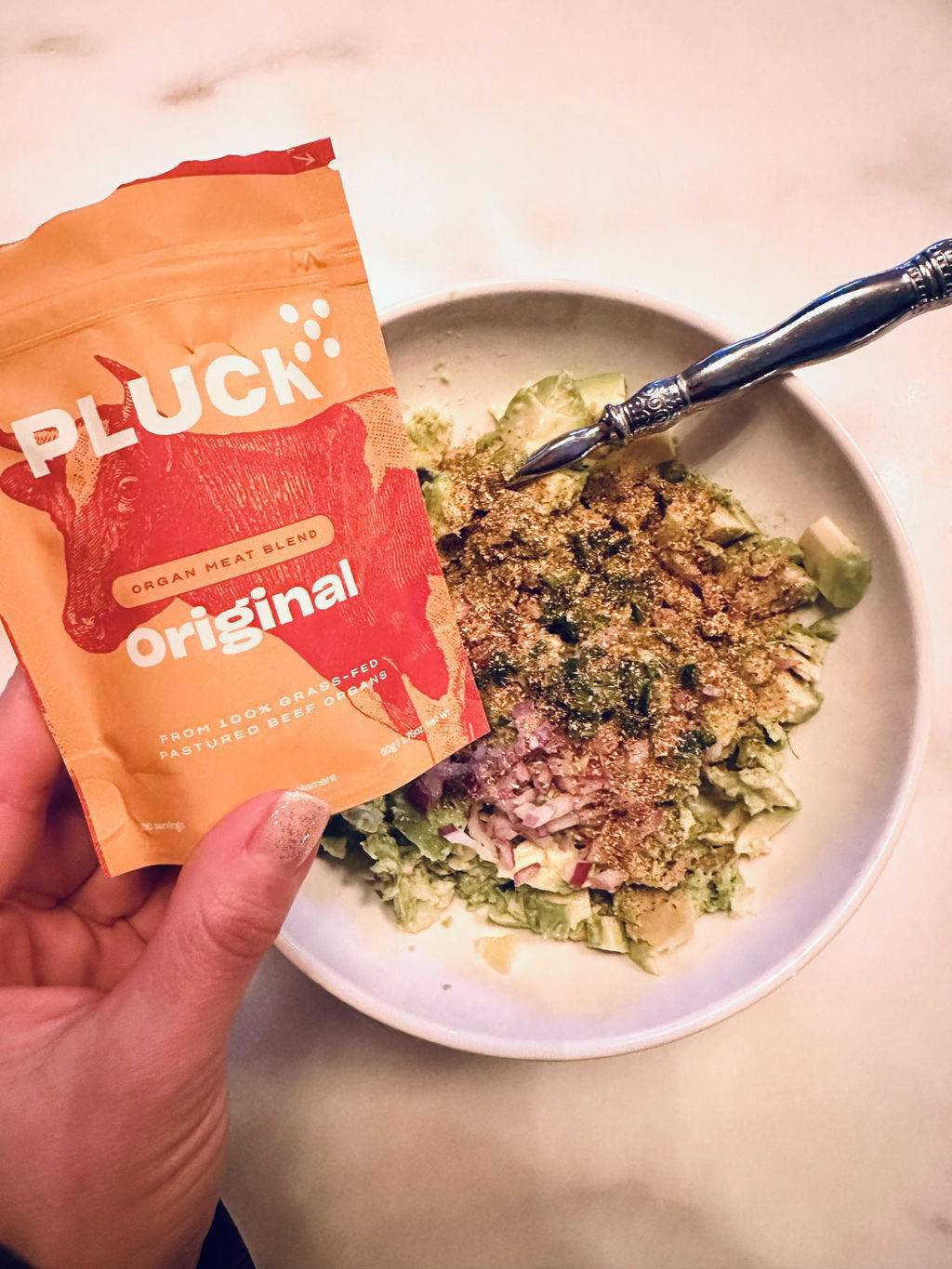
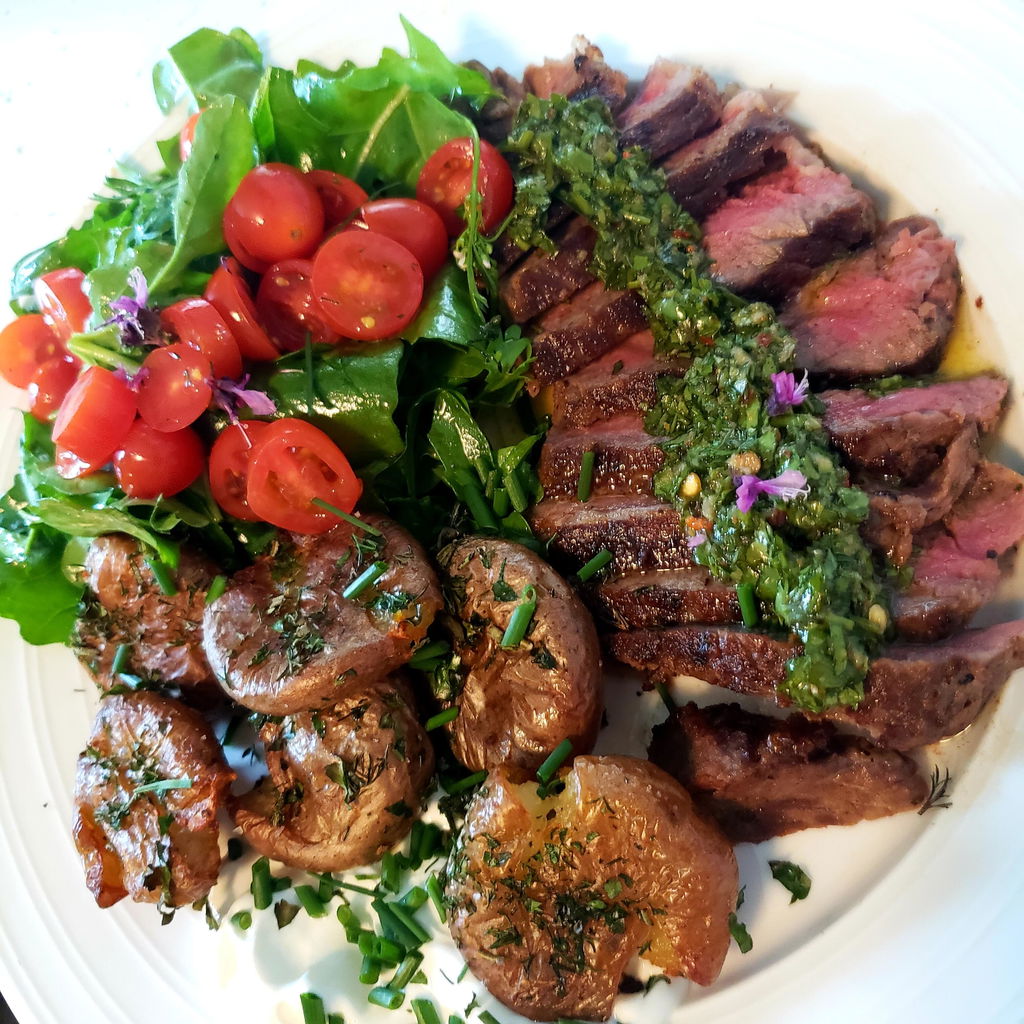
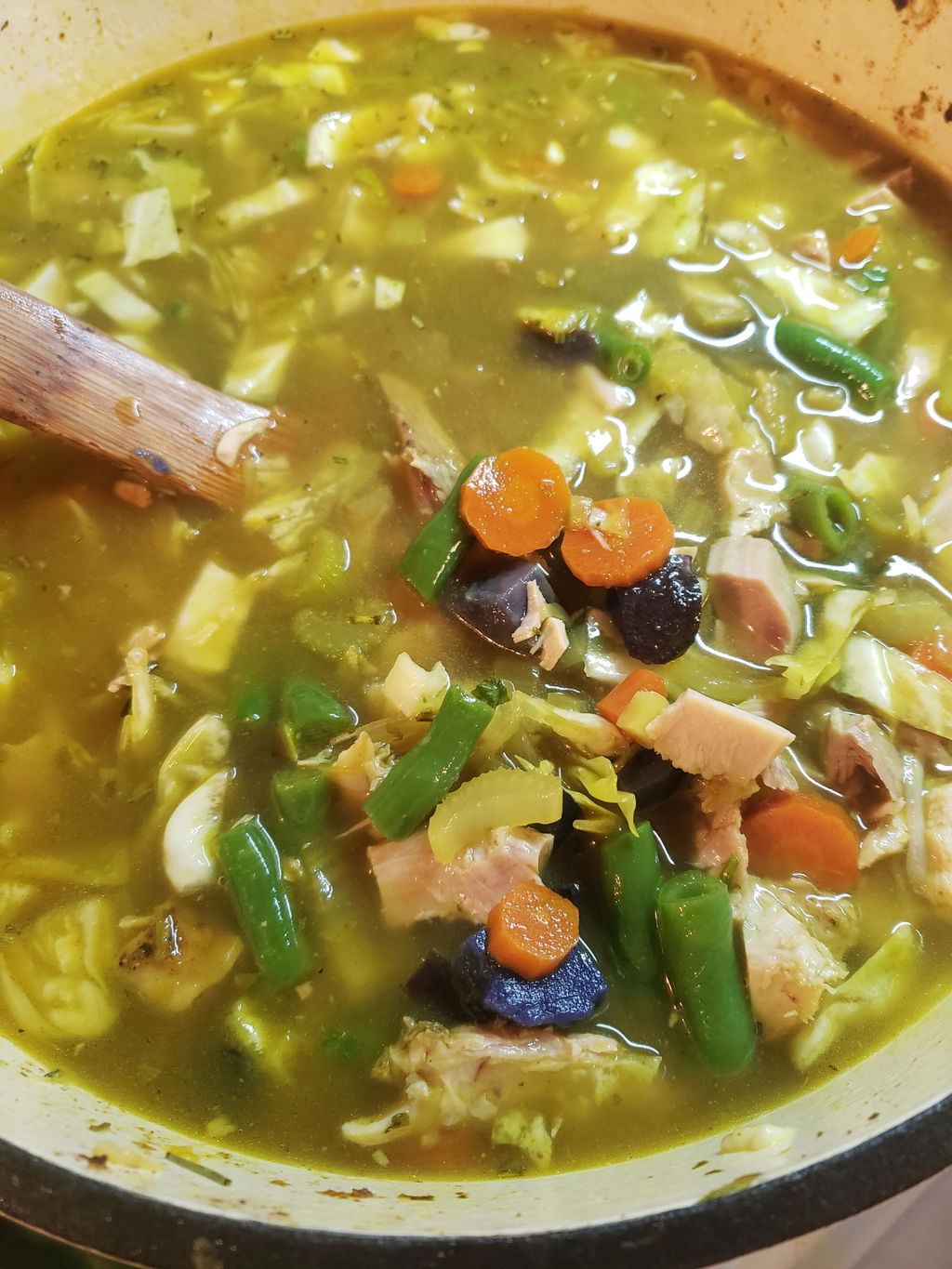
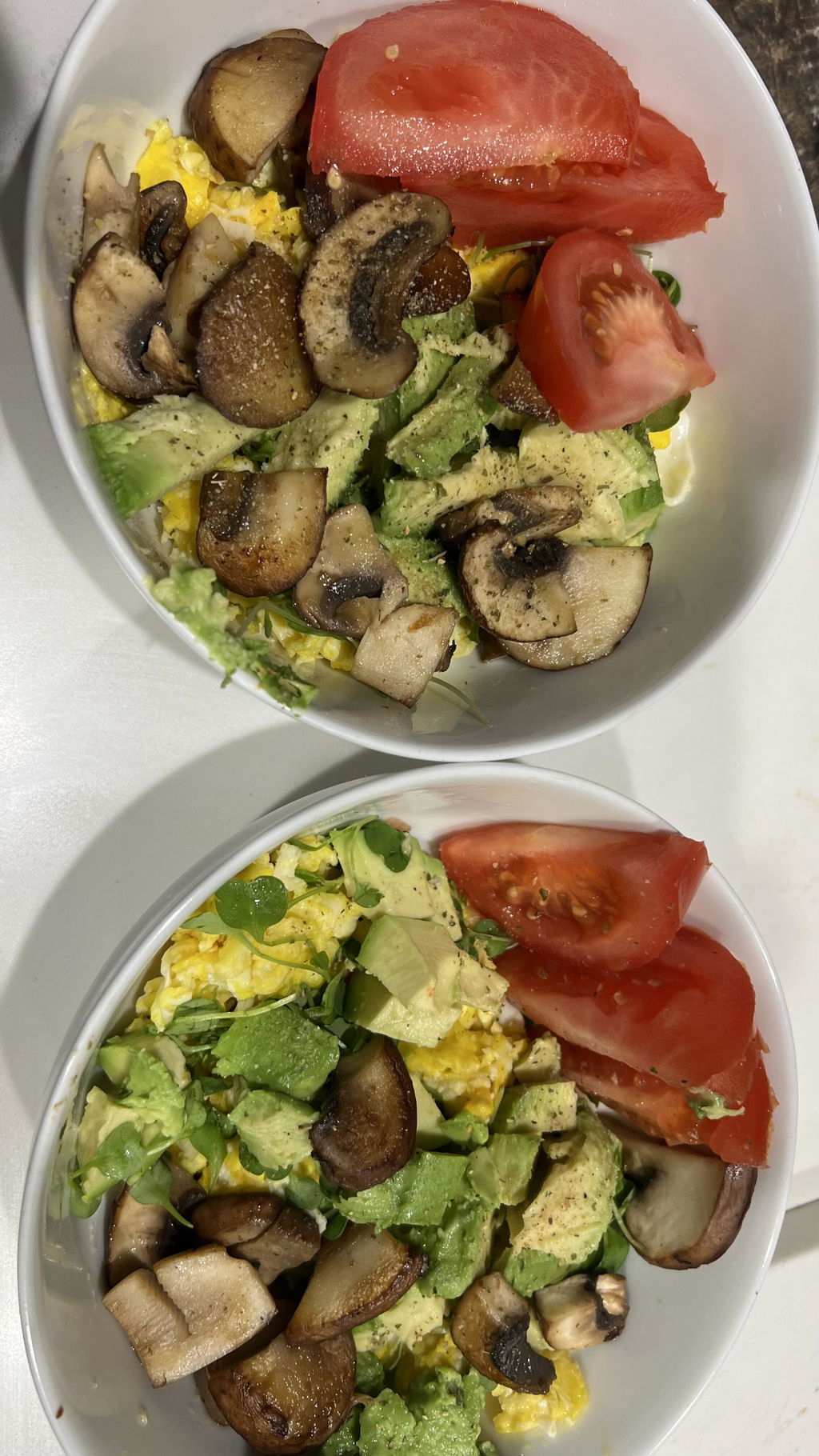
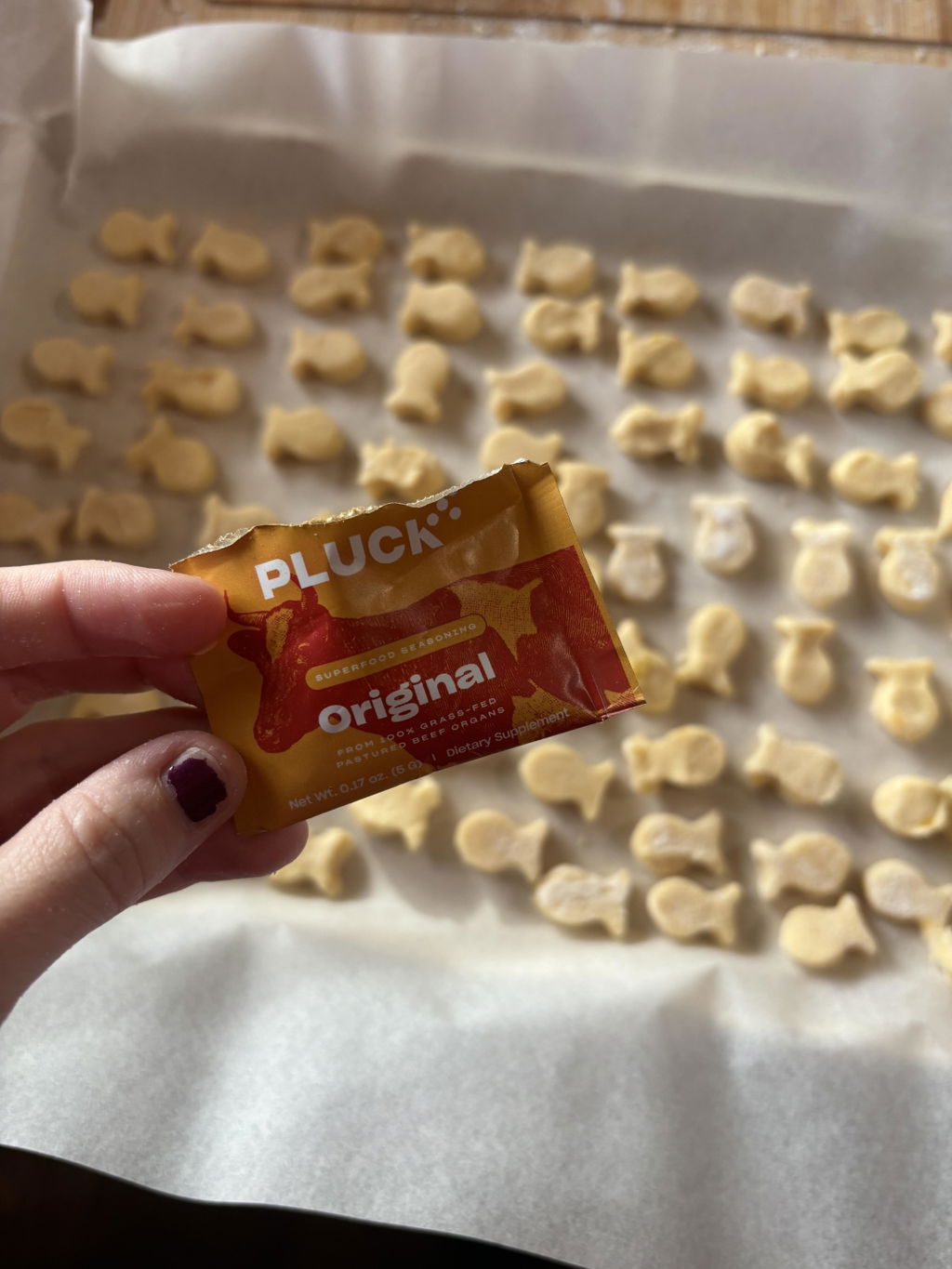
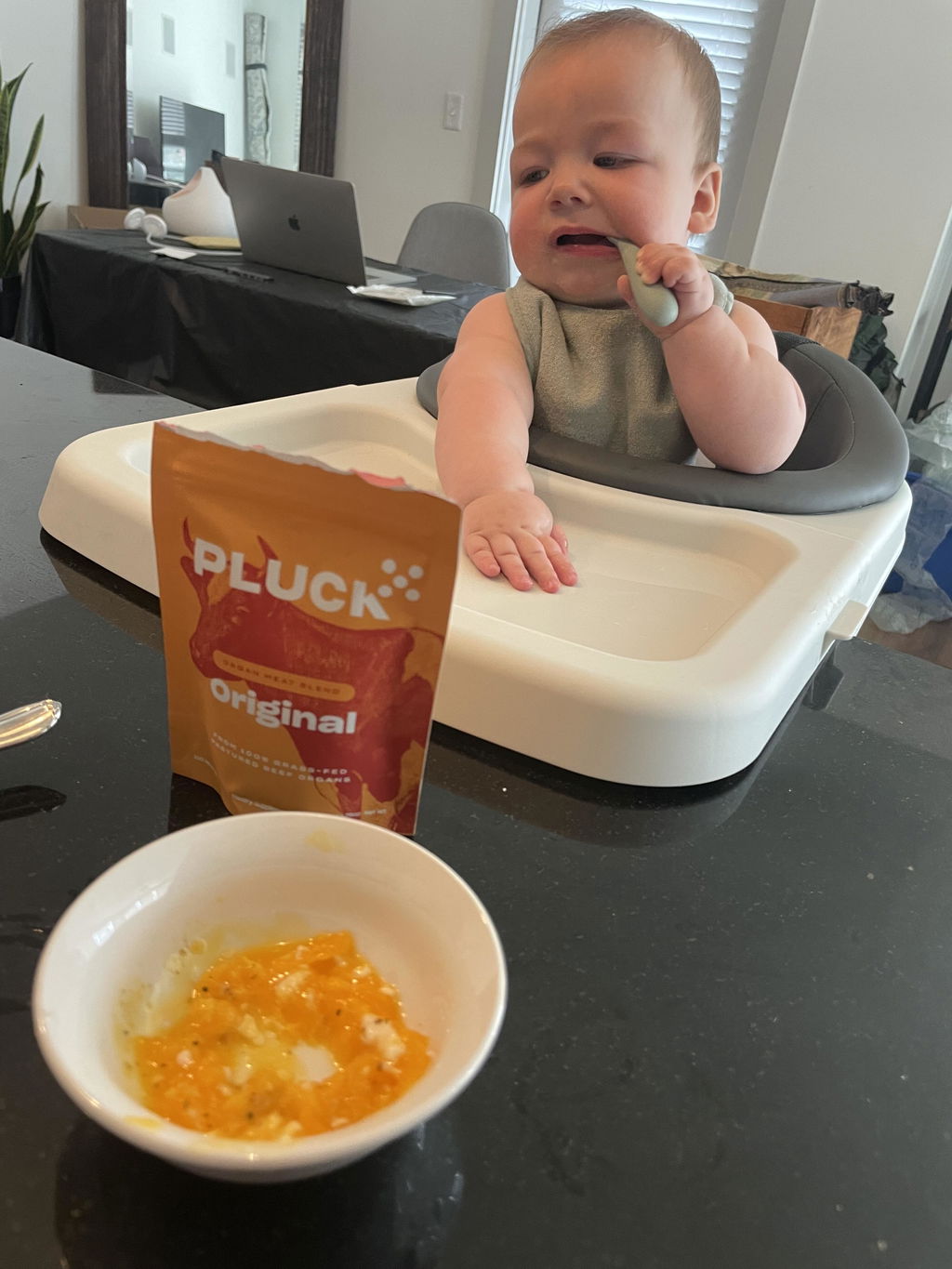
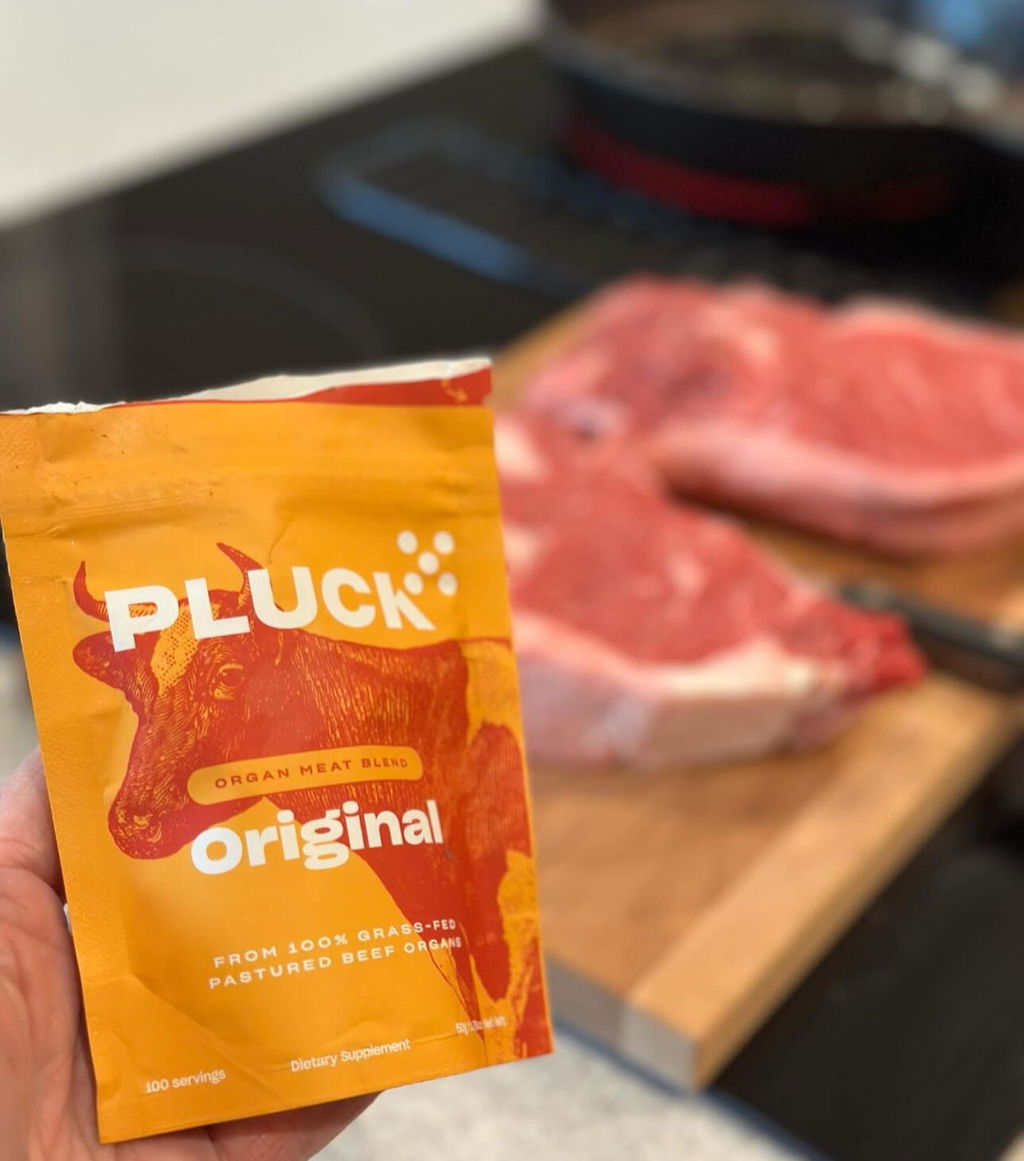
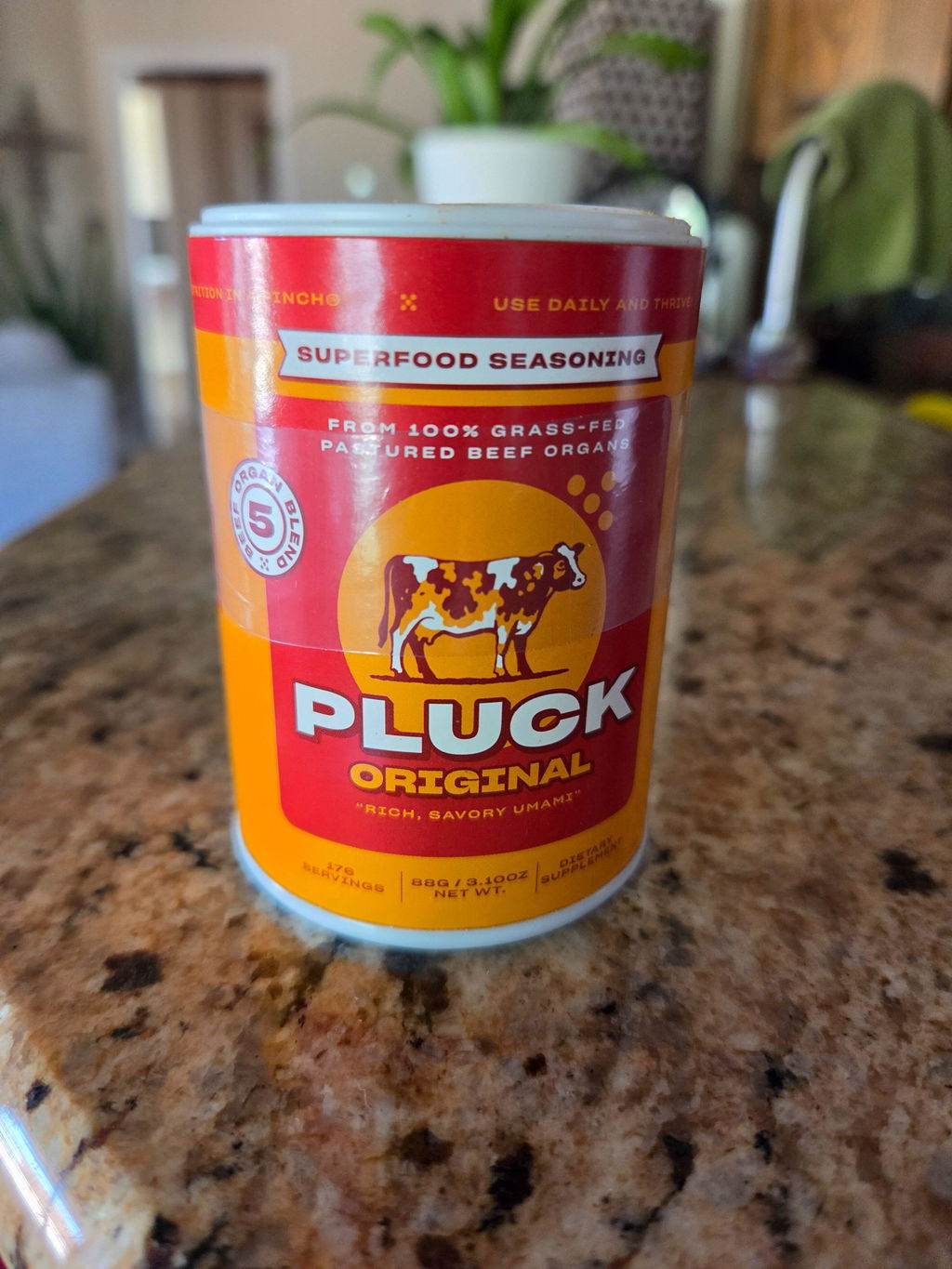
Use Organ Meat Seasonings: If you're looking for an even easier way to incorporate organ meats into your diet, consider using organ meat seasonings. Organ meat seasonings are made from ground, dehydrated organ meats like liver, heart, and kidney, blended with herbs and spices. YOu can sprinkle it onto dishes like eggs, vegetables, soups, or even steak, so you get the benefits of organ meats in a convenient, tasty form. Organ meat seasonings are a simple way to start reaping the energy-boosting rewards of organ meats without significantly changing your meals.
You don’t have to sit and eat a cooked beef liver if you haven’t acquired a taste for it. You can steadily add more organ meats into your diet, supporting your mitochondrial health and fueling your body with the essential nutrients needed for optimal energy production. Whether through traditional dishes, spreads, or innovative seasonings, embracing organ meats can boost your energy levels, which helps you to power through your day feeling good!
Citations:
-
Sproesser, Gudrun, et al. ‘Understanding Traditional and Modern Eating: The TEP10 Framework’. BMC Public Health, vol. 19, no. 1, Springer Science and Business Media LLC, Dec. 2019, p. 1606, https://doi.org/10.1186/s12889-019-7844-4.
-
Cooper, Geoffrey M. Mitochondria. Sinauer Associates, 2000, https://www.ncbi.nlm.nih.gov/books/NBK9896/.
-
Nicolson, Garth L. ‘Mitochondrial Dysfunction and Chronic Disease: Treatment with Natural Supplements’. Integrative Medicine (Encinitas, Calif.), vol. 13, no. 4, Aug. 2014, pp. 35–43, https://www.ncbi.nlm.nih.gov/pubmed/26770107.
-
Biel, Wioletta, et al. ‘Offal Chemical Composition from Veal, Beef, and Lamb Maintained in Organic Production Systems’. Animals: An Open Access Journal from MDPI, vol. 9, no. 8, MDPI AG, July 2019, p. 489, https://doi.org/10.3390/ani9080489.
-
Casanova, Amaloha, et al. ‘Mitochondria: It Is All About Energy’. Frontiers in Physiology, vol. 14, Apr. 2023, p. 1114231, https://doi.org/10.3389/fphys.2023.1114231.
-
Tardy, Anne-Laure, et al. ‘Vitamins and Minerals for Energy, Fatigue, and Cognition: A Narrative Review of the Biochemical and Clinical Evidence’. Nutrients, vol. 12, no. 1, MDPI AG, Jan. 2020, p. 228, https://doi.org/10.3390/nu12010228.
-
Dunning, Belinda J., et al. ‘Selenium and Coenzyme Q10 Improve the Systemic Redox Status While Reducing Cardiovascular Mortality in Elderly Population-Based Individuals’. Free Radical Biology & Medicine, vol. 204, Elsevier BV, Aug. 2023, pp. 207–214, https://doi.org/10.1016/j.freeradbiomed.2023.04.024.
-
Silvestri, Laura, et al. ‘Managing the Dual Nature of Iron to Preserve Health’. International Journal of Molecular Sciences, vol. 24, no. 4, Feb. 2023, https://doi.org/10.3390/ijms24043995.
-
Schenkel, Laila Cigana, and Marica Bakovic. ‘Formation and Regulation of Mitochondrial Membranes’. International Journal of Cell Biology, vol. 2014, Hindawi Limited, Jan. 2014, p. 709828, https://doi.org/10.1155/2014/709828.
-
Tardy, Anne-Laure, et al. ‘Vitamins and Minerals for Energy, Fatigue and Cognition: A Narrative Review of the Biochemical and Clinical Evidence’. Nutrients, vol. 12, no. 1, MDPI AG, Jan. 2020, p. 228, https://doi.org/10.3390/nu12010228.











Leave a comment
All comments are moderated before being published.
This site is protected by hCaptcha and the hCaptcha Privacy Policy and Terms of Service apply.