


 Large Bag
 Travel Pack


Microdosing in nutrition means taking in tiny, steady amounts of a nutrient or food component to encourage real, long-term change in the body. Many people associate the idea with pharmaceuticals or adaptogenic herbs, yet the concept fits perfectly with how the human body operates. Steady, well-rounded nourishment does far more for long-term health than occasional supplement binges or strict diets ever will. Eating small, regular amounts of nutrient-rich food helps the body feel safe and stable, so it can focus on repairing cells, balancing hormones, and keeping metabolism running smoothly. Cells respond not only to nutrient levels but also to the rhythm and predictability of intake.
Large infrequent doses of vitamins or supplements can overwhelm cellular transport systems or result in nutrient competition. The body can only absorb and utilize limited quantities of certain nutrients at a time, such as iron, zinc, or vitamin A, which share transport pathways. When consumed in smaller, more frequent amounts, absorption efficiency improves and nutrient synergy strengthens. The idea of microdosing nutrition is rooted in biological pacing. It matches how ancestral humans naturally consumed nutrients through frequent small meals or bites throughout the day rather than isolated megadoses.[1][2]
How the Body Adapts to Consistency
Human biology changes through steady, repeated exposure. Patterns such as neuroplasticity, metabolic flexibility, and gene expression depend on regular signals from the environment. Small, daily doses of nutrient-dense foods teach the body how to fine-tune absorption, enzyme activity, and detox pathways. Over time, this gradual conditioning builds stronger, more resilient systems that function more efficiently. Just as small doses of exercise build muscle or endurance, small doses of nutrients train the body to operate more efficiently.
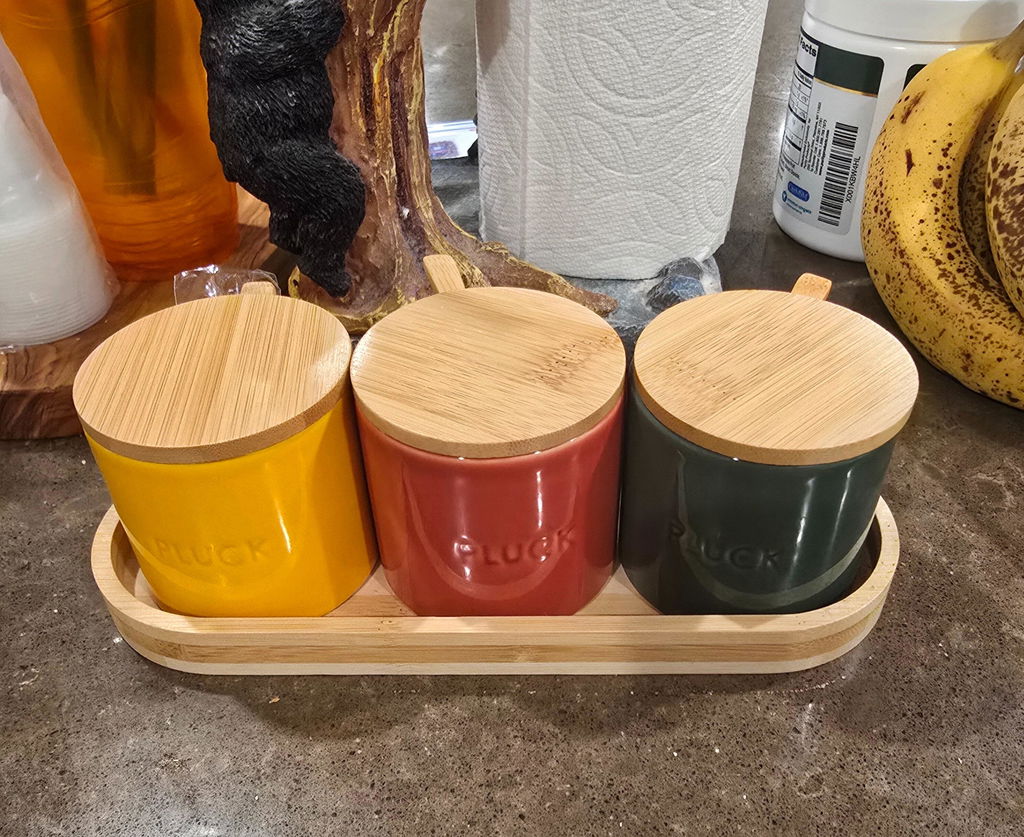
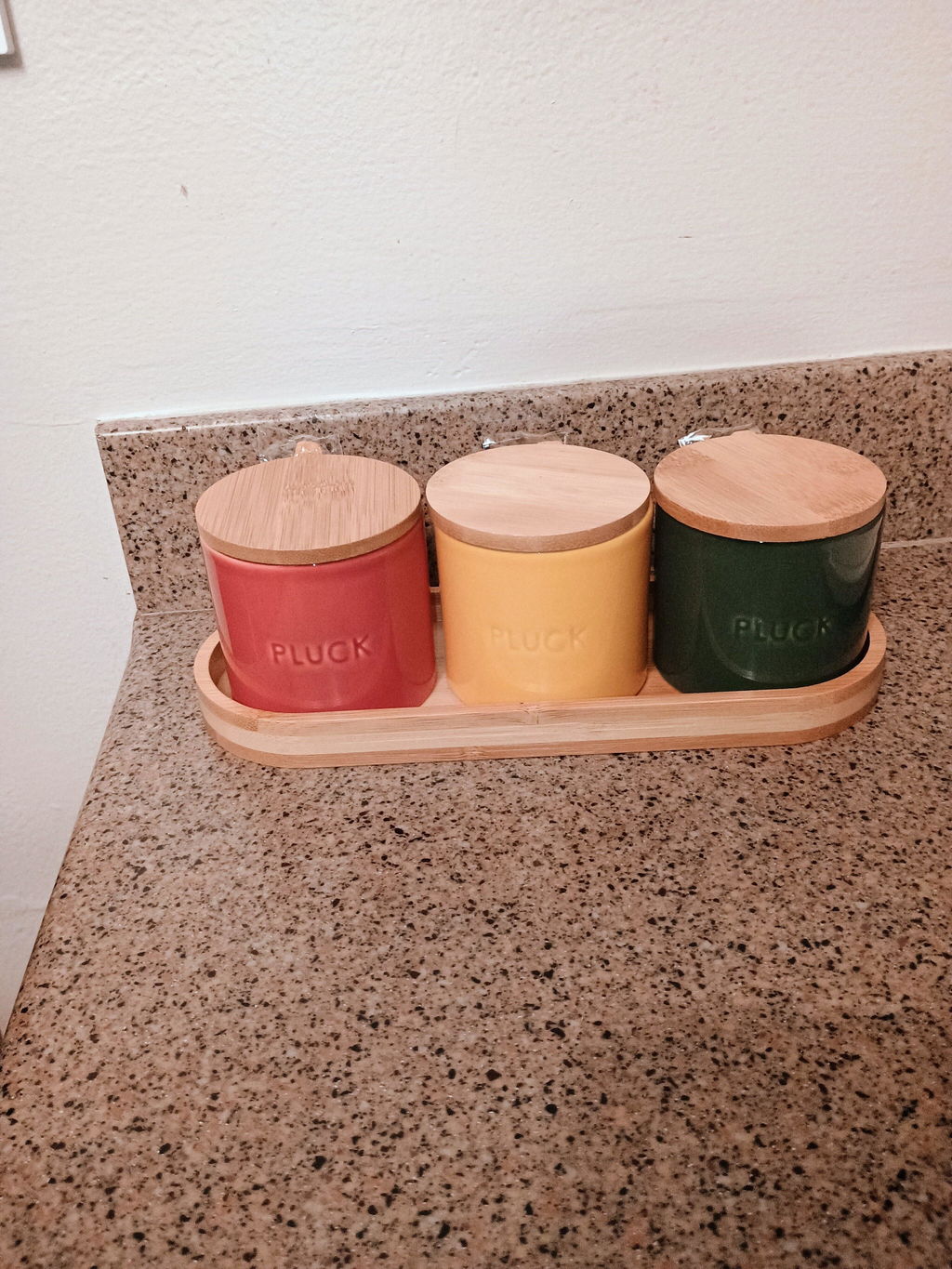
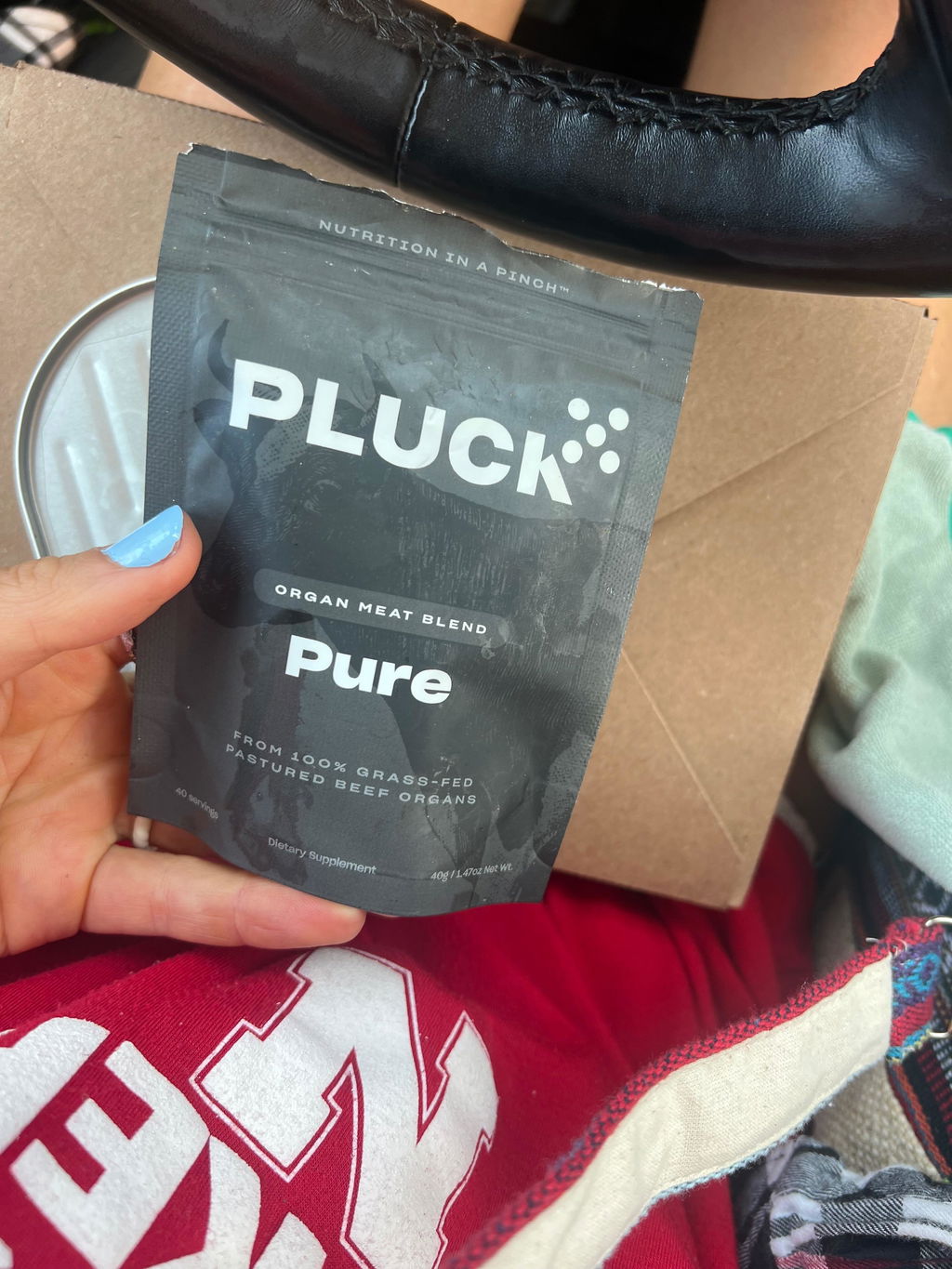
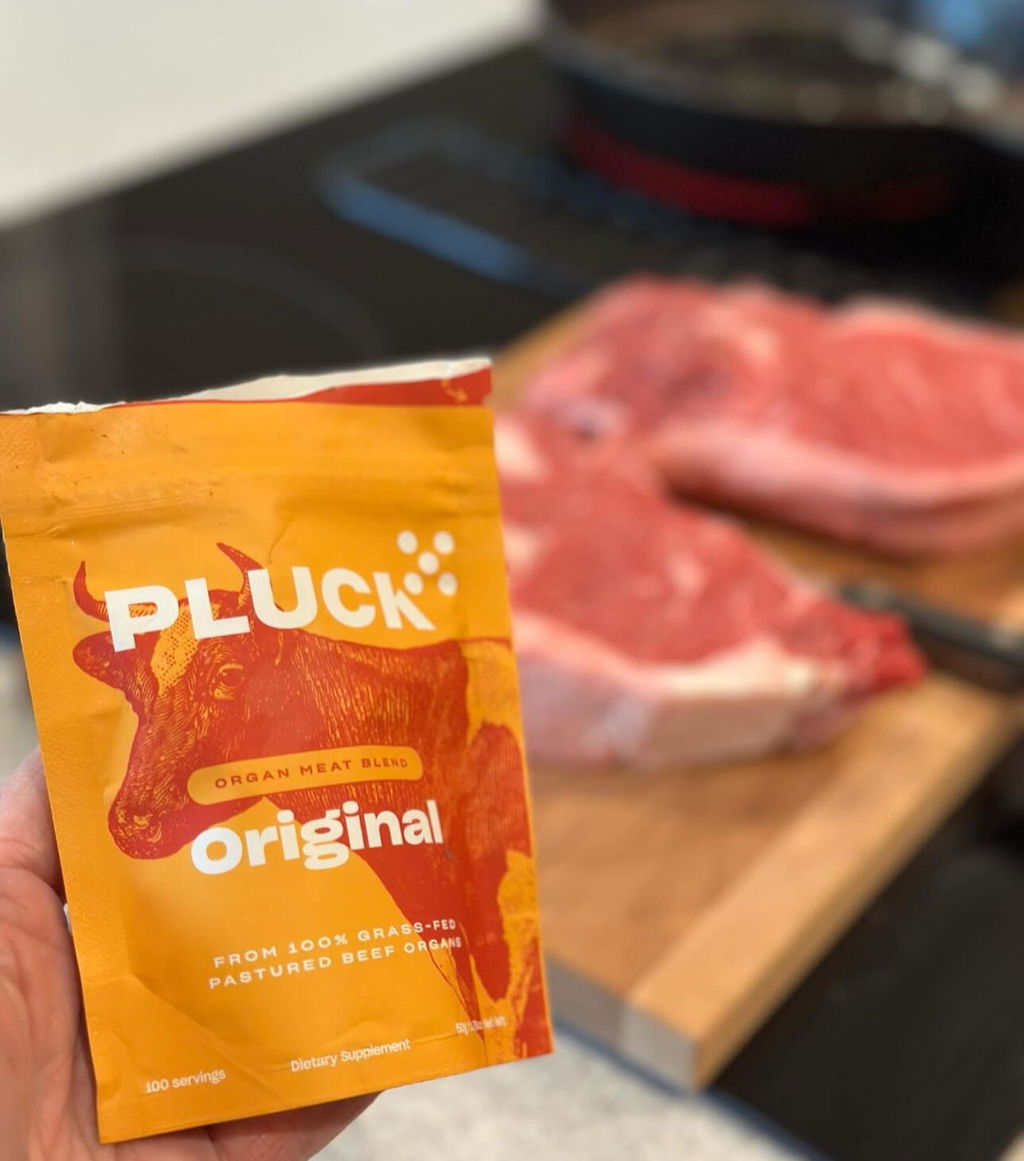
Consistency also affects gut health. The microbiome thrives on predictability, and diverse, nutrient-rich inputs allow beneficial bacteria to flourish. Organ meats supply trace minerals, peptides, and coenzymes that feed gut microbes in ways isolated supplements never can. Using Pluck as a daily seasoning allows small, steady amounts of these powerful compounds to reach the digestive system, helping beneficial microbes thrive and improving nutrient absorption. Over time, gut health strengthens, inflammation eases, and energy levels become more balanced.[3][4]
Organ Meats: Nature’s Perfect Microdose
Organ meats rank among the richest natural sources of vitamins, minerals, and bioactive nutrients. Even tiny portions deliver impressive nourishment. One gram of freeze-dried liver, for instance, can contain more vitamin A and B12 than several servings of traditional muscle meat. Nutrients like zinc, copper, and selenium are available in forms the human body can easily absorb and utilize. These nutrients play essential roles in mitochondrial function, hormone synthesis, detoxification, and immune regulation.
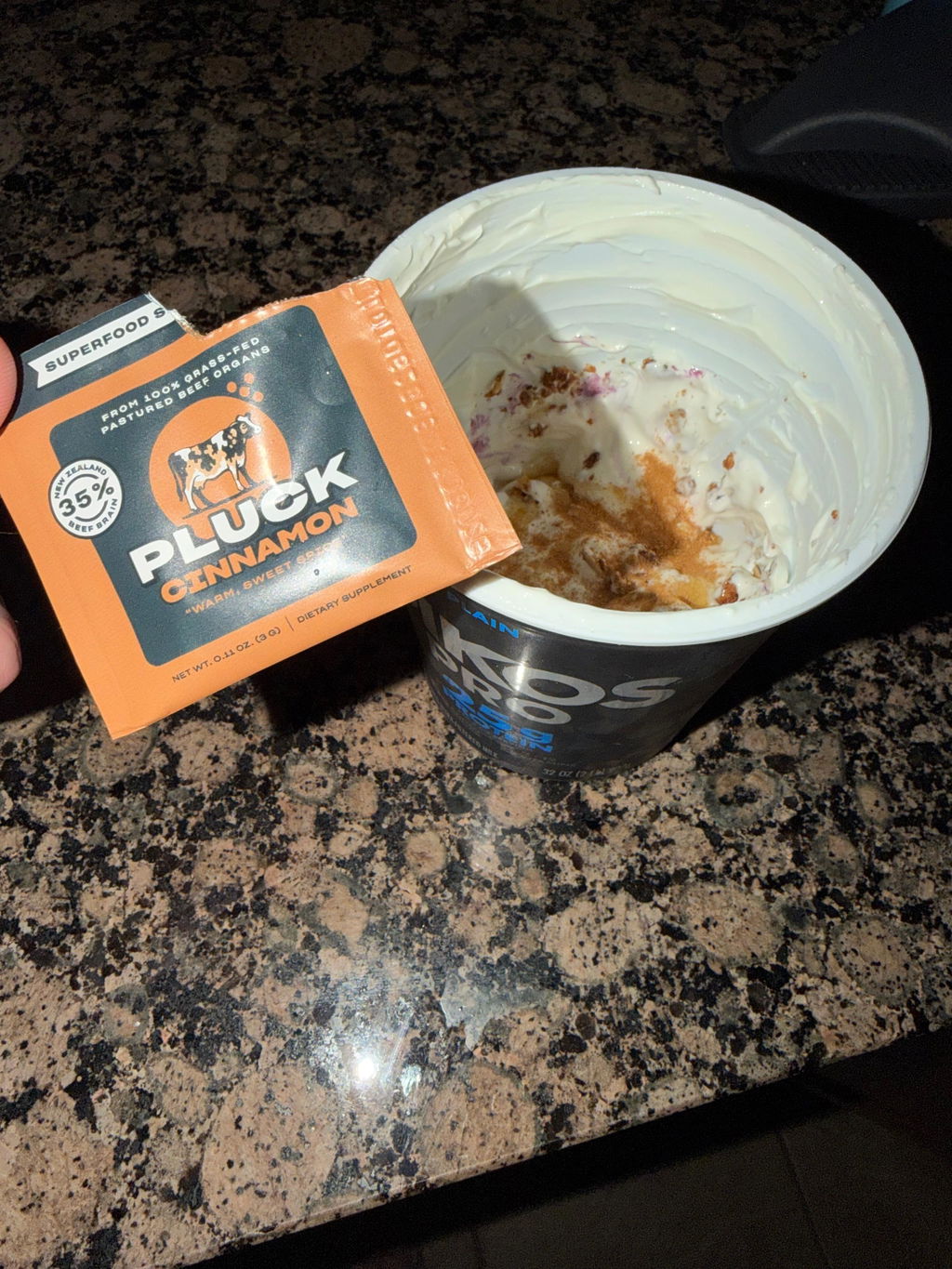
Microdosing organ meats through Pluck provides steady exposure to these nutrients in physiologically appropriate amounts. Vitamin A supports gene expression by regulating transcription factors that control cellular repair and immune signaling. Zinc acts as a cofactor for more than 300 enzymatic reactions, including those involved in neurotransmitter balance and DNA synthesis. Selenium supports the activity of glutathione peroxidase, one of the most important enzymes for antioxidant defense. Each light sprinkle of Pluck adds to a complex web of nourishment that quietly reinforces cellular strength and resilience over time.[5][6][7][8]
Nutrient Synergy and Bioavailability
Synthetic supplements often deliver isolated nutrients in ways that differ from how nature intended. Organ meats, on the other hand, provide vitamins and minerals in perfectly balanced ratios that the body can easily recognize and use. Copper and zinc work in tandem to regulate absorption, while iron and vitamin A partner to enhance red blood cell formation and oxygen delivery throughout the body. When nutrients are consumed together as they exist in nature, bioavailability improves and the risk of imbalance decreases. Microdosing through whole foods like organ meats respects these natural relationships.[9]
Research in nutritional biochemistry has shown that nutrient synergy enhances both absorption and retention. Fat-soluble vitamins like A, D, E, and K require dietary fat for absorption, and Pluck contains trace lipids from the organ tissues that aid this process. Minerals like magnesium, manganese, and phosphorus act as cofactors for the same enzymes, improving mitochondrial energy production. Rather than pushing one system at the expense of another, microdosing with whole food nutrients encourages balance.[10][11]
The Psychology of Small, Sustainable Habits
Behavioral science supports the same principle. Large, overwhelming goals tend to fail because they demand too much cognitive effort and willpower. Micro-habits succeed because they are frictionless. Adding Pluck to meals takes seconds and requires no special planning or preparation. The simplicity of the habit removes barriers and increases adherence, which is the foundation of long-term success. Every sprinkle reinforces the identity of someone who nourishes their body with intention.
Habit formation draws on the brain’s basal ganglia, the area responsible for storing long-term routines. Consistent practice lights up dopamine-based reward pathways, turning the simple act of adding Pluck into something genuinely enjoyable. Over time, those neural circuits grow stronger, and reaching for nutrient-dense food starts to feel natural rather than forced. Microdosing nutrition goes beyond fueling the body, shaping mindset and daily habits in ways that build lasting health and resilience.[12][13]
Small Doses, Profound Effects on Mitochondria
Every cell depends on a steady stream of nutrients for its mitochondria to function properly. Compounds like CoQ10, B vitamins, and trace minerals found in organ meats feed the electron transport chain, the system that creates ATP, our main source of cellular energy. Even slight nutrient deficiencies can disrupt this process, leading to fatigue, mental fog, and a slower metabolism. Frequent, smaller nutrient intakes help maintain the right balance of cofactors, keeping energy production stable and efficient.
Research in nutritional physiology shows that a consistent flow of nutrients strengthens mitochondrial density and boosts antioxidant defenses. Organ meats supply bioactive peptides such as carnosine and taurine, which protect mitochondria from oxidative damage. Incorporating small daily amounts of Pluck provides these compounds in their natural form, supporting steady energy and long-term cellular vitality without putting extra strain on the body’s detox pathways.[14][15]
Building a Lifestyle Around Microdosed Nourishment
Living with a microdosing mindset goes beyond adding nutrients to meals. Small bursts of movement, short moments in the sun, quiet pauses for breath, and simple, nutrient-rich foods all work together to create balance. The idea stays the same; steady, consistent actions shape a stronger, healthier body over time. The body does not require extremes to thrive; it requires rhythm. Integrating Pluck into daily life mirrors the ancestral pattern of constant contact with nutrient-rich foods rather than periodic feasts.
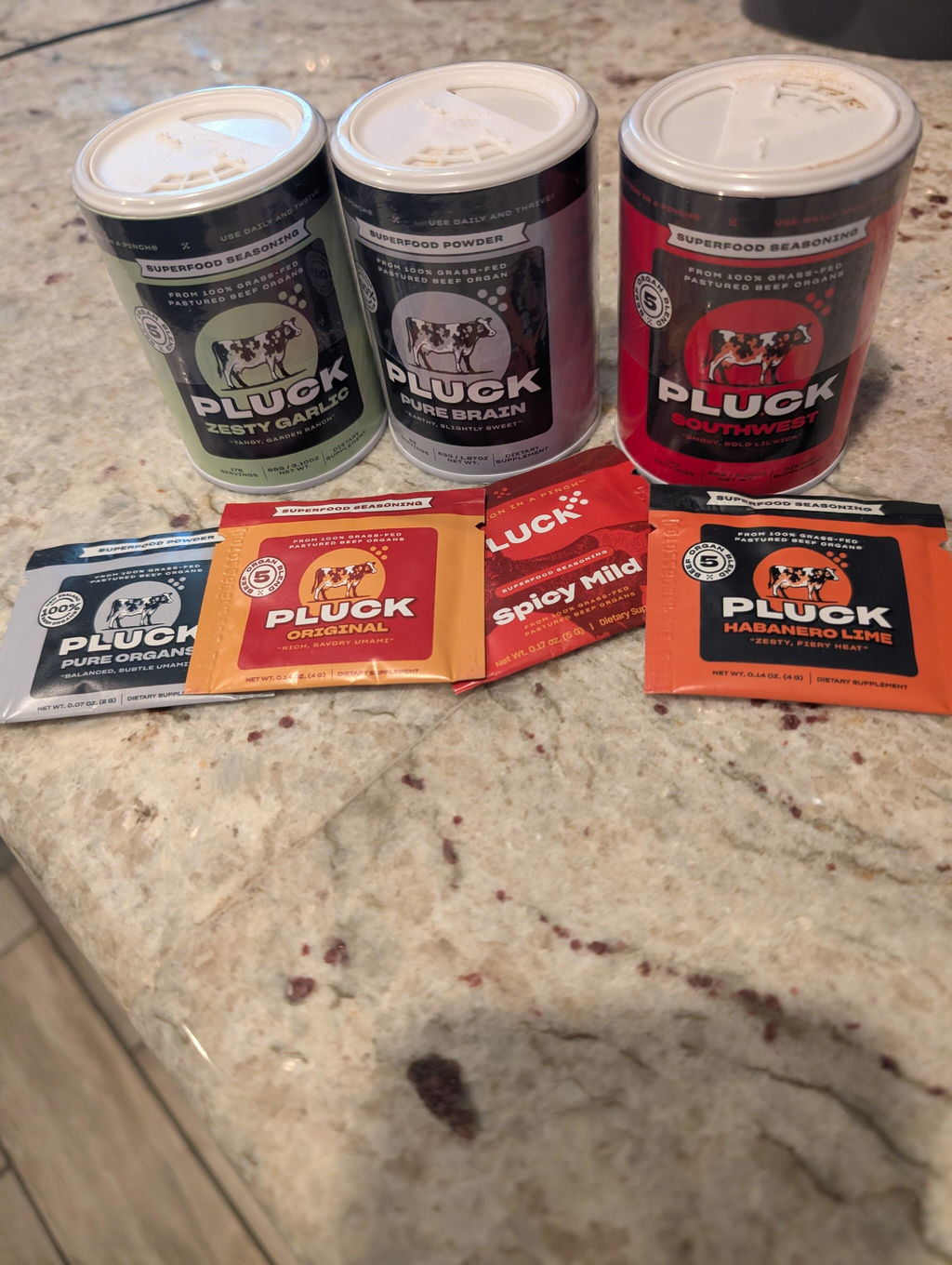
As modern life accelerates, simplicity becomes the most powerful wellness strategy. Using Pluck daily allows people to reconnect with that simplicity. It brings the body back to a natural cadence of nourishment, one that supports resilience and vitality without effort. Every small act compounds, just as water shapes stone through repetition. Microdosing nutrition through Pluck turns eating into a form of gentle, intelligent medicine.
Conclusion: The Science and Spirit of Subtle Consistency
Health unfolds from the repetition of small, intentional acts that nourish the body’s deepest systems. Microdosing Pluck is more than a way to season food; it is a framework for living in alignment with how biology works. The body is rhythmic and cyclical. Hormones rise and fall with the light, the digestive system anticipates mealtimes, and mitochondria depend on steady nutrient flow to create energy efficiently; microdosing honors those rhythms, feeding the body in the same gentle way nature designed.
Over time, small daily exposures to the nutrient richness of organ meats create cellular familiarity. Steady exposure helps the body become more efficient at recognizing and using nutrients. Vitamin A and zinc start fueling enzymes involved in detoxification, collagen building, and neurotransmitter balance. Iron keeps oxygen moving through the body to support energy production, while selenium strengthens antioxidant defenses and supports healthy thyroid function. With steady nourishment, biological systems shift out of crisis mode, leading to balanced hormones, calmer inflammation, and more consistent energy throughout the day.
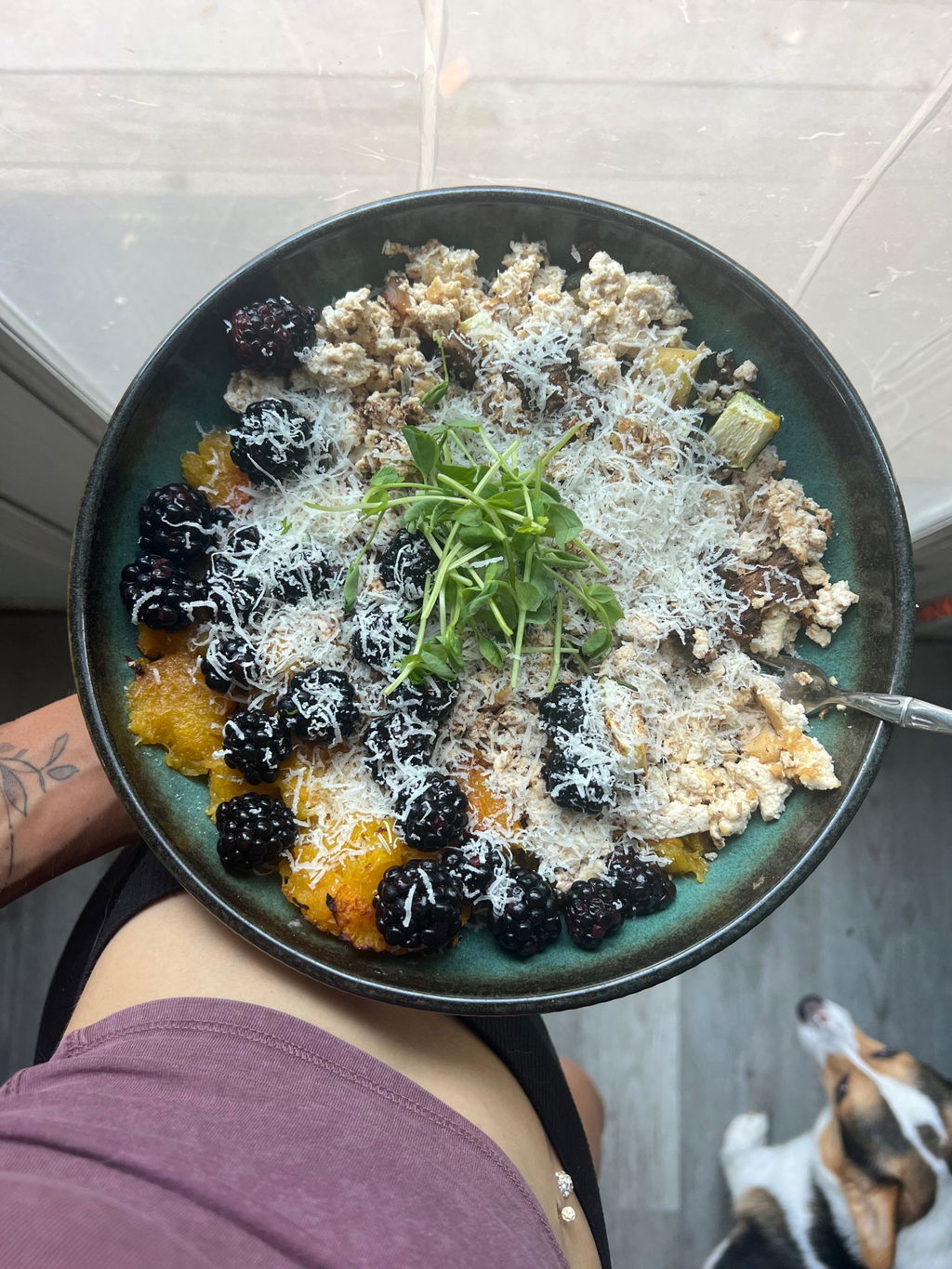
Microdosing also represents a mindset shift in a world obsessed with extremes. Modern health culture often pushes all-or-nothing approaches, yet the biology of healing rarely works that way. Cells develop strength through steady rhythms instead of rapid change. Meaningful progress unfolds slowly through consistency and patience. Adding Pluck to daily meals becomes a calm act of nourishment, a simple practice that supports lasting health without stress or overthinking. Each sprinkle reflects the way people once ate, regularly, intuitively, and in tune with the body’s natural rhythm.
Repetition builds new patterns in the brain, turning good choices into second nature and quieting the mental noise around food. Steady effort matters more than intensity. Over time, the body starts to crave real nourishment, and the mind connects flavor with energy, focus, and true well-being.
True change builds quietly. Small amounts of nutrient-rich seasoning might seem insignificant, yet at the biochemical level they supply the cofactors that power enzyme activity, tissue repair, and consistent energy production. On a behavioral level, the steady ritual supports long-term well-being. Science and daily habit come together to create a natural rhythm of vitality that sustains itself over time. Microdosing Pluck stands as a reminder that the greatest health outcomes rarely come from massive interventions but from small, consistent actions done with awareness and care.
The lesson of microdosing applies far beyond nutrition. It is a philosophy of life that values progress over perfection and patience over urgency. Pluck turns that idea into something you can actually taste, making nourishment feel real and simple again. Health grows out of steady habits, not rigid rules or all-or-nothing effort. Small, regular doses of nutrient-rich food help the body find its balance and give the mind a sense of calm. Life starts to feel easier, more natural, and more connected to the quiet rhythm that nature has always followed.
Citations:
-
Pressman, P., et al. “Bioavailability of micronutrients obtained from supplements: Excluding vitamin C, smaller doses of nutrients do appear to increase the percentage of nutrient absorbed.” Nutrition & Metabolism Insights, vol. 10, 2017.
-
Bogataj Jontez, N., et al. “Does Dietary Supplement Use Increase Micronutrient Intakes above Recommended Levels in Slovenia? Evidence that Vitamin B12 is better absorbed when regularly included in food than from a one-time high-dose.” Nutrients, vol. 16, no. 12, 2024.
-
Corbin, K. D., et al. “Host-Diet-Gut Microbiome Interactions Influence Human Energy Balance in a Controlled Feeding Study with a Randomized Crossover Design.” Nature Communications, vol. 14, 2023.
-
Yang, Q., et al. “Role of Dietary Nutrients in the Modulation of Gut Microbiota.” Nutrients, vol. 12, no. 2, 2020.
-
Latoch, Agnieszka, Dariusz Mirosław Stasiak, and Patryk Siczek. “Edible Offal as a Valuable Source of Nutrients in the Diet—A Review.” Nutrients, vol. 16, no. 11, 2024, article 1609, doi:10.3390/nu16111609. PubMed+1
-
Fuerniss, H. F., C. L. G., and D. R. W. “Nutrient Analysis of Raw United States Beef Offal Items.” Nutrients, vol. 16, no. 18, 2024, article 3104. MDPI
-
Hall, A. G., et al. “The Molecular Basis for Zinc Bioavailability.” Nutrients, vol. 15, no. 9, 2023, PMC, doi:10.3390/nu10095312. PMC
-
Stiles, Lucy I., Kevin Ferrao, and Kosha J. Mehta. “Role of Zinc in Health and Disease.” Clinical and Experimental Medicine, vol. 24, article 38, 2024. SpringerLink
-
ownsend, J. R., et al. “Nutrient synergy: definition, evidence, and future directions.” Frontiers in Nutrition, vol. 10, 2023, article 1279925. Frontiers
-
Schmieder, Hendrik, and Christian Leischner. “Exploring the link between fat-soluble vitamins and aging-associated immune system status: a literature review.” Immunity & Ageing, vol. 22, 2025, article 17. immunityageing.biomedcentral.com
-
Fu, Y., et al. “The physiological role of copper: Dietary sources, bio-availability, and metabolic regulation.” Nutrition Research Reviews, 2025. sciencedirect.com
-
Seger, Carol A., and Brian J. Spiering. “A Critical Review of Habit Learning and the Basal Ganglia.” Frontiers in Systems Neuroscience, vol. 5, article 66, 2011. PMC
-
Doya, Kenji. “Basal Ganglia Circuit Loops, Dopamine and Motivation.” Neuroscience Research, vol. 48, no. 2, 2004, pp. 71-83. PMC+1
-
Casanova, Amaloha, et al. “Mitochondria: It Is All About Energy.” Frontiers in Physiology, vol. 14, 2023. Frontiers
-
Latoch, A., D. M. Stasiak, and P. Siczek. “Edible Offal as a Valuable Source of Nutrients in the Diet—A Review.” Nutrients, vol. 16, no. 11, 2024, article 1609. mdpi.com









1 comment
Matts Colter
Great article! I love seeing more discussions around the therapeutic potential of psychedelics and how research is progressing. With studies from institutions like Johns Hopkins University and Imperial College London showing promising results, it feels like we’re entering a new era of understanding. For those who are interested in learning more about quality standards and responsible sourcing in Europe, I’ve found some helpful information here: https://psychedelicstore-eu.com
Looking forward to more articles like this!
Leave a comment
All comments are moderated before being published.
This site is protected by hCaptcha and the hCaptcha Privacy Policy and Terms of Service apply.