


 Large Bag
 Travel Pack


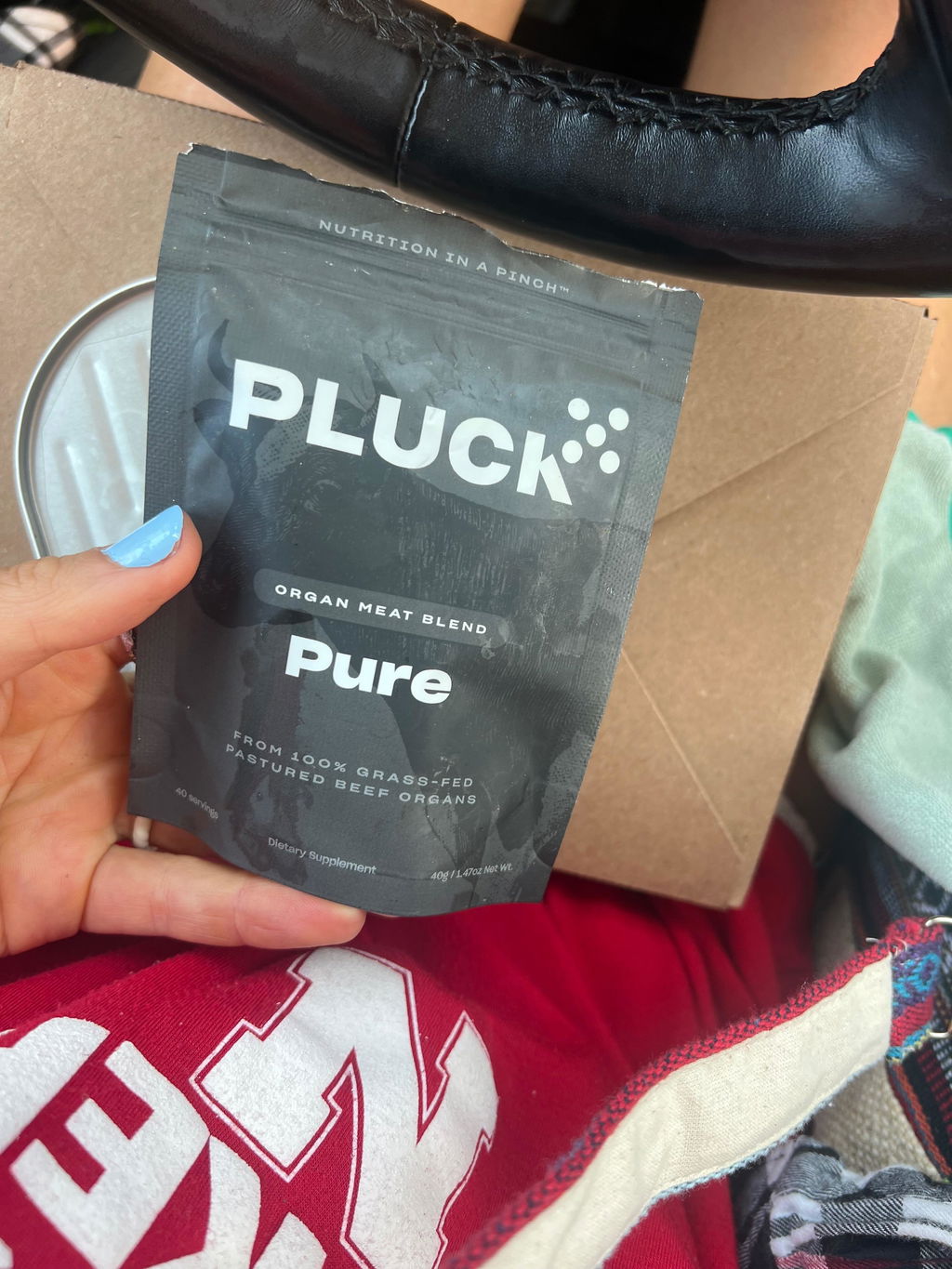
The depths of winter place a heavy demand on the human immune system. Cold air, shorter days, dry indoor heat, circulating seasonal viruses, and reduced nutrient intake all place stress on the body in ways most people never fully recognize. Human physiology has always relied on winter-specific nutrition to maintain defense, yet modern eating patterns rarely match what the immune system expects during these colder months. A traditional winter diet was dense in minerals and fat-soluble nutrients because these compounds supported resilience, repair, and the rapid immune response required for survival. Pluck offers an accessible way to bring many of those ancestral nutrients back into daily eating through microdosed organ meats that deliver minerals in forms the body can easily use.[1]
Minerals are essential to nearly every stage of immune function. The cells responsible for surveillance, response, and repair rely heavily on mineral cofactors to operate effectively. People often think of vitamins when supporting immunity, yet minerals are equally foundational because they regulate signaling pathways, activate antioxidant systems, and help maintain structural integrity within immune cells. A diet that falls short in these minerals leaves the immune system slower, weaker, and less coordinated. Pluck provides concentrated, naturally occurring minerals from real organ meats, which support the body in ways that isolated supplements cannot match. The nutrient density of organ foods reflects the physiology of animals that stored key minerals in their most metabolically active tissues, and Pluck carries that ancestral intelligence into modern kitchens.[2]
Mineral deficiency has become common due to agricultural depletion, processed food consumption, and the popularity of restrictive diets. Soil once carried a richer mineral profile, but decades of conventional farming practices have reduced trace mineral content in many plant foods. Animal organs continue to offer these minerals in meaningful concentrations, which explains why ancestral diets relied on them so heavily. Pluck bridges this nutritional gap with seasoning blends designed for everyday use, allowing people to maintain consistent mineral intake without cooking or tasting whole organs. Winter is an ideal time to strengthen mineral status because immune challenges become more frequent as the season progresses, and the body benefits from steady nutritional reinforcement rather than periodic large doses of isolated nutrients.[3]
Minerals as Immune Activators
Minerals take part in nearly every immunological pathway. Zinc, selenium, copper, iron, magnesium, and manganese all contribute to different aspects of immune response, from cell signaling to antioxidant defense. Zinc remains central to immune cell development, yet its activity is closely tied to copper balance. Insufficient copper can weaken zinc-dependent pathways, which is why whole-food sources that naturally balance these minerals have tremendous value. Organ meats contain zinc and copper in ratios that reflect evolutionary design, and Pluck delivers these minerals in that same balanced format. This difference matters because mineral synergy cannot be fully replicated in synthetic isolated forms.[4]
Selenium plays a crucial role in antioxidant protection, thyroid regulation, and viral defense. Many people remain unaware that selenium-dependent enzymes protect immune cells from oxidative damage during infection. These enzymes cannot function without adequate selenium intake, and selenium absorption depends partly on the food matrix in which it is delivered. Organ meats provide selenium in organic forms that are readily absorbed by the human body. Pluck concentrates these selenium-rich organ foods into a microdosing system that supports resilience during the winter months when immune cells face heavier workloads. Research described in the uploaded PDF explains how minerals serve as cofactors in immune pathways and how deficiencies weaken cellular defenses.[5]
Magnesium also supports immune activity by stabilizing mitochondrial energy production and regulating inflammatory signaling. Chronic stress, low-quality diets, and frequent caffeine use can deplete magnesium stores, and winter stressors only add to that burden. Magnesium influences vitamin D activation, a nutrient most people aim to increase during winter, yet vitamin D pathways depend on adequate magnesium to function effectively. People often increase vitamin D intake without realizing that magnesium deficiency limits its usefulness. Organ meats contain meaningful amounts of magnesium along with other minerals that support vitamin D activation, and Pluck provides these nutrients in a form that promotes natural winter physiology.[6]
The Ancestral Importance of Mineral-Rich Foods
Most traditional cultures treated organ meats as essential foods, especially during colder months when immune demands rose. During winter, hunted animals carried nutrient-dense organs that provided the minerals required for energy production, immune function, and metabolic stability. Muscle meat alone could not supply the broad spectrum of minerals needed for winter survival. People understood this intuitively even without the language we use today to describe nutrients and metabolism. Organ meats kept fatigue at bay, reduced the likelihood of getting sick, and helped people recover more quickly when they did fall ill. These foods also supplied iron in a form the body can use right away, which supported hemoglobin production and helped move oxygen through the bloodstream during cold weather. Improved oxygen delivery meant the body could work more efficiently, and winter conditions rewarded that kind of efficiency. People depended on these foods because they offered exactly what the season demanded.[7]
People today rarely eat these nutrient-dense foods, yet their bodies still rely on the minerals they provide. Pluck offers a simple way to bring those nutrients back without changing everything about the way someone eats. Regular use helps gradually and naturally close mineral gaps. This approach reflects the old pattern of consuming small amounts of nutrient-rich foods often rather than occasionally in large portions. The immune system responds well to steady mineral availability because these nutrients support daily defense rather than once-in-a-while reinforcement. Winter creates higher demands on the immune system, and consistent use of Pluck seasoning helps meet those demands in a way that fits easily into modern routines.[8][9]
Mineral Synergy and Immune Coordination
Immune function operates through tightly coordinated pathways. Minerals serve as cofactors that enable enzymes to activate, communicate, and regulate the immune response. Copper activates enzymes that protect tissues from free radical damage generated during infection. Zinc supports T cell function and gene expression within immune cells. Selenium fuels antioxidant systems that neutralize oxidative stress. Iron supports energy production and oxygen delivery. Magnesium participates in more than three hundred reactions involved in cellular resilience. When even one mineral is missing, immune performance weakens because other pathways must compensate.[10]
Organ meats offer these minerals in ratios that reflect biological harmony. Whole food synergy creates a nutritional environment that allows minerals to activate one another and function more effectively. Synthetic supplements cannot replicate this synergy because isolated nutrients lack the cofactors that enhance bioavailability. Pluck captures the nutritional intelligence of whole organ foods by delivering minerals together in microdosed amounts that mimic traditional eating patterns. People often underestimate the power of small but consistent intake. Microdosing aligns with the way ancestors accessed nutrient-dense foods, and the body responds well to this steady nutritional signal.[11][12]
Winter Immunity and the Role of Minerals
Winter places several unique pressures on the immune system. Cold air dries the nasal passages and throat, which makes it easier for viruses to latch onto respiratory tissues. Indoor heating removes even more moisture from the air, weakening these first lines of defense. Shorter days shift hormonal rhythms, influencing cortisol, melatonin, and the overall coordination of the immune response. People also spend much more time indoors, where germs circulate quickly in shared spaces. These combined stresses create a greater need for the minerals that support the immune system’s most basic tasks. Minerals help immune cells grow, communicate with one another, and repair themselves as they respond to seasonal challenges.
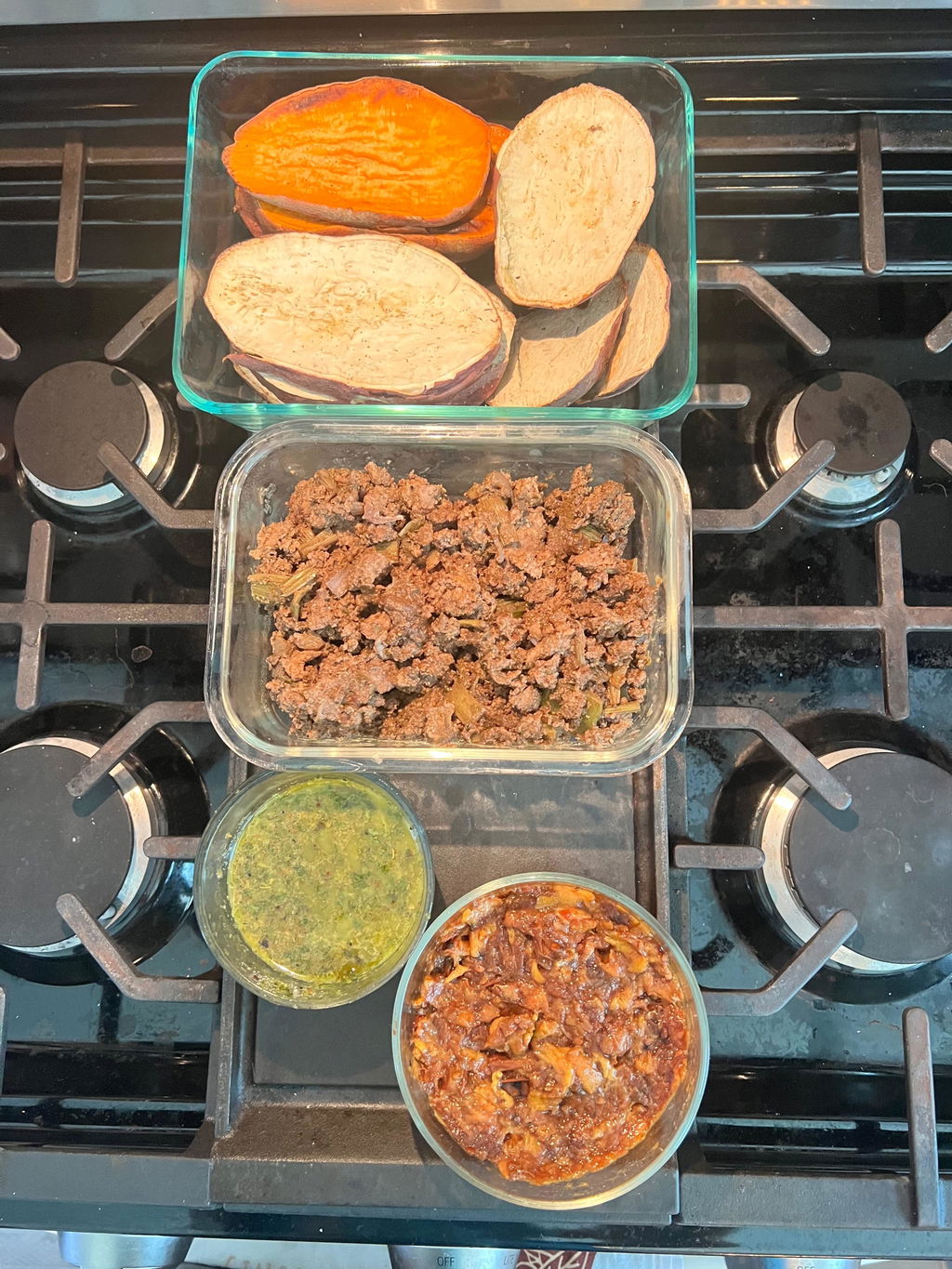
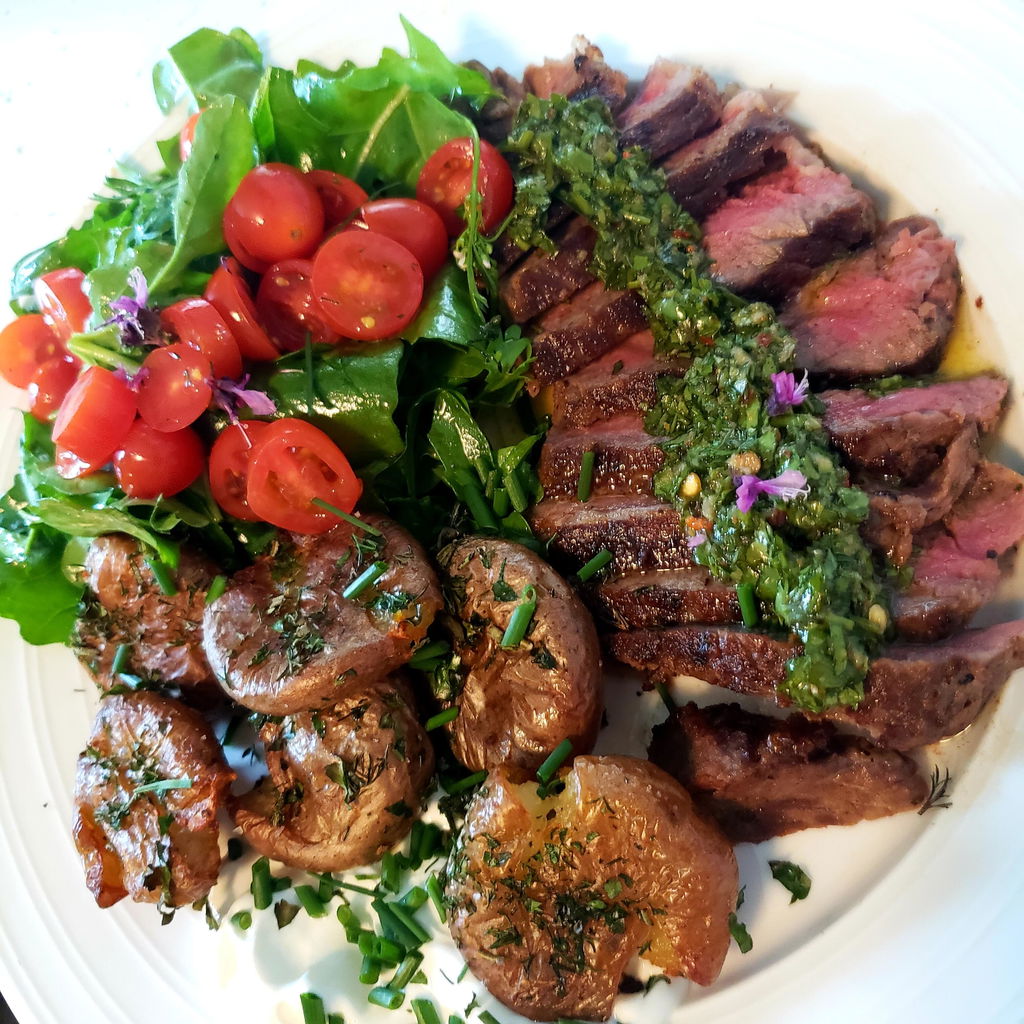
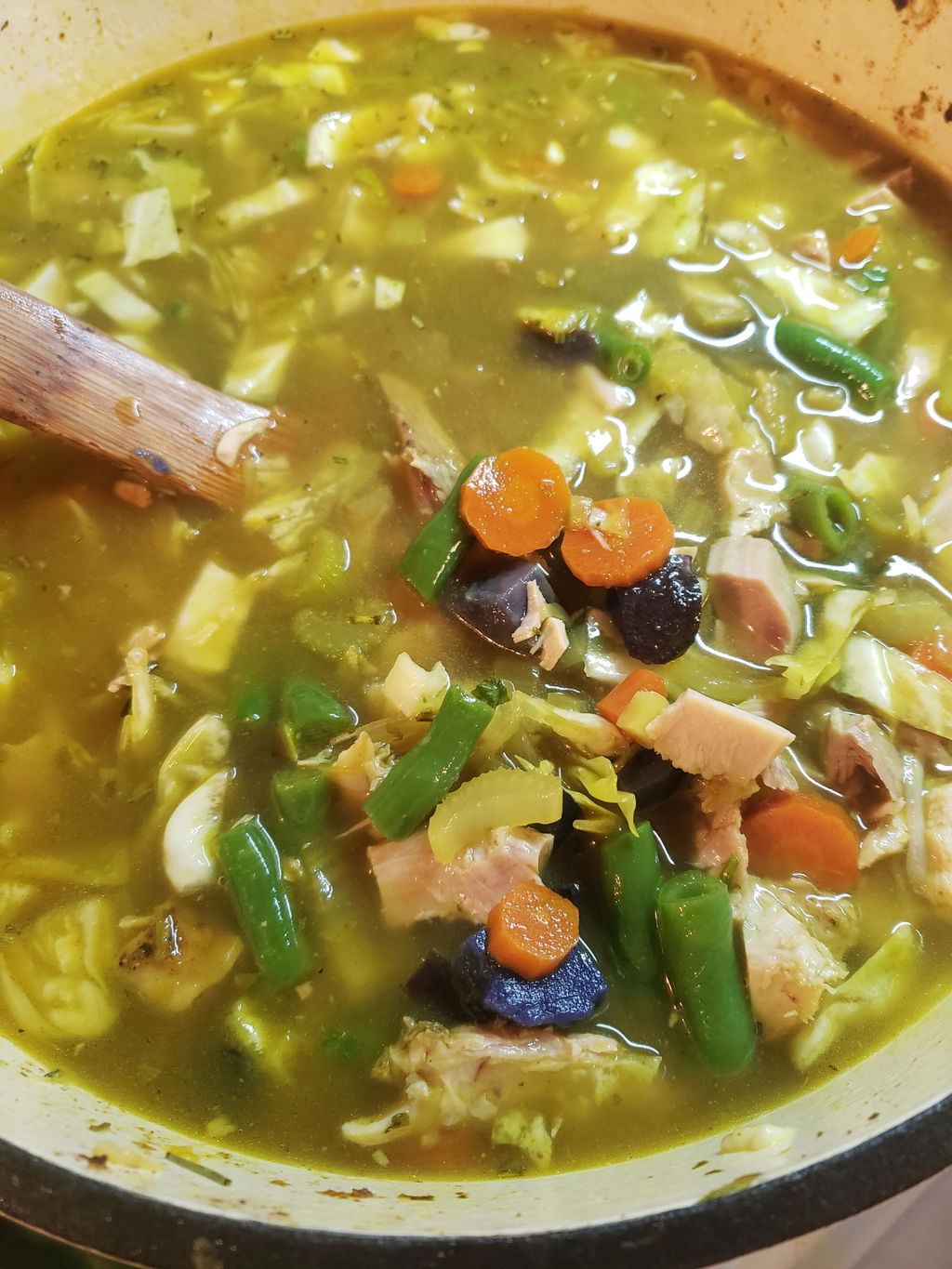
Pluck offers an easy way to keep mineral intake steady throughout the winter months. Adding it to soups, roasted meats, vegetables, or slow-cooked stews adds depth of flavor while increasing the nutrient density of everyday meals. Each serving delivers organ-based minerals that play a direct role in supporting immune function. The blends were designed for regular use, which allows the body to build mineral reserves slowly and consistently over time. Many people notice that this steady approach fits naturally into winter eating patterns and supports overall resilience during the coldest part of the year. Many people find that consistency brings noticeable benefits as the season progresses. Energy becomes steadier, cravings lessen, and immune resilience improves.[13][14][15]
Bioavailability and Why Organ-Based Minerals Work Better
The minerals found in organ meats are packaged within complex biological matrices. Proteins, peptides, lipids, and cofactors support absorption and form mineral compounds that integrate smoothly into human physiology. People often consume mineral supplements that never fully absorb because the form or context is not compatible with the body’s natural transport systems. Organ meats contain heme iron, organic forms of selenium, copper bound to proteins, and zinc within enzymatic structures. These forms are more readily absorbed than many supplemental forms. Pluck maintains this advantage by delivering freeze-dried organ meats that preserve mineral structure and bioavailability.
Winter is a season where bioavailability matters even more. People often experience digestive changes when temperatures drop, and this can reduce the absorption of nutrients from plant foods. Organ-based minerals bypass many of these obstacles because they arrive in ready-to-use forms. The immune system benefits greatly from this direct access.[16]
Trace Minerals and Antioxidant Protection
Immune activation produces oxidative stress as a byproduct of viral or bacterial defense. Trace minerals such as selenium, copper, manganese, and zinc support antioxidant enzymes that protect tissues during this process. Glutathione peroxidase, superoxide dismutase, and catalase all require specific minerals to function. People who lack these minerals often experience longer recovery times because oxidative stress persists longer. Organ meats supply these trace minerals in meaningful amounts, and Pluck captures them in a form suitable for daily consumption.[17]
Antioxidant protection becomes especially important in winter. Dry air irritates respiratory tissues, viral load increases in indoor spaces, and stress often rises due to reduced daylight. Trace minerals help regulate inflammation and prevent excessive tissue damage as the immune system works. Regular intake of Pluck helps maintain the mineral status required for balanced immune activation. A well-supported antioxidant system not only improves defense but also helps maintain energy, clarity, and motivation during the darker months.[18]
Using Pluck to Strengthen Winter Nutrition
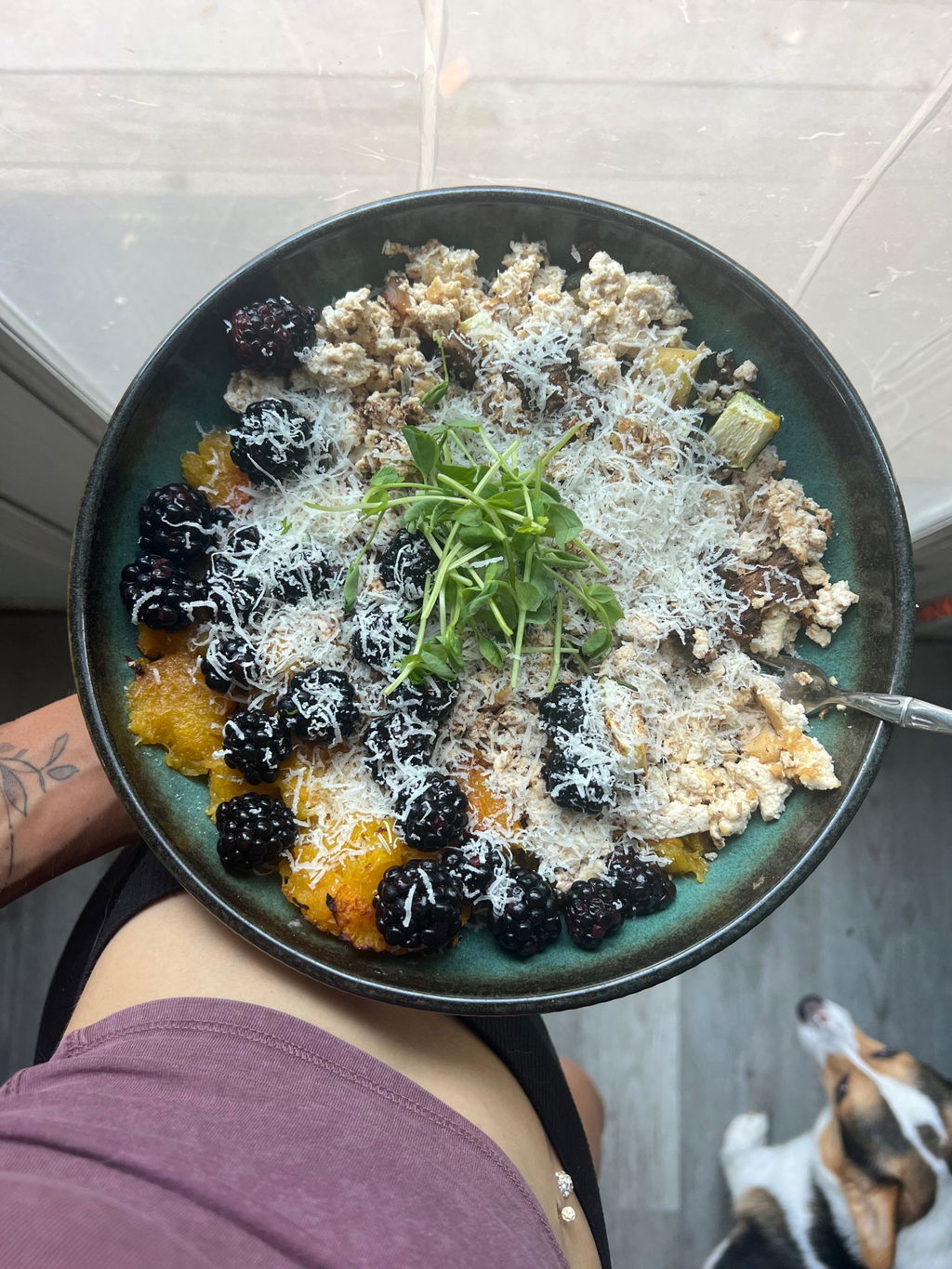
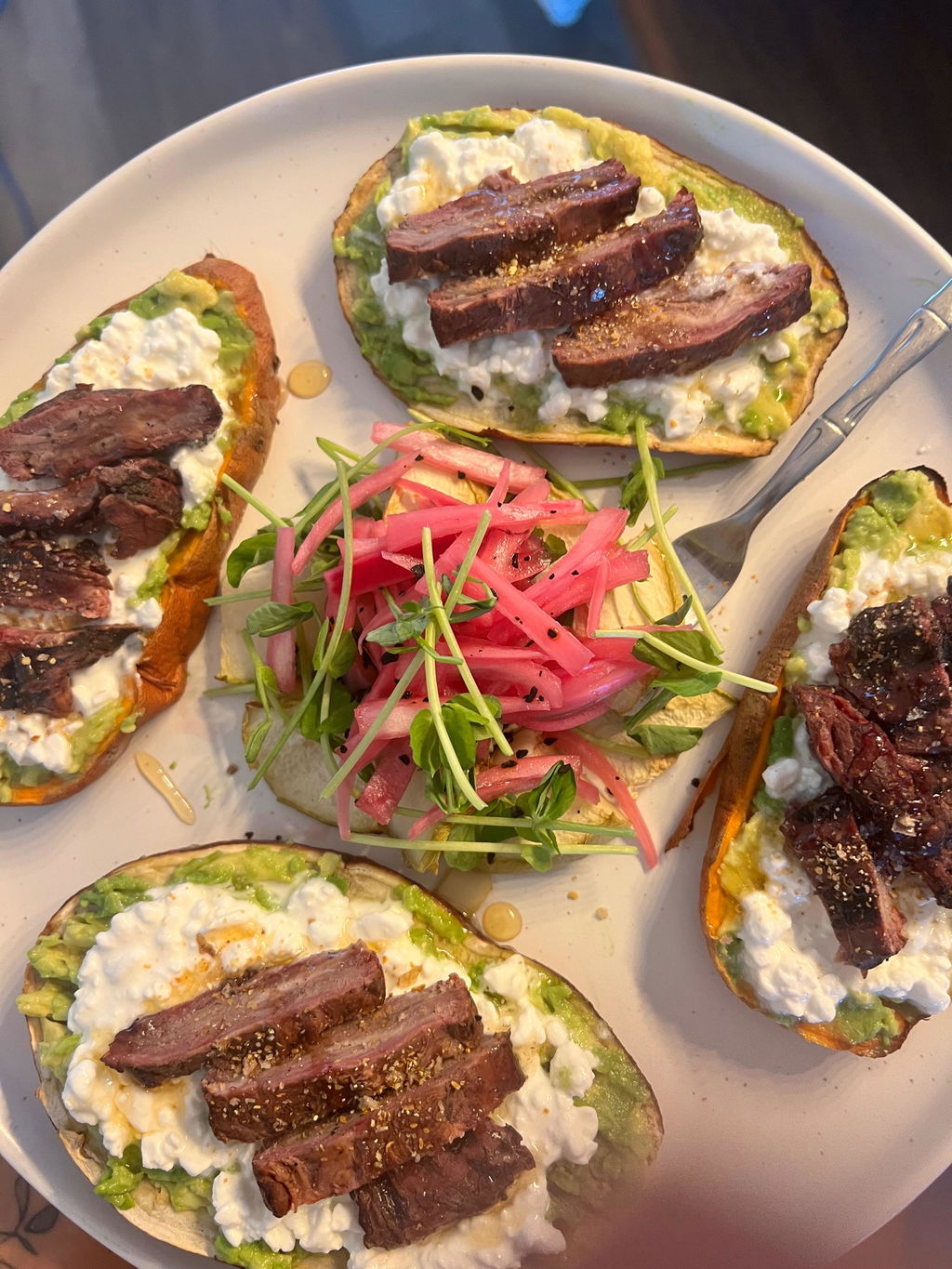
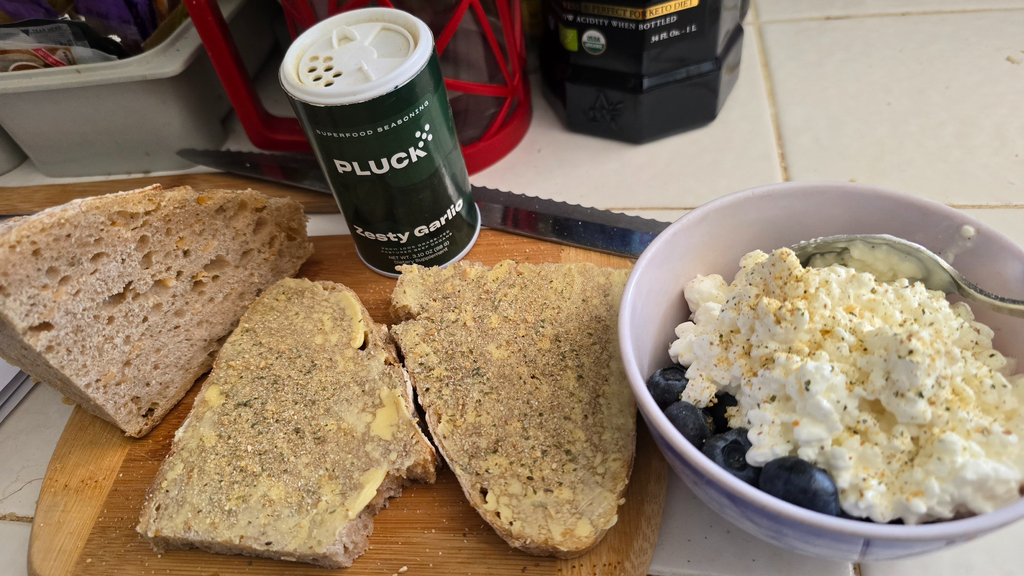
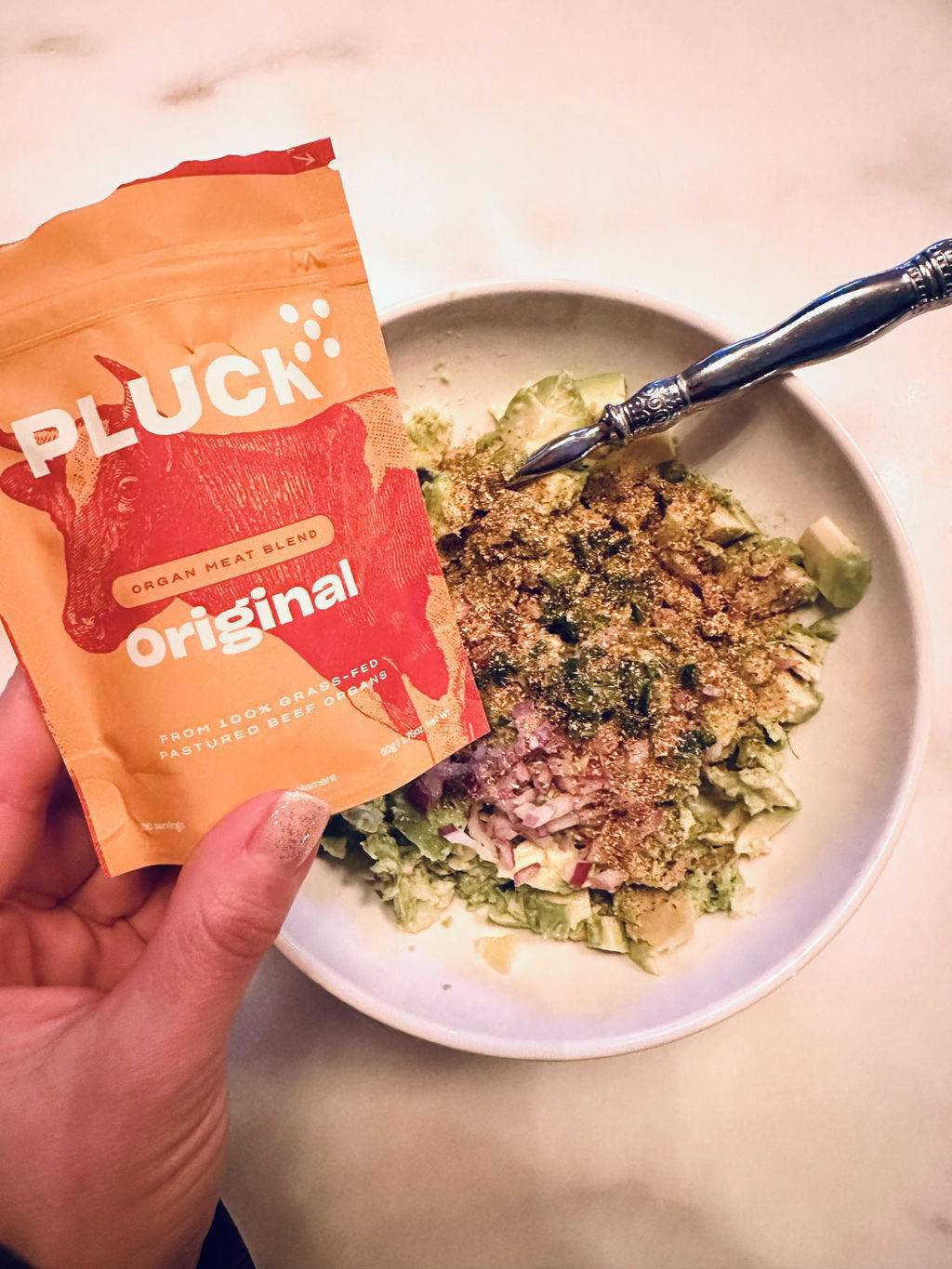
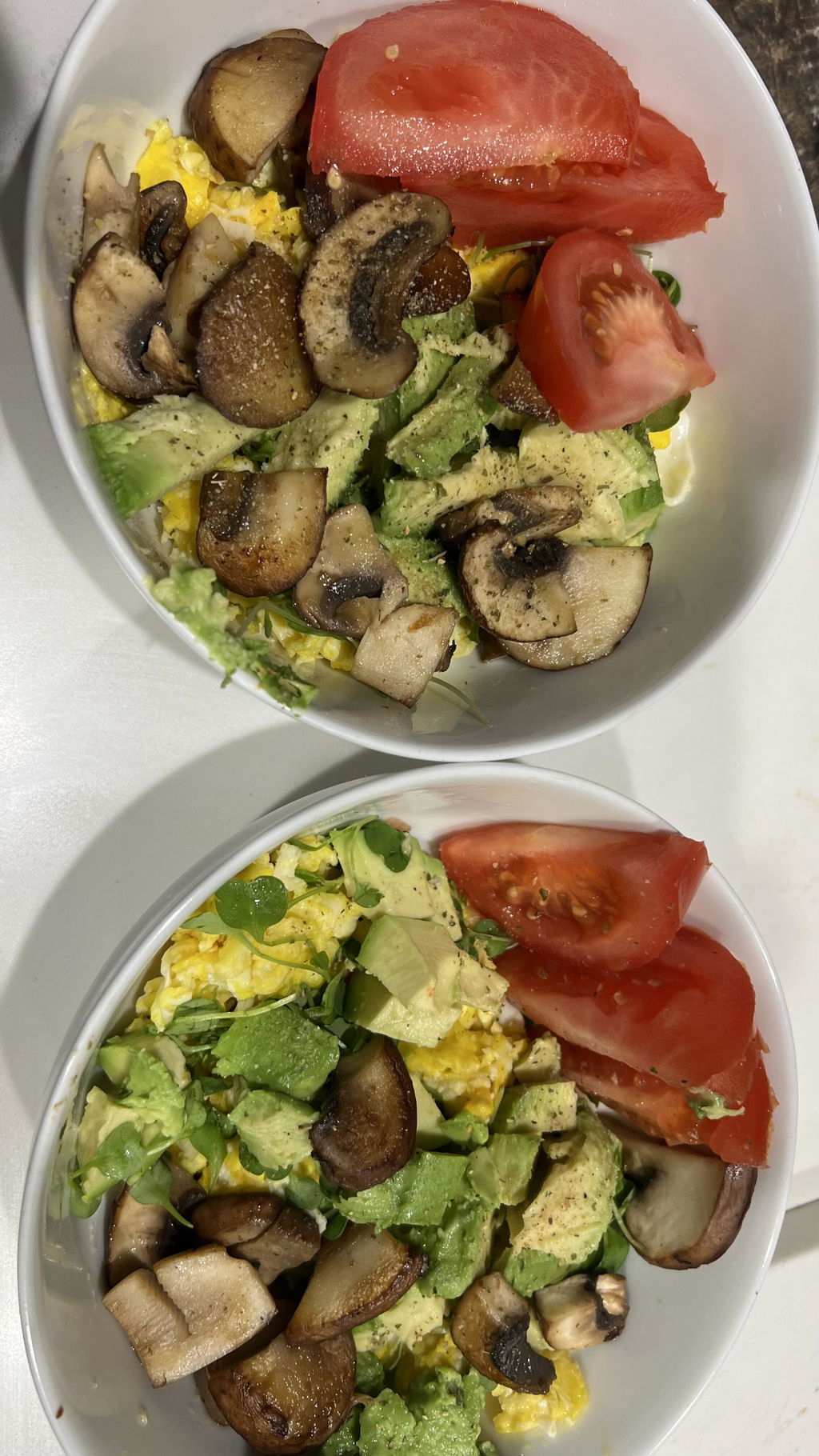
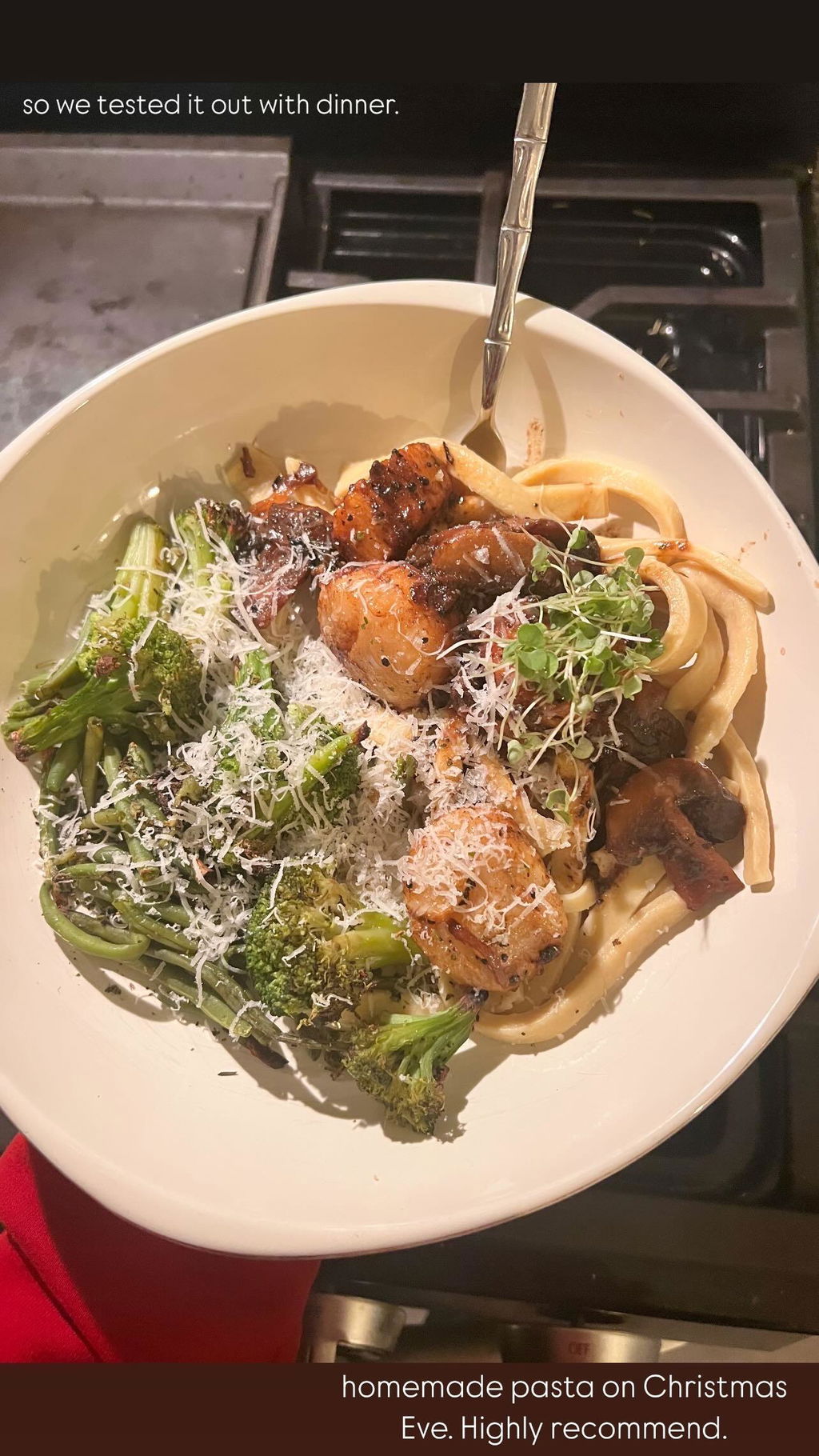
People can integrate Pluck into winter meals without significant effort. Seasoning roasted squash, winter greens, bone broth, soups, or breakfast skillets infuses meals with the mineral density of organ meats. This approach reflects the way people once ate, since organ-rich stews and long-simmered meals were common during the colder months. Modern life does not always leave room for that kind of cooking, which makes Pluck a helpful way to bring those nutrients back into daily meals. It allows simple dishes to carry the same kind of nutrient density that once supported people through winter. Many households find that Pluck blends easily into familiar recipes without requiring extra time or effort.
Daily use provides a steady supply of minerals, which is important because the body relies on continuous access to these nutrients. Occasional intake cannot fully support the mineral-dependent pathways that help the immune system stay responsive. Winter places greater demands on these pathways, and consistent mineral intake allows the body stay better prepared. Pluck offers a practical way to meet these needs while still fitting smoothly into modern routines. Many people notice that winter feels less draining when their mineral intake aligns with the season's needs.
Closing Thoughts
Winter physiology depends on minerals in ways modern diets rarely acknowledge. People living in seasonal climates have always relied on mineral-dense foods to stay resilient through the coldest months. Organ meats supplied the cofactors and structural components required for immune defense, antioxidant protection, and cellular repair. These foods also supported energy, mood, and metabolic stability when the body needed them most. Pluck brings these essential nutrients back into daily eating through a simple, flavorful microdosing system.
Minerals strengthen immune function when the body needs support the most. A well nourished immune system responds faster, repairs more efficiently, and withstands winter stress with greater ease. Pluck offers a practical way to incorporate the mineral-rich organ meats into everyday life, especially as we move deeper into winter. People who rely on Pluck often feel steadier, stronger, and more prepared for the challenges of the season. This pattern reflects the wisdom of ancestral nutrition and the practicality of modern convenience integrated into one powerful tool.[19][20]
Citations:
-
Hennigar, Stephen R., et al. “Minerals and Immune Function: A Review of Evidence Supporting the Roles of Zinc, Iron, Selenium, Magnesium, and Copper.” Current Opinion in Clinical Nutrition and Metabolic Care, vol. 25, no. 6, 2022, pp. 394–402.
-
Smith, Matthew R., et al. “Impact of Modern Agriculture on the Mineral Content of Food Crops: A Review.” Plants, vol. 11, no. 20, 2022, article 2683.
-
Galmés, Silvia, et al. “Current State of Evidence: Influence of Nutritional and Gut Factors on Immunity in the Context of COVID-19.” Nutrients, vol. 14, no. 16, 2022, article 3371.
-
Hennigar, Stephen R., et al. “Minerals and Immune Function: A Review of Evidence Supporting the Roles of Zinc, Iron, Selenium, Magnesium, and Copper.” Current Opinion in Clinical Nutrition and Metabolic Care, vol. 25, no. 6, 2022, pp. 394–402.
-
Smith, Matthew R., et al. “Impact of Modern Agriculture on the Mineral Content of Food Crops: A Review.” Plants, vol. 11, no. 20, 2022, article 2683.
-
Galmés, Silvia, et al. “Current State of Evidence: Influence of Nutritional and Gut Factors on Immunity in the Context of COVID-19.” Nutrients, vol. 14, no. 16, 2022, article 3371.
-
Speth, John D. “Hunting, Protein, and Fat: Archaeological and Anthropological Perspectives.” Journal of Anthropological Research, vol. 77, no. 1, 2021, pp. 7–38.
-
Lombardi, Gabriella, et al. “Iron Nutrition and Absorption: Dietary Sources, Bioavailability, and Health Implications.” Nutrients, vol. 16, no. 3, 2024, article 514.
-
O’Connor, Lauren E., et al. “Nutrient Deficiencies in Modern Diets: A Review of Trace Mineral Intake and Health Consequences.” Advances in Nutrition, vol. 14, no. 5, 2023, pp. 555–573.
-
Wintergerst, E. S., et al. “Contribution of Selected Vitamins and Trace Elements to Immune Function.” British Journal of Nutrition, vol. 98, no. S1, 2007, pp. S29–S35.
-
Hennigar, Stephen R., et al. “Minerals and Immune Function: A Review of Evidence Supporting the Roles of Zinc, Iron, Selenium, Magnesium, and Copper.” Current Opinion in Clinical Nutrition and Metabolic Care, vol. 25, no. 6, 2022, pp. 394–402.
-
Calvo, Maria S., et al. “Nutrient Synergy: Understanding Interactions That Influence Bioavailability.” Advances in Nutrition, vol. 11, no. 2, 2020, pp. 415–429.
-
Eccles, Ronald. “An Explanation for the Seasonality of Acute Upper Respiratory Tract Viral Infections.” Acta Oto-Laryngologica, vol. 122, no. 2, 2002, pp. 183–191.
-
Cohen, Sheldon, et al. “Sleep Habits and Susceptibility to the Common Cold.” Archives of Internal Medicine, vol. 169, no. 1, 2009, pp. 62–67.
-
Hennigar, Stephen R., et al. “Minerals and Immune Function: A Review of Evidence Supporting the Roles of Zinc, Iron, Selenium, Magnesium, and Copper.” Current Opinion in Clinical Nutrition and Metabolic Care, vol. 25, no. 6, 2022, pp. 394–402.
-
Lombardi, Gabriella, et al. “Iron Nutrition and Absorption: Dietary Sources, Bioavailability, and Health Implications.” Nutrients, vol. 16, no. 3, 2024, article 514.
-
Rayman, Margaret P. “Selenium and Human Health.” The Lancet, vol. 379, no. 9822, 2012, pp. 1256–1268.
-
Li, Hui, et al. “Copper, Zinc, and Manganese Status and Immune Function.” Nutrients, vol. 11, no. 2, 2019, article 324.
-
Speth, John D. “Hunting, Protein, and Fat: Archaeological and Anthropological Perspectives.” Journal of Anthropological Research, vol. 77, no. 1, 2021, pp. 7–38.
-
Hennigar, Stephen R., et al. “Minerals and Immune Function: A Review of Evidence Supporting the Roles of Zinc, Iron, Selenium, Magnesium, and Copper.” Current Opinion in Clinical Nutrition and Metabolic Care, vol. 25, no. 6, 2022, pp. 394–402.






Leave a comment
All comments are moderated before being published.
This site is protected by hCaptcha and the hCaptcha Privacy Policy and Terms of Service apply.