


 Large Bag
 Travel Pack


Hidden Opportunities Inside Familiar Foods
Meeting Kids Where They Already Feel Safe
Parents carry this quiet hope of helping their kids eat a little better, all while knowing how quickly a peaceful dinner can fall apart. Changing even one small thing, something an adult barely notices, can feel huge to a child who depends on familiar routines to stay grounded. What was meant to be nourishing ends up creating pushback, and the tension settles over the whole table. Using Pluck becomes a way of easing that pressure. You’re adding real nutrients without asking your child to adjust to anything new. Mac and cheese stays tasting like the mac and cheese they trust. Pasta stays feeling like the pasta they know. Everything stays familiar, and the comfort stays intact.The difference happens inside the food rather than around it.
Children rely on predictable flavors to feel anchored. Their nervous systems interpret safety through routine, and food often becomes part of that routine. Parents often feel an unspoken pressure to improve their kids’ nutrition, yet they also know how quickly mealtime can unravel when something feels off on the plate. Small changes that seem harmless to an adult can feel huge to a child who depends on familiar routines and predictable flavors. What was meant to be a nourishing moment can shift into tension the second a dish looks or tastes different. Instead of feeling calm and connected around food, families often find themselves in a quiet battle of wills that nobody wanted in the first place.. Pluck gives parents a gentler option by strengthening nutrition without touching the comfort foods kids rely on. Mac and cheese still tastes like the mac and cheese they expect. The upgrade happens quietly, allowing nutrition to expand while comfort remains intact.[1][2]
Pluck transforms ordinary meals into subtle sources of micronutrients, amino acids, and minerals in a way that feels effortless. The flavor deepens, yet the food remains familiar enough for even the most selective eater. Nothing is being taken away, nothing is being disguised, and nothing is interrupting the rhythm that helps children feel steady. This way of feeding respects what a child needs to feel safe while giving parents a sense of confidence that they are truly nourishing their kids.
The Gentle Art of Nutrient Microdosing
How Small Additions Create Big Shifts
Many parents assume that feeding their kids better means overhauling the whole meal, when children usually adapt more easily to tiny, consistent additions. Pluck brings organ meat nutrients in a way that doesn’t overwhelm taste buds or throw off a child’s sense of comfort. Each sprinkle offers iron, zinc, copper, selenium, and amino acids in ratios the body immediately understands and uses..These micronutrients support growth, cognitive development, immune strength, and metabolic balance without asking a child to try new textures or unfamiliar tastes. [3]
Children tend to do best when changes come gently. Their bodies respond to repetition, not sudden shifts. A simple sprinkle becomes an easy, steady way to support their long-term health. Over time, parents often notice more balanced appetites, steadier moods, and smoother energy throughout the day. Their child gets the nutrients they need, and mealtime stays relaxed because nothing “new” is being pushed. Nutrition becomes something shared, not something imposed. [4]
Pluck works like a bridge between comfort and nourishment. Instead of introducing flavors that feel foreign, it slips essential nutrients into foods children already trust. This helps keep mealtimes calm and predictable. Healthy eating becomes part of the routine rather than something a child has to brace for.
Safety, Trust, and the Psychology of Eating
Why Children Protect Their “Safe Foods”
Children often cling to certain meals because those foods feel steady in a world that is constantly asking them to adapt. Each day brings new challenges, and familiar foods help anchor them through that process. When adults change those meals too quickly, kids may read it as a loss of security rather than a simple attempt to improve nutrition. Pluck works with that emotional reality by adding nutrients without reshaping the meals children already feel safe with. [5]
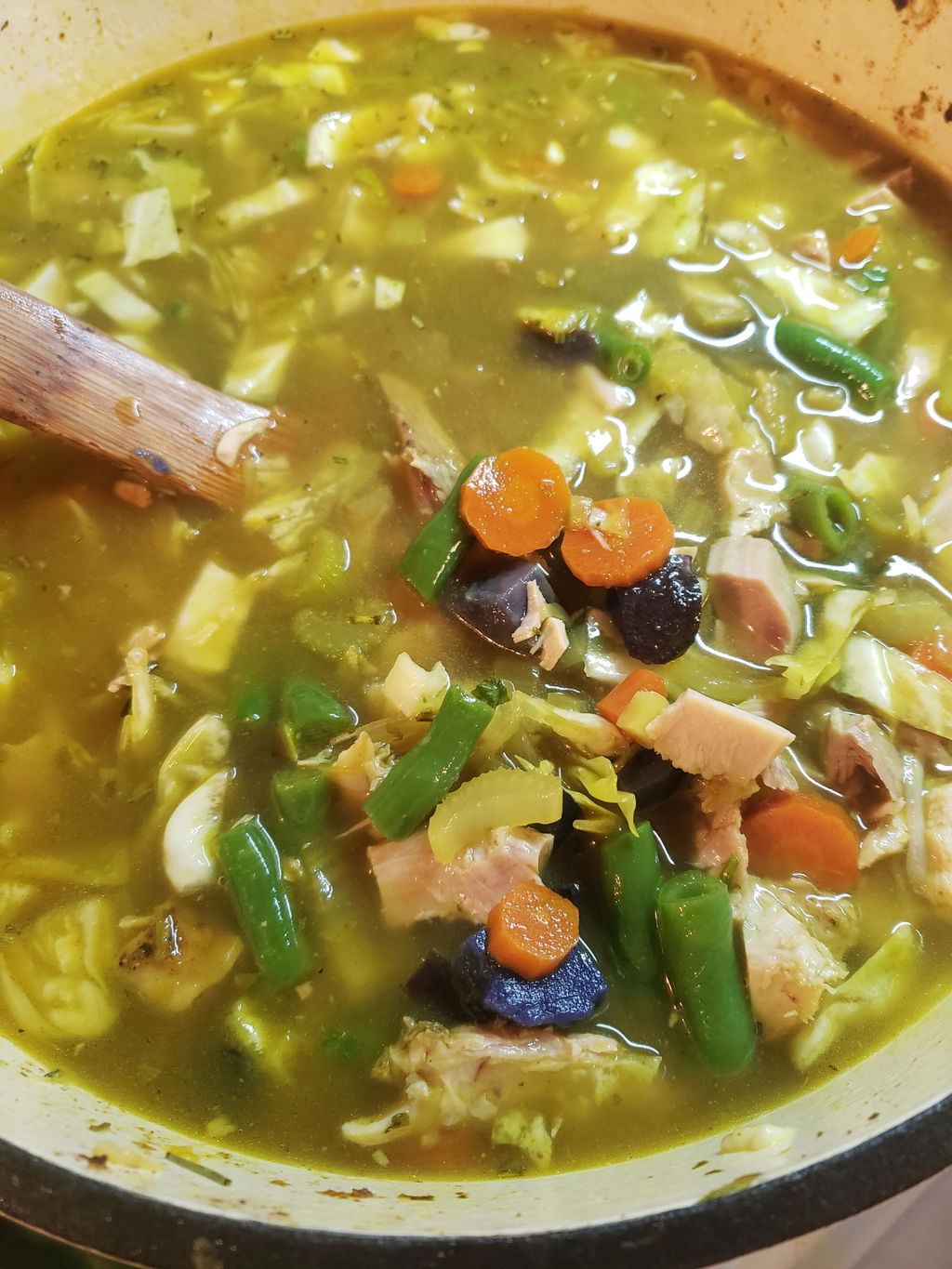
Mac and cheese stays creamy. Noodles stay soft. A favorite soup tastes exactly the way they expect. The child gets the comfort they rely on, along with nutrients that support brain development, immune health, and steady growth. This fits the way children naturally learn—they take small steps outward only when they feel grounded. Pluck helps strengthen that foundation rather than pull it away. [6]
Parents often feel they need to introduce a whole new menu just to improve their child’s nutrition, and that pressure can quickly turn dinner into a battle. Pluck removes that stress. Nutrition blends into the food instead of becoming another point of conflict. This helps protect the relationship at the table and reframes healthy eating as connection, not confrontation. [7]
Raising Nutrient-Confident Kids
How Flavor and Familiarity Prepare Children for Future Foods
Children who experience nutrient density in safe contexts become more open to new foods over time. When Pluck enriches meals they already enjoy, their bodies begin recognizing the benefits of those nutrients. The brain receives better signals, energy becomes more stable, and mood becomes more regulated. These internal shifts create a foundation for curiosity. Many parents notice that after consistent exposure to Pluck, children become more willing to explore new flavors because their nutritional baseline has improved.
Food confidence grows slowly and quietly. Children need to feel successful before they feel adventurous—small exposures to nutrient-rich seasoning support that sense of success. A child who feels nourished is more grounded, more resilient, and more comfortable trying something unfamiliar. Pluck does not replace food exploration. Instead, it prepares the body and the palate for it.
This approach mirrors how families once ate. Nutrient density arrived through everyday meals, not through dramatic changes or forced variety. Children learned to appreciate flavor through repetition and gentle exposure. Pluck restores that rhythm in a modern context by using organ meats in a way that is approachable, subtle, and supportive for families of all stages.
A Pathway of Nourishment Without Resistance
Where Pluck Fits into a Modern Family’s Table
Families today navigate long schedules, sensory sensitivities, increasing food marketing, and the pressures of modern nutrition culture. Many parents want to support their children’s health but feel overwhelmed by conflicting advice. Pluck provides a simple entry point. It works within the meals families already cook and honors the emotional reality of childhood eating patterns.
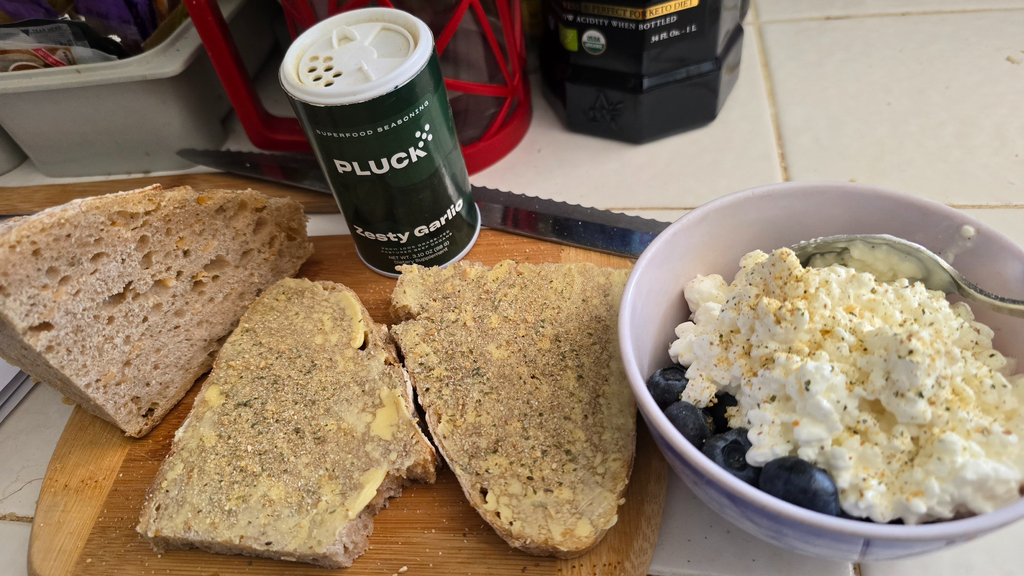
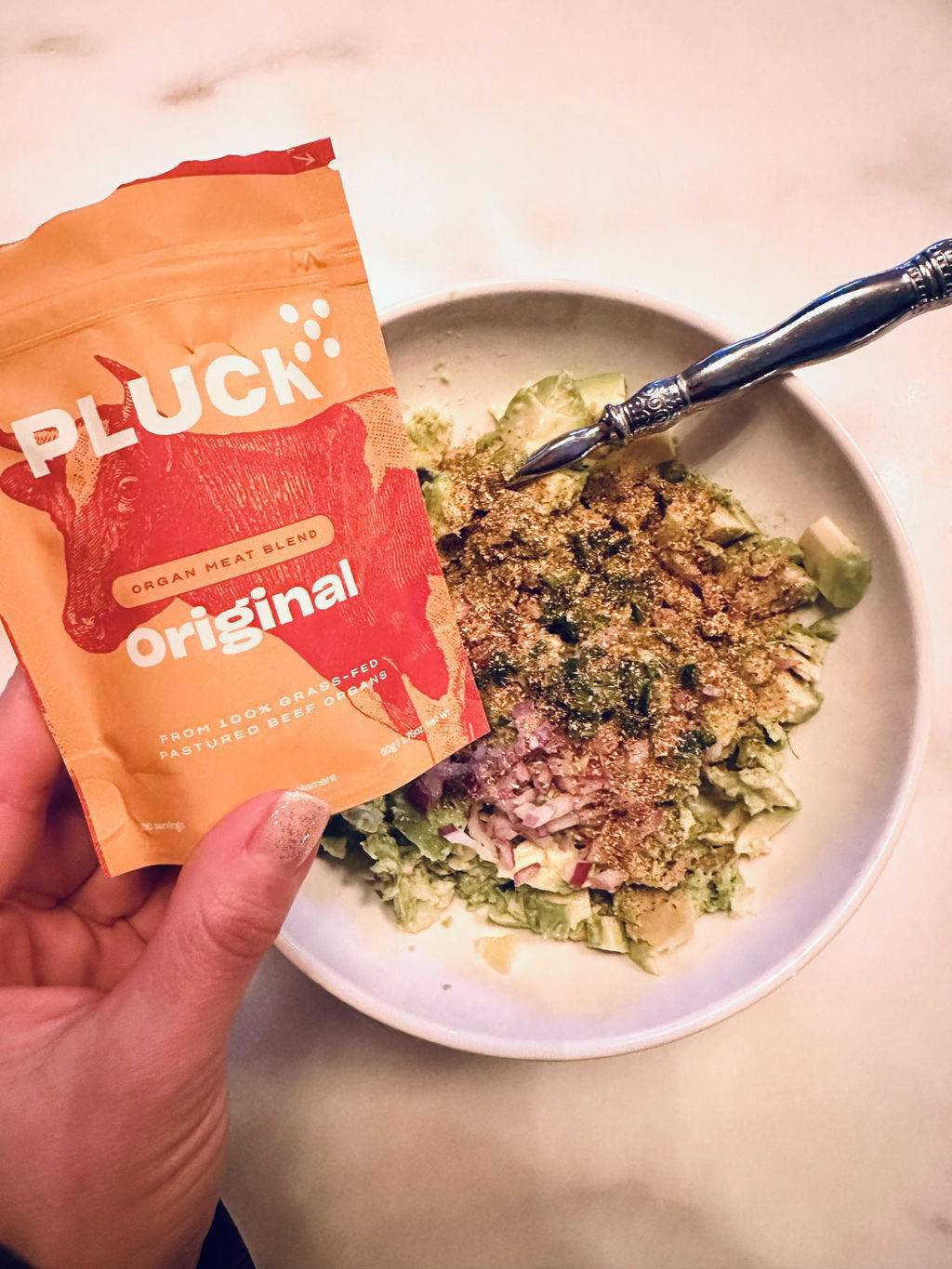
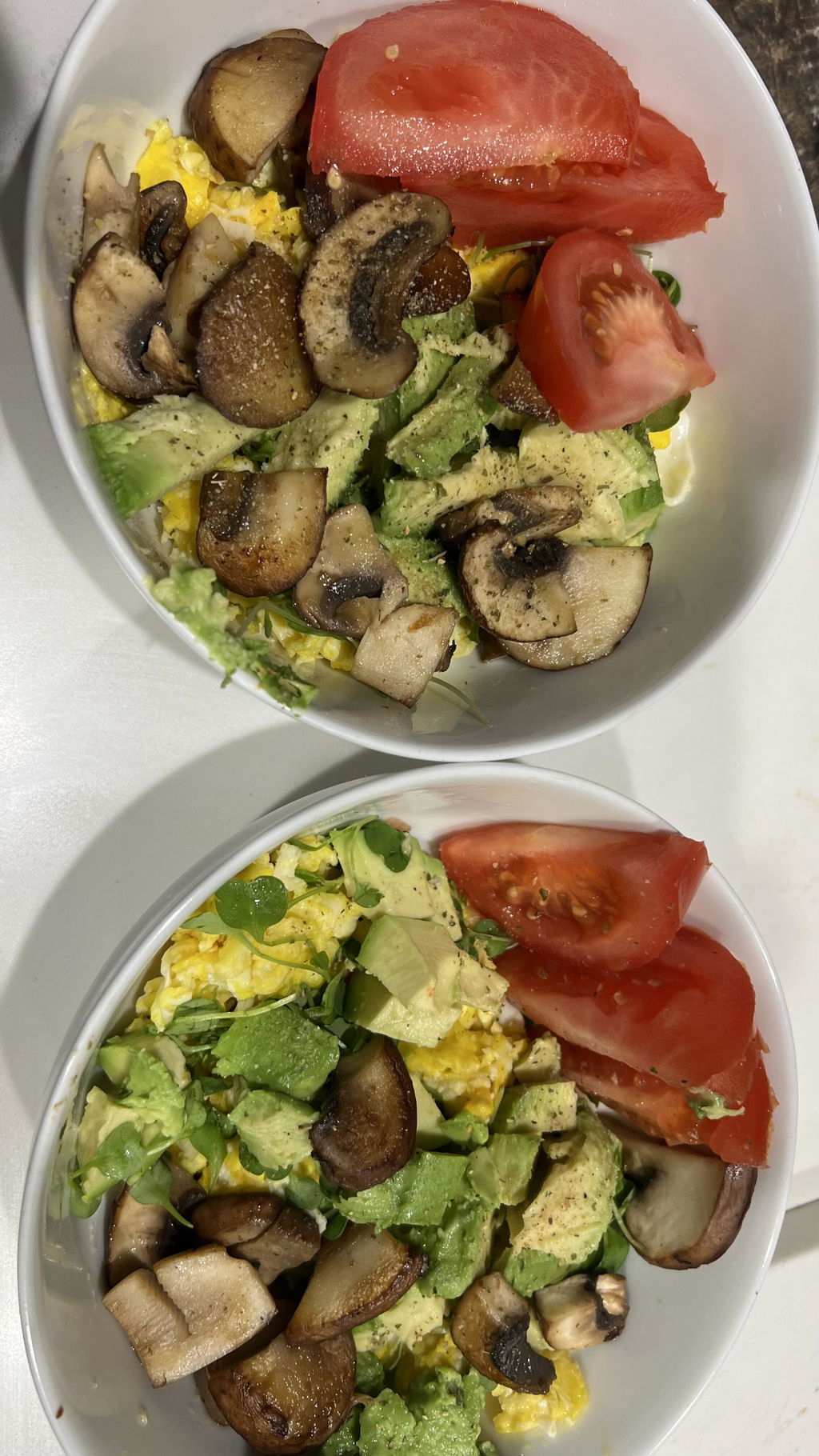
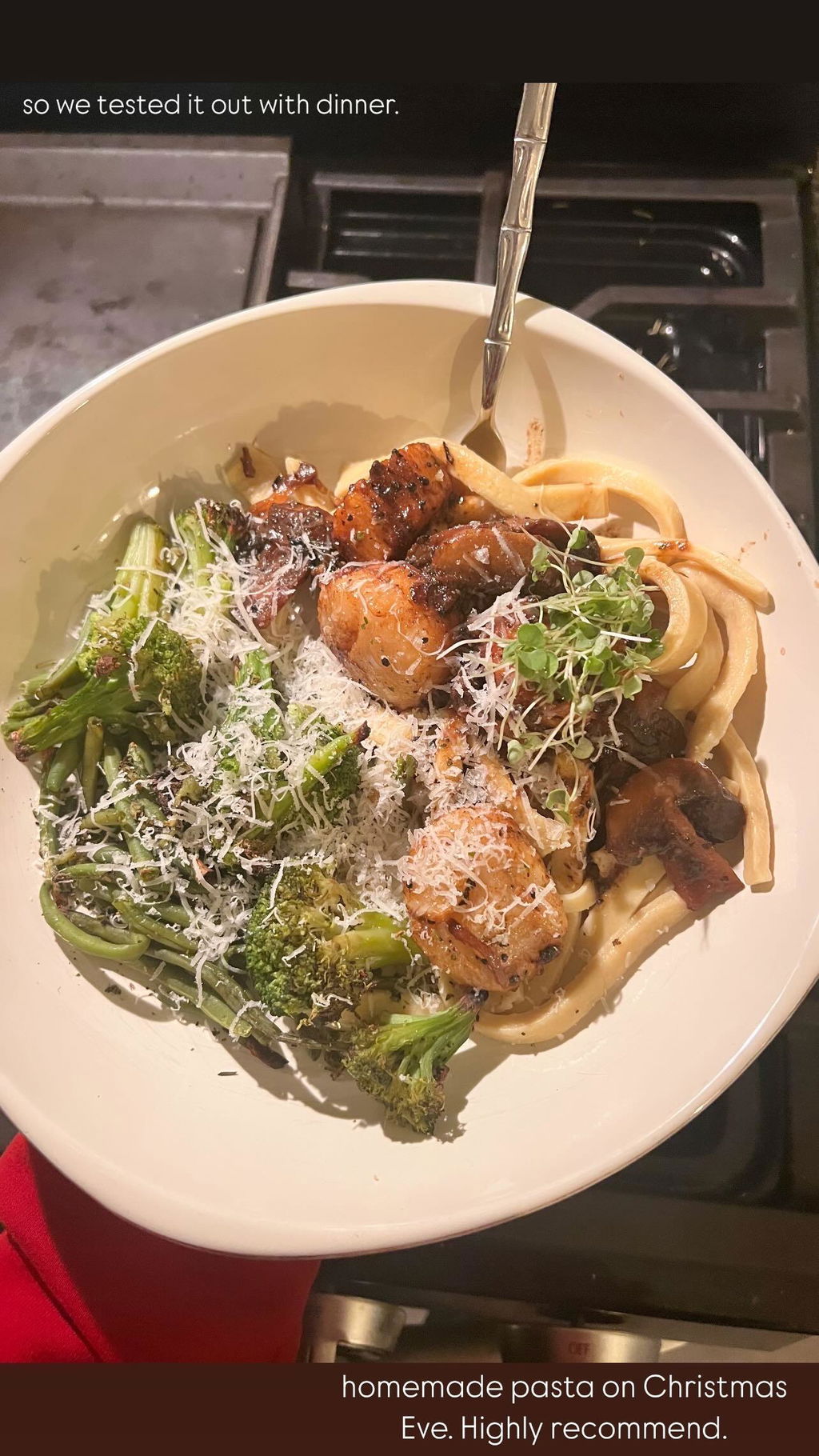
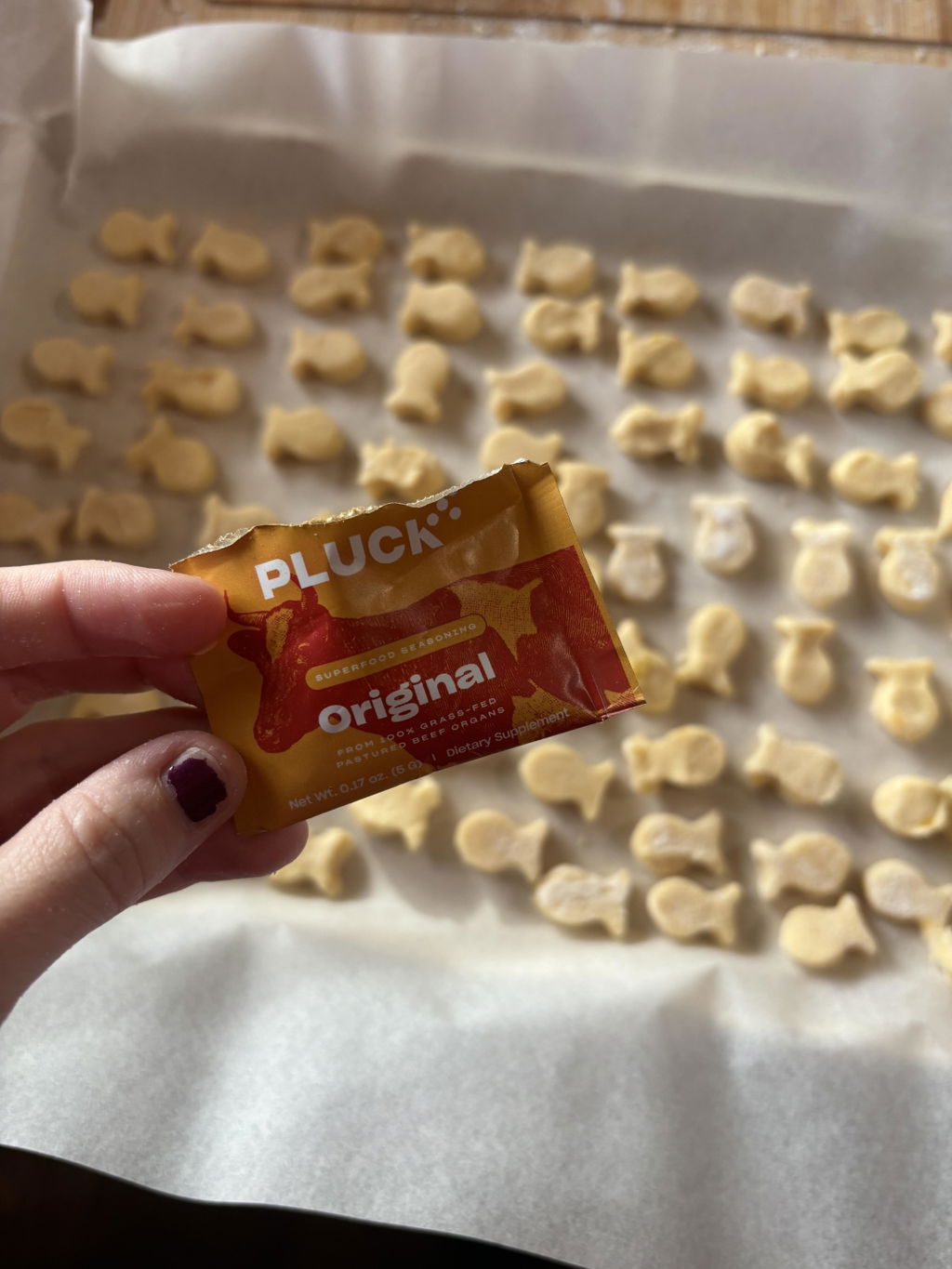
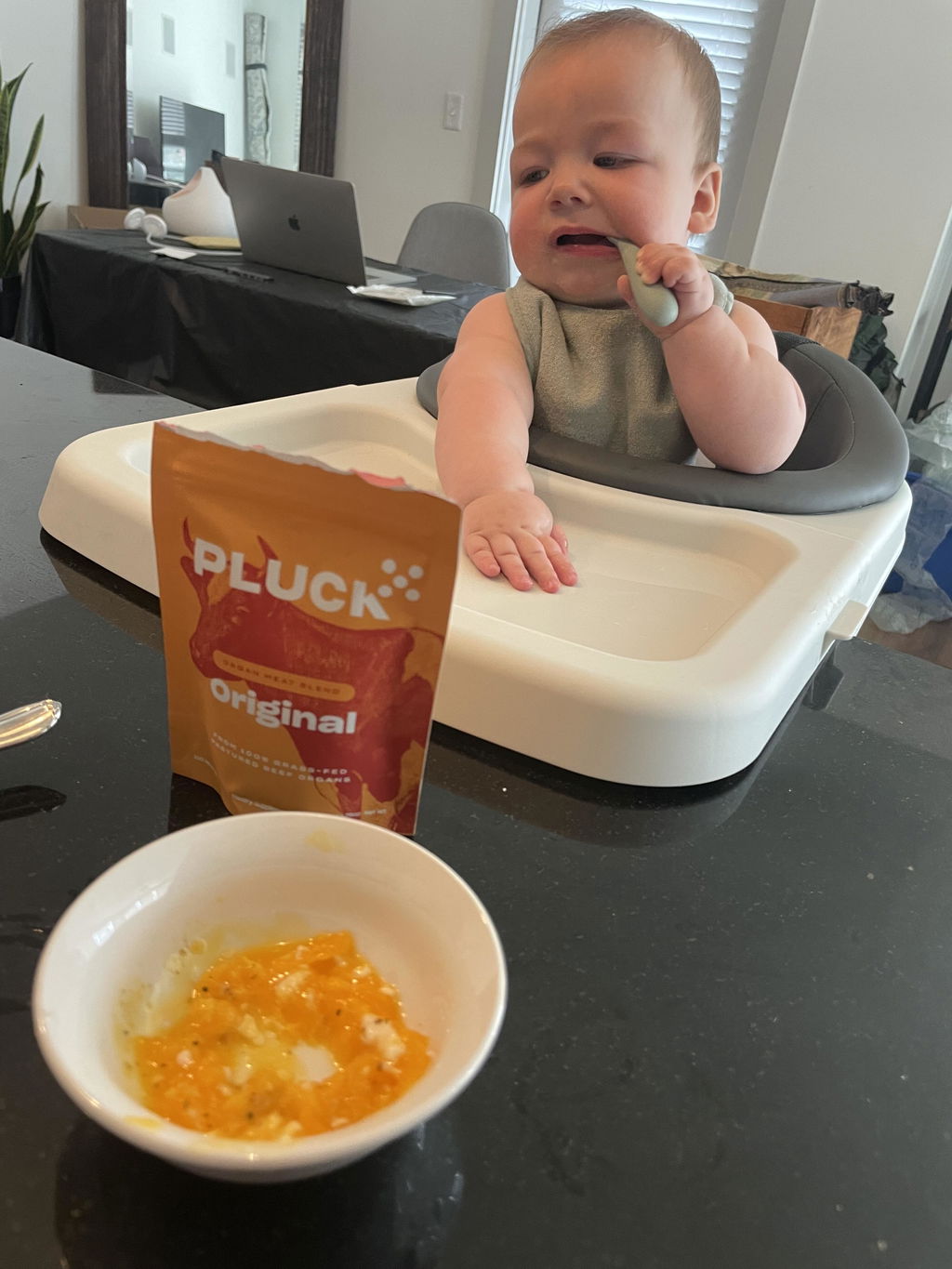
A sprinkle on mac and cheese. A pinch stirred into scrambled eggs. A dusting over rice or pasta. Each addition gently lifts the nutrient profile without reshaping the meal. Parents feel empowered rather than defeated. Children feel safe rather than pressured. Nutrient density becomes easy, rhythmic, and sustainable.
Pluck supports the long view of health. It builds up the body slowly, meal by meal, without feeling like a big nutritional overhaul. Kids take in organ-based nutrients through foods that already feel familiar and comforting, which helps their bodies make steady use of everything inside Pluck. Over time, parents often notice subtle but meaningful shifts. Energy feels more even throughout the day. Moods settle a bit more easily. Growing bodies need the minerals, peptides, and amino acids to stay strong. Mealtime starts to feel less like a battle and more like a supportive daily rhythm, helping the whole family feel grounded and cared for.
Pluck’s greatest strength is its ability to improve a child’s nutrition without asking much of the child. It respects the foods they love and amplifies the nourishment inside them. When a family adopts this approach, healthy eating becomes a pathway of consistency and care, bringing nutrient density back to the table in a way that feels natural, supportive, and entirely sustainable.
Citations:
-
Aldridge, Victoria K., and Terence M. Dovey. “The Role of Familiarity in Dietary Development.” Appetite, vol. 52, no. 3, 2009, pp. 535-539. ResearchGate
-
Scaglioni, Silvia, et al. “Factors Influencing Children’s Eating Behaviours.” Nutrition, Metabolism & Cardiovascular Diseases, vol. 28, no. 3, 2018, pp. 195-200. pmc.ncbi.nlm.nih.gov
-
Rahman, Abdur, and Muddanna Rao. “Blood levels of copper, manganese, selenium, and zinc are positively associated with cognitive function and academic performance in adolescents.” Frontiers in Nutrition, vol. 12, 2025, article 1638283, https://doi.org/10.3389/fnut.2025.1638283. frontiersin.org
-
“Children | Micronutrient Information Center | Linus Pauling Institute.” Oregon State University, 2011, https://lpi.oregonstate.edu/mic/life-stages/children. lpi.oregonstate.edu
-
Attachment, Feeding Practices, Family Routines and Child Eating Behavior (Clément et al.) shows how family routines around eating help children feel secure and stable, and how predictable meal structures support healthy eating behavior. PMC
-
How Infants and Young Children Learn About Food (Paroche et al.) explains that gradual exposure, repetition of familiar tastes and textures, and low-pressure introduction of new foods support children’s adaptation and acceptance of nourishment. PMC+1
-
The Forbidden Reward. The Emergence of Parent‑Child Conflicts About Food Over Time (Spielvogel et al.) describes how parental pressure around meal changes and nutrition can lead to mealtime conflict, resistance and emotional distress in children rather than fostering nourishment and connection.









Leave a comment
All comments are moderated before being published.
This site is protected by hCaptcha and the hCaptcha Privacy Policy and Terms of Service apply.