


 Large Bag
 Travel Pack


Nutrient-Dense Support for Focus, Mood, and Cognitive Stability Using an Ancestral Food Strategy
ADHD is a set of behaviors, and our biology determines how those behaviors manifest, how intense they feel, and how quickly the brain runs out of fuel in daily life. Our brains are responsible for attention, impulse control, emotional regulation, and working memory. We need to consume nutrient-dense foods to help build neurotransmitters and mitochondria and maintain good cell communication.
With poor nutrition, symptoms often become more pronounced because the nervous system relies on stress hormones as a substitute for stable energy. Many families see this pattern in their children. Focus, patience, and mood can change noticeably, depending on sleep, stress, and nutrition. Research supports the importance of nutrition for ADHD, including patterns in micronutrient status and outcomes from multi-nutrient approaches.
Neurodevelopment is complex and highly individualized. Nutrition is just one piece of the puzzle, but it can make a measurable difference. Nutrients determine dopamine and norepinephrine levels, the supply of oxygen to the brain, the condition of the membranes, the control of inflammation, and the body's ability to detoxify. All these factors together determine the brain's ability to cope with stimulation and demand.
Organ meats are important to discuss in relation to ADHD. They have the vitamins and minerals most often highlighted in ADHD nutrition conversations, including iron status markers, zinc, magnesium, B vitamins, and fat-soluble nutrients. Nutrient-dense foods are important and helpful, and can significantly improve outcomes when paired with other care plans.[1][2]
Why Organ Meats Deserve a Serious Place in ADHD Nutrition
Organ meats are the most nutrient-dense foods humans have consistently consumed across cultures, especially during periods of growth, pregnancy, heavy physical demand, or recovery. Liver, heart, kidney, and other organs provide unusually high levels of vitamins and minerals that participate directly in neurotransmitter synthesis and energy production, which are central themes in ADHD nutrition research. Our modern diet has plenty of calories but still falls short of bioavailable micronutrients, particularly when processed foods dominate. Organ meats also provide bioavailable nutrients, meaning the body can absorb and use them. Some of these include: heme iron and preformed vitamin A, which bypass conversion steps that can be unreliable for some people. When the goal is neurological support, concentration matters because the brain does not merely need nutrients present; it needs enough of them consistently to change function over time.
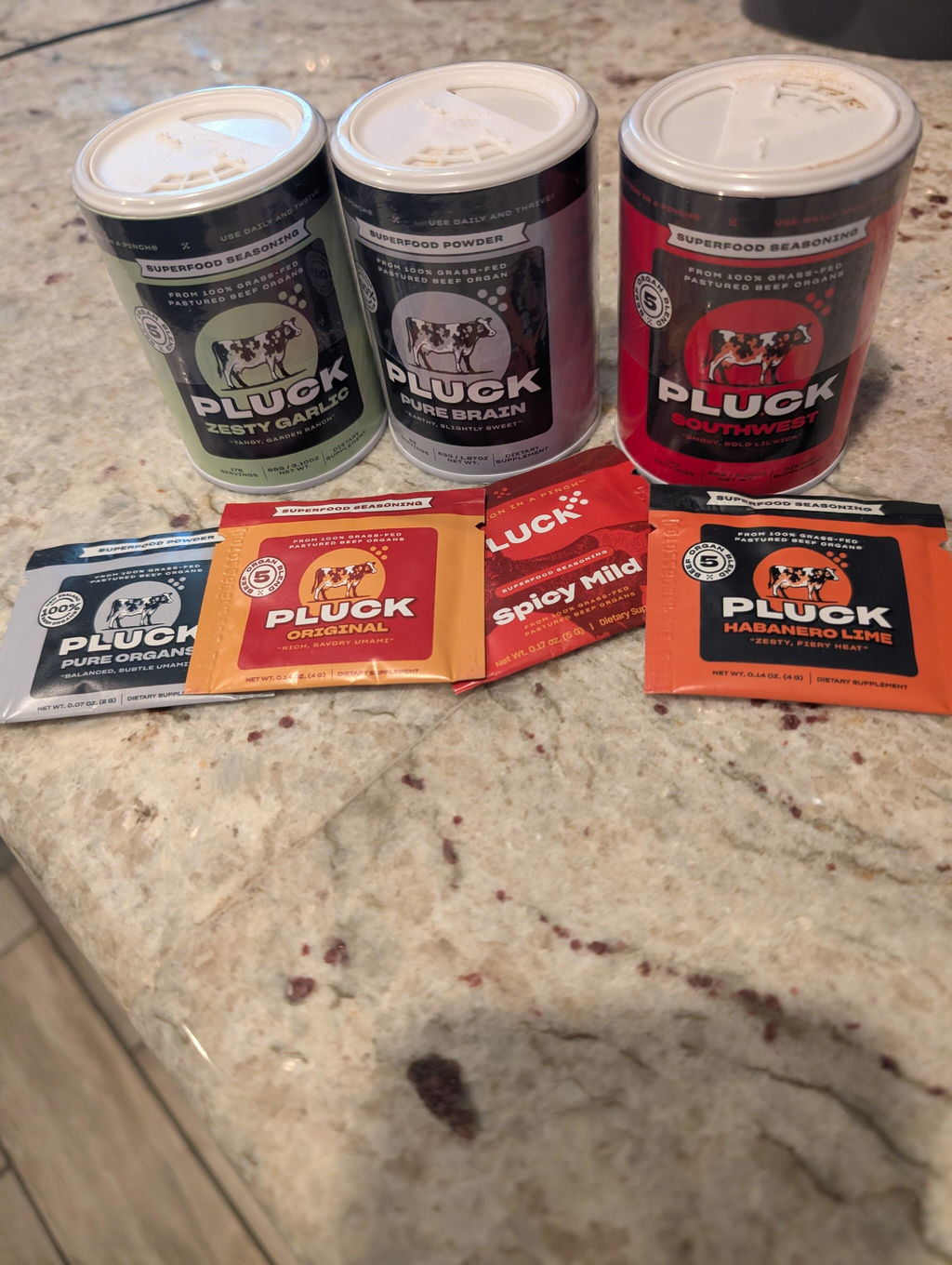
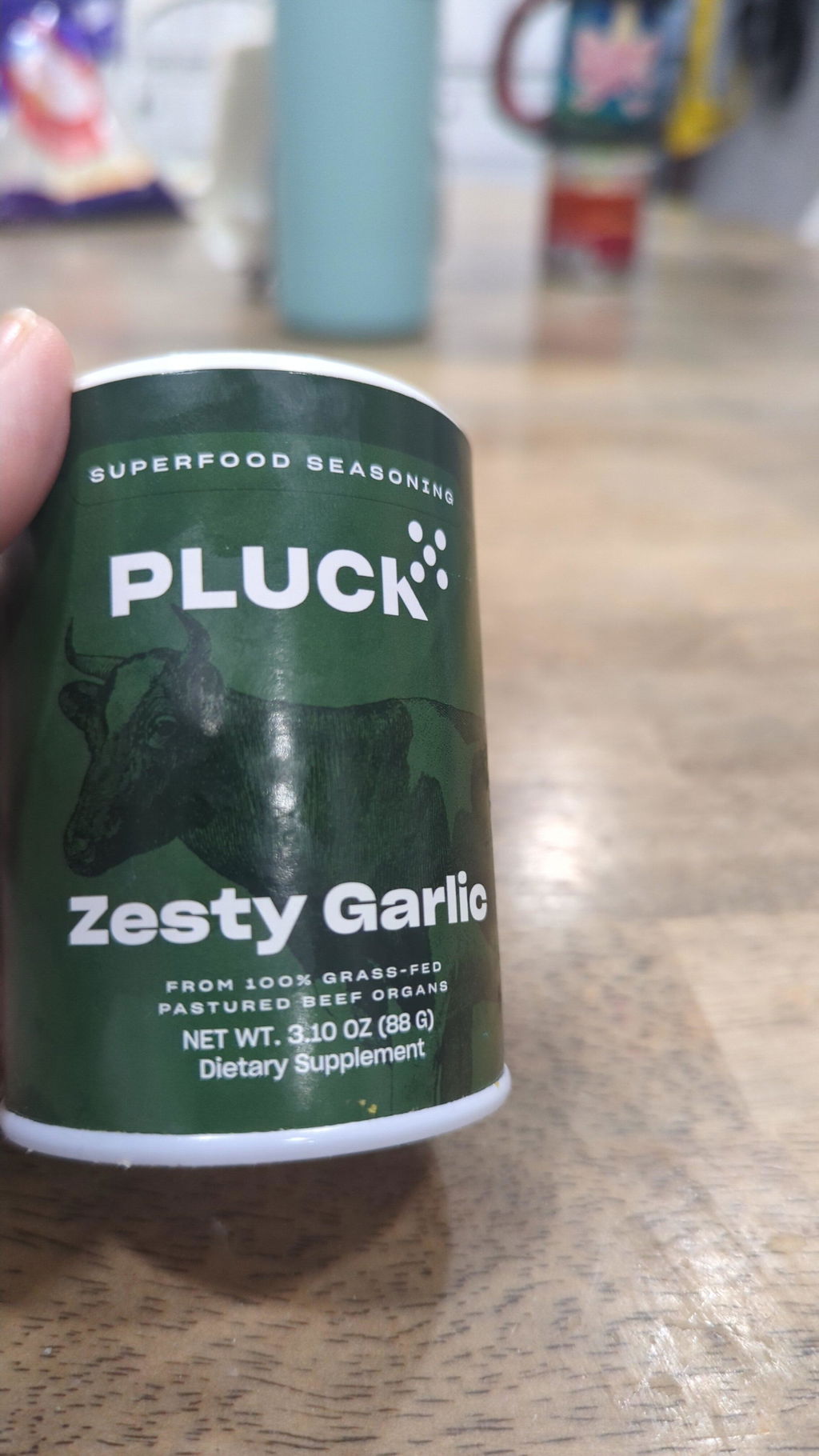
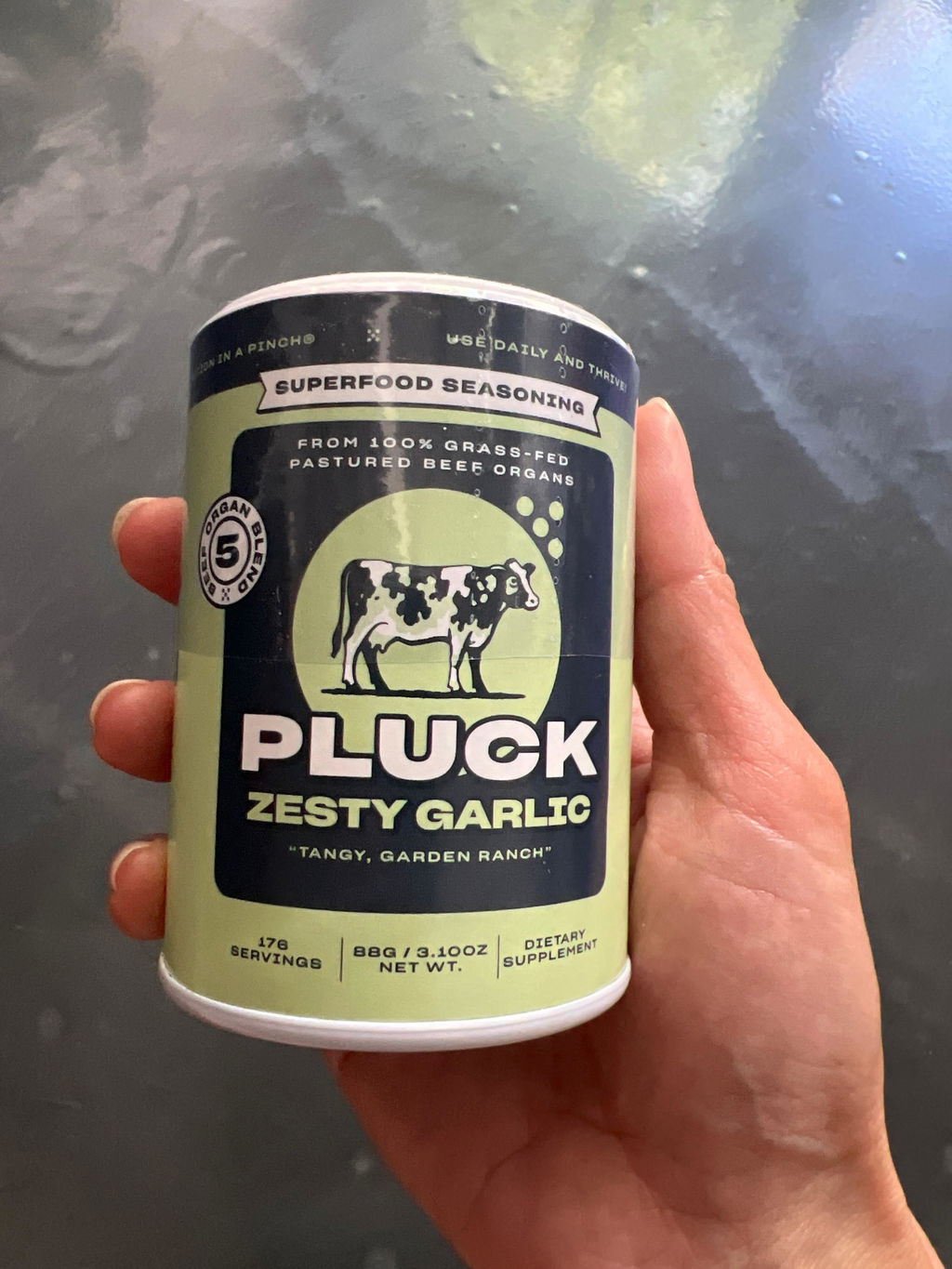
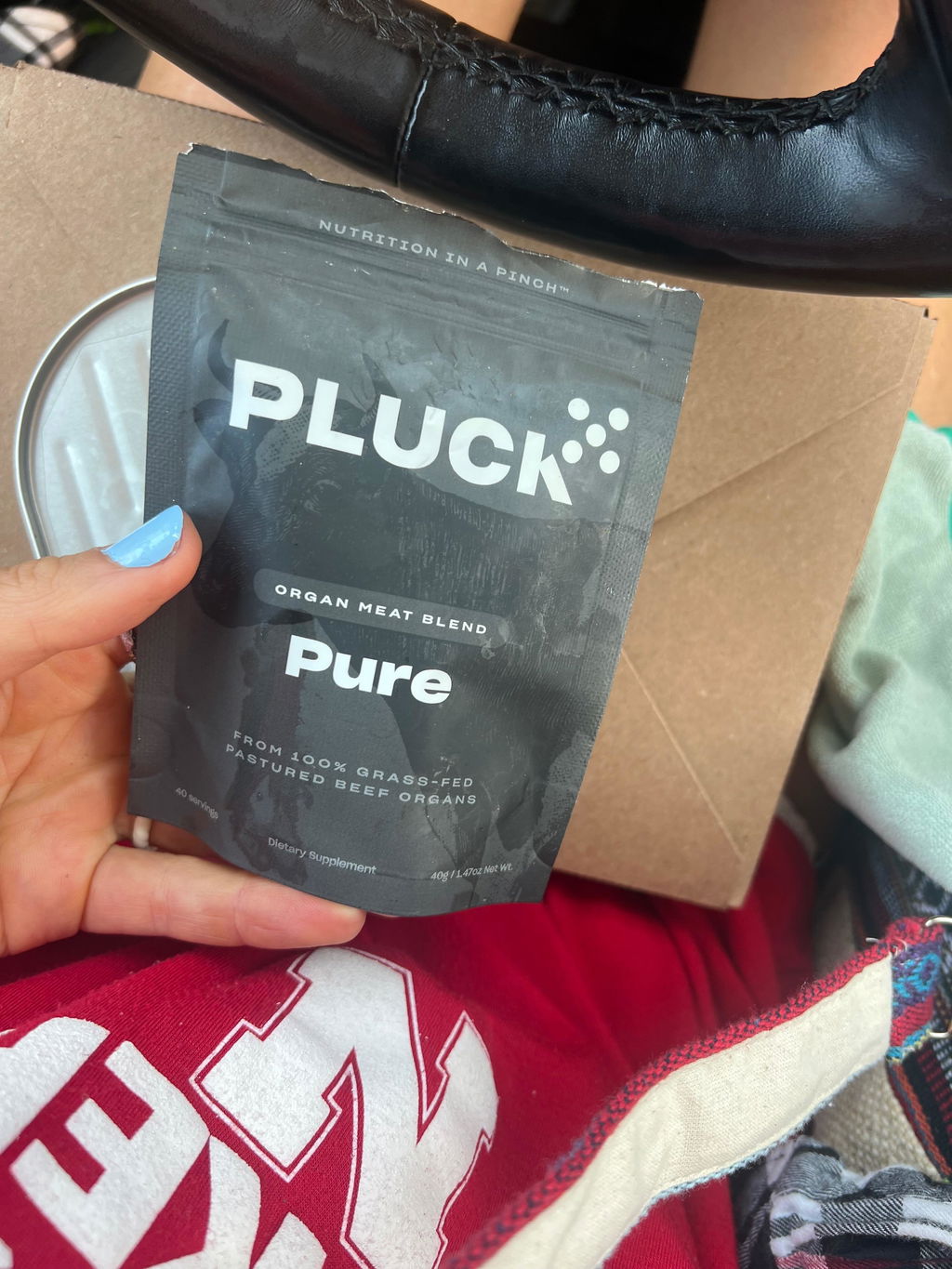
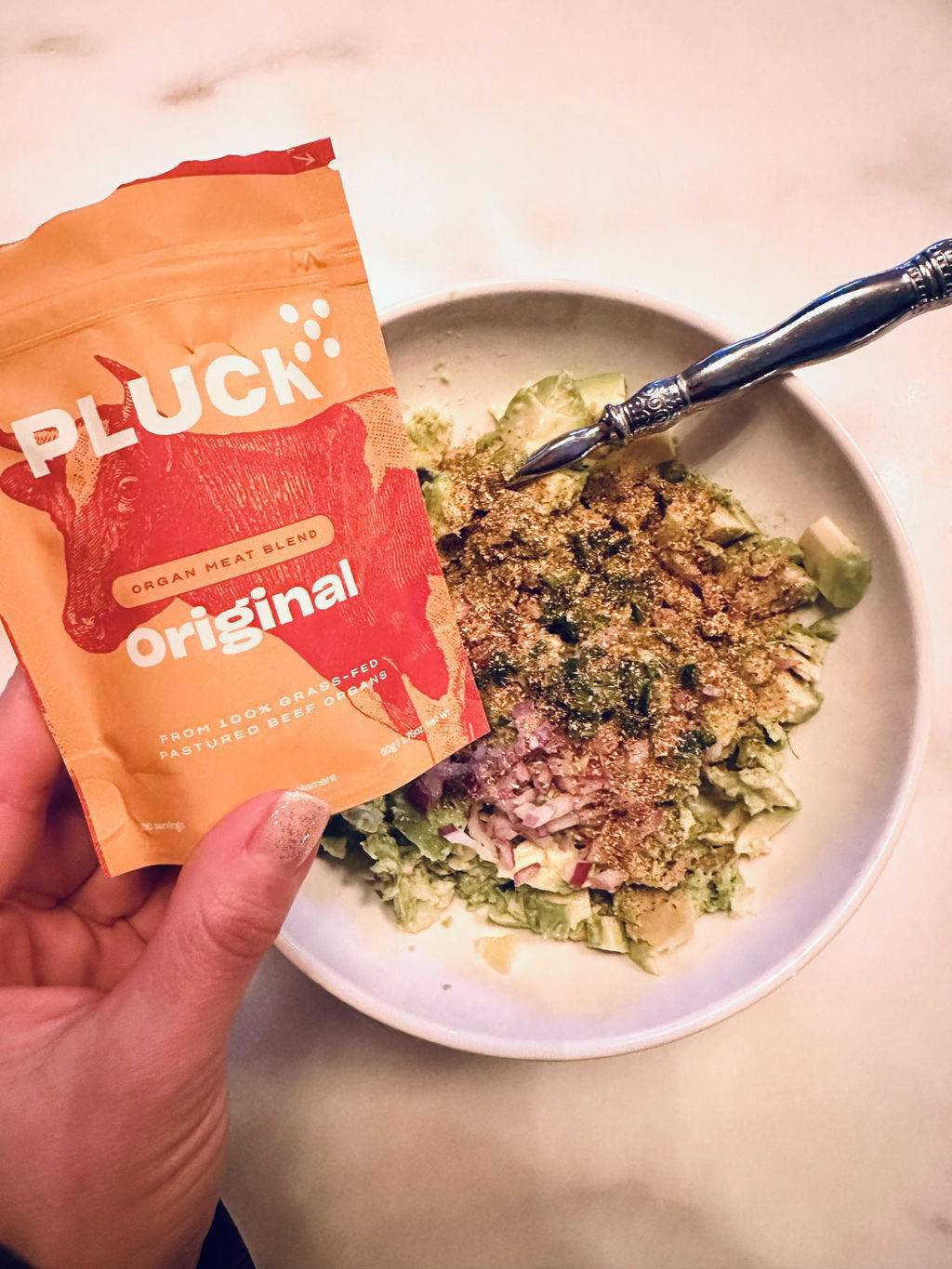
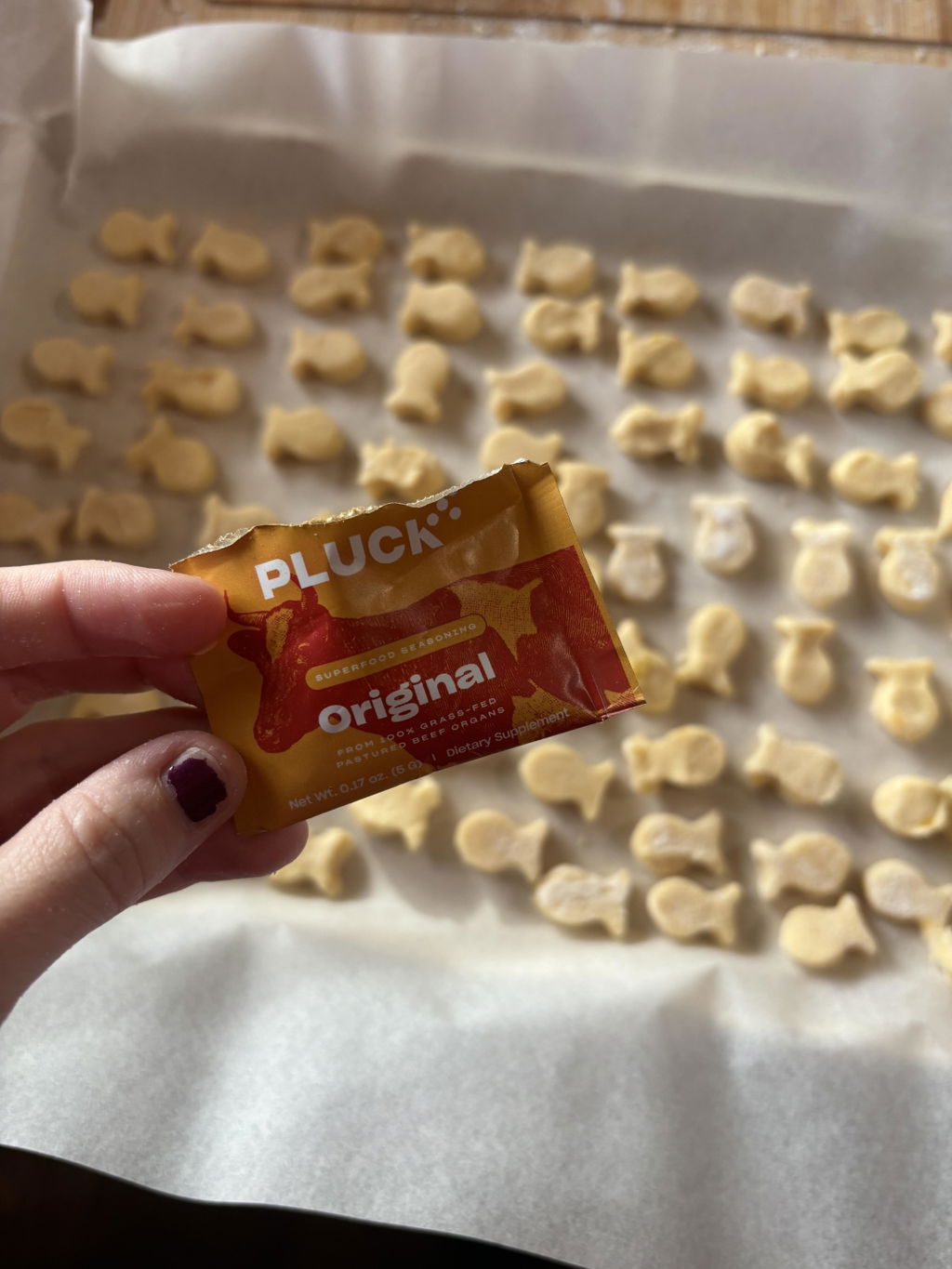
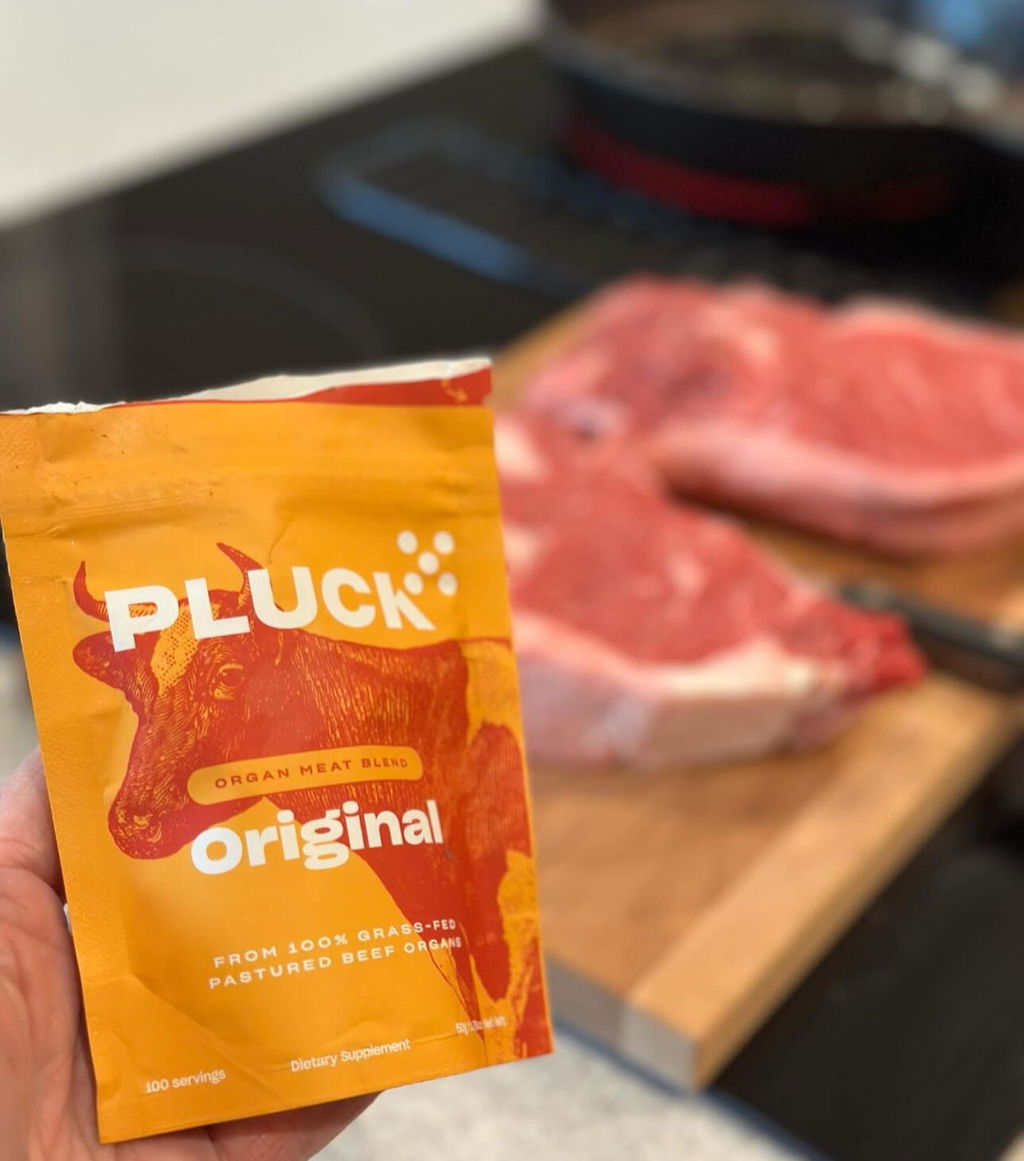
Our early ancestors often prioritized organs for children and vulnerable family members, which aligns with the modern understanding that neurodevelopment is nutrient-intensive and sensitive to metabolic stress. Today, barriers such as taste, preparation confidence, and availability keep many households from regularly using organ meats, even when families want the benefits. Pluck Organ Meat Seasoning fits into this reality by offering an approach that makes organ nourishment easier to use consistently, especially for people who wish to maintain the nutritional value without turning every meal into a special project.
Consistency is very important, as neurological alterations are seldom the result of a single nutrient-rich meal; rather, they result from delivering these nutrients consistently until the brain becomes accustomed to them. Organ meat seasoning over time can help, which is significant for those families already dealing with ADHD's logistics and don't want another complicated protocol.[3][4][5]
Iron, Ferritin, and Dopamine-Related Attention Pathways
Iron is a critical component for the brain to function healthily. It delivers oxygen to brain tissue and is the main source of energy for brain cells. Moreover, Iron is instrumental in regulating dopamine, a brain chemical highly involved in motivation, reward, and focus. A study indicates that children with ADHD tend to have low iron levels compared to other children.
Consequently, research is being conducted to understand how ferritin, an iron storage marker, is associated with symptom intensity and overall functioning. In different health environments, iron is only given a warning when laboratory tests show anemia. Nevertheless, the brain can begin to experience the consequences of iron deficiency without anemia being visible. This is especially the case during growth periods, when sleep is disturbed or when food variety is limited. Children may become more easily fatigued, emotionally reactive, or have trouble sticking with tasks.
Organ meats provide heme iron, which the body can absorb more easily without complex conversion processes, unlike plant-based iron sources. Thus, organ meats become a practical food solution for many families. Additionally, whole foods such as these also contain nutrients that are beneficial to the body, such as B vitamins and copper, which pat the body on the back for being in balance rather than just increasing a single lab number. Iron intake through nourishing foods not only helps the brain function in its intricate way but also treats focus and attention as a light switch that is either on or off.[6][7][8]
Zinc, Magnesium, and the Calm Focus Chemistry of the Brain
Zinc is critical to neurotransmission and neuronal communication. The element provides the pathways that are directly related to attention, impulse control, and emotional regulation, which is why it is often talked about in the context of ADHD and nutrition. Magnesium, another important mineral, helps stabilize the nervous system, helps manage stress, and improves sleep quality. Along with zinc, it is often referred to because both minerals influence the brain`s capacity to send excitatory and calming signals.
Observational studies keep on showing that people with ADHD might have different levels of zinc and magnesium than their healthy counterparts, however, the findings may differ depending on age, nutritional patterns, and the method of level determination. A lot of families do not see these differences through the results of the lab tests but through their daily lives, for example, difficulty in going to bed, bad sleep, or emotional outbursts in the evening. Such problems usually continue the following day; thus, the challenges with focus and impulse control become even stronger. When mineral levels improve, people often report that their minds become quieter and more balanced. They still feel calm but not in a dull way, and it is quite an important difference. Mineral support through food is usually most effective when the body can absorb and use the nutrients.[9][10]
Just increasing zinc or magnesium intake is not always effective, particularly when diets are high in ultra-processed foods, rich in phytates, or when digestive issues are present. These factors can hinder mineral absorption, meaning even well-intentioned efforts may fall short unless absorption barriers are addressed.
Organ meats have zinc and other minerals in a form that’s generally easier for the body to absorb compared to plant-based sources, and they provide these nutrients naturally, without the need for fortification. Rebalancing minerals over time also involves reducing inflammation and stabilizing blood sugar, since chronic stress can deplete mineral stores and interfere with sleep.[11]
B Vitamins, Methylation, and Cognitive Stamina
B vitamins are fundamental to brain energy, as they are the main drivers of enzymatic reactions that provide energy for the brain, support neurotransmitter synthesis, and regulate mood and cognition through methylation pathways. Vitamin B6 is the one that most supports the production of neurotransmitters such as dopamine and serotonin; vitamin B12 helps maintain myelin and nerve signaling efficiency; and folate participates in methylation processes that regulate emotional stability and mental clarity. The brain is most likely to use a more stressful strategy when it runs out of its B vitamin stores.
This means that the brain will use more stress hormones, and symptoms such as irritability, difficulty concentrating, and difficulty changing tasks will be experienced.
Organ meats are an especially rich source of B vitamins. For many households, this can translate into steadier energy through the day, fewer pronounced afternoon crashes, and better tolerance for cognitive demands when tasks lack built-in stimulation.[12][13][14]
Choline, Acetylcholine, and Executive Function Support
Choline is an important nutrient that provides the molecular building blocks for acetylcholine, a neurotransmitter involved in focus, attention, memory, learning, and executive function. While many ADHD discussions focus heavily on dopamine, acetylcholine is actually very involved in how the brain filters incoming information, sequences tasks, and holds working memory over time.
Choline intake is often inadequate in modern diets, especially when egg yolks and organ meats are limited, and requirements are higher during growth, pregnancy, and periods of sustained mental demand. Organ meats not only provide choline but also deliver it in a food matrix that supports its proper use rather than pushing isolated intake. When choline status improves, families often report clearer focus, through, and less mental scatter, rather than changes in personality or temperament.
In addition to executive function, the brain also needs healthy cell membranes and efficient neurotransmitter signaling, both of which are influenced by dietary fats, micronutrients, and overall metabolic stability. Choline is part of phospholipid production, which not only helps build and maintain neuronal membranes but also enables receptors to respond and brain signals to move. When membranes are damaged due to nutrient deficiencies or chronic inflammation, signaling efficiency decreases; thus, symptoms of distractibility and emotional reactivity become more pronounced.
A nutrient-dense food approach that includes organ meats, sufficient animal protein, and steady meal patterns supports these systems from multiple angles. Pluck makes it easier to consistently include choline-rich organ nutrition, which matters because acetylcholine-related benefits depend on regular substrate availability rather than occasional exposure.[15][16]17]
Broad-Spectrum Micronutrients and What Food Patterns Suggest
Multi-nutrient approaches have gained attention because many individuals with ADHD show overlapping marginal deficiencies rather than one clean deficiency. Emotional dysregulation often improves before attention when nutrient status shifts, which aligns with the idea that regulation capacity must stabilize before sustained focus can follow. Food-based strategies reflect this reality by supporting multiple systems simultaneously, including oxygen delivery, neurotransmitter synthesis, antioxidant defense, and methylation balance. Organ meats represent a traditional, food-based version of broad micronutrient support that does not require complex protocols. Their value lies not in novelty, but in biological completeness.
Researchers in dietary patterns are exploring how overall food quality relates to ADHD symptoms. Ultra-processed patterns consistently correlate with poorer outcomes, while nutrient-dense, protein-forward diets appear more supportive of cognitive stability. Families often notice that when nutrient-dense foods become routine, changes extend beyond attention to include sleep quality, recovery time, and stress tolerance. Food-based approaches also reduce the compliance burden, which is critical for households already managing attention challenges. Pluck supports this pattern by making organ nutrition repeatable within everyday meals, which supports long-term neurological resilience rather than short-lived experimentation.[18][19][20]
Practical Food Strategy for ADHD Families Using Organ Nutrition
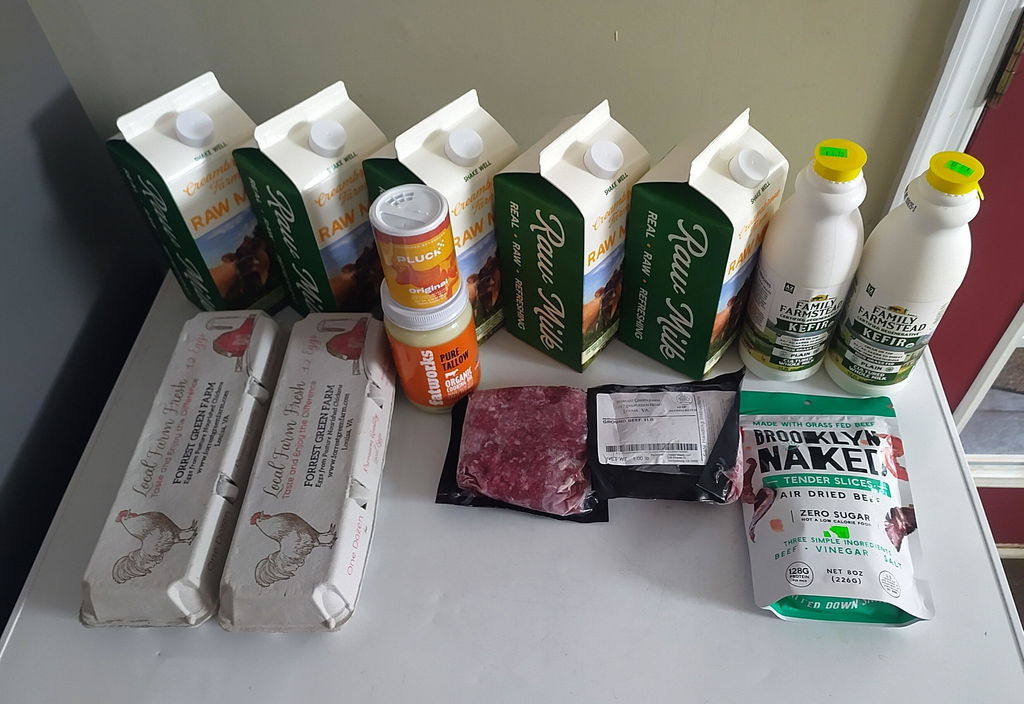
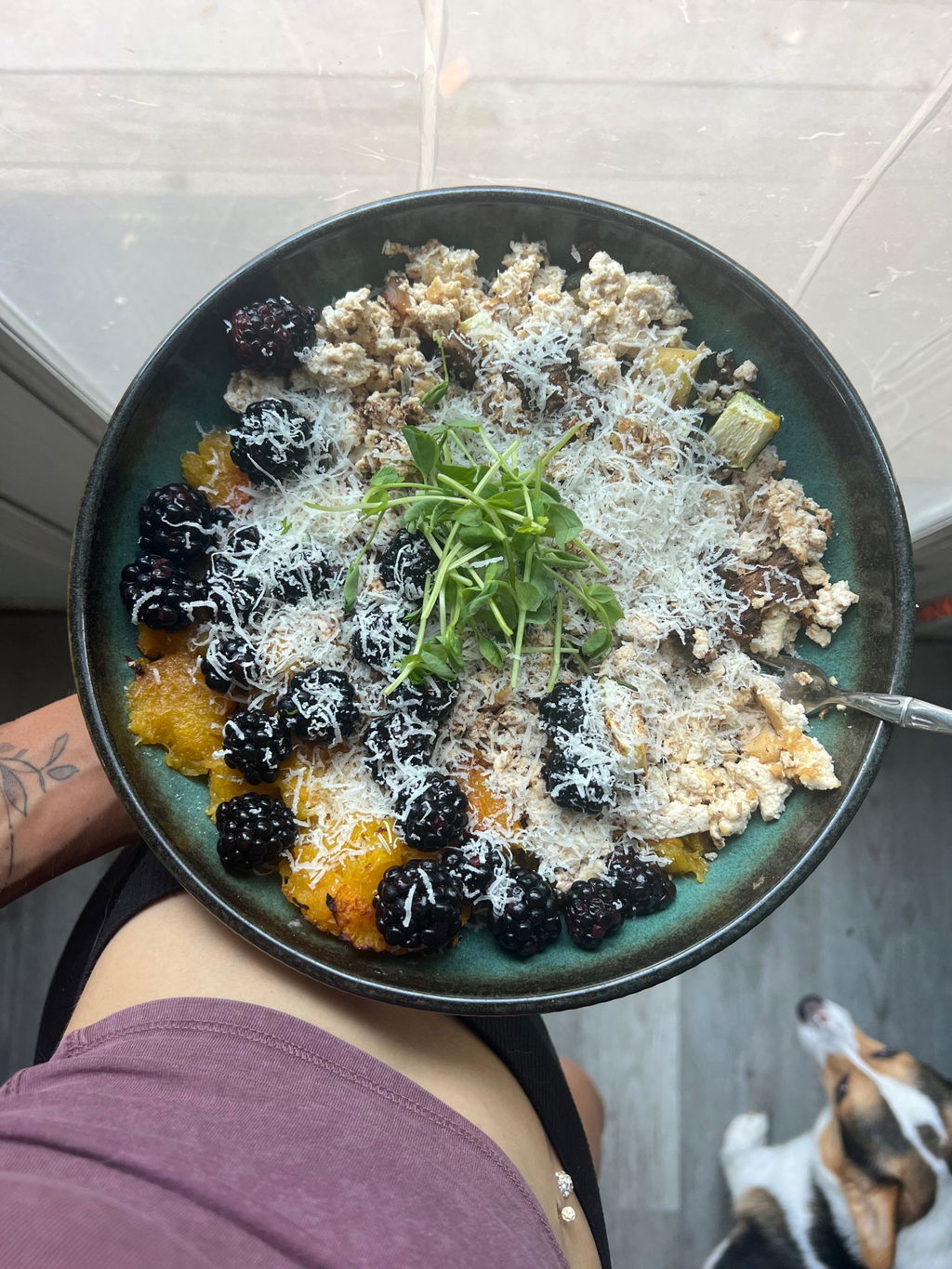
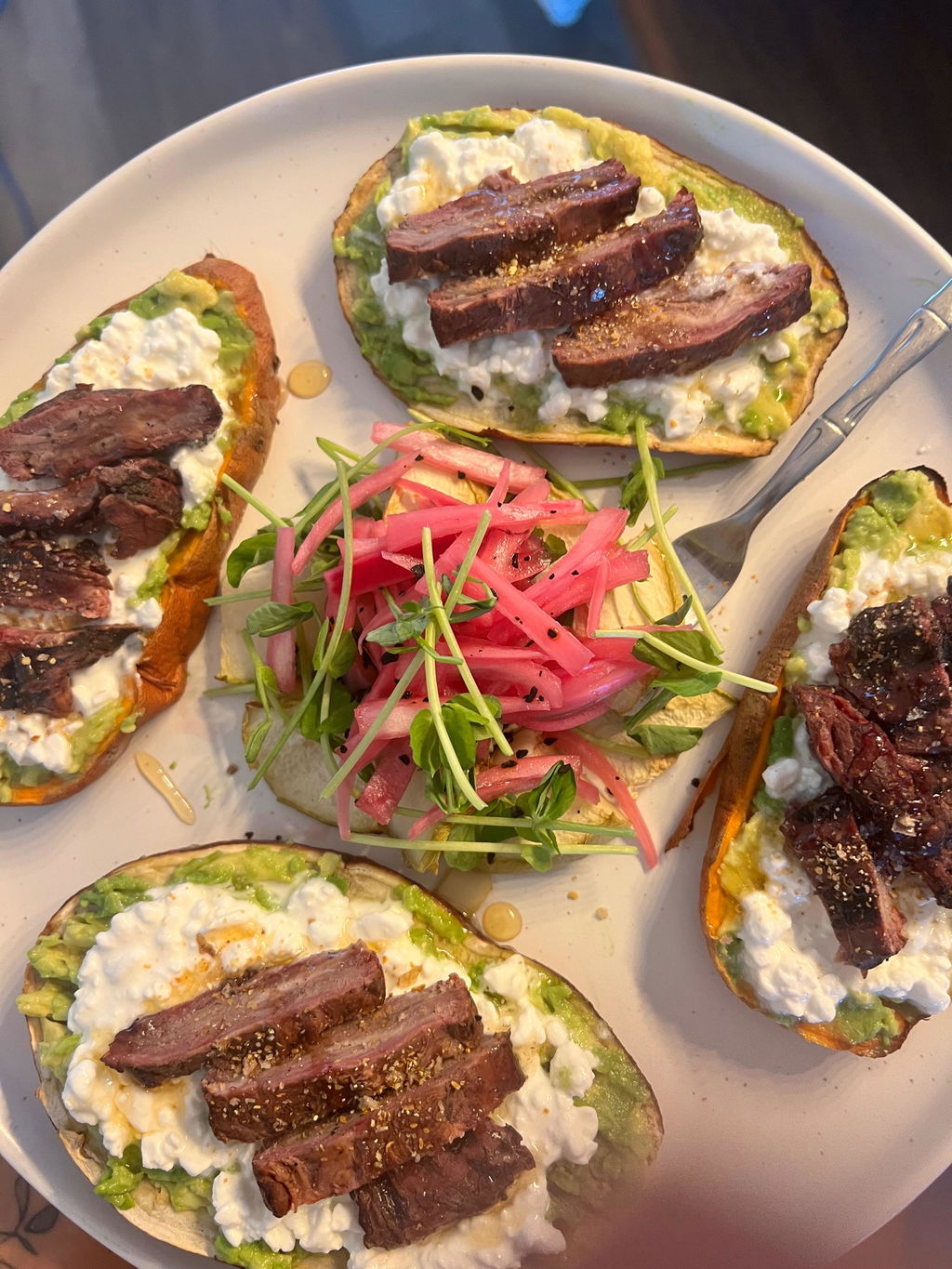
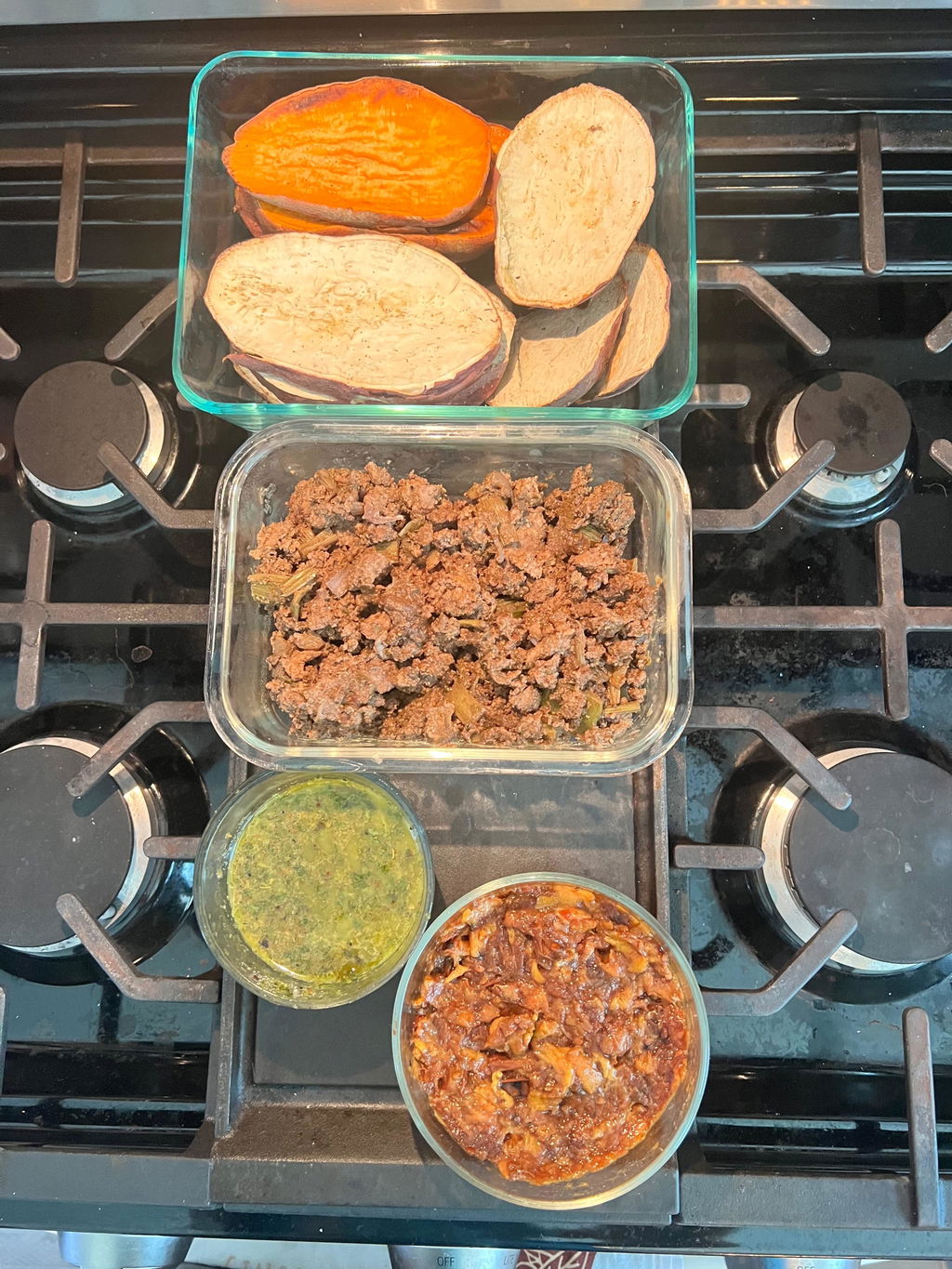
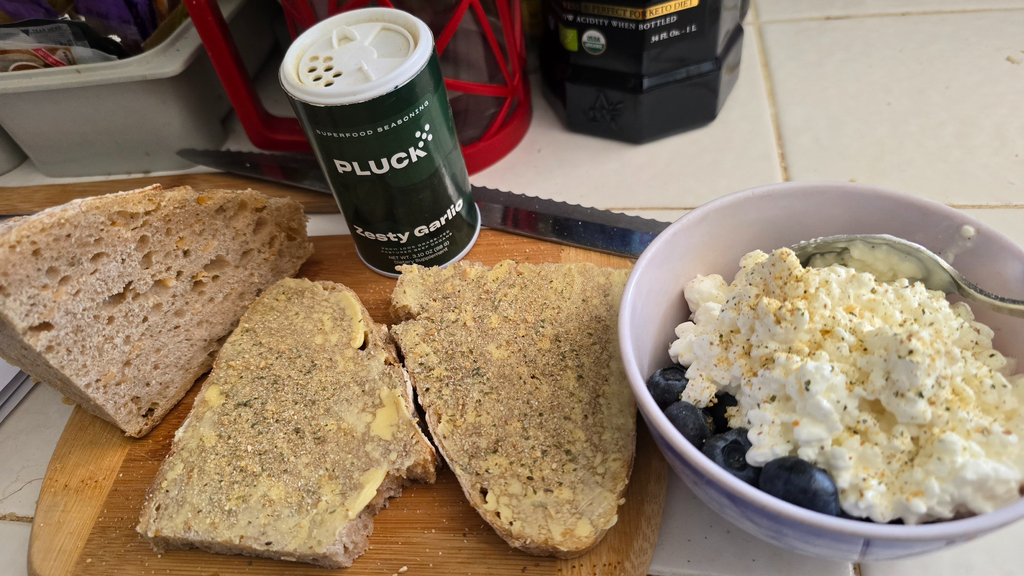
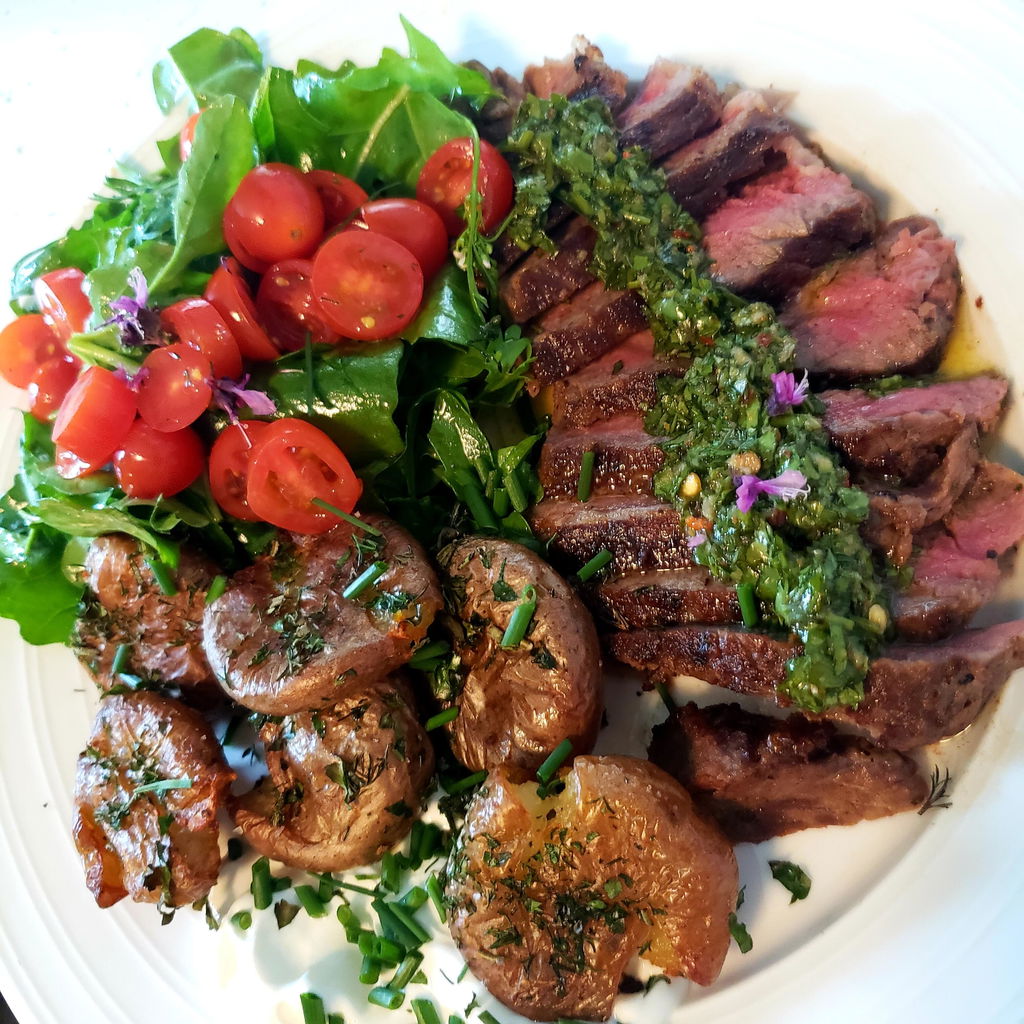
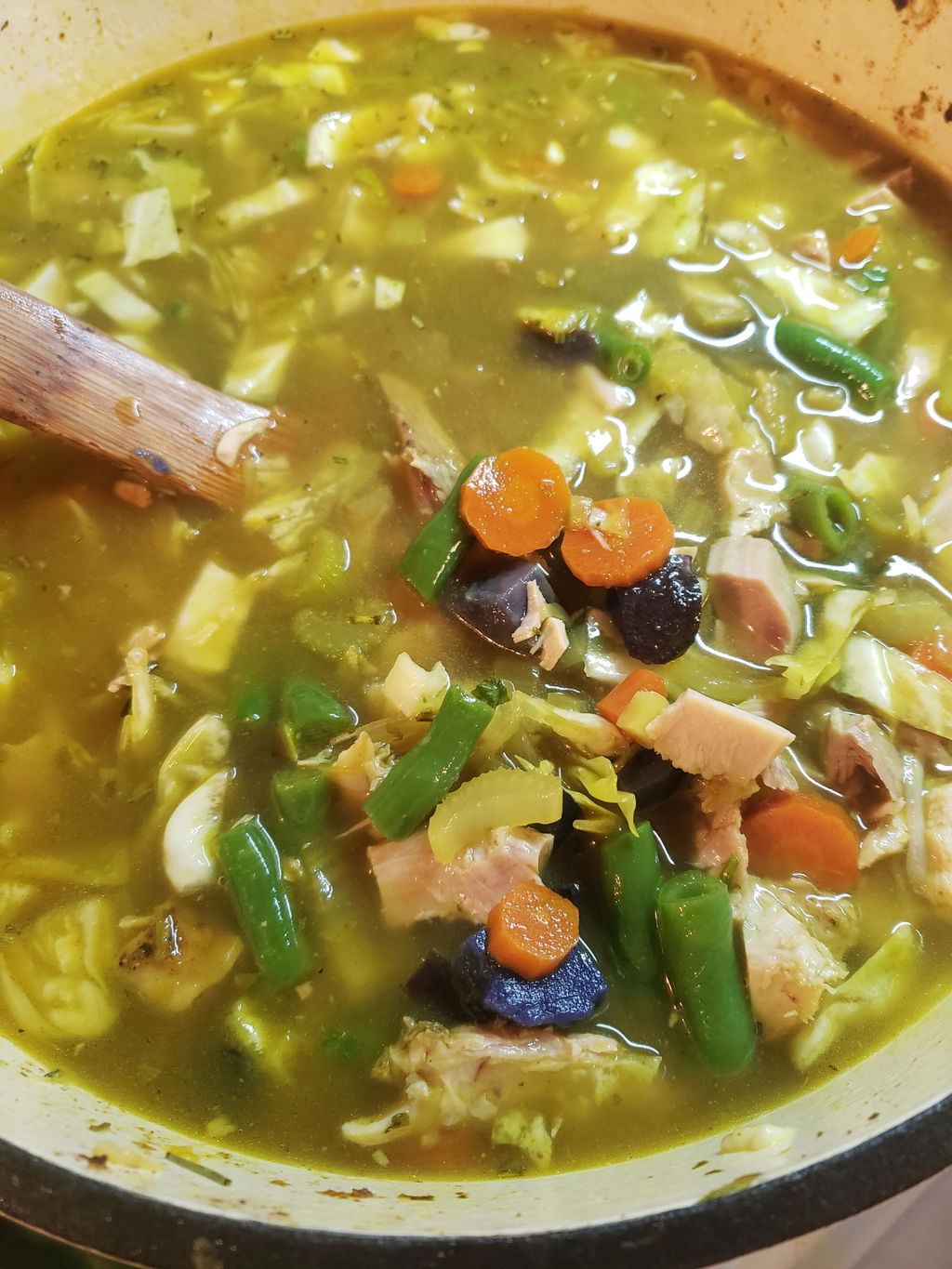
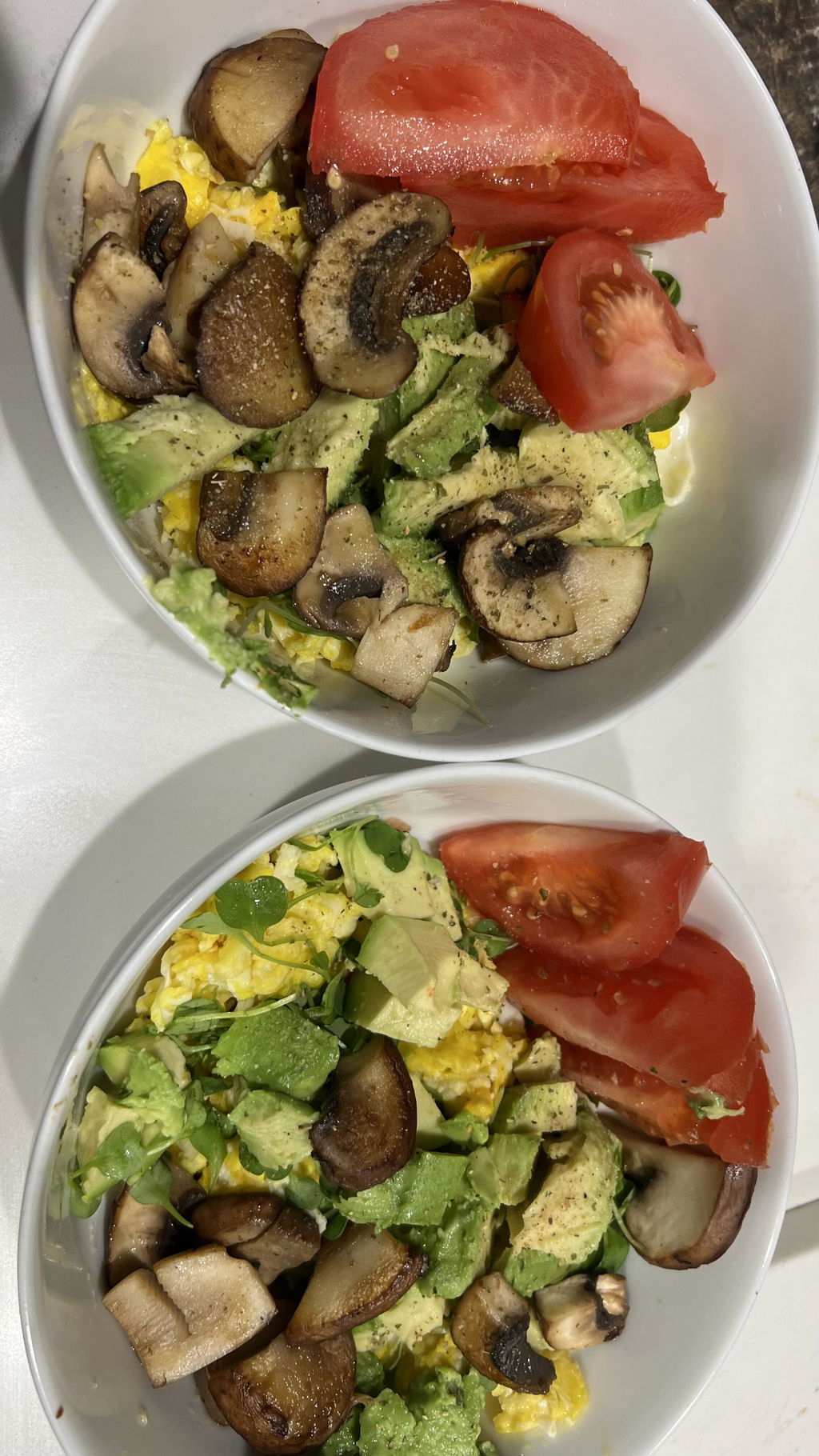
Organ nutrition can be introduced in small, repeated doses through ground meat dishes, eggs, soups, slow-cooked meals, and simple protein-centered plates. Pluck integrates easily because seasoning is already part of cooking, and adding organ nourishment through a familiar step reduces resistance for both adults and children. Over time, this approach can expand naturally, yet early success builds confidence and momentum.
Results also depend on what is reduced, because nutrient-dense foods cannot fully counterbalance the constant inflammatory load from frequent sugar spikes and ultra-processed snacks. Stabilizing meals support calmer energy, fewer crashes, and better sleep, which, in turn, improve attention and emotional regulation the following day.
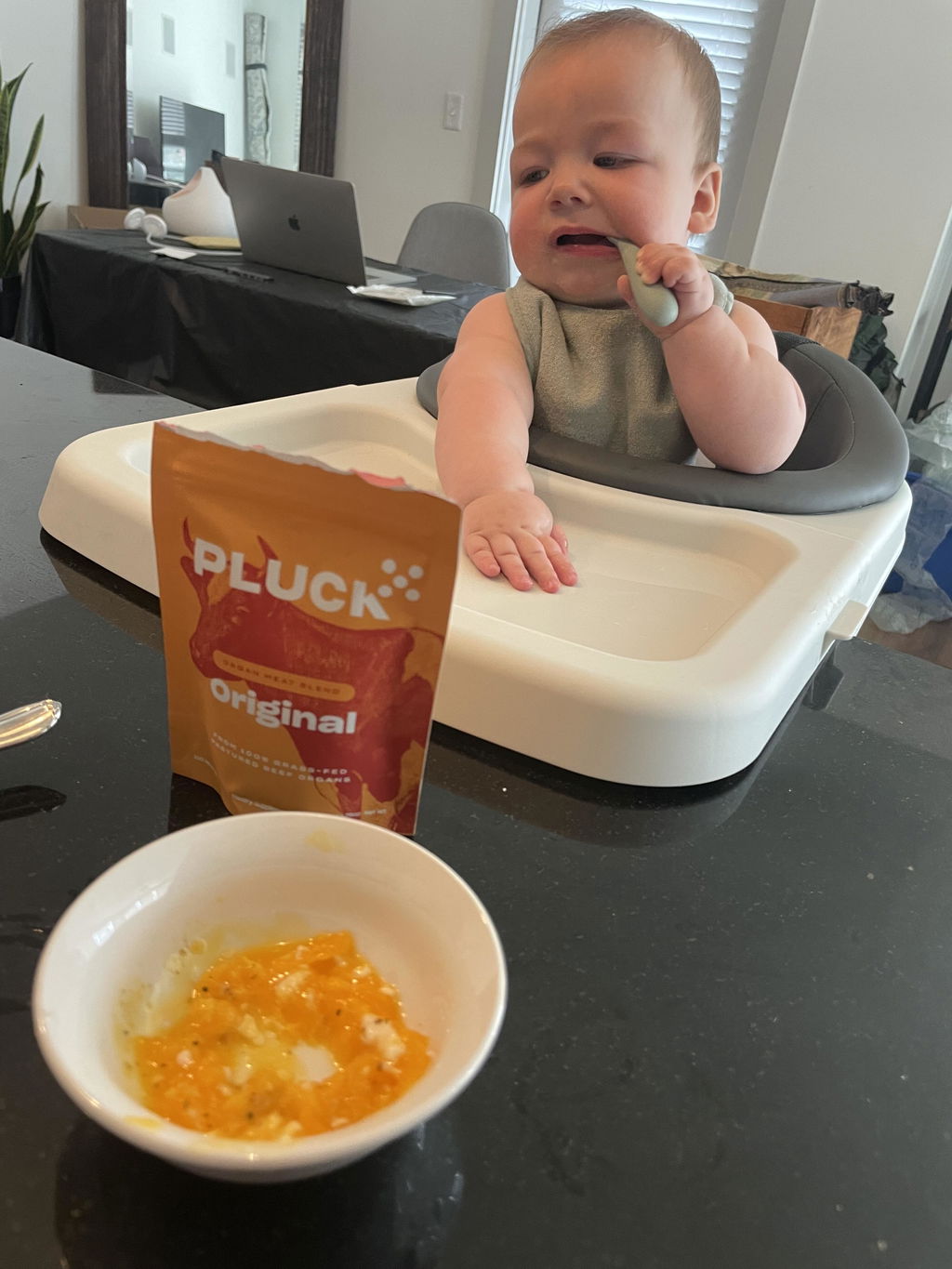
Sensory sensitivity and digestive tolerance matter, especially for children, and organ-based seasoning offers a gentle entry point without overwhelming texture or flavor. Predictable routines help nervous systems feel safer, which many families experience as fewer extreme mood swings and faster recovery after frustration. Progress often shows up first in daily function rather than test scores, including smoother mornings, improved homework tolerance, and better social resilience.
Closing Perspective on Food First Support
Organ meats will not cure ADHD, but they are among the most biologically relevant foods to consume if the goal is to have better focus, a steadier mood, and increased cognitive stamina. Nutrition research is gradually revealing that micronutrient sufficiency significantly affects symptom expression, emotional regulation, and overall resilience. The ancestral framework aligns with this by recognizing that organs were valued during periods of growth and demand because they consistently supported function.
A food-first approach also honors individual differences by recognizing that nutrition is one part of a larger system that includes sleep, movement, environment, relationships, and learning supports. By raising the nutrient floor with organ-rich foods, the brain's capacity to regulate is supported rather than forced to cope without the necessary raw materials.
Pluck Organ Meat Seasoning is a practical way for families to get organ nutrition without making meals a daily fight, as consistent intake is more important than perfect execution. If used regularly, organ nourishment becomes a background agent, quietly supporting neurotransmitter pathways, mineral balance, and cellular energy production.
Substantial changes more often show up as increased capacity rather than a dramatic shift, such as fewer meltdowns, greater frustration tolerance, and greater ability to sustain attention during less stimulating tasks. Progress tends to unfold gradually and in layers, especially when sleep, stress, or selective eating patterns are still being addressed. For families seeking a grounded, ancestral, food-first foundation for ADHD support, organ meats offer a rare combination of nutrient density, biological relevance, and practical usability when delivered in a format that supports consistency.
References:
-
Lange, K. W., et al. “Nutrition in the Management of ADHD: A Review of Recent Evidence.” National Institutes of Health, 2023, https://www.ncbi.nlm.nih.gov/pmc/articles/PMC10444659/. Accessed 5 Jan. 2026.
-
Ryu, S., et al. “Associations Between Dietary Intake and Attention Deficit Hyperactivity Disorder.” Nutrients, 2022, https://www.mdpi.com/2072-6643/14/14/2919. Accessed 5 Jan. 2026.
-
Pereira, Pedro M. C. C., and António F. Vicente. “Meat Nutritional Composition and Nutritive Role in the Human Diet.” Meat Science, vol. 93, no. 3, 2013, pp. 586–592, Elsevier, https://doi.org/10.1016/j.meatsci.2012.09.018. Accessed 5 Jan. 2026.
-
Mann, Nick. “Diet and Human Evolution.” European Journal of Clinical Nutrition, vol. 56, no. 1, 2002, pp. S2–S7, Nature Publishing Group, https://doi.org/10.1038/sj.ejcn.1601356. Accessed 5 Jan. 2026.
-
Benton, David. “Micronutrient Status, Cognition and Behavioral Problems in Childhood.” European Journal of Nutrition, vol. 47, suppl. 3, 2008, pp. 38–50, Springer, https://doi.org/10.1007/s00394-008-3004-3. Accessed 5 Jan. 2026.
-
Beard, John L. “Iron Deficiency Alters Brain Development and Functioning.” The Journal of Nutrition, vol. 133, no. 5 Suppl. 1, 2003, pp. 1468S–1472S, Oxford Academic, https://doi.org/10.1093/jn/133.5.1468S. Accessed 5 Jan. 2026.
-
Konofal, Eric, et al. “Iron Deficiency in Children With Attention-Deficit/Hyperactivity Disorder.” Archives of Pediatrics & Adolescent Medicine, vol. 158, no. 12, 2004, pp. 1113–1115, American Medical Association, https://doi.org/10.1001/archpedi.158.12.1113. Accessed 5 Jan. 2026.
-
Hurrell, Richard, and Ines Egli. “Iron Bioavailability and Dietary Reference Values.” The American Journal of Clinical Nutrition, vol. 91, no. 5, 2010, pp. 1461S–1467S, Oxford Academic, https://doi.org/10.3945/ajcn.2010.28674F. Accessed 5 Jan. 2026.
-
Prasad, Ananda S. “Zinc in the Central Nervous System.” The Journal of Nutrition, vol. 129, no. 2S Suppl., 1999, pp. 403S–406S, Oxford Academic, https://doi.org/10.1093/jn/129.2.403S. Accessed 5 Jan. 2026.
-
Starobrat-Hermelin, Barbara, and Marta Kozielec. “The Effects of Magnesium Physiological Supplementation on Hyperactivity in Children With Attention Deficit Hyperactivity Disorder (ADHD).” Magnesium Research, vol. 17, no. 2, 2004, pp. 143–148, https://pubmed.ncbi.nlm.nih.gov/15493673/. Accessed 5 Jan. 2026.
-
Arnold, L. Eugene, et al. “Zinc for Attention-Deficit/Hyperactivity Disorder: Placebo-Controlled Double-Blind Pilot Trial Alone and Combined With Amphetamine.” Journal of Child and Adolescent Psychopharmacology, vol. 21, no. 1, 2011, pp. 1–19, https://doi.org/10.1089/cap.2010.0073. Accessed 5 Jan. 2026.
-
Kennedy, David O. “B Vitamins and the Brain: Mechanisms, Dose and Efficacy—A Review.” Nutrients, vol. 8, no. 2, 2016, MDPI, https://doi.org/10.3390/nu8020068. Accessed 5 Jan. 2026.
-
Mikkelsen, Katya, et al. “Effects of Vitamin B Supplementation on Cognitive Function, Energy Levels, Mood and Stress: A Randomized Controlled Trial.” Nutrients, vol. 8, no. 2, 2016, MDPI, https://doi.org/10.3390/nu8020068. Accessed 5 Jan. 2026.
-
McLean, Erin D., et al. “Worldwide Prevalence of Anaemia, WHO Vitamin and Mineral Nutrition Information System, 1993–2005.” Public Health Nutrition, vol. 12, no. 4, 2009, Cambridge University Press, https://doi.org/10.1017/S1368980008002401. Accessed 5 Jan. 2026.
-
Zeisel, Steven H., and Kerry-Ann da Costa. “Choline: An Essential Nutrient for Public Health.” Nutrition Reviews, vol. 67, no. 11, 2009, pp. 615–623, Oxford Academic, https://doi.org/10.1111/j.1753-4887.2009.00246.x. Accessed 5 Jan. 2026.
-
Caudill, Marie A. “Pre- and Postnatal Health: Evidence of Increased Choline Needs.” The Journal of Nutrition, vol. 140, no. 6, 2010, pp. 1198–1206, Oxford Academic, https://doi.org/10.3945/jn.109.113928. Accessed 5 Jan. 2026.
-
Blusztajn, Jan K. “Choline, a Vital Amine.” Science, vol. 281, no. 5378, 1998, pp. 794–795, American Association for the Advancement of Science, https://doi.org/10.1126/science.281.5378.794. Accessed 5 Jan. 2026.
-
Rucklidge, Julia J., et al. “Micronutrients Reduce Stress and Anxiety in Adults With Attention-Deficit/Hyperactivity Disorder Following a 7.5-Month Randomized Trial.” Journal of Clinical Psychiatry, vol. 75, no. 6, 2014, pp. 597–604, https://doi.org/10.4088/JCP.13m08791. Accessed 5 Jan. 2026.
-
Stevens, Lara J., et al. “Dietary Sensitivities and ADHD Symptoms: Thirty-Five Years of Research.” Clinical Pediatrics, vol. 52, no. 2, 2013, pp. 121–132, https://doi.org/10.1177/0009922812467555. Accessed 5 Jan. 2026.
-
Nigg, Joel T., et al. “Meta-Analysis of Attention-Deficit/Hyperactivity Disorder or ADHD and Diet.” American Journal of Psychiatry, vol. 169, no. 9, 2012, pp. 933–941, https://doi.org/10.1176/appi.ajp.2012.11101564. Accessed 5 Jan. 2026.











Leave a comment
All comments are moderated before being published.
This site is protected by hCaptcha and the hCaptcha Privacy Policy and Terms of Service apply.