


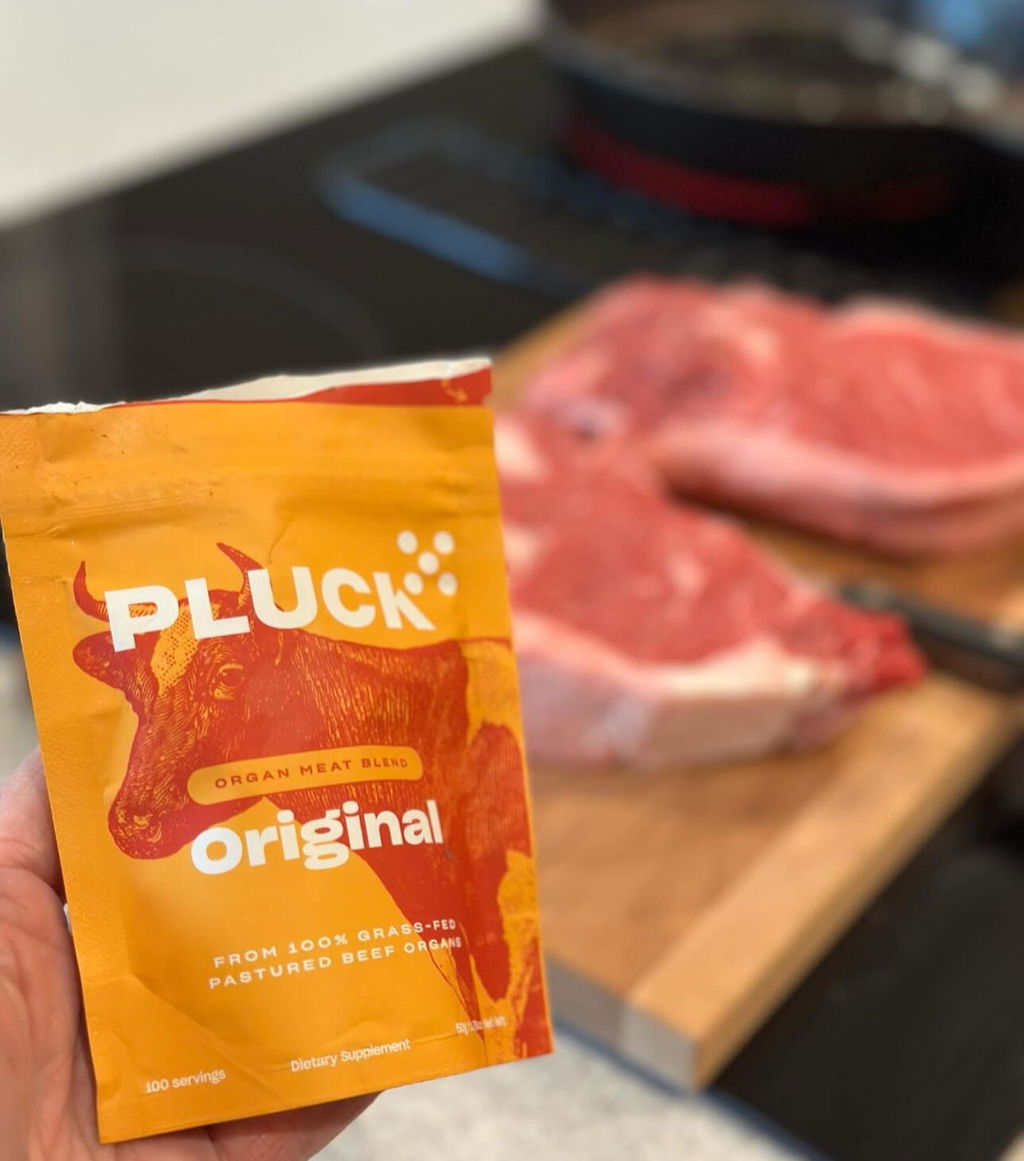
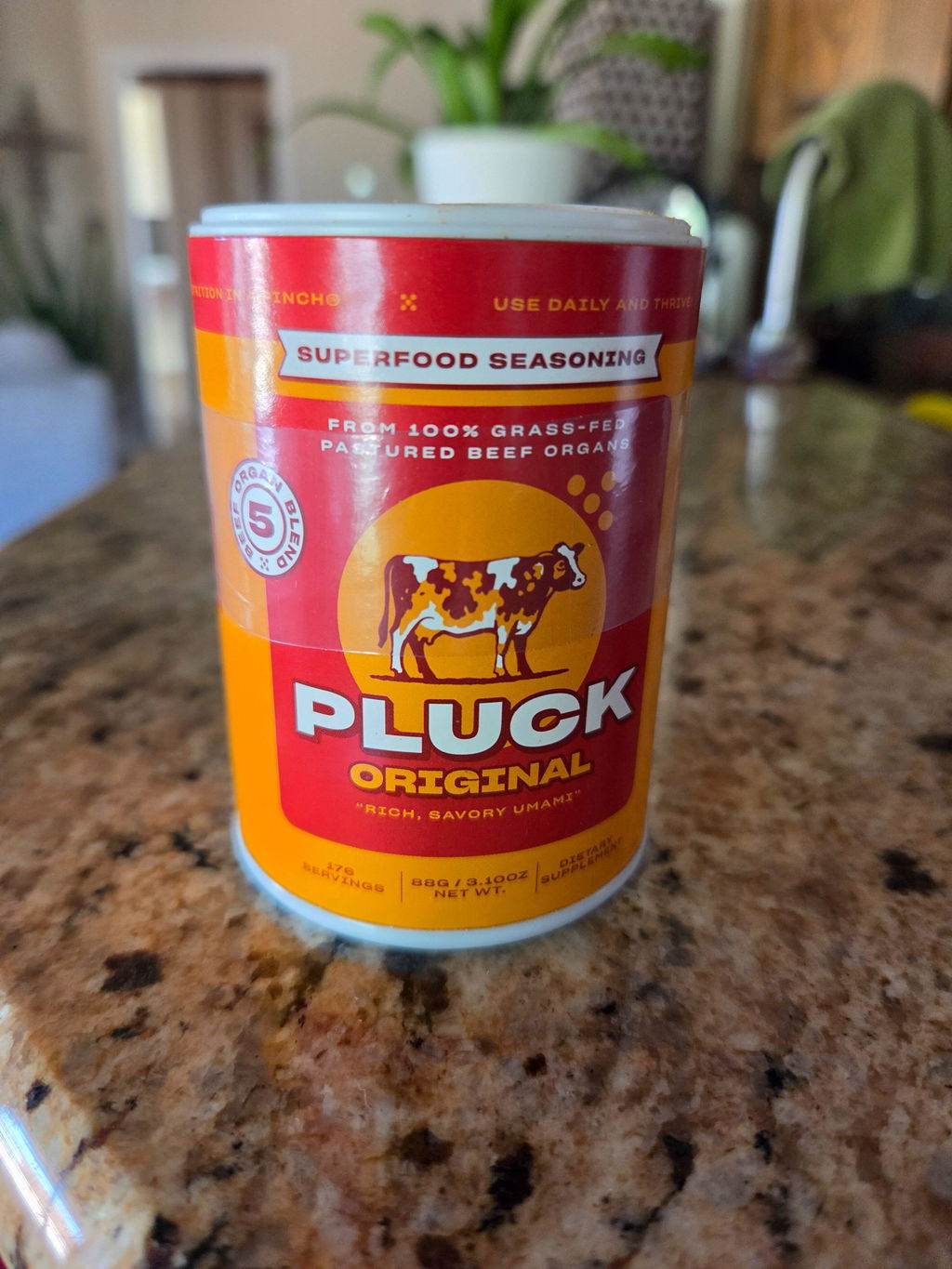
 Large Bag
 Travel Pack

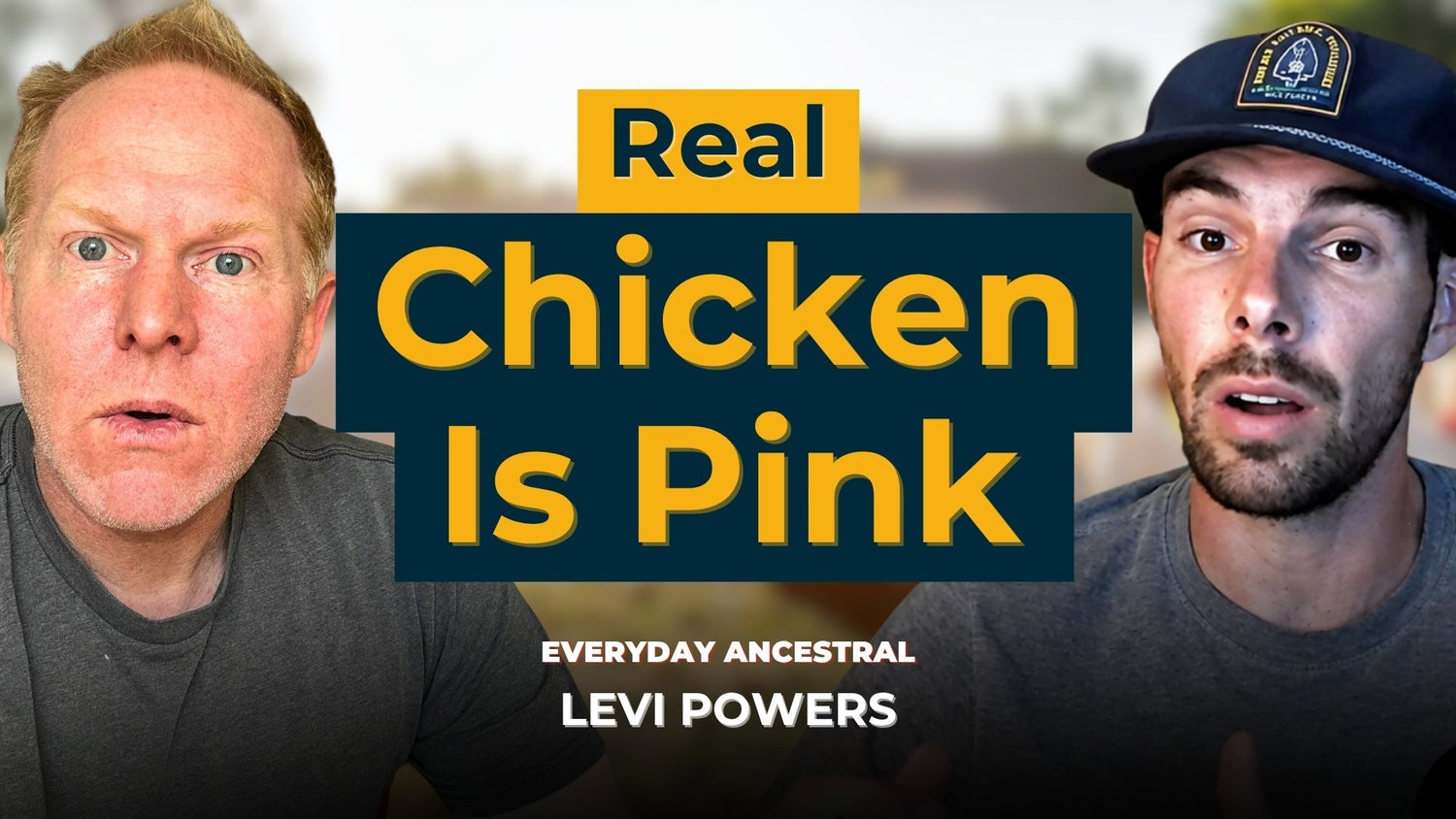


Chicken has been sold to us as the safe, healthy, affordable protein. But what if the package at the grocery store is only telling you part of the story?
In this episode of Everyday Ancestral, I sit down with Levi Powers of Alden Hills Organic Farms to pull back the curtain on how chicken is raised, what labels like “natural,” “free range,” and “organic” actually mean, and why the bird’s diet, movement, and environment show up in the meat you bring home.
Levi and his family have raised certified organic and regenerative beef, pork, and chicken in Southern Wisconsin. After years of talking directly with customers, he realized how much confusion exists between what people think they are buying and what they are actually getting. This conversation gives you a clearer way to evaluate chicken without expecting perfection or getting overwhelmed
Why This Matters to You
Assuming chicken is always the healthy choice? Levi Powers explains that the quality of chicken depends on far more than whether it is lean, high in protein, or labeled “natural.” How the bird lived, what it ate, whether it moved, and whether it had access to sunshine and pasture all influence the food that ends up on your plate. This episode invites you to look beyond the nutrition panel and ask how that protein was actually produced.
Confused by labels like “free range,” “natural,” and “vegetarian fed”? Levi breaks down how these phrases can create a wholesome image without giving you the full story. “Free range” does not necessarily mean a bird spent its life on fresh pasture, and “vegetarian fed” may actually signal that it never had access to bugs or the outdoor environment chickens naturally seek. Understanding the language helps you shop with more confidence.
Buying organic and assuming you have found the highest-quality option? Certified organic is an important starting point because it addresses feed, GMOs, processing, and certain handling standards. But Levi explains that organic chicken can still be raised inside a confinement barn. This conversation helps you understand why organic, pastured, and local are separate questions rather than interchangeable promises.
Wondering why regenerative chicken costs more? Levi explains that cheap meat carries costs that may not appear on the price tag. Those costs can show up in animal welfare, soil health, nutrition, flavor, farmer economics, and the long-term health of the food system. This episode helps you see price as one part of the decision, not the only measure of value.
Feeling overwhelmed by the idea of finding perfect food? Levi’s message is not that every purchase has to meet an impossible standard. It is that better questions lead to better choices. Asking what the birds were fed, whether they lived outside, how often they were moved, and who raised them can help you support the kind of farming you want to see more of.
Actionable Advice
Look beyond the marketing language. Do not assume words like “natural,” “hormone free,” or “free range” tell you how the bird actually lived.
Start with organic, then ask more. Use certified organic as a useful first filter, but also find out whether the birds were raised outside and moved regularly.
Question vegetarian-fed claims. Chickens naturally eat bugs and other sources of protein, so this label can indicate that the birds were raised entirely indoors.
Ask the farmer about feed and movement. Find out whether the feed is organic or non-GMO, whether the birds are pastured, and how often they are moved onto fresh ground.
Choose quality over quantity when needed. If higher-quality meat stretches the budget, consider eating a little less of it while putting more of your food dollars toward better-raised animals.
Levi’s journey has been shaped by years of raising certified organic and regenerative livestock, selling directly to customers, and answering the same important question again and again: are people actually getting what they think they are buying? Through Alden Hills Organic Farms, he has become an advocate for clearer education, more transparent farming, and a system that allows animals to live according to their natural behavior.
Links and Resources to Explore
Listen to the Full Episode – Available now on Apple, Spotify, or YouTube.
The goal is not to shop perfectly. It is to become more connected to the food you buy, the animals behind it, and the farms your money supports. The next time you pick up a package of chicken, ask how it was raised, what it was fed, and whether the label truly reflects the food system you want to help create. Then listen to the full episode and bring that awareness into your next grocery trip.





Leave a comment
All comments are moderated before being published.
This site is protected by hCaptcha and the hCaptcha Privacy Policy and Terms of Service apply.