


 Large Bag
 Travel Pack

Listen on your favorite platform:


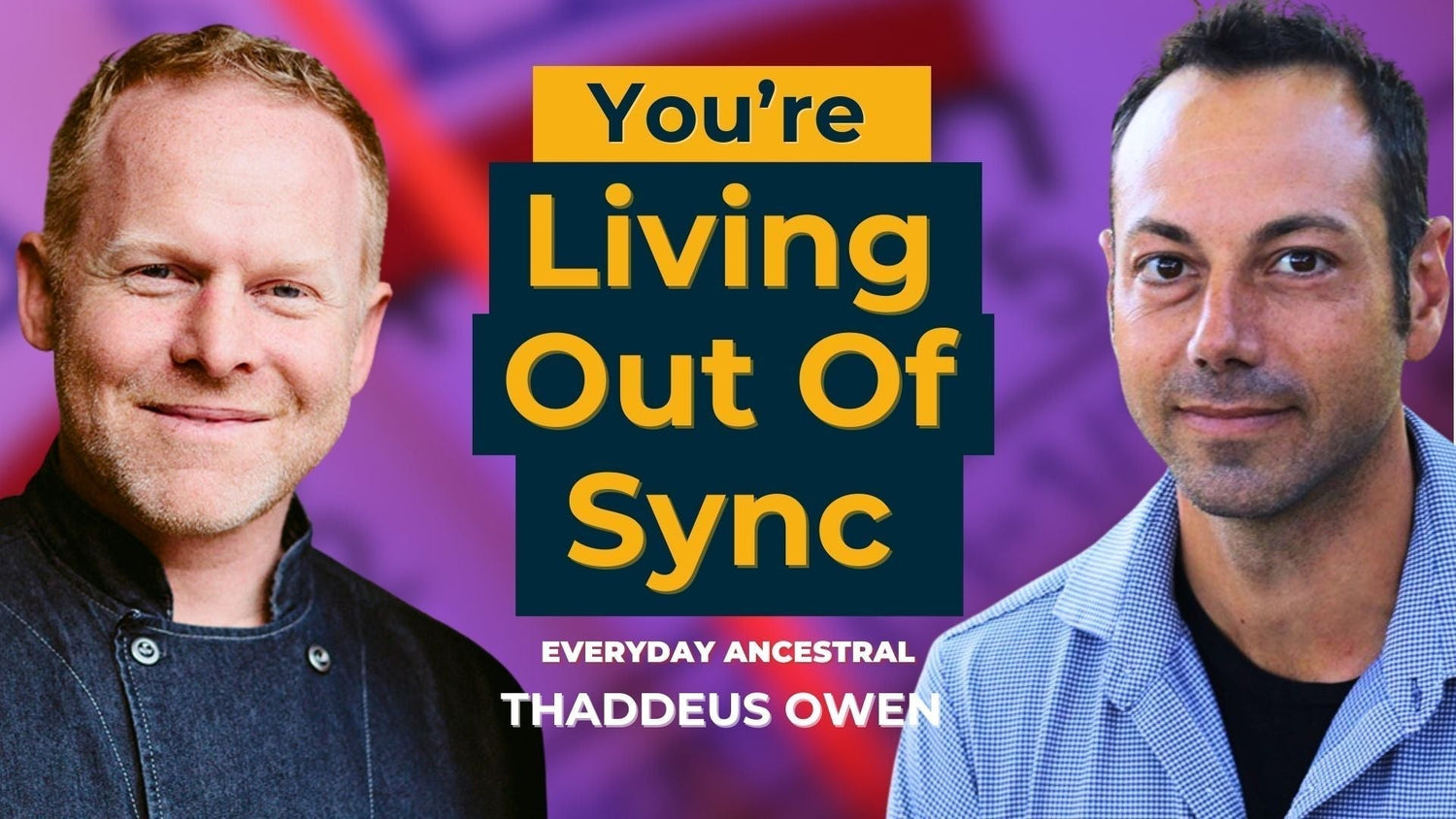
What if the biggest threat to your health isn’t your diet or your workout plan, but the modern world your body can’t interpret? In this episode of Everyday Ancestral, I sit down with Thaddeus Owen, a leading voice in ancestral physiology and environmental health, to unpack how artificial light and EMFs quietly shape your sleep, hormones, cravings, and stress.
Thaddeus spent years battling anxiety and insomnia, and what finally helped wasn’t another supplement or the latest tech. It was rebuilding the signals his biology is actually designed to respond to, especially light and darkness. In our conversation, we get practical about what’s hurting us, what actually helps, and what you can start doing right away.
You’ll walk away with a clear understanding of why your indoor environment might be throwing your body off, plus simple steps to build a more primal, supportive setup without feeling like you need to move to a cabin in the woods.
Why This Matters to You
Waking up tired even when you got “enough” sleep? Thaddeus shared how artificial light at night can quietly disrupt melatonin and circadian rhythm, making your sleep less restorative even if you’re in bed for hours.
Stuck in a loop of supplements, hacks, and gadgets that never fully solve the problem? Thaddeus explained how a lot of sleep fixes act like Band-Aids, while the deeper issue is the light environment your biology is trying to interpret every day.
Feeling more stressed at night when you should be winding down? Thaddeus broke down how blue light after sunset can raise cortisol and keep your body in a daytime state, instead of shifting into repair and recovery mode.
Craving sugar and feeling like your appetite has a mind of its own? Thaddeus connected nighttime light disruption to increased cravings and metabolic confusion, especially when your body reads the wrong signals about season and timing.
Overwhelmed by EMFs and not sure what actually matters? Thaddeus made it practical: distance matters, turning off your Wi-Fi at night can be a big win, and you can reduce exposure without living in fear.
Actionable Advice
Get outside at sunrise and watch the morning light without sunglasses or contacts. Let that natural light hit your eyes so your body recalibrates its internal clock and sets the tone for the entire day.
Put on blue light blocking glasses after sunset and keep them on through the evening. Block artificial blue light so your body can release melatonin and shift into repair mode at night.
Cool your bedroom down and darken it before bed. Lower the temperature into the low to mid 60s and eliminate excess light so your sleep environment matches what your biology expects.
Turn off your Wi-Fi router while you sleep and create more distance from your phone. Use a simple timer or remote switch and keep devices out of your pocket so you reduce unnecessary microwave exposure overnight.
Eat more locally and seasonally whenever possible. Source food from nearby farmers or choose what’s naturally available in your region so your body receives signals that better match your environment.
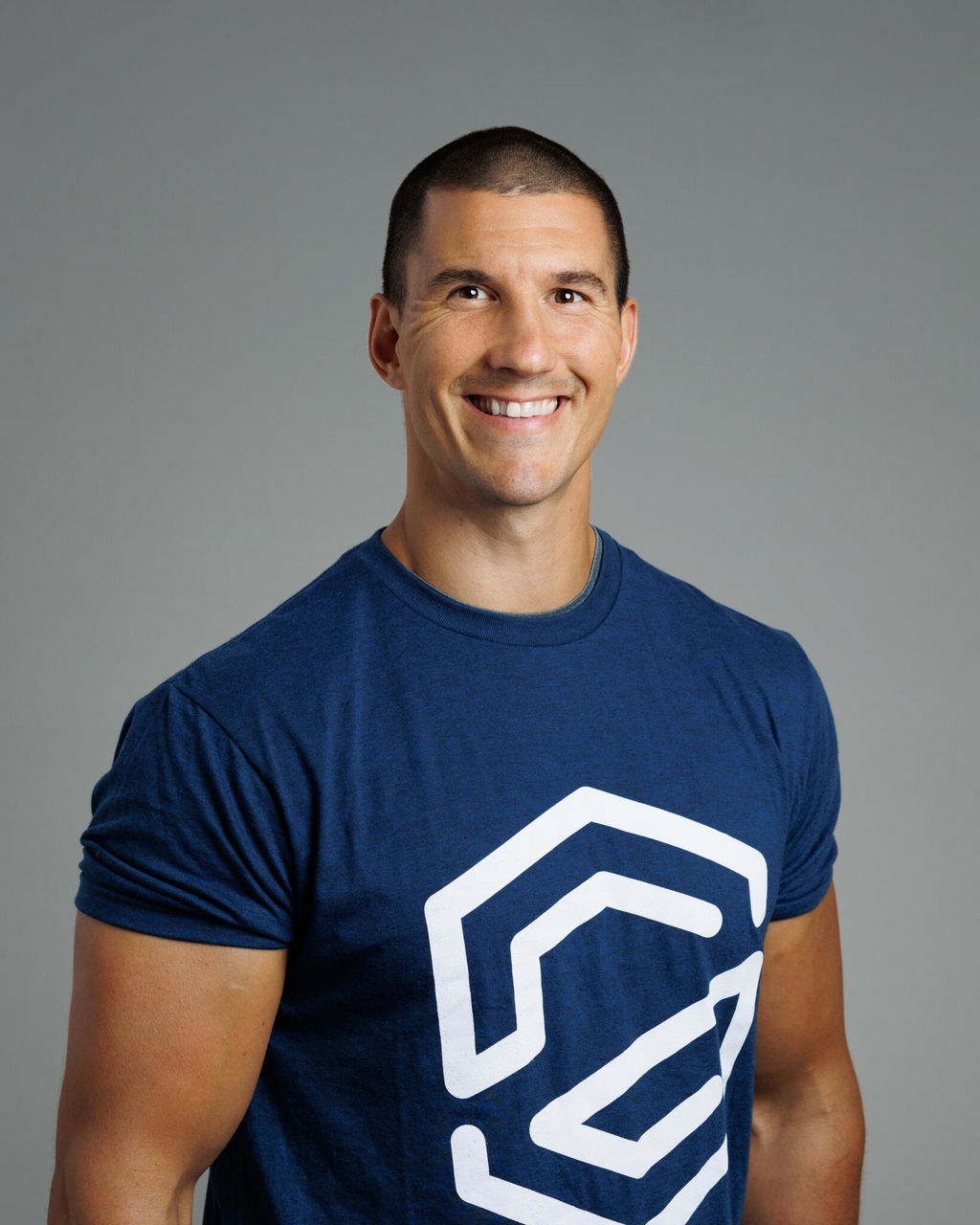
Thaddeus began his journey in 2007 in the biohacking world, trying to solve his own long-term anxiety and 16 years of insomnia. Over time, he realized chasing the newest tech and supplements wasn’t fixing the root problem. By blending modern research with ancestral practices, especially rebuilding his light environment, he found what actually moved the needle and has been teaching others how to do the same ever since.
Links and Resources to Explore
Listen to the Full Episode – Available now on Apple, Spotify, or YouTube.
If you’ve been feeling off and blaming yourself, I want you to listen to this episode and then try one change today. Start with sunrise. Start with darkness at night. Start with one simple reduction in the signals that are stressing your system. You deserve deep sleep, steady energy, and a body that feels like it’s working with you again, not against you. Stay curious, live well, and keep it ancestral.








Leave a comment
All comments are moderated before being published.
This site is protected by hCaptcha and the hCaptcha Privacy Policy and Terms of Service apply.