


 Large Bag
 Travel Pack


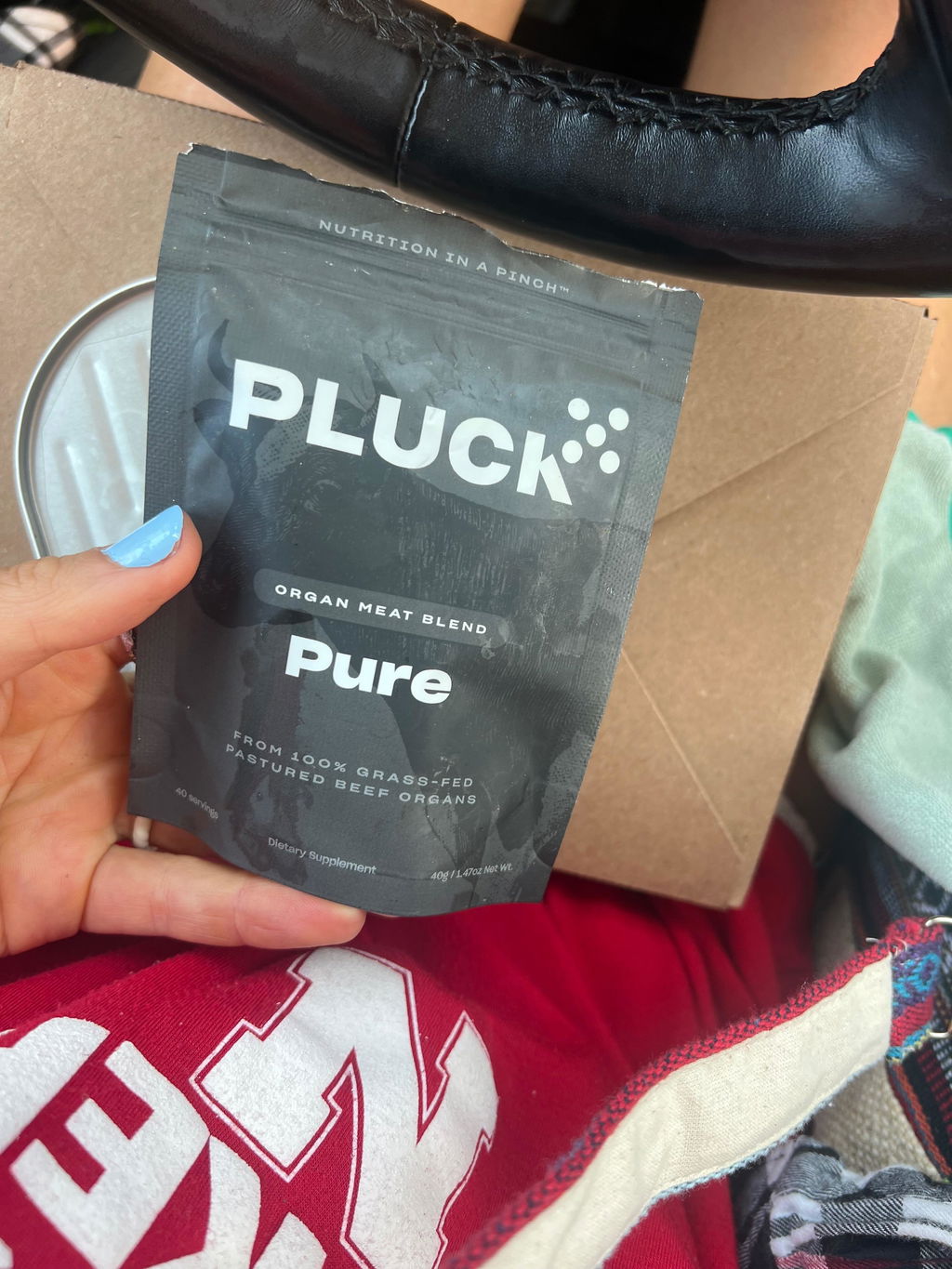
Children on the autism spectrum often have a more layered and sensitive relationship with food than most people realize. Sensory differences can make certain flavors feel too strong, certain textures feel unpleasant, and even small changes in routine feel emotionally overwhelming. Parents want to nourish their children well, yet they are also trying to protect the sense of safety and stability their child depends on at mealtimes. Introducing new, nutrient-dense foods can feel nearly impossible because the sensory world of food strongly influences comfort and emotional regulation. The child is not being picky or resistant for the sake of it. Their sensory experience simply demands a level of predictability that typical dietary advice does not always account for. Pluck helps families work within that reality by offering organ-based nutrients in a seasoning format that feels familiar and non-disruptive. It allows parents to support nourishment gently, without unsettling a child who relies on consistency to feel grounded.
Organ meats are rich in minerals, amino acids, and vitamins that play important roles in neurological development, immune balance, growth, and metabolic health. Many parents wish they could bring these benefits into their child’s diet, but know that the strong flavors or unique textures of whole organ meats would likely cause distress. Pluck offers a practical solution by delivering those same nutrients in a way that blends seamlessly into foods the child already trusts. There is no new texture to navigate and no overwhelming shift in flavor. The seasoning adds quiet depth to familiar meals while still honoring the sensory boundaries that help the child feel calm and safe at the table.
This creates an opportunity to enrich meals that the child already accepts, whether that means scrambled eggs, plain meats, gluten-free pasta, simple rice dishes, or other comforting staples. When nutrition aligns harmoniously with a child’s emotional regulation, growth, and well-being improve naturally because the body and nervous system receive what they need without stress or overwhelm.[1][2][3]
Autism, Sensory Processing, and the Role of Predictability in Eating
Children on the autism spectrum often build a sense of emotional stability around consistency. Routines, familiar environments, and predictable foods help them feel grounded and safe. Foods become more than flavors on a plate, serving as sensory experiences the child can rely on to stay regulated. When the texture or appearance of a trusted food suddenly shifts, the change can feel confusing or even threatening, leading to refusal, distress, or a complete shutdown during mealtime. Parents who recognize this dynamic often find it easier to focus on gentle support rather than pushing new foods too quickly. Working within the child’s already-established comfort zone creates space for nourishment without tension or emotional overwhelm. Predictability becomes the foundation upon which nourishment can be safely expanded.[4]
Sensory processing differences can amplify the way a child perceives textures and tastes. What may feel soft and subtle to one person may feel rough, overwhelming, or inconsistent to another. This biological reality means that whole organ meats or strongly flavored foods may be too stimulating for some children. Introducing new textures too quickly may trigger emotional resistance, even when the child is open to flavor. Pluck provides a pathway around these sensory barriers by allowing nutrient-rich organ meats to be incorporated into meals without altering texture. Because Pluck blends seamlessly into familiar foods, it respects autistic children's sensory boundaries while still providing minerals that support cognitive development, neurotransmitter balance, and nervous system regulation.[5][6]
Flavor Exploration Without Texture Changes
Many autistic children enjoy bold flavors as long as those flavors do not come with a change in texture. A child may tolerate spices, seasonings, and sauces while refusing any new food that feels different in the mouth. This means that flavor itself is not the barrier, but rather the unpredictability that comes from a new physical sensation. Pluck offers a way to introduce deeper, richer, more complex flavors without modifying the food’s baseline texture. This opens the door to nutritional diversity because organ-based nutrients can be layered into dishes the child already enjoys in a predictable, reassuring way. The child experiences flavor but remains anchored in the texture that helps them feel regulated.[7]
When Pluck is sprinkled onto foods that are already part of the child’s comfort circle, the shift is gentle enough that the nervous system does not interpret it as a threat. Over time, this gradual exposure helps the child’s palate expand in a supportive manner rather than through force or pressure. The positive experiences build confidence that new flavors do not always come with unpleasant surprises. This can increase the willingness to try more complex tasks over time. The child remains emotionally stable during meals, which is crucial because emotional overwhelm can reduce appetite and diminish nutrient absorption. Pluck encourages curiosity without triggering fear, fostering a healthier, long-term relationship with food.[8][9]
How Pluck Supports Palate Expansion
Palate expansion happens most successfully when the child feels safe. For children on the autism spectrum, safety often comes from routine, regulation, and the absence of abrupt sensory shifts. Pluck works within this framework by introducing nutritional complexity without altering the meal's sensory experience. Each sprinkle offers subtle flavor development that does not overwhelm the child’s senses but instead enriches what they already enjoy. Over time, parents notice increased openness to slightly stronger tastes as the child’s sensory threshold gradually expands. Palate expansion grows from trust rather than disruption.[10]
Nutrients themselves also play a role in sensory openness. Zinc, copper, iron, selenium, and B vitamins are essential for neurotransmitter function, appetite regulation, and the sensory processing pathways that help a child interpret flavor and texture. Many selective eaters experience subclinical deficiencies that subtly influence how they perceive food. When Pluck is introduced consistently, these nutrients support neurological pathways that help the child process sensory input more comfortably. This creates a positive cycle where nourishment improves sensory tolerance, and enhanced sensory tolerance leads to broader nutritional acceptance. The shift is slow and steady but deeply meaningful for the entire family.[11][12]
Emotional Regulation and the Need for Food Safety
Mealtime for autistic children is not only a nutritional experience but also an emotional experience. The child’s ability to eat well is tied to their sense of regulation, calm, and security. When a meal presents unexpected challenges, the fight-or-flight response can activate quickly, leading to distress that makes it difficult to eat or digest properly. Pluck supports emotional regulation by staying within the boundaries of foods the child already trusts. This means that nutrition is provided in a way that feels emotionally safe, reducing the likelihood of sensory overload or meal refusal. Emotional safety allows the child to absorb nutrients more efficiently because the nervous system is not in a state of tension.[13]
As the child experiences repeated success with meals enhanced by Pluck, their confidence grows. This confidence further supports emotional stability, not only during meals but also in other parts of daily life. Well-nourished children often experience steadier moods, improved sleep, and more balanced energy because their bodies have the minerals needed to support neurological calm. Organ meat nutrients support methylation, detoxification, cognitive clarity, and neurotransmitter synthesis, all of which influence how easily a child can regulate their emotions. Providing these nutrients without causing sensory overload is one of the most powerful ways caregivers can support children on the spectrum in a practical, gentle way.[14][15]
Nutrient Density for Neurodevelopment
Organ meats are among the most nutrient-dense foods available, offering natural sources of iron, zinc, copper, B vitamins, vitamin A, choline, and essential amino acids. Each of these nutrients supports the body by fueling neurodevelopment, strengthening sensory processing, bolstering immune function, and stabilizing metabolic health. Parents who focus on nourishing their children often appreciate how organ-based nutrition provides a concentrated way to meet these needs. Adding Pluck to familiar meals is an accessible way to bring these nutrients into a child’s routine without causing stress or overwhelm. Supporting the body through steady, nutrient-rich inputs can make a meaningful difference in daily regulation, learning, and overall well-being. Many children on the autism spectrum have higher nutrient needs due to unique metabolic patterns, increased oxidative stress, or selective eating habits. Meeting these needs can be challenging when diet variety is limited. Pluck provides a concentrated source of these nutrients in a form that does not require the child to consume foods outside their accepted range. This removes one of the largest barriers to supporting healthy development.
Zinc helps regulate neurotransmitters and appetite; iron supports oxygen delivery and energy metabolism; copper assists with nervous system development; and B vitamins support methylation and cognitive function. Nutrients in organ meats naturally occur in ratios that the body recognizes and absorbs easily, allowing them to work together to support overall health. Pluck takes advantage of that natural balance by offering nutrients in small, approachable amounts that blend easily into familiar meals. Providing microdoses allows the body to begin replenishing gently while avoiding any stress on a sensitive digestive system. Many families notice that adding Pluck creates a steady, nourishing lift without creating fear or resistance around food. Supporting children in this way keeps them firmly within their sensory comfort zone while still giving them access to the benefits found in organ meats. Creating nourishment through tiny, consistent additions often becomes the most sustainable path for both parents and children. When children receive steady inputs of essential micronutrients, their ability to engage in sensory learning, emotional regulation, and cognitive tasks improves naturally. This creates a more supportive environment for growth both inside and outside the kitchen.[16][17][18]
Practical Ways to Use Pluck for Support
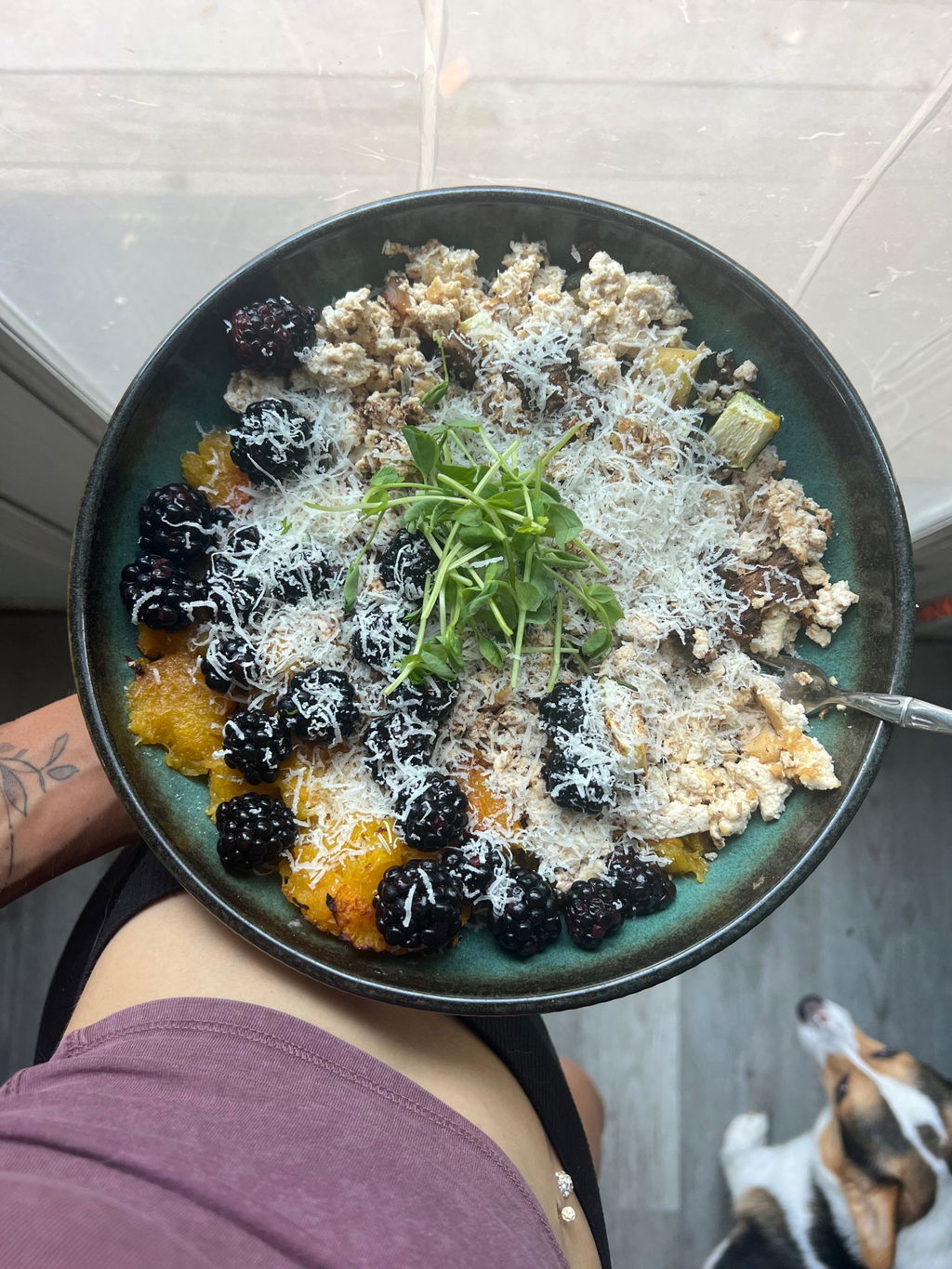
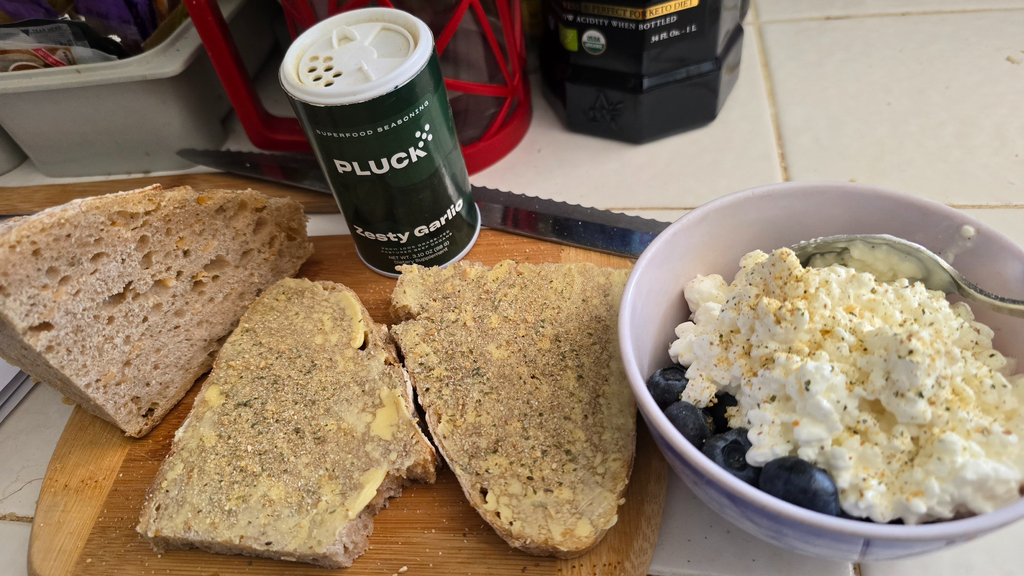
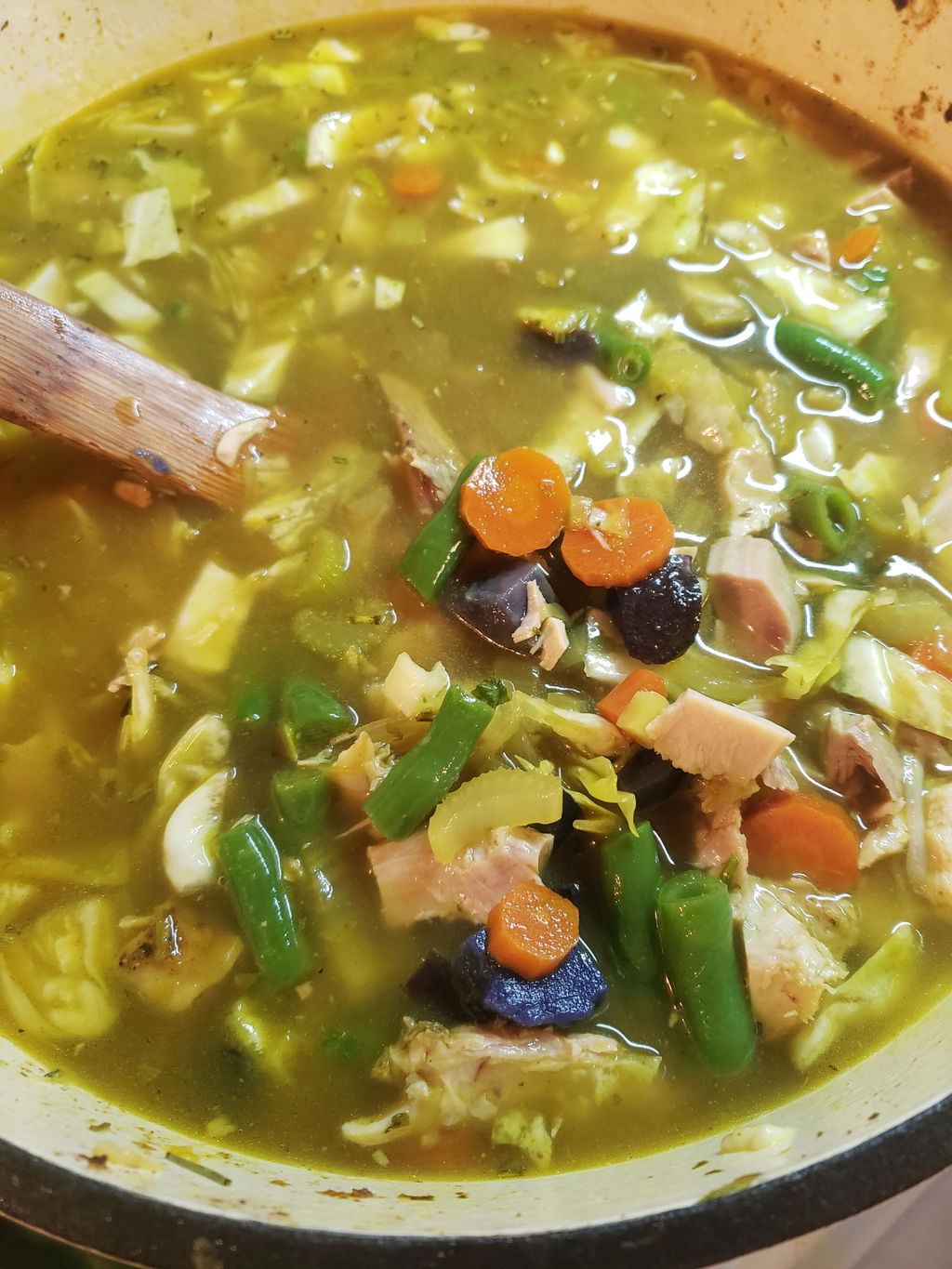
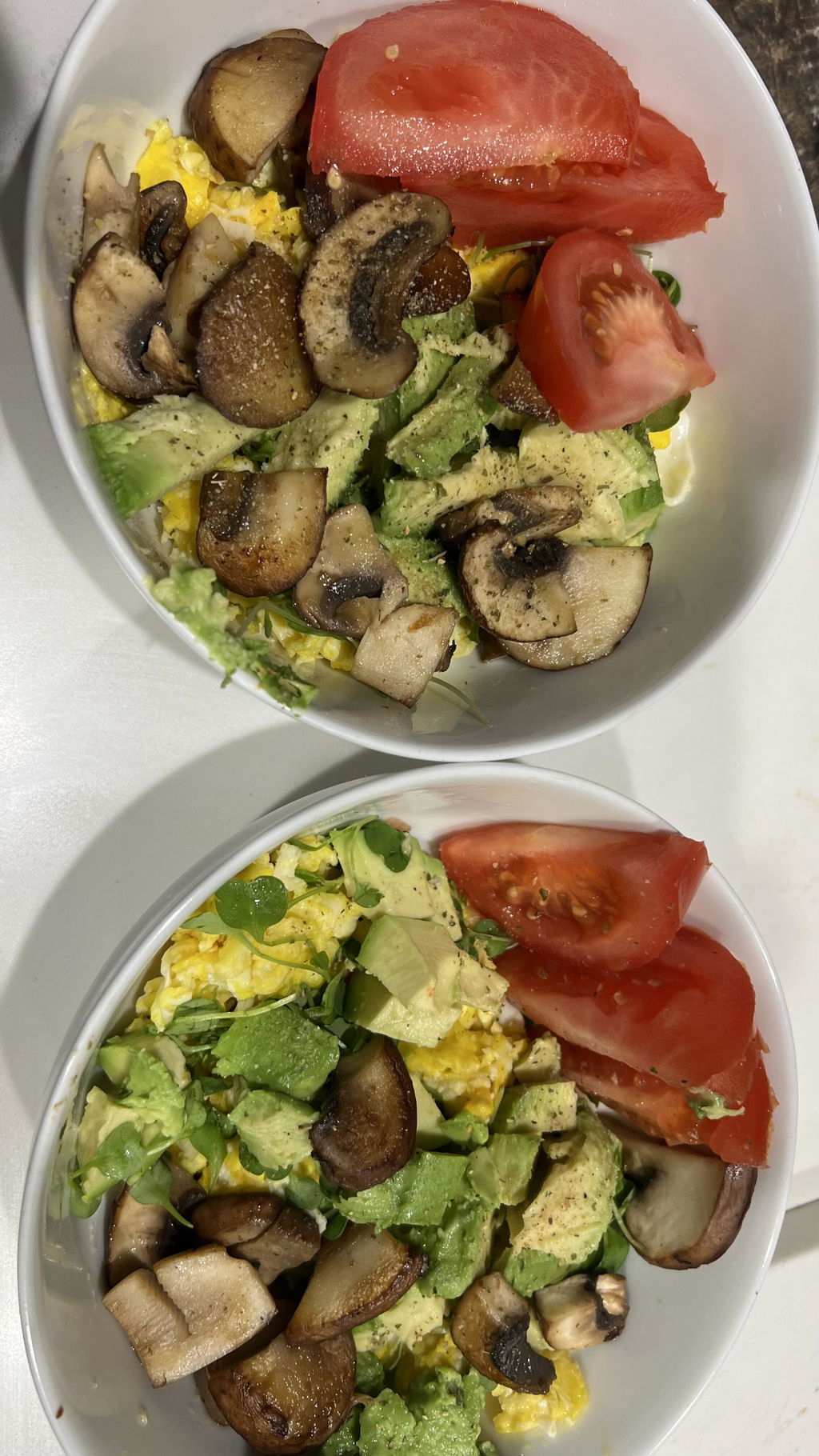
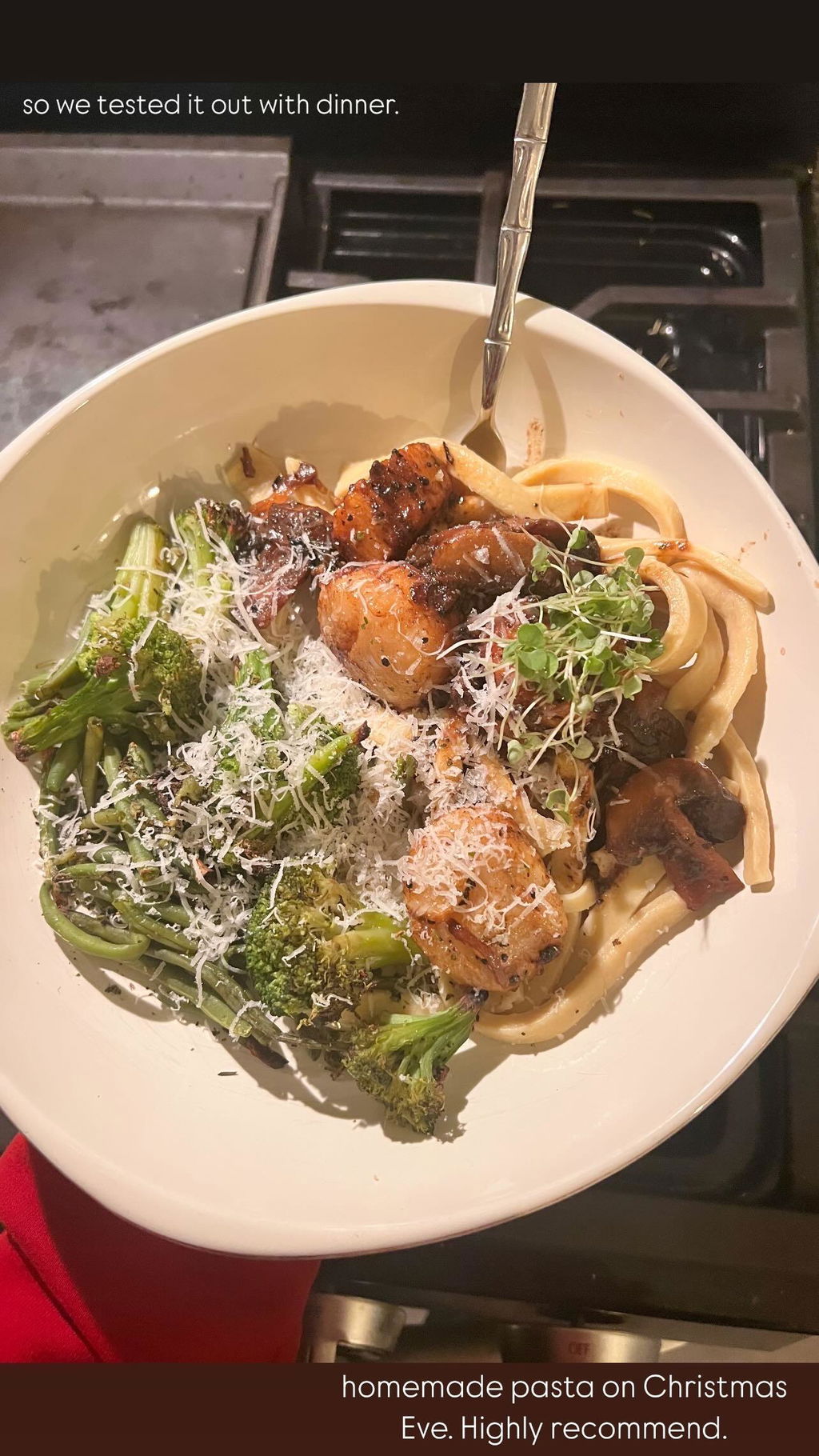
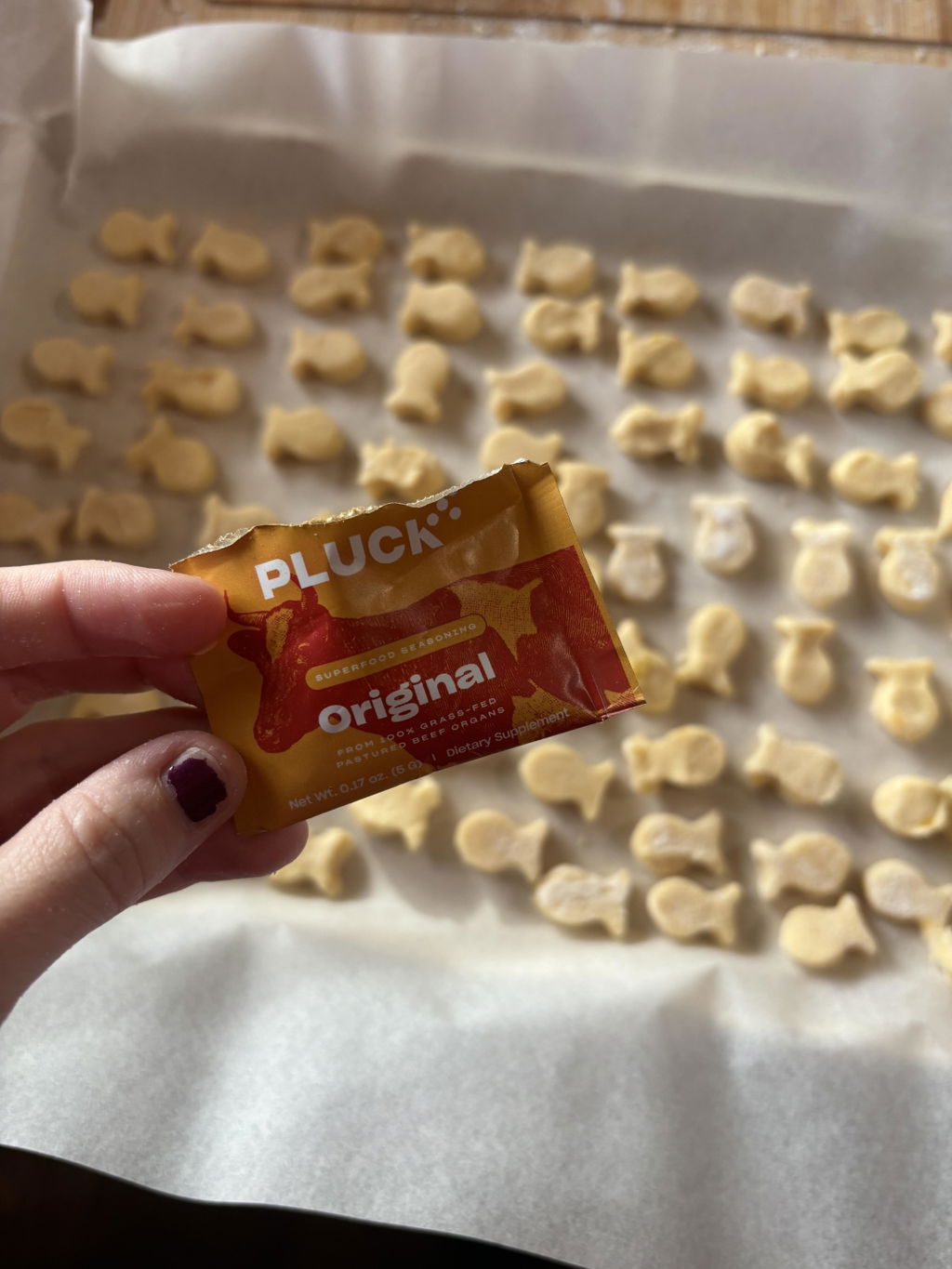
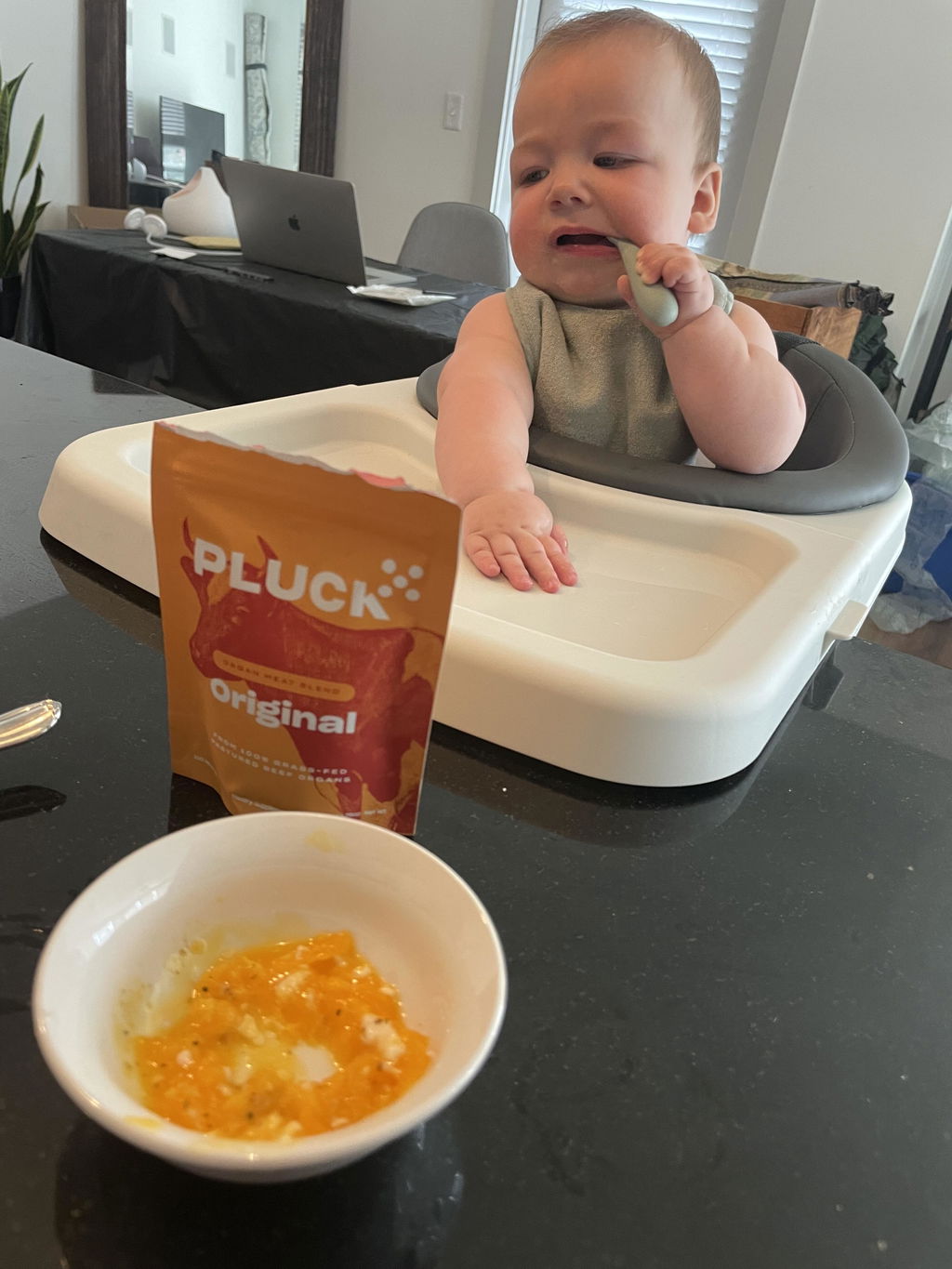
Children thrive when caregivers introduce changes gradually, respectfully, and consistently. Pluck can be added to the meals the child already eats daily, such as scrambled eggs, plain meats, mashed potatoes, pasta, rice bowls, gluten-free pancakes, or even simple soups. Because it does not alter texture, it blends invisibly into these foods while enriching them with small but meaningful doses of organ nutrients. Parents often notice that children begin to accept slightly stronger versions of the same foods as their sensory comfort increases over time. This gives families more flexibility and reduces mealtime tension because nutrition no longer feels like a battle.
Parents can introduce Pluck using a very small sprinkle at first, then slowly increase the amount over days or weeks as the child remains comfortable. Because the flavor is gentle and balanced, many children accept it immediately without noticing a significant difference. Over time, the increased nutrient intake can support steadier appetite patterns, stronger energy levels, more balanced moods, and clearer cognitive focus. Many parents notice that these shifts help their child feel more regulated throughout the day, often leading to greater openness at mealtime. Small changes become less intimidating when the child feels physically supported and emotionally grounded. Consistency plays a much larger role than volume, allowing the child to adjust gradually while their body benefits from steady nutrient exposure. Building nutrition slowly and predictably often becomes the most sustainable way to support long-term growth and well-being.
Long-Term Benefits and Family Impact
Parents of children on the autism spectrum often find themselves walking a careful line during meals. They want their child to feel nourished and supported, yet they also want to avoid creating food-related stress or upsetting the routines their child depends on. That balance can feel fragile, especially when sensory sensitivities shape the entire eating experience. Pluck makes that balance easier by letting parents add meaningful nutrition to the foods their child already trusts. Nothing dramatic has to change, and that alone can lower the emotional temperature of mealtime for everyone.
When caregivers know they can boost a meal without introducing something unfamiliar or uncomfortable, their whole approach shifts. They come to the table with more ease, not bracing for resistance or overwhelm. Conversations tend to feel lighter, and the atmosphere becomes less tense because no one is gearing up for a struggle. Children often respond to that calm energy, settling into the meal with a bit more comfort and predictability. Families who experience this kind of shift usually talk about how mealtime finally starts to feel like a shared moment rather than a point of stress. That simple change can make eating easier for the entire household. Families often notice that this softer environment helps their child feel safer, which naturally encourages more peaceful, predictable eating patterns.
Families frequently describe feeling more supported as the home environment becomes steadier and more predictable during meals. Nutrition becomes a shared experience rather than a source of conflict, which benefits the child’s long-term relationship with food.
As children receive better nutrition, improvements ripple into many aspects of daily life. Parents frequently report steadier moods, improved concentration, healthier sleep, and more balanced eating patterns. These changes occur because the child’s body finally receives consistent access to minerals and amino acids that support neurological function. Over time, children often develop more confidence with flavors, greater tolerance for subtle changes, and a stronger sense of curiosity at the table. This does not happen through pressure or force. It happens quietly and gradually because the child’s body and nervous system feel supported rather than challenged.[19][20]
Closing Thoughts
Children on the autism spectrum need nourishment that honors their sensory boundaries, emotional needs, and unique neurological patterns. Pluck provides a gentle way to support their health while keeping their sense of comfort and routine fully intact. Enriching familiar foods with organ-based nutrients helps children feel steadier, more nourished, and better able to move through their day with resilience. A supportive approach like this builds trust at the table and encourages natural palate expansion that grows from safety rather than pressure. Every small sprinkle contributes to a bigger picture of wellness, providing children with meaningful nutrients while still honoring how they take in and experience the world around them.
Citations:
-
Cermak, Sharon A., et al. “Food Selectivity and Sensory Sensitivity in Children with Autism Spectrum Disorders.” Journal of the American Dietetic Association, vol. 110, no. 2, 2010, pp. 238–246.
-
Sharp, William G., et al. “Feeding Problems and Nutrient Intake in Children with Autism Spectrum Disorders: A Meta-analysis and Comprehensive Review of the Literature.” Journal of Autism and Developmental Disorders, vol. 43, no. 9, 2013, pp. 2159–2173.
-
Stewart, Pamela A., et al. “Nutrient Intake and Status in Children with Autism: A Case-Control Study.” Journal of Autism and Developmental Disorders, vol. 50, no. 4, 2020, pp. 1406–1423.
-
Zobel-Lachiusa, Jeanne, Mary V. Andrianopoulos, Zoe Mailloux, and Sharon A. Cermak. “Sensory Differences and Mealtime Behavior in Children With Autism.” American Journal of Occupational Therapy, vol. 69, no. 5, 2015, pp. 690-5185050p1-8. ResearchGate
-
Padmanabhan, P.S., et al. “Addressing Mealtime Behaviours of Children with Autism Spectrum Disorders.” Journal of Research in Special Educational Needs, 2020. pmc.ncbi.nlm.nih.gov
-
Karaca, B. D., et al. “The Relationship between Sensory Sensitivity and Eating Behaviours in Children with Autism Spectrum Disorder.” [Journal], 2025. sciencedirect.com
-
Kuschner, Emily S., et al. “A Preliminary Study of Self-Reported Food Selectivity in Children with Autism Spectrum Disorders.” Research in Autism Spectrum Disorders, vol. 9, no. 1, 2015, pp. 111-117. PMC
-
Mirizzi, P., et al. “Food Selectivity in Children with Autism Spectrum Disorder.” Nutrients, vol. 17, no. 17, 2025, article 2798. MDPI
-
Chow, C. Y., et al. “A Review on Children’s Oral Texture Perception: Development and Influencing Factors.” Critical Reviews in Food Science and Nutrition, vol. 64, no. 10, 2024, pp. 2823-2839. tandfonline.com
-
Bentley, Brent, et al. “The Role of Zinc and Other Micronutrients in Sensory Processing and Neurodevelopment in Children.” Nutrients, vol. 12, no. 11, 2020, pp. 1–17.
-
Keim, Sarah A., and Christopher S. O’Connor. “Early Selective Eating and Micronutrient Intake in Children with Neurodevelopmental Differences.” Journal of Pediatric Gastroenterology and Nutrition, vol. 68, no. 6, 2019, pp. 872–878.
-
Marí-Bauset, Sergio, et al. “Nutritional Status of Children with Autism Spectrum Disorders (ASDs): A Case-Control Study.” Journal of Autism and Developmental Disorders, vol. 45, no. 1, 2015, pp. 203–212.
-
Mitchell, Lucy K., and Emily J. Carter. “Stress Response and Mealtime Behavior in Children with Autism Spectrum Disorder.” Journal of Autism and Developmental Disorders, vol. 51, no. 9, 2021, pp. 3154–3166.
-
Adams, James B., et al. “Comprehensive Nutritional and Metabolic Intervention for Autism Spectrum Disorder: A Randomized, Controlled 12-Month Trial.” Nutrients, vol. 10, no. 3, 2018, pp. 1–24.
-
Malhi, Prahbhjot, et al. “Feeding Problems and Nutritional Status in Children with Autism Spectrum Disorder: A Case-Control Study.” International Journal of Eating Disorders, vol. 50, no. 5, 2017, pp. 474–482.
-
Latoch, A., et al. “Edible Offal as a Valuable Source of Nutrients in the Diet — A Systematic Review.” Nutrients, vol. 16, no. 4, 2024, pp. 1-17. PMC
-
do Nascimento, P.K.S.B., et al. “Zinc Status and Autism Spectrum Disorder in Children and Adolescents: A Systematic Review.” Nutrients, vol. 15, no. 16, 2023, pp. 3663. MDPI
-
Kaczmarek, K.A., et al. “Iron, Magnesium, Zinc and Selenium — The Most Common Mineral Deficiencies in Children with Autism Spectrum Disorder?” Nutrition Research Reviews, vol. 37, 2024,
-
Blennerhassett, Claire, Michael Richards, and Stephen Clayton. “Caregiver-Implemented Feeding Interventions for Autistic Children with Food Selectivity: A Systematic Review.” Current Developmental Disorders Reports, vol. 10, 2023, pp. 87-99.
-
Arija, Víctor, et al. “Nutrient Intake and Adequacy in Children with Autism Spectrum Disorder, Sub-diagnostic Autistic Symptoms and Typically Developing Children.” Autism Research, vol. 16, no. 1, 2023, pp. 107-119.








Leave a comment
All comments are moderated before being published.
This site is protected by hCaptcha and the hCaptcha Privacy Policy and Terms of Service apply.