


 Large Bag
 Travel Pack


What if some of the foods you are deliberately eating because you believe they are healthy are contributing to the symptoms you cannot seem to shake?
In this episode of Everyday Ancestral, I sit down with Sally K. Norton, a nutrition researcher with a degree in nutrition from Cornell, a Master of Public Health, and author of Toxic Superfoods. Sally has spent decades studying nutrition, but her interest in oxalates became deeply personal after years of arthritis, digestive problems, pain, fatigue, poor sleep, chemical sensitivity, and other health challenges despite eating what she believed was an exceptionally healthy diet.
We talk about oxalates, why Sally believes dose matters, and how foods like spinach, almonds, sweet potatoes, chocolate, Swiss chard, and certain other foods can become problematic when eaten frequently and in large amounts. Just as importantly, Sally cautions against hearing this information and immediately eliminating every plant food. Her approach is about learning, gradually lowering your exposure, making smart swaps, and ultimately creating a diet you can actually live with.
Why This Matters to You
Eating all the “right” foods but still not feeling right? Sally spent years choosing vegetables, whole foods, brown rice, sweet potatoes, and other foods she believed were supporting her health. Looking back, she came to believe that her high-oxalate intake was contributing to many of the problems she was experiencing.
Living on spinach smoothies, almond products, or sweet potatoes because they are supposed to be healthy? Sally challenges the idea that any food deserves an unlimited health halo. Her point is not that every vegetable is bad. It is that dose, frequency, preparation, and your individual health all matter.
Ready to throw everything out of your kitchen after hearing about oxalates? Don’t. Sally specifically warns against making an abrupt switch from a high-oxalate diet to an extremely restrictive diet. She encourages people to educate themselves first and lower intake gradually rather than chasing another all-or-nothing food philosophy.
Overwhelmed by conflicting diets? Low oxalate. Low histamine. Carnivore. Plant-based. Sally acknowledges how paralyzing modern nutrition can become. Her bigger goal is eventually having more food options, not fewer, by supporting your body and moving away from extremes.
Wondering where to even start? Sally’s first recommendation is education. Learn which foods are actually high in oxalates, understand what you are currently eating, and then begin making simple substitutions instead of trying to master the entire topic overnight.
Actionable Advice
Learn before you eliminate. Start by understanding oxalates and identifying which high-oxalate foods you are eating most frequently before making dramatic changes.
Lower oxalates gradually. Sally cautions against suddenly removing a very high oxalate intake because she says some people experience uncomfortable symptoms during the transition. Make changes over time rather than going from one dietary extreme to another overnight.
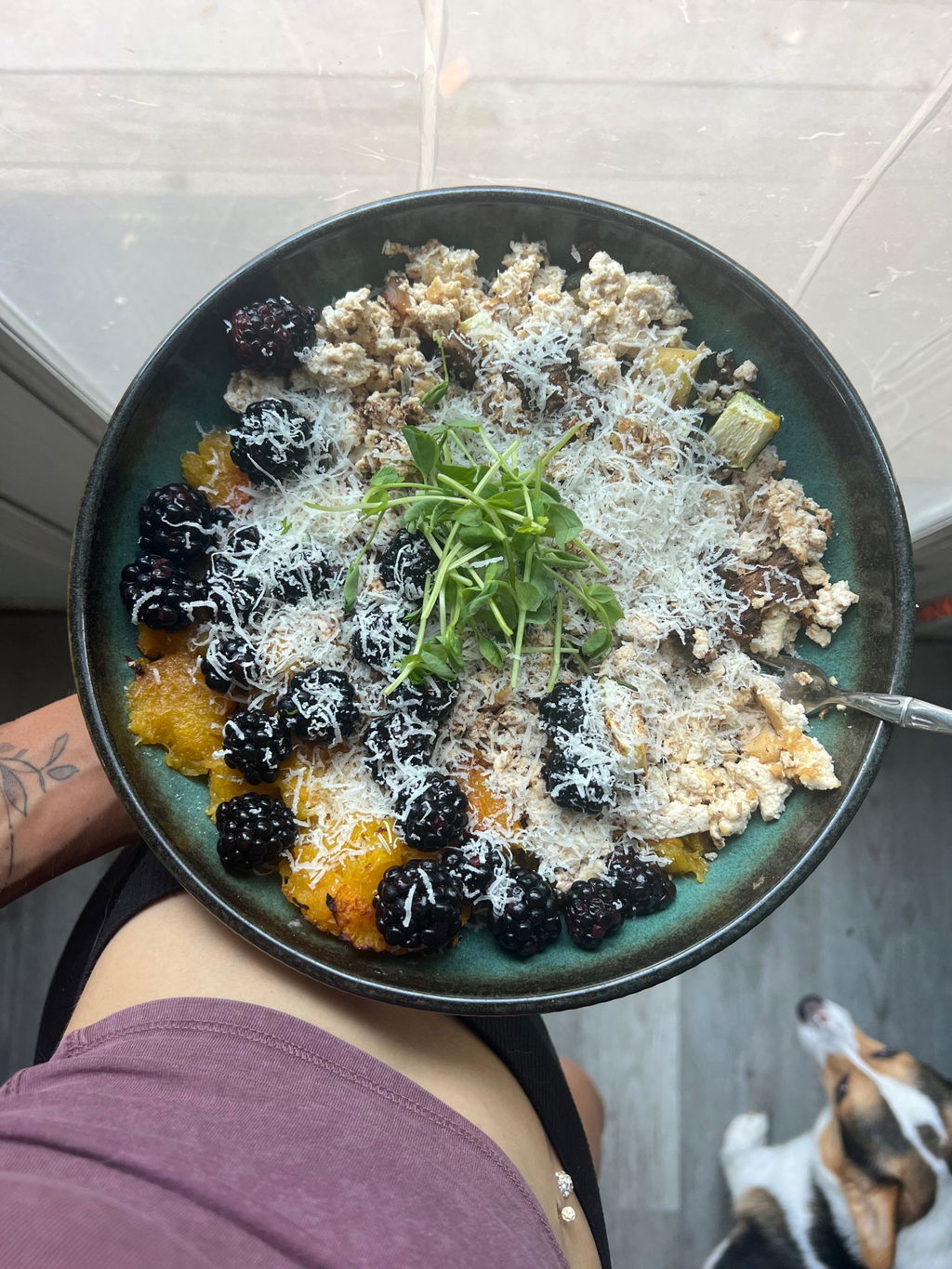
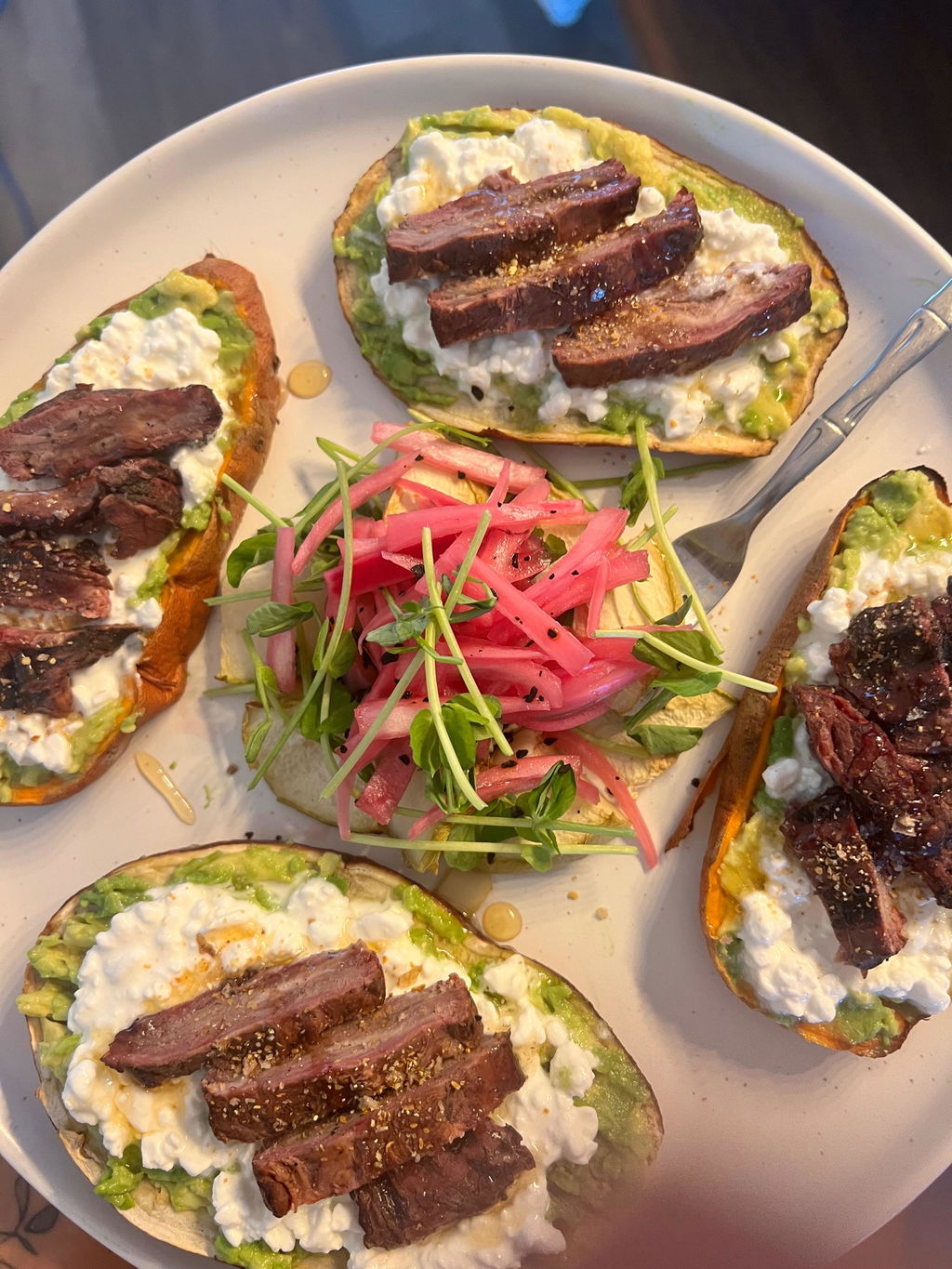
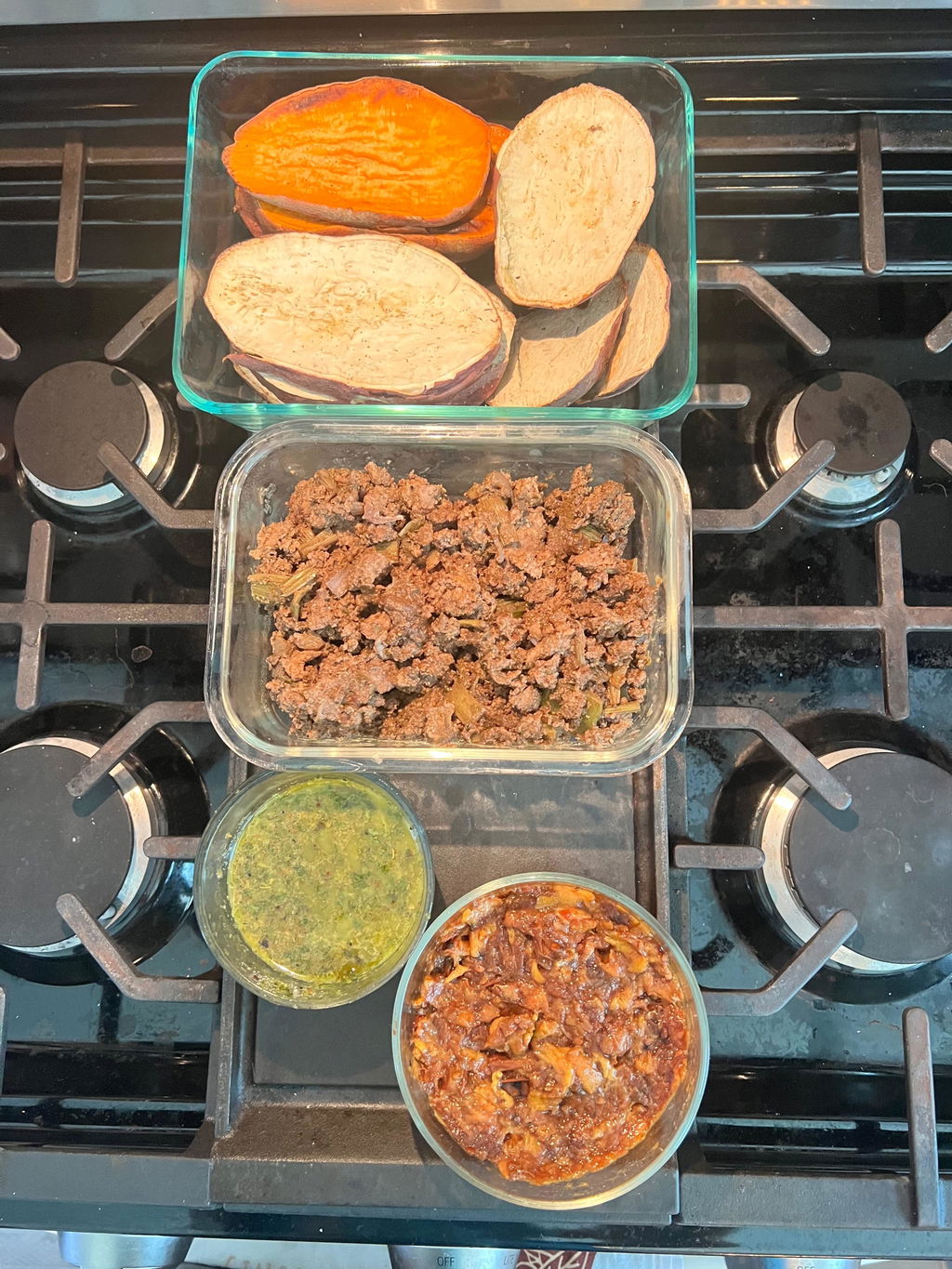
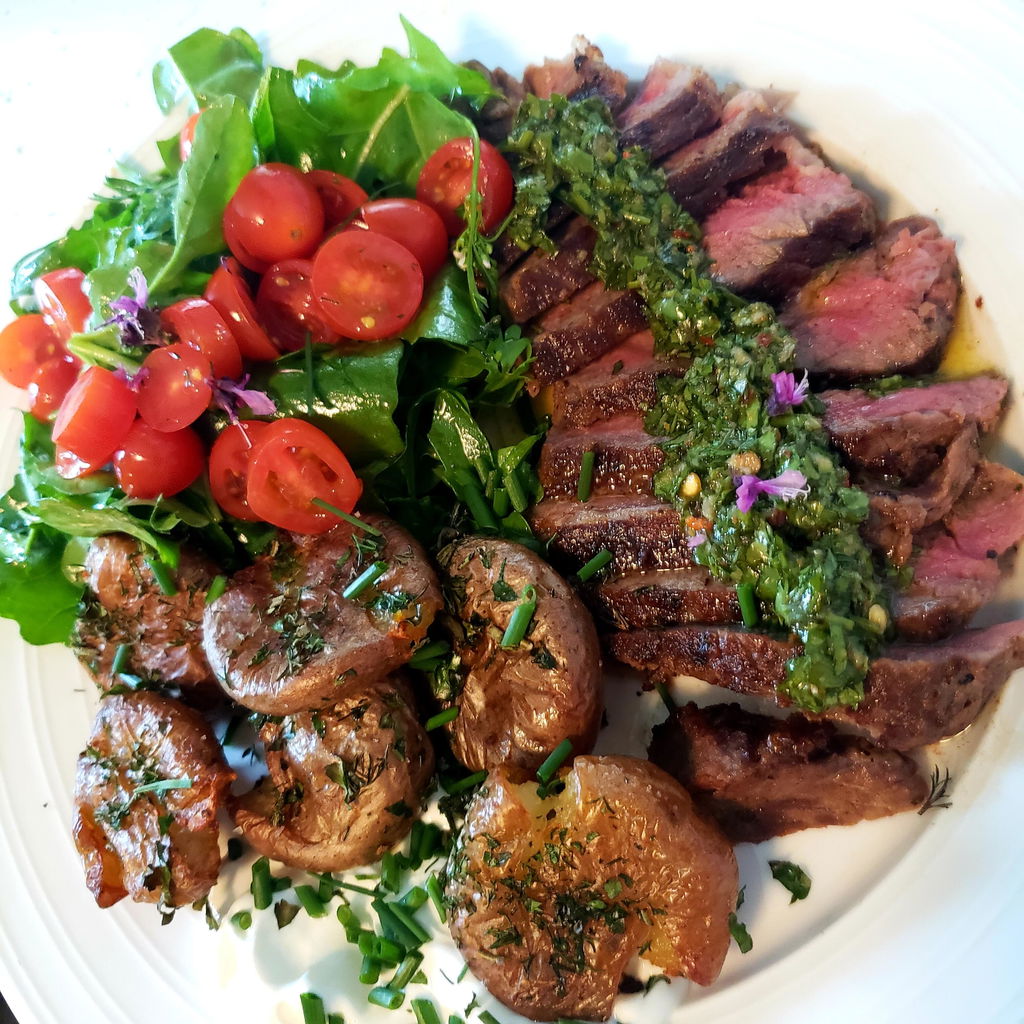
Swap instead of simply removing. Replace spinach with greens such as romaine, arugula, or watercress. Sally suggests winter squash such as butternut as an alternative to sweet potatoes and white pepper as an alternative to black pepper.
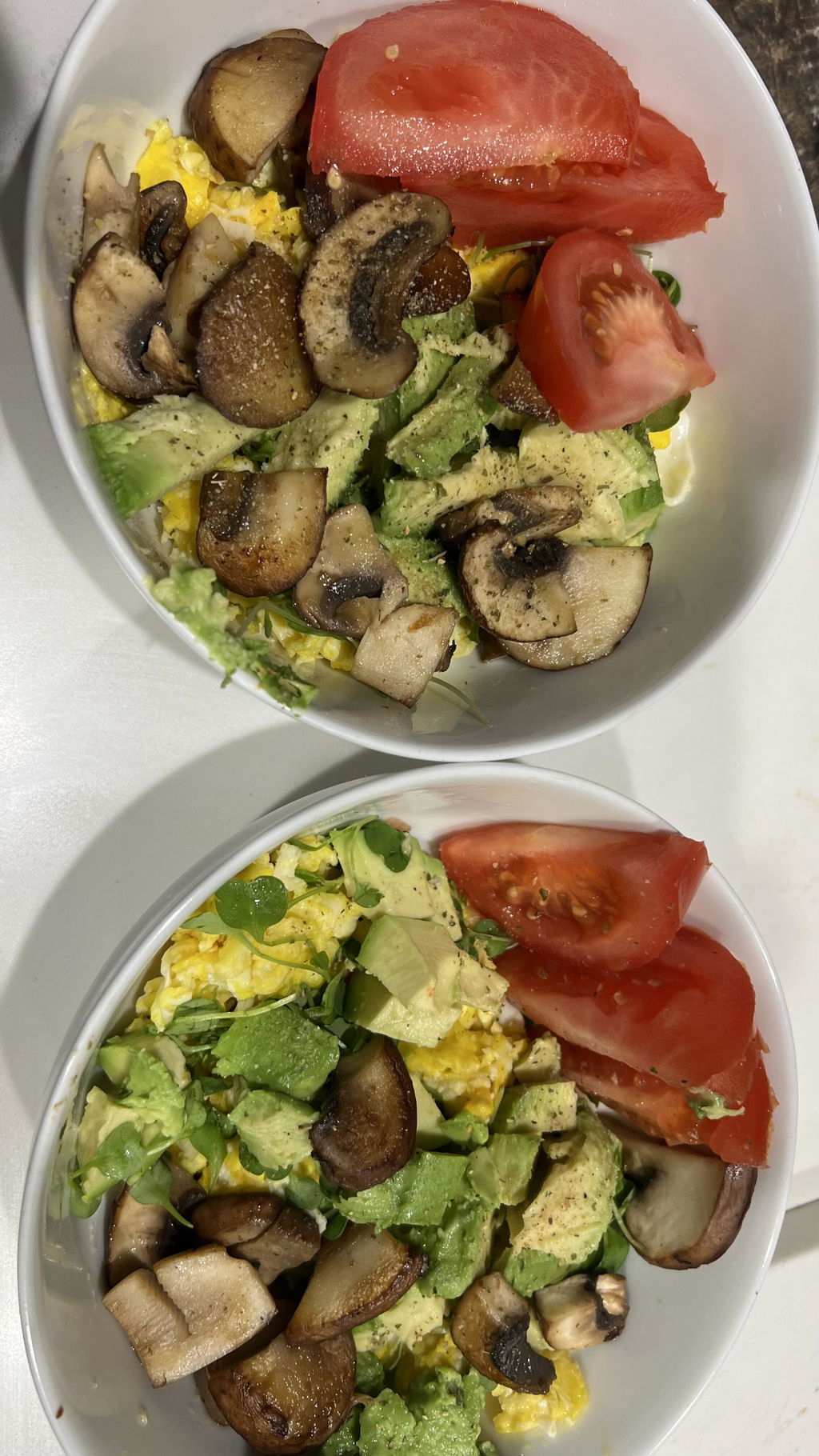
Rebuild real meals. If breakfast has become a giant smoothie filled with spinach, nut products, turmeric, and other concentrated ingredients, Sally encourages gradually rebuilding a more traditional meal rather than relying on what she calls a “sippy cup life.”
Pay attention to the whole picture. Food matters, but Sally also emphasizes gut health, stress, relaxation, community, and getting your nervous system back toward a rest-and-digest state. The goal is not to become afraid of food. It is to become more capable of enjoying a wider range of foods again.
Sally’s journey started long before she became known for talking about oxalates. She was interested in nutrition as a teenager because she wanted to understand why she was struggling with her health. She eventually studied nutrition at Cornell, went into public health and research, and spent years eating a vegetable-heavy whole-food diet. Yet her health continued to decline. After severe pelvic pain led her to information from the Vulvar Pain Foundation, she experimented with reducing oxalates. Her symptoms and subsequent experiences led her to spend years researching a topic she believes mainstream nutrition has largely overlooked. That work eventually became Toxic Superfoods and the educational resources she now provides to others.
Links and Resources to Explore
The Essential Low-Oxalate Cookbook
Listen to the Full Episode – Available now on Apple, Spotify, or YouTube.
You do not need to leave this episode afraid of spinach or questioning everything in your refrigerator. Start with curiosity. Look at what you eat repeatedly, learn where the biggest sources of oxalates may be coming from, and make one thoughtful swap at a time. Most importantly, resist the urge to replace one rigid food ideology with another. Listen to the full episode, educate yourself, and build a way of eating that supports both your health and your ability to enjoy your life.







1 comment
J Masters
James, thanks ever so much for interviewing Sally K. Norton. After only 2 days of eating a lower-oxalate diet, my worst symptom has disappeared!
Leave a comment
All comments are moderated before being published.
This site is protected by hCaptcha and the hCaptcha Privacy Policy and Terms of Service apply.