


 Large Bag
 Travel Pack

Listen to the Full Episode – Available now on Apple, Spotify, or YouTube.


What if the inflammation you're experiencing isn't just about what you're eating, but also how you're living, managing stress, and connecting with the people around you?
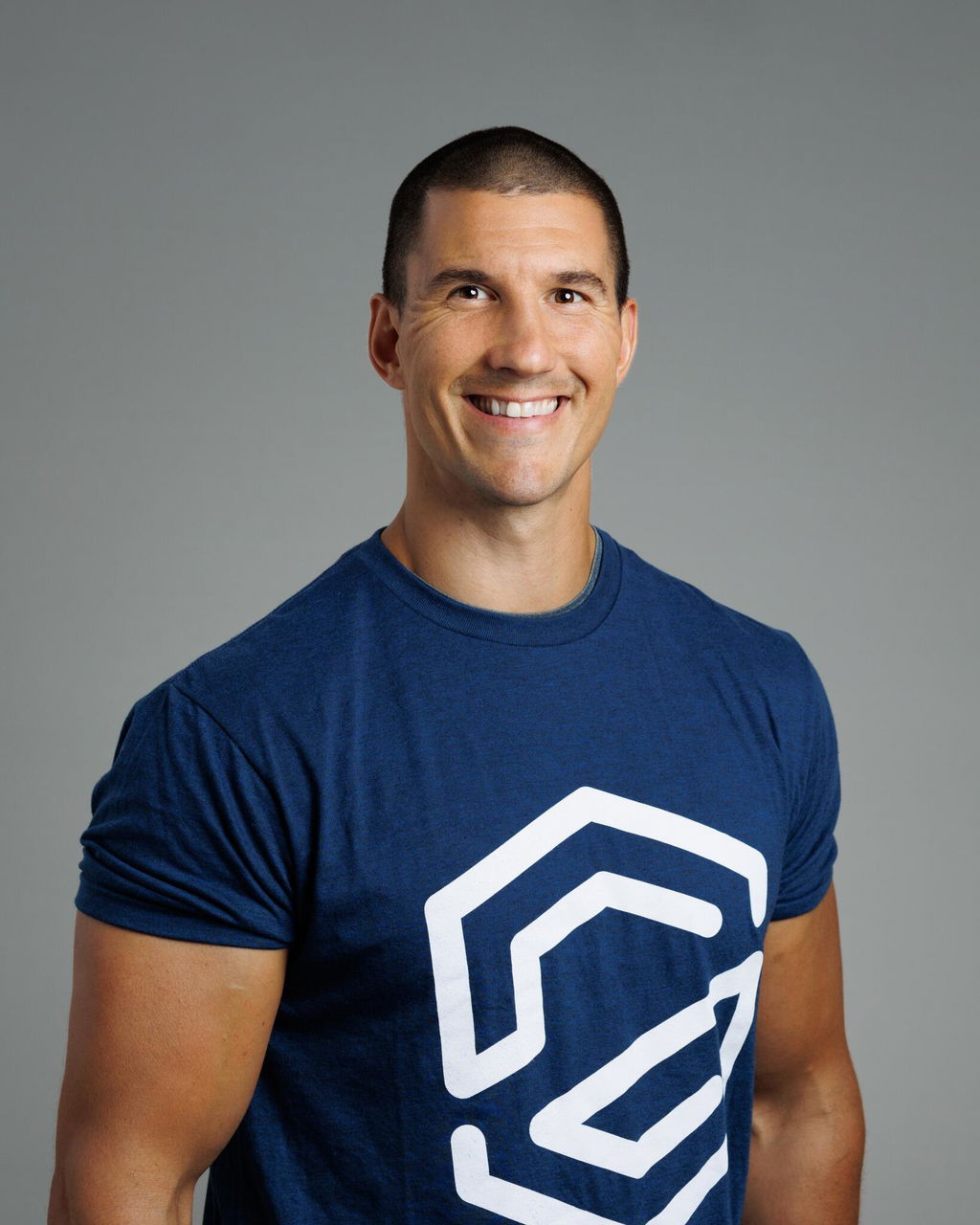
In this episode of Everyday Ancestral, I sit down with Dr. Bradly Jacobs, a physician with a background in integrative medicine, public health, and mind-body practices, to explore why inflammation has become such a big part of the modern health conversation and what we can actually do about it.
Brad brings a fascinating perspective. His journey began with martial arts at a Chuck Norris studio, eventually leading him to Stanford Medical School, UCSF, and additional training in acupuncture, nutrition, and movement practices such as tai chi and qigong. After decades in medicine, he's become increasingly interested in something that often gets overlooked: helping people build resilience rather than simply responding to disease.
We talk about how food sensitivities and environmental exposures may contribute to inflammation, why symptoms aren't always obvious, and how paying attention to your body's responses can help you make more informed choices.
But this conversation goes well beyond food.
Brad explains why the nervous system, relationships, community, and even a few minutes of intentional breathing deserve a place in our understanding of health.
And perhaps most importantly, we explore whether our modern lives are making us sicker or whether we're simply living long enough to experience more health problems.
Why This Matters to You
Experiencing symptoms but unsure whether inflammation is involved? When we think of inflammation, we often picture swollen joints or visible discomfort. But Brad explains that inflammatory conditions and reactions can also involve headaches, digestive problems, skin changes, and sleep disturbances. The challenge is that these symptoms can have many different causes, and they don't always appear immediately after a potential trigger. Brad encourages people to become more observant of their own patterns instead of assuming every symptom has one simple explanation.
Wondering whether something in your kitchen could be contributing to your symptoms? Brad discusses how certain foods, particularly gluten and dairy for people who are sensitive to them, may trigger reactions. He shares the personal story of his son developing difficulty tolerating gluten after a significant gastrointestinal infection. We also explore environmental exposures, including chemicals associated with some cookware and plastic food containers. Rather than recommending that everyone eliminate entire food groups, the more useful lesson is to investigate your individual responses and make informed choices about the foods and materials you use every day.
Feel like you're constantly stressed, even when you're trying to be healthy? One of Brad's most practical recommendations is also one of his simplest: spend three minutes focusing on your breath, twice a day. Not an hour of meditation. Not another complicated wellness routine. Just three minutes. He suggests breathing in slowly, pausing briefly, and breathing out longer than you breathe in. His larger point is that developing the ability to become present and notice your body's responses can help you navigate everyday stress more intentionally.
Doing everything you can to live longer but forgetting to enjoy life? I asked Brad whether modern life is actually making us less healthy or whether we're simply surviving long enough to develop conditions our ancestors rarely experienced. His answer brought us to the difference between lifespan and healthspan. Living longer is one thing. Having the physical ability, energy, relationships, and sense of purpose to enjoy those extra years is another. Brad returns to the fundamentals: food, movement, sleep, stress management, relationships, and meaning. They're simple concepts, but as he reminds us, common sense isn't always common practice.
Missing the kind of community our ancestors took for granted? This became one of my favorite parts of the conversation. Brad talks about how traditional communities often had built-in support from extended families, elders, neighbors, and shared rituals. Today, we're more connected digitally but can be increasingly isolated in our everyday lives. He works with men who are professionally successful but struggle to find friendships where they can be vulnerable without feeling judged.
Actionable Advice
Start noticing your body's patterns. Pay attention to changes in digestion, sleep, skin, energy, and physical comfort. Brad encourages an individualized approach rather than assuming everyone responds to food or environmental exposures in the same way.
Take a closer look at your kitchen. Consider the cookware, food-storage containers, and materials you're regularly using. Brad discusses cast iron, stainless steel, and titanium as options worth exploring. Reducing unnecessary heating of food in plastic containers is another practical change to consider. You don't need to replace your entire kitchen overnight. Start with what you use most often.
Try the three-minute breathing practice. Find a quiet place, sit comfortably, and focus on your breath. Brad suggests inhaling for approximately four counts, pausing briefly, and exhaling for four to six counts. Repeat for three minutes, once in the morning and once later in the day. The purpose isn't to achieve perfect meditation. It's to create an opportunity to become more present and aware of your internal state.
Focus on healthspan, not just lifespan. Ask yourself whether your daily habits are supporting the life you want to live as you age. Are you moving regularly? Eating nourishing food? Getting adequate sleep? Managing stress? Maintaining meaningful relationships? Brad emphasizes these foundations before getting distracted by more elaborate health interventions.
Rebuild community one connection at a time. If joining a group feels intimidating, Brad suggests starting with one trusted friend. Another option is to connect through a shared activity: cooking, cycling, reading, gardening, or learning something new. You don't necessarily need to begin with an intense conversation about your feelings. Sometimes the activity itself creates the safety that allows a deeper connection to develop.
Practice noticing before reacting. Brad describes his work with Hakomi, a body-centered approach to psychotherapy that invites people to recognize physical sensations and emotional patterns. Instead of immediately trying to fix uncomfortable feelings, he encourages curiosity about what's happening internally. That small shift from automatic reaction to awareness can create space for a different response.
Dr. Brad Jacobs' work has evolved from a foundation in martial arts and conventional medicine into a more integrative approach to helping people build resilience and improve their quality of life. Through his medical practice, Blue Wave Medicine, and his work in longevity medicine, mind-body therapies, and men's groups, he encourages people to look beyond symptoms and consider the deeper connections between physical health, emotional well-being, and community. His approach isn't just about treating illness or extending lifespan. It's about helping people become more aware of their bodies, develop healthier daily habits, build meaningful relationships, and create lives that are not only longer, but genuinely worth living.
Links & Resources to Explore
Follow Dr. Brad Jacobs on Instagram
Subscribe to Dr. Brad Jacobs on YouTube
Follow Dr. Brad Jacobs on Facebook
Couple's Retreat in Baja, April 19-24
Men's Longevity Heli-Skiing Program in Alaska, March 20-27
Join the Three Forks Institute Founding Member List
For much of human history, health was about more than treating symptoms. It was rooted in nourishing food, daily movement, meaningful relationships, and a strong connection between mind and body. Modern medicine has given us extraordinary tools, but somewhere along the way, we've lost touch with some of these foundational practices. We don't need to abandon modern advances to reclaim what our ancestors understood. Start by paying attention to how your body feels, taking three minutes to breathe, sharing a meal with someone you care about, or finding a community where you feel seen and supported. Listen to the full episode to discover why improving your health isn't always about adding another supplement or treatment. Sometimes it's about slowing down, reconnecting with yourself and others, and building the resilience to live not just longer, but better.
This episode is for general information only and is not medical advice. Nothing here is intended to diagnose, treat, cure, or prevent any condition. Talk to your doctor before making changes to your care.




Leave a comment
All comments are moderated before being published.
This site is protected by hCaptcha and the hCaptcha Privacy Policy and Terms of Service apply.